Choosing the right drive can make recording, sample management, and project backups far less stressful. The best options for music production balance speed, capacity, durability, and easy compatibility.
Below, we’ve narrowed the field to 10 practical picks for home studios, mobile setups, and larger libraries, with a focus on everyday reliability and value.
Best 10 External Hard Drives for Music Production Picks for 2026
Studio-Grade Desktop Archive

- 10TB desktop storage for large music libraries
- Up to 240MB/s read speed for bigger transfers
- USB-C/Thunderbolt 3 with low-noise aluminum build
Best For: Producers needing a high-capacity desktop archive drive
Portable Library Backup
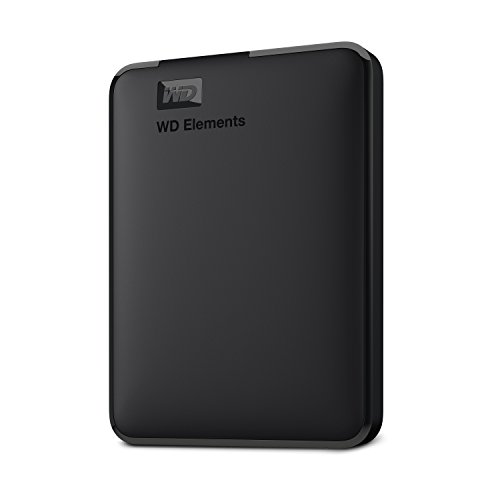
- 5TB portable drive for project transfers and backups
- Plug-and-play USB 3.2 Gen 1 connection
- Compact 2.5-inch design for easy transport
Best For: Producers who need simple portable storage
Budget Desktop Project Drive
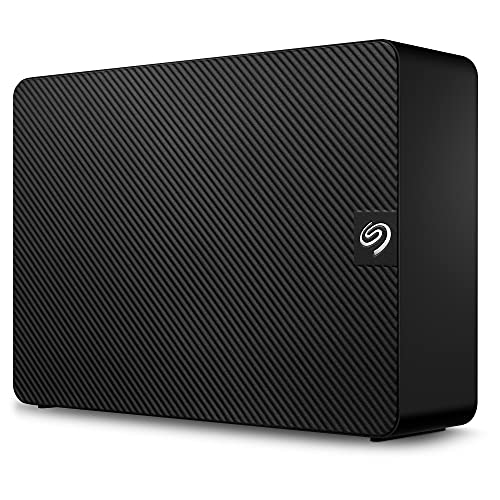
- 4TB desktop storage for sessions and backups
- Automatic recognition on Windows and Mac
- Drag-and-drop use with included recovery service
Best For: Home studio users needing simple desktop storage
Secure Portable Session Vault
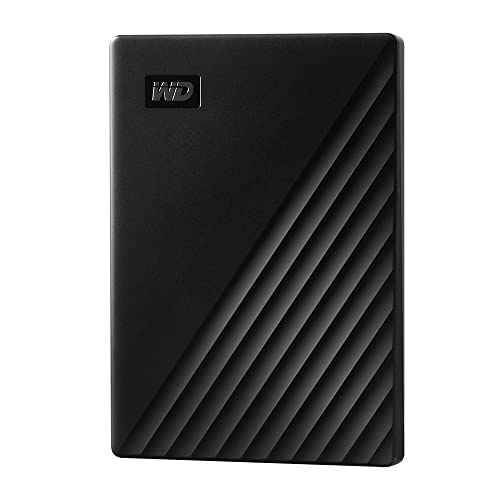
- 2TB portable drive with slim carry-friendly design
- Password protection and hardware encryption
- Included backup software with ransomware defense
Best For: Producers needing secure portable backups
Rugged Reliability

- 4TB capacity for sessions, backups, and media
- USB-C connection for modern Mac and PC setups
- Drop, shock, dust, and rain resistance
Best For: Mobile producers who need durable portable storage
Simple Budget Storage

- 2TB portable drive for basic project storage
- Plug-and-play setup with no software needed
- Windows-ready, but Mac reformatting is required
Best For: Affordable storage for smaller music projects
High-Capacity Workhorse
- 4TB of space for project files and backups
- Small, lightweight enclosure for portability
- USB 3.2 Gen 1 / USB 3.0 plug-and-play use
Best For: Users who need simple high-capacity storage
Ultra-Slim Portable Pick
Maxone 1TB Slim External Drive

- 0.4-inch aluminum body stays cool and quiet
- USB 3.0 with up to 5 Gbit/s transfer speed
- Plug-and-play with no external power needed
Best For: portable backup and light project storage
Best Heavy-Duty Pick
WD Elements 2TB Portable Drive

- 2TB capacity for sessions, exports, and backups
- USB 3.2 Gen 1 / USB 3.0 plug-and-play support
- Small, lightweight design for easy carrying
Best For: producers needing a simple larger-capacity storage drive
Budget Compact Option
Aiolo Innovation 500GB Slim Drive

- Quiet, ultra-thin portable design
- USB 3.0 with up to 133MB/s read speed
- Includes USB to Type-C adapter
Best For: small project files and portable backup use
Studio-Grade Desktop Archive – LaCie d2 Professional 10TB
If you need external hard drives for music production and want a roomy desktop unit for active projects and archives, the LaCie d2 Professional is built for that role. Its 10TB capacity, 7200 RPM enterprise-class drive, and USB-C/Thunderbolt 3 support make it a practical match for editors and producers working from SSD-based laptops or all-in-one systems.
Best For: Producers who want a high-capacity desktop drive for storing sessions, sample libraries, and long-term archives.
Pros:
- 10TB capacity gives you plenty of room for large audio libraries and project backups.
- Up to 240MB/s read speeds help with moving and archiving large files efficiently.
- USB-C and Thunderbolt 3 compatibility makes it easy to connect to modern computers.
- Aluminum enclosure helps reduce noise and vibration for a desktop setup.
Cons:
- Desktop design means it is less convenient for mobile sessions than a portable drive.
- Requires a fixed workspace and is best suited to stationary use.
For music production workflows that prioritize capacity and dependable desktop performance, this LaCie is a strong archival and project-storage choice. The enterprise-class drive and five-year warranty add confidence if you keep a lot of creative work in one place.
Portable Library Backup – WD Elements Portable 5TB
For music production setups that need simple, portable storage, the WD Elements Portable offers a straightforward way to carry sessions and backups between computers. Its 5TB capacity and plug-and-play USB 3.2 Gen 1 connection make it easy to use when you need extra room without a complicated setup.
Best For: Producers who want a lightweight portable drive for moving projects and backups between studio and home.
Pros:
- 5TB capacity gives you solid room for project files, stems, and backups.
- Portable 2.5-inch design keeps the drive easy to carry.
- Plug-and-play setup simplifies getting started right away.
- USB 3.2 Gen 1/USB 3.0 compatibility supports easy connection to Mac and PC.
Cons:
- Read speed is listed at 50MB/s, so it is better for storage than demanding live editing.
- Shorter 2-year warranty than some desktop alternatives.
This is a practical pick if you need external hard drives for music production and value portability over maximum speed. It is especially useful as a backup or transfer drive for sessions that move between locations.
Budget Desktop Project Drive – Seagate Expansion Desktop 4TB
The Seagate Expansion Desktop is a no-fuss option for music production storage when you want a desktop drive that is simple to set up and use. With 4TB of capacity, automatic recognition on Windows and Mac, and drag-and-drop file handling, it suits producers who mainly need an easy project and backup drive.
Best For: Home studio users who want an easy desktop drive for storing and backing up sessions.
Pros:
- 4TB capacity is useful for session files, sample folders, and backups.
- Automatic recognition on Windows and Mac makes setup easy.
- Drag-and-drop use keeps file management simple.
- Includes data recovery service for added peace of mind.
Cons:
- Desktop form factor is less portable than 2.5-inch drives.
- 5400 RPM speed is more storage-focused than performance-focused.
If you are looking for external hard drives for music production and want a reliable, easy desktop backup option, this Seagate fits well. It is best treated as a straightforward storage hub rather than a fast-editing workspace.
Secure Portable Session Vault – WD My Passport 2TB
The WD My Passport is a compact portable option for music production when you want to keep projects close at hand and protected. Its slim design, password protection, hardware encryption, and included backup software make it a practical choice for carrying important session files and creative assets.
Best For: Producers who want a small encrypted drive for portable backups and session transport.
Pros:
- Compact 2TB portable design is easy to carry between locations.
- Password protection and hardware encryption help secure sensitive project files.
- Included backup software adds a layer of convenience and ransomware defense.
- USB 3.1/USB 3.0 compatibility keeps it broadly compatible with modern systems.
Cons:
- 2TB capacity is smaller than some larger desktop or portable alternatives.
- Best suited to backups and transport rather than large archive libraries.
For producers who prioritize security and portability, this WD drive is a sensible everyday storage tool. It is a good fit if your main need is protecting and moving smaller music projects rather than housing a massive sample collection.
Rugged Reliability – LaCie Rugged USB-C 4TB
If you need external hard drives for music production that can travel safely between the studio, rehearsal space, and laptop bag, this LaCie Rugged USB-C drive is built for that kind of use. Its 4TB capacity leaves room for session files, stems, and backups, while the drop-, shock-, dust-, and rain-resistant design adds peace of mind for mobile workflows.
Best For: Producers and musicians who want a portable, durable 4TB drive for moving large project libraries between Mac or PC systems.
Pros:
- 4TB of storage for large audio projects, backups, and media files
- USB-C connectivity for modern laptops and desktops
- Drop, shock, dust, and rain resistance for tougher travel conditions
- Compatible with both Mac and PC
Cons:
- Mechanical hard drive design is not as fast as SSD options
- At 5400 rpm, it is better for storage than heavy real-time workloads
Overall, this is a strong pick if durability matters as much as capacity. It suits music producers who need dependable portable storage more than maximum speed.
Simple Budget Storage – Toshiba Canvio Basics 2TB
Toshiba Canvio Basics 2TB Portable External Hard Drive USB 3.0, Black - HDTB520XK3AA
Check Price On AmazonFor straightforward external hard drives for music production, the Toshiba Canvio Basics keeps things simple: plug it in, add storage, and get back to work. Its 2TB capacity is useful for smaller project libraries, sample folders, and everyday backups, and the plug-and-play design makes it easy to use on a Windows PC.
Best For: Budget-minded users who want easy external storage for smaller music libraries and backup needs.
Pros:
- Simple plug-and-play setup with no software to install
- 2TB capacity for project files and basic backup storage
- USB 3.0 and USB 2.0 compatibility
- Portable, low-profile design with a matte finish
Cons:
- Pre-formatted for Windows, so Mac users need to reformat it
- 2TB may feel limited for larger sample libraries and archives
This is a practical no-frills option if you mainly need affordable storage rather than advanced features. It works best as a simple secondary drive for everyday music production files.
High-Capacity Workhorse – WD Elements 4TB
If you want external hard drives for music production that prioritize capacity and easy setup, the WD Elements 4TB is a practical fit. It offers plenty of room for tracks, stems, sample packs, and backups, and the small, lightweight enclosure makes it easy to carry between a desktop and a laptop-based setup.
Best For: Producers who need a simple 4TB drive for storing large music libraries and project backups.
Pros:
- 4TB capacity for music files, video, documents, and backups
- Small, lightweight portable design
- USB 3.2 Gen 1 / USB 3.0 support for fast everyday transfers
- Plug-and-play expandability for quick setup
Cons:
- Mechanical drive design is less suited to speed-focused workflows than SSDs
- Best described as a storage-first solution, not a performance upgrade
For musicians who mainly need a dependable place to keep large libraries and backups, this WD drive is an easy recommendation. It is simple, portable, and offers a lot of space for the price class.
Ultra-Slim Portable Pick – Maxone 1TB Slim External Drive
If you want external hard drives for music production that stay out of the way on a crowded desk, the Maxone 1TB focuses on portability and simple USB 3.0 use. Its all-aluminum, 0.4-inch design is built to run cool and quiet, and the plug-and-play setup makes it easy to add extra storage for project files, samples, and backups.
Best For: Producers who need a slim, lightweight drive for portable project storage and quick plug-and-play setup.
Pros:
- Ultra-slim 0.4-inch metal design is easy to carry and keeps things cool and quiet.
- USB 3.0 support offers up to 5 Gbit/s transfer speeds for faster file movement.
- Plug-and-play operation means no external power or software installation.
- Includes a 3-year manufacturer warranty with free technical support.
Cons:
- 1TB capacity may be limiting if you store large sample libraries or many high-resolution session backups.
- 5400 rpm mechanical drive is not the fastest option available.
For basic studio expansion, this Maxone drive is a practical, no-fuss option. It fits best as a mobile backup or secondary storage drive rather than a heavy-duty main sample library drive.
Best Heavy-Duty Pick – WD Elements 2TB Portable Drive
For external hard drives for music production, the WD Elements 2TB is the straightforward capacity-first choice in this group. Its small, lightweight enclosure and USB 3.2 Gen 1/USB 3.0 support make it easy to move files between systems, while the plug-and-play design keeps setup simple for storing music, videos, photos, and documents.
Best For: Producers who want a simple, higher-capacity portable drive for everyday session storage and backups.
Pros:
- 2TB capacity gives more room for sessions, exports, and backup copies.
- USB 3.2 Gen 1 (5Gbps) / USB 3.0 support keeps transfers practical and easy.
- Small, lightweight build makes it convenient to carry.
- Plug-and-play expandability simplifies setup on compatible systems.
Cons:
- Mechanical 5400 rpm design is not aimed at high-performance editing workflows.
- Details list a 3.5-inch form factor, so it is less compact than typical ultra-portable drives.
This WD model makes sense when you need more breathing room than a 500GB or 1TB drive can offer. It is best used as a dependable storage expansion drive rather than a premium-speed production scratch disk.
Budget Compact Option – Aiolo Innovation 500GB Slim Drive
If you are comparing external hard drives for music production on a tighter budget or for lighter file loads, the Aiolo Innovation 500GB drive is the compact option here. It is built for quiet operation, uses USB 3.0 for fast transfers, and includes a USB to Type-C adapter, which can be useful when connecting to a wider range of modern setups.
Best For: Producers who want a small, quiet drive for limited project storage and portable use.
Pros:
- Quiet, ultra-thin design helps keep a studio workspace distraction-free.
- USB 3.0 transfer support is rated up to 110MB/s-133MB/s read and 103MB/s write in the supplied notes.
- Includes a USB to Type-C adapter for added connection flexibility.
- Lightweight and pocket-friendly for portable use.
Cons:
- 500GB capacity is the smallest in this roundup and may fill quickly with larger music projects.
- Mechanical 5400 rpm drive is better for basic storage than demanding workflows.
This Aiolo drive works best as a compact utility drive for smaller sessions, transfers, and backups. If your production library is growing quickly, you may want more capacity, but it remains a simple and portable starting point.
How We Picked These External Hard Drives for Music Production
We prioritized drives that fit real studio workflows: stable performance for large audio files, enough capacity for multitrack sessions and sample libraries, straightforward plug-and-play use, and a form factor suited to either desktop or mobile work. We also considered warranty coverage, portability, and features that help protect important project files.
Quick Comparison
Desktop drives generally offer more capacity and better value per terabyte, making them a smart choice for dedicated studio backups and large libraries. Portable drives are easier to carry between sessions and are often better for laptop-based producers or live rigs. If your work involves moving sessions frequently, durability matters as much as raw capacity.
Key Buying Factors for External Hard Drives for Music Production
Capacity
Modern sample libraries, stems, and archived sessions grow quickly. For many producers, 2TB is a minimum starting point, while 4TB or more is better for long-term storage. If you keep multiple DAW libraries, virtual instruments, and mix revisions, larger capacity reduces constant cleanup.
Speed and Workflow
Most external hard drives use HDD technology, which is fine for backup, archive storage, and many project files. For active work, look for a drive with dependable USB 3.x connectivity and consider using it for project storage rather than your main system drive. If you regularly run heavy sample libraries, faster storage can improve load times, but these picks are aimed at budget-friendly hard-drive options.
Portability and Durability
Portable models suit producers who travel or swap between studio and home. Rugged options are especially useful for location work, live performance, or shared studio environments where drops and bumps are more likely.
Compatibility
Check whether the drive is ready for Windows, Mac, or both. Some drives work plug-and-play across systems, while others may need formatting before use. If you split time between computers, compatibility is a major convenience factor.
Backup and Security Features
Backup software, password protection, and warranty support can make a real difference when your sessions are valuable. For music production, the best external storage is not only about holding files; it’s about making recovery simple if something goes wrong.
Who Should Buy Which External Hard Drives for Music Production?
Choose a desktop drive if you need maximum capacity for archives, sample packs, and full project backups. Pick a portable drive if you record on the move, collaborate often, or want an easy transport option for sessions. Rugged portable drives are best for creators who need extra protection, while basic budget models work well as secondary backup storage for finished projects.
If you’re building a dependable studio setup, focus on the mix of capacity, portability, and protection that matches your workflow instead of chasing the lowest price alone.