When you’re moving large footage libraries, backing up active projects, or duplicating drives for on-set or studio workflows, speed and reliability matter. The best duplicators save time and reduce the risk of bottlenecks during post-production.
This roundup focuses on hard drive duplicators for video editing that can handle modern SSDs, large-capacity HDDs, and practical creator workflows without adding unnecessary complexity.
Best 10 Hard Drive Duplicators for Video Editing Picks for 2026
Dual-Bay USB 3.0 Cloner Dock
SABRENT EC-HD2B Dual Bay SATA Cloner
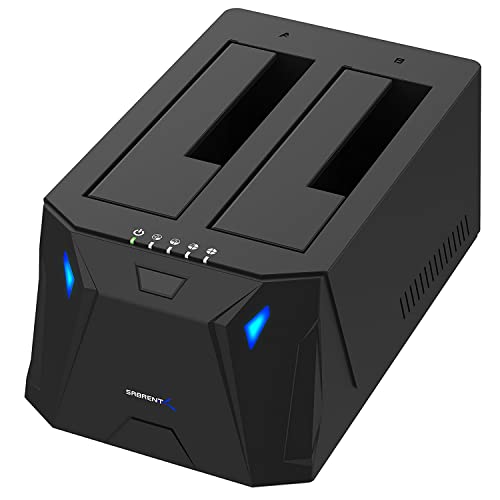
- Supports 2.5"/3.5" SATA HDDs and SSDs
- Offline cloning works without a computer
- USB 3.0 plug-and-play design
Best For: Editors who need a simple SATA dock and offline cloner
NVMe-to-SATA Bidirectional Duplicator
StarTech NVMe to SATA Duplicator Dock

- Clones NVMe to SATA and SATA to NVMe
- Standalone operation with no software needed
- USB 10Gbps and compact desktop design
Best For: Editors migrating between NVMe and SATA storage
Dual-Bay USB 3.0 Offline Cloner
ORICO DD28U3-C Dual Bay SATA Cloner

- Supports 2.5"/3.5" SATA drives up to 44TB
- Offline cloning uses a simple button press
- USB 3.0 with UASP and Trim support
Best For: Editors who need a high-capacity SATA cloner for backups
Standalone 1:1 HDD/SSD Duplicator
Systor SYS101HS-DP Standalone Duplicator

- Standalone cloning needs no computer or software
- Supports 2.5" and 3.5" SATA HDDs/SSDs
- Includes DoD-compliant drive erasure
Best For: Production teams needing cloning and secure drive wiping
Dual-Bay Offline Cloning Dock
SATA Hard Drive Cloner Dock USB-C 5Gbps

- Offline one-key cloning without a computer
- Supports 2.5-inch and 3.5-inch SATA drives
- Up to 40TB total capacity with 5Gbps USB 3.2 Gen 1
Best For: Editors who want a simple dual-bay dock for offline cloning and large media storage.
M.2 Speed Cloner
Efficient M.2 Hard Drive Duplicator for 4K Creators

- Supports M.2 cloning with flexible compatibility
- Offline cloning key keeps operation simple
- USB-C powered with heat-management vents
Best For: 4K creators and editors using M.2 SSDs who want fast, portable cloning.
Dual-Bay Dock With USB Hub
MAIWO Hard Drive Docking Station Cloner

- Offline cloning with LED progress indicators
- Supports 2.5-inch and 3.5-inch SATA HDDs and SSDs
- Includes 3 USB 3.0 hub ports plus 48TB total capacity
Best For: Editors who want a dual-bay SATA duplicator with extra USB ports for everyday workflow use.
Hybrid NVMe Cloner
Multi-Drive Heat-Controlled Cloning

- Supports 2 NVMe SSDs plus 1 SATA drive
- Offline clone works without software
- 10Gbps USB 3.2 Gen 2 transfer speed
Best For: Editors using mixed NVMe and SATA storage
SATA Clone Dock

- Dual-bay support for 2.5/3.5-inch SATA drives
- Offline cloning with no drivers needed
- UASP transfer speed up to 6Gbps
Best For: SATA-based editors needing a simple clone dock
Pro Clone/Wipe Dock

- Duplicates, erases, and docks drives
- Supports SATA and IDE SSDs/HDDs
- LCD menu with secure erase options
Best For: Editors who need cloning and secure drive wiping
Dual-Bay USB 3.0 Cloner Dock – SABRENT EC-HD2B Dual Bay SATA Cloner
If you want hard drive duplicators for video editing that are simple to use, the SABRENT EC-HD2B is a practical dual-bay dock with offline cloning and broad SATA drive support. It works with standard 2.5″ and 3.5″ SATA HDDs or SSDs, so it fits well for moving project files, cache drives, or archived footage between drives without needing extra software.
Best For: Editors who want a straightforward dual-bay SATA dock with offline cloning for everyday drive backups and transfers.
Pros:
- Supports 2.5″ and 3.5″ SATA HDDs and SSDs
- Offline cloning lets you duplicate drives without a computer
- USB 3.0 connection supports transfer speeds up to 5Gbps
- Plug-and-play design needs no drivers
Cons:
- Offline cloning speed is listed up to 60Mbps, which is modest for very large drives
- Cloning is limited to SATA drives rather than NVMe
For a simple desktop dock that doubles as a cloner, this SABRENT model covers the basics well and keeps setup easy. It makes the most sense for editors who mainly work with SATA storage and want a no-fuss way to copy or access drives.
NVMe-to-SATA Bidirectional Duplicator – StarTech NVMe to SATA Duplicator Dock
For hard drive duplicators for video editing that need to bridge old and new storage, this StarTech dock stands out with bidirectional cloning between M.2 NVMe and 2.5/3.5″ SATA drives. It is especially useful when you are moving editing projects from a legacy SATA setup to faster NVMe storage, or backing up NVMe media to a SATA SSD or HDD without using a computer.
Best For: Video editors and tech-minded users who need hostless cloning between M.2 NVMe and SATA drives.
Pros:
- Bidirectional cloning works from NVMe to SATA and SATA to NVMe
- Standalone operation requires no computer or software
- USB 10Gbps host connection supports external access and storage
- Supports M.2 2242, 2260, and 2280 NVMe drives plus standard SATA drives
Cons:
- Target disk must be equal to or larger than the source disk
- Designed around NVMe and SATA, so it is not a universal duplicator for all drive types
This is the most versatile option in the group if your workflow spans both NVMe and SATA media. It is a strong fit for editing stations that need fast cloning, drive migration, and compact desktop hardware.
Dual-Bay USB 3.0 Offline Cloner – ORICO DD28U3-C Dual Bay SATA Cloner
If you are shopping hard drive duplicators for video editing and want a dock that handles large SATA libraries, the ORICO DD28U3-C is built for 2.5″ and 3.5″ drives with offline cloning. It supports up to 44TB across the two bays, making it useful for copying media drives, backing up projects, or moving footage between SATA SSDs and HDDs without relying on a computer.
Best For: Editors who want a high-capacity dual-bay SATA dock with easy offline cloning.
Pros:
- Supports 2.5″ and 3.5″ SATA HDDs and SSDs up to 44TB total
- Offline clone function works by pressing the clone button
- USB 3.0 with UASP and Trim support up to 5Gbps
- Includes a 36W power supply and universal adapter
Cons:
- Target disk must be larger than the source disk for cloning
- Dock will not power on unless a hard drive is inserted
This ORICO dock is a solid pick when capacity and simple cloning matter more than advanced features. It is a good match for editors who need a dependable SATA hub for backups, transfers, and drive duplication across multiple devices and platforms.
Standalone 1:1 HDD/SSD Duplicator – Systor SYS101HS-DP Standalone Duplicator
Among hard drive duplicators for video editing, the Systor SYS101HS-DP is the most purpose-built standalone copier in this list. It duplicates 2.5″ and 3.5″ SATA HDDs and SSDs without a computer or software, and it also includes erasing functions for sanitizing drives after a project wraps.
Best For: Editors and production teams that need a dedicated standalone duplicator with drive erasure support.
Pros:
- Completely standalone with no computer or software required
- Copies 2.5″ and 3.5″ SATA HDDs and SSDs
- Supports duplication and DoD 5220.22-M data sanitization
- Can copy at up to 90MB per second
Cons:
- Transfer speed is lower than many USB-based docks
- Designed for SATA drives only, not NVMe or mixed interfaces
This unit is best when your priority is a dedicated hardware duplicator rather than a general-purpose dock. It is especially relevant for workflows that need both cloning and secure drive wiping in a single standalone device.
Dual-Bay Offline Cloning Dock – SATA Hard Drive Cloner Dock USB-C 5Gbps
If you need hard drive duplicators for video editing, this dual-bay SATA dock is a practical pick for moving large project libraries, backups, or media archives between 2.5-inch and 3.5-inch drives. Its 5Gbps USB 3.2 Gen 1 connection and standalone offline clone mode make it easy to copy data without tying up a computer, while the LED progress bar keeps the process easy to follow.
Best For: Editors who want a simple dual-bay dock for offline drive cloning and large media storage.
Pros:
- Offline one-key cloning works without a PC or laptop.
- Supports both 2.5-inch and 3.5-inch SATA drives with up to 40TB total capacity.
- 5Gbps USB 3.2 Gen 1 transfer support helps with faster file access and backups.
- UASP, TRIM, and S.M.A.R.T. support add useful drive-management features.
Cons:
- Designed for SATA drives only, not M.2 SSDs.
- Best suited to two-drive workflows rather than larger multi-drive arrays.
- RGB lighting and desktop styling may be unnecessary for purely utility-focused setups.
For video editing teams and creators who regularly shuttle footage between drives, this dock covers the core job well: quick cloning, broad SATA compatibility, and roomy storage capacity. It is especially useful if you want a straightforward duplicator that can also serve as a desktop media storage hub.
M.2 Speed Cloner – Efficient M.2 Hard Drive Duplicator for 4K Creators
Among hard drive duplicators for video editing, this M.2 cloner stands out if your workflow centers on fast SSD-based project drives. It supports offline cloning, claims very high transfer speed, and is built for quick slot access, making it a compact option for creators who need to swap and duplicate M.2 drives efficiently.
Best For: 4K creators and editors using M.2 SSDs who want fast, portable cloning.
Pros:
- Designed for M.2 drives with flexible compatibility across sizes and specifications.
- Offline cloning key keeps the process simple for beginners and advanced users.
- USB-C power and quick slot access suit mobile or on-set workflows.
- Built-in vents help manage heat during prolonged use.
Cons:
- Focused on M.2 drives rather than SATA HDDs or SSDs.
- No detailed capacity figure is provided in the supplied notes.
- Best fit is a single-format M.2 workflow, not mixed-drive environments.
If your editing setup relies on portable M.2 project drives, this duplicator offers a streamlined way to clone and swap storage without adding much friction. Its compact, USB-C-powered design makes it a strong fit for fast-moving creators who value speed and convenience.
Dual-Bay Dock With USB Hub – MAIWO Hard Drive Docking Station Cloner
If you want hard drive duplicators for video editing that do more than cloning, this MAIWO dual-bay dock is worth a look. It combines offline SATA duplication with a 3-port USB 3.0 hub, making it useful for editors who need to back up footage, move files, and connect extra accessories from one desktop device.
Best For: Editors who want a dual-bay SATA duplicator with extra USB ports for everyday workflow use.
Pros:
- Supports 2.5-inch and 3.5-inch SATA HDDs and SSDs.
- Offline clone mode works without a computer and includes LED progress indicators.
- Up to 48TB total capacity provides ample room for large media libraries.
- Includes 3 USB 3.0 ports, adding handy hub functionality for peripherals or flash drives.
Cons:
- Uses a USB 3.0 Type-A interface rather than USB-C.
- Listed transfer rate is 5Gbps, so it is not a high-end speed solution beyond that class.
- Built around two-drive duplication, not a larger multi-bay workflow.
For editors who want a cloning dock that doubles as a small USB hub, this model is a flexible desk companion. Its broad SATA support and large stated capacity make it especially practical for backup-heavy video workflows.
Hybrid NVMe Cloner – Multi-Drive Heat-Controlled Cloning
If you want hard drive duplicators for video editing that can move large media fast and handle different drive types, this FIDECO dock is built for flexible day-to-day workflows. It supports two M.2 NVMe SSDs plus one 2.5/3.5-inch SATA HDD/SSD, gives you offline cloning without software, and adds 10Gbps USB 3.2 Gen 2 transfer speeds for quick file access.
Best For: Editors who need a mixed NVMe and SATA dock for fast transfers and simple offline cloning.
Pros:
- Supports 2 NVMe SSDs and 1 SATA HDD/SSD in one dock.
- Offline clone modes include NVMe to NVMe and SATA to NVMe.
- 10Gbps USB 3.2 Gen 2 speed helps move large files quickly.
- Foldable cooling fan is designed to improve heat dissipation.
Cons:
- Offline cloning requires the target drive to be equal to or larger than the source.
- Clone errors are indicated by flashing blue lights, so you need to watch the status.
- It is a 3-bay dock, not a high-capacity multi-duplicate station.
This is a practical pick if your editing setup uses both NVMe and SATA storage and you want a straightforward standalone cloning workflow. The cooling fan and plug-and-play support make it especially useful for frequent file moves and backup jobs.
SATA Clone Dock – Simple Offline Copy Station
For video editing workflows centered on 2.5-inch and 3.5-inch SATA drives, this WAVLINK dock is a straightforward option among hard drive duplicators for video editing. It supports standalone offline cloning, UASP up to 6Gbps for faster transfers, and tool-free setup for quick swapping between project drives and backups.
Best For: Editors who mainly work with SATA HDDs or SSDs and want a simple dual-bay clone dock.
Pros:
- Supports 2.5-inch and 3.5-inch SATA HDD/SSD drives.
- Offline cloning is built in and works without drivers.
- UASP support reaches up to 6Gbps for faster file transfers.
- Tool-free installation and hot-swapping make drive changes easy.
Cons:
- Offline clone only works when the target drive is equal to or larger than the source.
- It does not support online cloning.
- Not compatible with M1/M2-based Macs.
This dock makes sense if your editing storage is still SATA-based and you want a reliable cloning station without extra software. It is a practical, budget-friendly style of dock for backups, duplicate working drives, and quick media transfers.
Pro Clone/Wipe Dock – Pro Wipe and Clone Dock
If your workflow calls for more than simple copying, this StarTech unit stands out among hard drive duplicators for video editing because it can duplicate, erase, and dock drives in one standalone station. It supports 2.5/3.5-inch SATA and IDE SSDs/HDDs, includes LCD menu controls, and is designed for sector-by-sector cloning or secure wiping of media drives.
Best For: Editors and IT users who need cloning plus secure drive erasing in a four-bay dock.
Pros:
- Performs standalone cloning, erasing, and drive docking.
- Supports 2.5/3.5-inch SATA and IDE SSDs/HDDs.
- LCD menu makes mode selection and drive checks simple.
- Includes Quick Erase and Secure Erase support.
Cons:
- It is limited to SATA and IDE drive types, not NVMe.
- Standalone duplication is sector-by-sector, so it is not the fastest option for every job.
- Its larger 4-bay design is more workstation-oriented than compact.
This is a strong fit when your editing gear also needs drive sanitizing and recovery-ready workflows. The combination of cloning, wiping, and multi-bay docking makes it more versatile than a basic copier.
How We Picked the Best Hard Drive Duplicators for Video Editing
We prioritized transfer speed, drive compatibility, offline cloning support, bay count, and ease of use. For video editors, the best choice is usually a unit that can clone quickly, support the drives you already use, and fit into a backup or migration workflow without needing extra software.
We also looked at build quality, capacity support, and whether a model is better suited to simple 1:1 cloning or more flexible multi-bay workflows.
Quick Comparison: Which Type Fits Your Workflow?
Single- and dual-bay docks are best for everyday editing backups, project copies, and drive swaps. They’re simple, affordable, and usually the right fit for solo editors or small teams. Multi-bay models are better when you need to duplicate or manage several drives at once, such as in shared studios or media labs.
If you work with NVMe media, make sure the unit supports your exact format. Some Hard Drive Duplicators for Video Editing are designed for SATA drives only, while others support both SATA and M.2 NVMe, which can make a big difference for modern edit bays.
Key Buying Factors for Hard Drive Duplicators for Video Editing
Cloning Speed
Faster duplication matters when you’re handling large 4K, 6K, or 8K project files. Look for published copy speeds, but also consider the drive interface; a fast dock still depends on the source and target drive performance.
Drive Format Support
Check whether the unit supports 2.5-inch and 3.5-inch SATA drives, SSDs, and M.2 NVMe drives. The right choice depends on whether you’re cloning archive HDDs, scratch SSDs, or newer high-speed media drives.
Standalone Operation
Offline cloning is useful in editing environments because it lets you duplicate drives without tying up a workstation. That keeps your computer free for encoding, ingest, or timeline work.
Capacity and Bay Count
Think about how much media you manage at once. A dual-bay unit works well for most creators, while a 4-bay duplicator is better for heavier backup routines or larger teams.
Who Should Buy Which Hard Drive Duplicators for Video Editing?
Choose a dual-bay SATA dock if you want a simple, budget-friendly tool for project backups and drive migration. Pick an NVMe-capable model if you regularly work with modern SSDs and want a future-ready setup. Go with a multi-bay duplicator if you manage multiple editors, maintain multiple archives, or need to clone drives in batches.
For most buyers, the best Hard Drive Duplicators for Video Editing balance speed, compatibility, and straightforward operation. Focus on the drive types you use most, then choose the fastest and simplest model that supports them well.