Choosing among monochrome astronomy cameras means balancing sensor size, pixel resolution, cooling, connectivity, and your telescope’s imaging scale. The right camera can improve detail, simplify guiding, and make narrowband imaging far more effective.
Our selection spans affordable guide cameras, fast planetary models, and cooled deep-sky cameras for more demanding workflows. Use the guide below to compare specifications and match each option to your telescope, targets, and processing setup.
Best 10 Monochrome Astronomy Cameras Picks for 2026
High-Sensitivity Pick
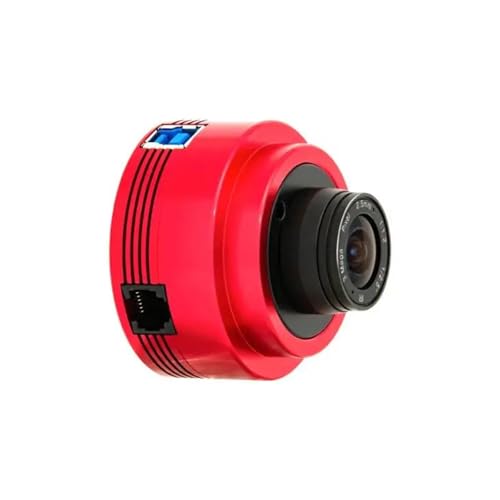
- 8.29MP monochrome CMOS sensor
- Low noise and no amp glow
- USB 3.0 with 256MB cache
Best For: Detailed monochrome and near-infrared imaging
Cooled Deep-Sky Option
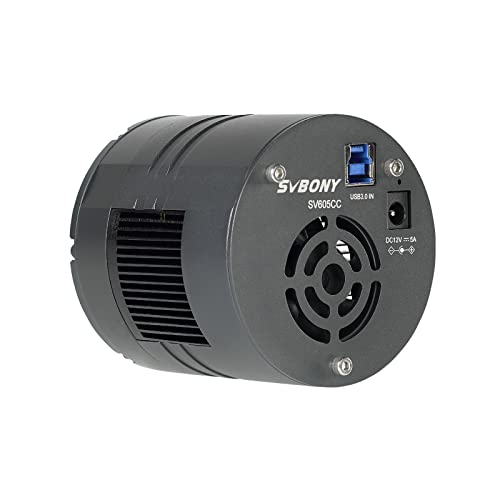
- 9MP square IMX533 color sensor
- Cooling to 30°C below ambient
- USB 3.0 and glow suppression
Best For: Cooled deep-sky and panoramic color imaging
Compact Guiding Choice

- 2.1MP monochrome CMOS sensor
- Lightweight 60g 1.25-inch body
- Up to 18.4 fps over USB 2.0
Best For: Autoguiding and compact planetary imaging
Flexible EAA Alternative

- IMX585 sensor with 3856×2180 resolution
- High claimed QE and NIR sensitivity
- USB 3.0 with C/CS lens support
Best For: EAA, planetary, and entry-level deep-sky imaging
High-Dynamic-Range Performer

- 8.29MP STARVIS 2 monochrome sensor
- Zero amp glow with TEC cooling
- Up to 47fps via USB 3.0
Best For: Cooled deep-sky and planetary imaging
Compact Guiding Specialist

- 1280×960 monochrome sensor
- 3.75μm pixels with 12-bit ADC
- Approximately 80% peak QE
Best For: Compact guiding and basic monochrome imaging
All-in-One Observatory Hub

- Imaging, guiding, and control in one system
- 256GB eMMC with external storage support
- Wi-Fi, live stacking, and cooled STARVIS 2 sensor
Best For: Streamlined phone-controlled astrophotography rigs
High-Speed Planetary Pick

- High-sensitivity IMX662 sensor
- Up to 107.6 fps in high-speed mode
- 256MB DDR3 cache with USB 3.0
Best For: Fast planetary observations in low light
Deep-Sky Detail Choice

- 26.1MP Sony IMX571 monochrome sensor
- 30–35°C below-ambient cooling
- 16-bit capture with 13.9 stops of range
Best For: High-resolution cooled deep-sky imaging
Flexible Telescope Setup
- High-sensitivity IMX662 sensor
- Adjustable eyepiece position for sharper images
- Works with reflector and refractor telescopes
Best For: Flexible lunar and planetary telescope imaging
High-Sensitivity Pick – ZWO ASI678MM
For imagers specifically comparing monochrome astronomy cameras, the ZWO ASI678MM stands out with an 8.29MP sensor, low readout noise, low dark current, and enhanced near-infrared sensitivity. Its USB 3.0 connection and built-in 256MB DDR3 cache are useful for stable long-exposure transfers.
Best For: High-resolution monochrome planetary, lunar, solar, and near-infrared imaging where low noise and reliable data transfer matter.
Pros:
- 8.29MP CMOS sensor with 4K capture and up to 47.5 frames per second.
- Hardware-level amp-glow suppression, plus low dark current and readout noise.
- Built-in HCG mode helps retain dynamic range at high gain.
- USB 3.0 and 256MB DDR3 cache help reduce dropped frames during long exposures.
Cons:
- Monochrome imaging generally requires additional filters for color workflows.
- The supplied specifications do not identify a cooling system.
The ASI678MM is a strong choice when fine detail, near-infrared response, and clean long-exposure files are more important than a simple color-camera setup.
Cooled Deep-Sky Option – SVBONY SV605CC
The SVBONY SV605CC is a cooled color camera rather than one of the monochrome astronomy cameras in this roundup, but its 9MP square IMX533 sensor makes it relevant for deep-sky buyers who prioritize cooling and broad imaging versatility. It uses USB 3.0 and two-stage semiconductor refrigeration.
Best For: Deep-sky photography, panoramic astronomy, meteor monitoring, and lucky imaging with a cooled color sensor.
Pros:
- 9MP, 3008×3008 IMX533 sensor with a square frame.
- Quantum efficiency is listed at up to 80%.
- Two-stage cooling can reach 30°C below ambient temperature.
- USB 3.0 connectivity and stated glow suppression support long-exposure imaging.
Cons:
- This is a color camera, not a monochrome model.
- Cooling and the 1.6kg listed weight may make the setup less compact.
- Some marketplace specifications, such as Wi-Fi and wall-mount details, appear unrelated to telescope use.
Choose the SV605CC if cooling and a square color frame are more useful to you than a dedicated monochrome workflow; otherwise, consider the monochrome options in this list.
Compact Guiding Choice – ZWO ASI174MM-MINI
ZWO ASI174MM-MINI 2.1 MP CMOS Monochrome Astronomy Camera with USB 2.0# ASI174MM-MINI
Check Price On AmazonThe ZWO ASI174MM-MINI is a compact monochrome camera designed for autoguiding and planetary, lunar, or solar imaging. Its 2.1MP sensor, 5.86-micron pixels, low-noise performance, and larger field of view can help guide users find suitable stars, especially with an off-axis guider.
Best For: Autoguiding, off-axis guiding, and straightforward monochrome imaging of planets, the Moon, and the Sun with a safe solar filter.
Pros:
- Large monochrome sensor and 5.86-micron pixels support a wider guide-star field.
- Compact 60g CNC aluminum body fits directly into a 1.25-inch focuser or guide scope.
- Captures up to 18.4 frames per second at maximum resolution.
- USB-powered design includes a Type-C USB connector and manufacturer software support.
Cons:
- Its 2.1MP resolution is lower than the other imaging-focused options here.
- USB 2.0 is slower than the USB 3.0 interfaces on some alternatives.
- A solar filter is required for solar viewing and is not included.
The ASI174MM-MINI is a practical, lightweight pick when guiding compatibility and a broad field of view matter more than maximum resolution or high-speed transfer.
Flexible EAA Alternative – SVBONY SV705C
The SVBONY SV705C is another color option rather than a monochrome astronomy camera, aimed at planetary imaging, EAA, lucky imaging, and entry-level deep-sky work. Its IMX585 sensor combines a 3856×2180 maximum resolution with high claimed QE, near-infrared sensitivity, and USB 3.0 connectivity.
Best For: EAA enthusiasts and beginners who want one camera for planetary imaging, lucky imaging, and entry-level deep-sky capture.
Pros:
- IMX585 sensor delivers 3856×2180 resolution and an 11.2mm×6.3mm image area.
- High full-well capacity and dual-gain HCG are designed to support dynamic range and lower read noise.
- Enhanced near-infrared sensitivity can reveal more detail at the same exposure time.
- CS mount with C-CS adapter supports compatible lenses for wider applications.
Cons:
- This is a color camera, so it does not provide a dedicated monochrome workflow.
- The supplied notes do not list active cooling.
- Its broad feature set may be unnecessary for buyers focused only on guiding.
For users who want an accessible USB 3.0 camera for EAA and several types of imaging, the SV705C offers more flexibility than a narrowly specialized monochrome guide camera.
High-Dynamic-Range Performer – ZWO ASI585MM Pro
The ZWO ASI585MM Pro is a strong choice among monochrome astronomy cameras for imagers who want cooled, high-speed performance across deep-sky, solar, lunar, and planetary work. Its 8.29MP STARVIS 2 sensor combines 2.9μm pixels, a 40ke- full well capacity, zero amp glow, and two-stage TEC cooling for cleaner long-exposure data.
Best For: Astrophotographers who want one cooled monochrome camera for both deep-sky and high-frame-rate planetary imaging.
Pros:
- 40ke- full well capacity helps preserve highlights and improve signal-to-noise performance.
- Zero amp glow and two-stage TEC cooling support clean, low-noise extended exposures.
- USB 3.0 and 512MB DDR3 cache enable up to 47fps at full resolution in high-speed mode.
- Built-in HCG mode can reduce read noise to as low as 0.7e at high gain.
Cons:
- It requires a compatible monochrome imaging setup and does not include an integrated control system.
- The listed 1/1.2-inch sensor is smaller than some larger-format astronomy sensors.
Choose this model if cooling, dynamic range, and versatility matter more than having an all-in-one imaging controller. Its combination of fast readout and low-noise performance makes it particularly adaptable.
Compact Guiding Specialist – ASI120MM Mini
The ASI120MM Mini is a straightforward option among monochrome astronomy cameras for guiding and basic imaging. Its 1280×960 sensor, 3.75μm pixels, 12-bit ADC, and approximately 80% peak QE provide a practical feature set for users who want a compact monochrome camera without the larger specifications of cooled imaging models.
Best For: Guiding setups and entry-level monochrome imaging where a compact, lower-resolution camera is sufficient.
Pros:
- 3.75μm × 3.75μm pixels suit guiding and general astronomical capture.
- 12-bit ADC provides more tonal data than lower-bit designs.
- Approximately 80% peak QE supports useful light sensitivity.
- 1280×960 resolution keeps the camera focused on essential guiding and imaging tasks.
Cons:
- Its resolution is much lower than the 8MP-plus cameras in this roundup.
- The supplied notes do not specify cooling, frame rate, or detailed connectivity beyond the model description.
This camera makes the most sense when guiding is the priority and you do not need cooled long-exposure performance or high-resolution planetary capture. It is a simpler, focused alternative for compact astronomy rigs.
All-in-One Observatory Hub – ZWO ASI585MM Air
The ZWO ASI585MM Air stands out among monochrome astronomy cameras by combining imaging, guiding, and rig control in one system. Alongside its 8MP STARVIS 2 sensor and zero-amp-glow performance, it adds 256GB eMMC storage, dual-band Wi-Fi, Bluetooth, live stacking, and multiple USB and power interfaces for a more streamlined setup.
Best For: Imagers who want phone-based control, built-in storage, guiding, and camera cooling in a single integrated system.
Pros:
- Combines imaging, guiding, and control functions in one camera system.
- 256GB eMMC storage and support for up to 1TB external storage provide substantial capture capacity.
- STARVIS 2 technology, zero amp glow, and HCG mode support clean, high-sensitivity images.
- Wi-Fi, Bluetooth, live stacking, and multiple USB and DC ports simplify rig management.
Cons:
- The integrated feature set may be unnecessary for users who already own separate control hardware.
- The supplied specifications identify the sensor as monochrome in the product name but include some inconsistent camera details, so buyers should verify the listing carefully.
- At 700g, it may add more weight than a basic standalone camera.
This is the convenience-focused choice in the group. Its built-in storage, connectivity, and control features can reduce equipment clutter, while cooling and STARVIS 2 performance keep it suitable for extended astrophotography sessions.
High-Speed Planetary Pick – ASI662MM Monochrome Camera
For shoppers comparing monochrome astronomy cameras, the ASI662MM stands out as a compact, high-sensitivity option for low-light celestial imaging and fast planetary capture. Its USB 3.0 connection and onboard memory are designed to support dependable data transfer during sessions.
Best For: Planetary observers who prioritize high frame rates and sensitivity in a compact monochrome camera.
Pros:
- IMX662 sensor offers high sensitivity and low read noise for low-light observations.
- High-speed mode can reach up to 107.6 frames per second for fast-moving planets.
- Built-in 256MB DDR3 cache and USB 3.0 support stable data transmission.
Cons:
- The supplied details list an extremely small 0.39-inch dimension, so verify the physical specifications before ordering.
- Its listed strengths favor high-speed planetary work rather than a specified large-sensor deep-sky setup.
This is a practical choice when sensitivity and rapid frame capture matter most. Confirm the camera’s fit and accessory requirements with your telescope before purchase.
Deep-Sky Detail Choice – ZWO ASI2600MM Pro
Among monochrome astronomy cameras, the ZWO ASI2600MM Pro is the most feature-rich option here for detailed imaging. It combines a 26.1MP Sony IMX571 sensor with 16-bit capture, wide dynamic range, and active cooling for demanding astrophotography workflows.
Best For: Deep-sky imagers seeking high resolution, cooled operation, and broad tonal detail.
Pros:
- 26.1MP monochrome sensor with a 23.5 × 15.7mm active area.
- Cooling reaches 30–35°C below ambient temperature to support long-exposure imaging.
- 16-bit conversion, 13.9 stops of dynamic range, and 1.0e read noise support detailed captures.
- 512MB DDR3 onboard memory buffer and compatibility with major astronomy software.
Cons:
- Full-resolution capture is listed at 3.51 fps, making it less suited to high-speed planetary video.
- Manual focus and a required computer, mount, filters, and compatible software add setup considerations.
Choose this model if resolution and cooled long-exposure performance are more important than maximum frame rate. Its specifications make it the strongest fit for a more advanced, computer-based imaging system.
Flexible Telescope Setup – ASI662MM Eyepiece Camera
This ASI662MM variant gives monochrome astronomy cameras shoppers a telescope-oriented option with a high-sensitivity IMX662 sensor, USB 3.0 connectivity, and an adjustable eyepiece position. The design is intended to work with reflector and refractor telescopes for viewing the Moon, planets, and star clusters.
Best For: Telescope users who want flexible eyepiece positioning for sharper lunar and planetary images.
Pros:
- IMX662 sensor provides high sensitivity and low read noise for celestial targets.
- Up to 107.6 fps in high-speed mode supports fast planetary observations.
- Adjustable eyepiece location can help achieve sharper images.
- Supports reflector and refractor telescopes for a range of observing applications.
Cons:
- The supplied product dimensions are only 0.39 × 0.39 × 0.39 inches, so confirm sizing and fit before purchase.
- The notes do not specify a cooling system or a large sensor for extended deep-sky imaging.
This model is appealing for users focused on lunar and planetary work who value adjustment at the telescope interface. Verify compatibility with your particular telescope and accessories before ordering.
How We Picked the Best Monochrome Astronomy Cameras
We focused on cameras that support serious astronomical imaging across several budgets and use cases. Selection criteria included monochrome sensor performance, pixel size, resolution, USB speed, cooling availability, driver and software compatibility, and suitability for planetary, lunar, guiding, or deep-sky work. We also considered practical features such as onboard memory, compact form factors, built-in guide systems, and compatibility with common astronomy control ecosystems.
Because these cameras are not interchangeable, the list includes both dedicated cooled models and simpler USB cameras. A high-resolution planetary camera may be a poor choice for long-exposure nebula imaging, while a large cooled sensor can be unnecessary for basic autoguiding.
Quick Comparison
| Best For | Recommended Type | Features to Prioritize |
|---|---|---|
| Autoguiding | Compact guide camera | High sensitivity, small size, reliable drivers |
| Moon and planets | Fast USB 3.0 camera | High frame rates, small pixels, low read noise |
| Deep-sky imaging | Cooled monochrome camera | Thermal regulation, low noise, large sensor |
| Portable imaging | Compact or integrated camera | Low power needs, simple control, onboard features |
Key Buying Factors for Monochrome Astronomy Cameras
Sensor Size and Resolution
Sensor size affects field of view, while resolution affects the amount of recorded detail. Larger sensors capture more sky but may require better-corrected optics and a larger image circle. Match the sensor to your telescope using a field-of-view calculator before buying.
Pixel Size and Sampling
Small pixels can resolve fine planetary detail when seeing conditions and telescope quality support them. Larger pixels generally provide greater per-pixel sensitivity and can be more forgiving for deep-sky setups. Aim for balanced sampling rather than simply choosing the highest megapixel count.
Cooling and Exposure Control
For long exposures, regulated cooling reduces thermal noise and makes dark-frame calibration more consistent. Uncooled cameras can still work well for lunar, planetary, and guiding applications, but cooled models are usually the better investment for repeated deep-sky imaging.
Connectivity and Software
USB 3.0 is valuable for high-frame-rate capture, particularly with planetary cameras. USB 2.0 may be sufficient for guiding and slower exposures. Confirm support for your imaging software, mount, operating system, and any control hardware before ordering.
Monochrome Workflow
Mono cameras require filters for color imaging, including luminance, red, green, blue, or narrowband filters. This adds cost and processing time but offers greater control and strong performance under light pollution, especially with narrowband filters.
Who Should Buy Which Monochrome Astronomy Cameras?
Beginners building a guiding setup should choose a sensitive, compact camera with dependable USB and software support rather than paying for a large cooled sensor. Planetary imagers should prioritize fast USB 3.0 transfer, high frame rates, and pixel size suited to their telescope. Deep-sky photographers should favor a cooled monochrome camera with low read noise, stable temperature control, and enough sensor area for their targets.
Choose a larger-format cooled model if you plan to photograph broad nebulae, galaxies, or mosaics and have optics capable of illuminating the sensor. For a portable rig or integrated control setup, a camera with built-in guiding or astronomy-computer compatibility can reduce cables and simplify field operation. Finally, budget for filters, a filter wheel, adapters, and appropriate calibration frames when comparing Monochrome Astronomy Cameras.