The best digital compound microscopes combine true optical magnification with camera-based viewing, making it easier to inspect specimens, document results, and share observations on a larger screen.
This roundup compares 10 options spanning student microscopes, trinocular laboratory models, cordless designs, and standalone digital systems for electronics and close-up inspection.
Best 10 Digital Compound Microscopes Picks for 2026
Best Value Digital Compound Microscope
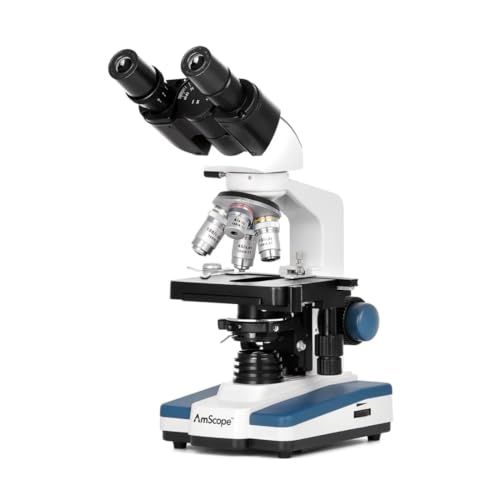
- 40X–2500X magnification
- 5MP USB camera included
- Five-year manufacturer warranty
Best For: Students, classrooms, and budget-conscious lab users
Best for Coin Inspection

- 7-inch built-in LCD screen
- 12MP camera with 1080P video
- Metal stand and 16GB card included
Best For: Coin collectors, hobbyists, and electronics inspection
Best Research-Ready Bundle
SWIFT SW350T Trinocular Microscope

- Trinocular digital-imaging port
- 40X–2500X research-grade optics
- 200-piece slide bundle included
Best For: Labs, clinics, STEM education, and advanced users
Most Versatile All-in-One

- Five interchangeable lenses
- 2160P HDMI video output
- 7-inch display and 32GB card
Best For: Home labs, electronics repair, coins, and biological slides
Economical Digital Lab Pick
AmScope B120C-E1 Binocular Microscope
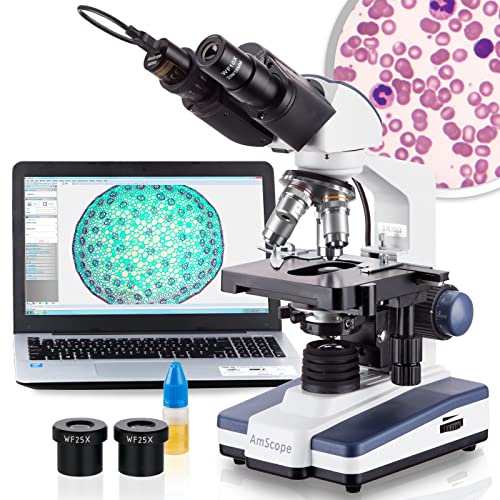
- 40X–2500X magnification
- Includes 1.0MP USB camera
- Binocular LED design
Best For: Students, educators, and value-focused lab users
Advanced Trinocular Option
Woehrsh 40X–5000X Laboratory Microscope

- 40X–5000X magnification
- HD USB camera and trinocular head
- Dual mechanical stage with lab kit
Best For: Adult learners and laboratory-oriented users
Portable Student Choice
AmScope M150C-E-A Cordless Microscope
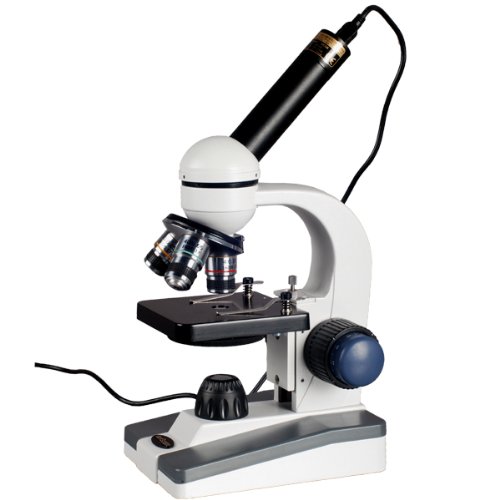
- Up to 1000X magnification
- Wall-power or battery operation
- Includes USB camera imager
Best For: Students and beginners needing flexible placement
Best Traditional Digital Value
AmScope 40X-1000X Monocular Microscope

- Sturdy all-metal construction
- USB camera for Windows and Mac
- Windows software adds measurement and imaging tools
Best For: Middle and high school computer-based projects
Best Binocular Comfort

- Wide-angle binocular viewing
- Dual LED illumination
- Mechanical stage and coaxial focus controls
Best For: Students and hobbyists who prefer hands-on binocular observation
Best Value Digital Compound Microscope – AmScope B120 Series
The AmScope B120 Series is an economical choice among digital compound microscopes for students, educators, and working professionals. Its binocular design, 40X–2500X magnification range, LED illumination, and included 5MP USB camera support both hands-on viewing and digital image capture.
Best For: Students, classrooms, basic laboratory work, and professionals seeking an affordable camera-equipped compound microscope.
Pros:
- Broad 40X–2500X magnification range with achromatic objectives
- Bright, daylight-balanced LED illumination with a fly-eye lens
- Includes a 5MP USB camera and professional imaging software
- Backed by a five-year manufacturer warranty
Cons:
- Requires a laptop for the included camera system
- Corded electric operation limits placement flexibility
Choose this model when you want a conventional binocular compound microscope with useful digital documentation features without moving into a higher-priced research setup.
Best for Coin Inspection – TOMLOV DM9 Digital Microscope
The TOMLOV DM9 takes a more accessible approach to digital compound microscopes and close-up inspection, using a built-in 7-inch screen instead of requiring eyepieces. Its 12MP camera, 1080P video, adjustable lighting, and included storage make it practical for coins, electronics, jewelry, and general hobby work.
Best For: Coin collectors, DIY enthusiasts, electronics inspection, demonstrations, and everyday close-up viewing.
Pros:
- Built-in 7-inch LCD screen supports comfortable shared viewing
- 12MP camera captures photos and 1080P video
- Stable metal base and adjustable 8.5-inch stand help reduce shaking
- Includes 16GB storage and Windows/Mac computer connectivity
Cons:
- Its digital magnification format is better suited to surface inspection than traditional biological compound microscopy
- Included documentation indicates a maximum of 1200X, below several compound-microscope options here
This is a strong pick for hobbyists who value an integrated display and straightforward recording more than traditional slide-based optical microscopy.
Best Research-Ready Bundle – SWIFT SW350T Trinocular Microscope
The SWIFT SW350T is a research-oriented option among digital compound microscopes, pairing a trinocular head with a 2.0MP USB camera and software for Windows and Mac. Its achromatic optics, mechanical stage, 40X–2500X range, and large slide-and-cover-slip bundle make it ready for structured educational or laboratory work.
Best For: Research laboratories, clinics, STEM education, university students, and advanced biological observation.
Pros:
- Trinocular port allows digital imaging while viewing through both eyepieces
- Professional software supports measurement, image stitching, and extended depth of field
- Includes 4X, 10X, 40X, and 100X oil achromatic objectives
- Comes with 100 blank slides and 100 glass cover slips
Cons:
- More specialized and elaborate than needed for casual inspection
- Camera resolution is 2.0MP, lower than some dedicated inspection cameras
- Requires corded operation and a compatible computer for digital imaging
Its simultaneous viewing and imaging workflow, precise mechanical stage, and included consumables make the SW350T particularly suitable when documentation and repeatable specimen handling matter.
Most Versatile All-in-One – Andonstar AD266S
The Andonstar AD266S stands out among digital compound microscopes for its broad multi-lens design. It combines biological slide viewing, coin inspection, and soldering support with a 7-inch display, 2160P HDMI video, Windows measurement software, and separate lighting options for different types of work.
Best For: Home laboratories, students, electronics repair, coin collecting, biological demonstrations, and users who want one system for varied subjects.
Pros:
- Five lenses cover coins, plants, slides, and soldering applications
- Captures 2160P UHD video and outputs to an HDMI monitor
- Metal integrated stand and X-Y stage support steadier high-magnification work
- Includes prepared biological slides, 32GB card, lighting, and accessories
Cons:
- Multiple lenses and accessories create a more involved setup
- Professional measurement software is specified for Windows PC connection
- Its stated magnification ranges vary substantially by lens and display output
Select the AD266S when versatility is the priority. Its lens selection and included accessories make it more adaptable than a microscope designed only for traditional biological slides.
Economical Digital Lab Pick – AmScope B120C-E1 Binocular Microscope
If you want digital compound microscopes for student work, laboratory use, or clinic settings, the AmScope B120C-E1 combines binocular viewing with 40X–2500X magnification. Its included 1.0MP USB camera adds basic computer-based image capture and analysis.
Best For: Students, educators, and professionals who need broad magnification and included digital connectivity.
Pros:
- 40X–2500X magnification supports varied specimen work.
- Binocular Siedentopf head provides two-eye viewing.
- LED fly-eye illumination is bright and daylight-balanced.
- Includes a 1.0MP USB camera and Windows microscopy software.
Cons:
- The included camera is limited to 1.0MP resolution.
- Its corded 110V design is less flexible than a battery-powered model.
The B120C-E1 is a practical digital compound microscope for buyers prioritizing versatility and value. It is especially appealing when a camera and software are required from the outset.
Advanced Trinocular Option – Woehrsh 40X–5000X Laboratory Microscope
Among digital compound microscopes, this Woehrsh trinocular model stands out for its 40X–5000X range, dual mechanical stage, and included HD USB camera. Its adjustable viewing components and achromatic objectives are aimed at more demanding educational and laboratory applications.
Best For: Adult learners, teaching labs, biological testing, and users who want a trinocular setup with extensive accessories.
Pros:
- Offers a wide 40X–5000X magnification range.
- Trinocular head and HD USB camera support shared or computer-based viewing.
- Dual mechanical stage and coaxial coarse/fine focusing aid specimen control.
- Includes slides, coverslips, specimens, tools, and protective packaging.
Cons:
- The large accessory package may be more than casual users need.
- Its corded power design may limit placement flexibility.
- The supplied details do not specify the camera’s resolution.
This model is the most feature-oriented choice in the group, pairing high maximum magnification with a trinocular configuration. It makes the most sense for buyers who will use the mechanical stage, camera port, and included lab supplies.
Portable Student Choice – AmScope M150C-E-A Cordless Microscope
The AmScope M150C-E-A is a student-focused option among digital compound microscopes, with five magnification settings up to 1000X and an included USB camera imager. Its battery capability makes it useful when you need more placement flexibility than a conventional corded microscope.
Best For: Students and beginners who want a sturdy microscope with computer imaging and wall-power or battery operation.
Pros:
- Battery-powered operation supports cordless use.
- 360-degree rotatable monocular head offers flexible positioning.
- Coaxial coarse/fine focus and LED illumination simplify routine viewing.
- Includes a digital USB camera for snapshots or video on a computer.
Cons:
- Its 1000X maximum magnification is lower than the other listed models.
- Monocular viewing may be less comfortable for extended observation than binocular viewing.
- The software compatibility listed is limited to Windows XP, Vista, and 7.
The M150C-E-A is a sensible entry-level digital compound microscope when portability and straightforward controls matter more than maximum magnification. Its all-metal frame and included camera add useful value for student projects.
Best Outdoor Learning Kit – 40X-2500X Digital Microscope with Screen
For families and classrooms seeking digital compound microscopes with a built-in viewing screen, this OOZSTAR kit combines broad magnification options with a 4.3-inch display and 5-megapixel camera. Battery operation, a phone holder, and included lab accessories make it especially flexible for hands-on exploration.
Best For: Children, homeschoolers, and beginner students who want a portable microscope kit with extensive accessories.
Pros:
- 4.3-inch display supports a more comfortable shared viewing angle.
- Includes a 5-megapixel camera, phone holder, slides, specimens, and lab tools.
- Can run from a data-cable power connection or batteries for outdoor use.
- Offers multiple magnification settings using wide-angle eyepieces and achromatic objectives.
Cons:
- The large accessory bundle may be more than casual users need.
- The supplied notes describe battery use but do not specify battery type or runtime.
- Its educational focus may be less suited to advanced laboratory work.
This is a practical starter package when screen-based observation, portability, and included materials matter more than a specialized professional setup.
Best Traditional Digital Value – AmScope 40X-1000X Monocular Microscope
This AmScope is a straightforward choice among digital compound microscopes for students who want a conventional monocular design with computer capture. Its all-metal frame, rotating head, LED illumination, and USB camera provide a practical foundation for school observations and image-based projects.
Best For: Middle and high school students using Windows or Mac computers for microscope photography and video.
Pros:
- 360-degree rotating head and five magnification levels reach up to 1000X.
- All-metal framework provides a sturdy platform.
- USB 2.0 camera supports photos and videos on Windows and Mac.
- Windows software includes capture, recording, stitching, EDF, and measurement features.
Cons:
- Maximum magnification is lower than the other listed models.
- Advanced software features are specified for Windows, while Mac support is noted for the camera.
- It uses corded electric power, with the notes also mentioning battery-powered LED illumination.
Choose this model if computer connectivity and a durable, familiar microscope format are priorities, particularly for student projects that benefit from software-assisted image capture.
Best Binocular Comfort – 40X-2500X Compound Microscope
For buyers comparing digital compound microscopes with a more traditional optical viewing experience, this Herwicm compound microscope emphasizes binocular comfort and mechanical control. It pairs wide-angle eyepieces with dual LED lighting, coaxial focusing, and a two-layer mechanical stage for detailed specimen work.
Best For: Students, adult beginners, and hobbyists who prefer binocular viewing and hands-on stage adjustments.
Pros:
- Ultra-wide-angle binocular eyepieces are designed for a broad, comfortable field of view.
- Dual top-and-bottom LED lighting supports different specimen observations.
- Coaxial coarse and fine focus controls allow quicker, more precise adjustments.
- Large mechanical stage includes a spiral moving scale for positioning samples.
Cons:
- The supplied details do not mention a built-in camera or computer connection.
- It is corded electric, limiting portability compared with battery-capable options.
- The 40X-2500X range may be more capability than casual users require.
This model is a strong fit for users who value comfortable two-eye observation and mechanical controls, but shoppers seeking image capture should verify whether a separate digital camera is needed.
How We Picked These Digital Compound Microscopes
We selected models that represent the main ways buyers use Digital Compound Microscopes: classroom biology, home laboratory work, specimen documentation, electronics inspection, and collaborative viewing. We considered optical magnification ranges, camera resolution, display or computer connectivity, focusing controls, stage design, illumination, viewing comfort, and overall suitability for the intended user.
Magnification numbers are not the only measure of performance. A well-aligned optical system, useful working distance, steady mechanical stage, bright illumination, and accurate focusing can matter more than an unusually high maximum rating. We also separated traditional compound microscopes with digital cameras from screen-first digital microscopes, since they serve different purposes.
Quick Comparison
| Best For | Look For | Most Suitable Type |
|---|---|---|
| School and beginner biology | Simple controls, binocular viewing, LED lighting | Student compound microscope |
| Shared viewing and documentation | Trinocular head, USB or HDMI camera | Research-style digital microscope |
| Electronics and repair | Large working distance, adjustable stand, screen output | Digital inspection microscope |
| Home labs and specimen study | Mechanical stage, 40X–2500X range, fine focus | Binocular or trinocular compound model |
| Portable or flexible use | Battery operation, built-in display, compact controls | Cordless or standalone digital model |
Key Buying Factors for Digital Compound Microscopes
Optical Magnification and Objectives
For slides and prepared specimens, a 4X, 10X, 40X, and 100X objective set provides a practical range. Advertised totals such as 2500X or 5000X can exceed the useful resolving power of the optics, so prioritize clarity and contrast over maximum numbers.
Camera, Display, and Connectivity
Check whether the camera is included, its stated resolution, and how it connects. USB models are convenient for computer capture, while HDMI systems can provide low-latency viewing on a monitor. Built-in screens are useful for quick inspection but may offer fewer measurement, storage, and editing features than computer software.
Stage and Focusing Controls
A two-layer mechanical stage makes it easier to position a slide precisely. Coaxial coarse and fine focus is preferable for repeated work, while a stable stand helps prevent vibration during high-magnification imaging.
Lighting and Viewing Comfort
Adjustable LED illumination should provide even light without excessive glare. Binocular heads are generally more comfortable for extended sessions than monocular designs, while trinocular heads are valuable when you want to view through eyepieces and record images at the same time.
Who Should Buy Which Digital Compound Microscopes?
Students and families: Choose a binocular student model with straightforward controls, built-in LED lighting, and a useful camera rather than chasing the highest claimed magnification.
Teachers and hobbyist researchers: A mechanical stage, binocular head, and USB camera offer a strong balance of comfortable observation and digital documentation.
Advanced users and laboratories: Choose a trinocular compound microscope with a stable stage, fine focusing, interchangeable objectives, and a camera matched to your imaging workflow.
Repair and electronics users: A screen-based digital microscope with a generous working distance and adjustable stand is often more practical than a slide-focused compound microscope.
Mobile users: Cordless or integrated-display models make sense when portability and quick setup matter more than advanced computer imaging.