A router with detachable antennas gives you more control over coverage, placement, and future upgrades than a fixed-antenna design. The right choice depends on your internet plan, home size, wireless standard, and whether you need features such as gaming controls, VPN support, or cellular connectivity.
We compared 10 options spanning Wi-Fi 5, Wi-Fi 6, Wi-Fi 7, and 4G LTE designs to help you find a practical match for your network without paying for features you will not use.
Best 10 Wi Fi Router with Detachable Antennas Picks for 2026
Reliable Wi-Fi 6 Value
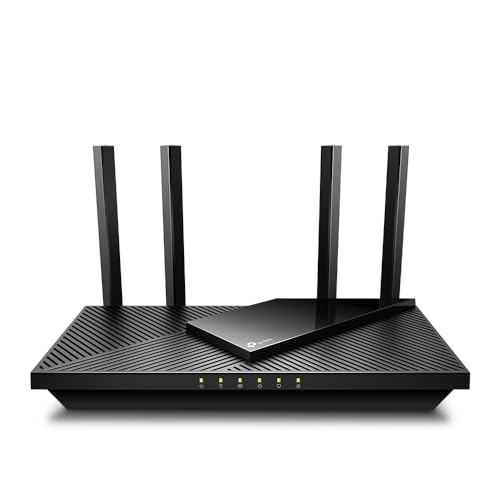
- Wi-Fi 6 up to 1.8 Gbps combined
- Four fixed high-gain antennas with beamforming
- OpenVPN and PPTP VPN server support
Best For: Affordable home Wi-Fi 6 networking
Power User Pick

- Retractable antennas and Wi-Fi 6 up to 6 Gbps
- Dual 2.5G ports plus four 1G ports
- OpenWrt, WireGuard, OpenVPN, and AdGuard Home
Best For: Gaming, DIY networking, and multi-gig homes
Cooling-Focused Coverage
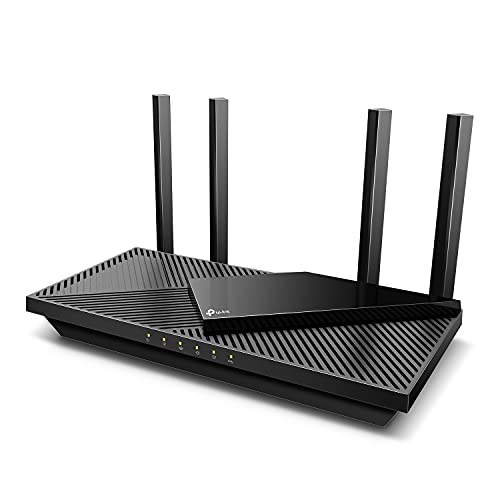
- Wi-Fi 6 up to 2,976 Mbps combined
- Four fixed external antennas with beamforming
- HomeShield security and VPN support
Best For: Busy homes needing coverage and device capacity
Best Overall

- Three detachable amplified antennas
- 1,500 sq. ft. coverage for up to 25 devices
- Four Gigabit ports and USB 3.0
Best For: Balanced home networking with flexible wired and wireless connections
Best Value

- Four external Beamforming antennas
- Four Gigabit LAN ports and MU-MIMO
- WPA3, AP mode, and OneMesh support
Best For: Affordable home Wi-Fi with strong wired connectivity
Best Cellular Option

- Four interchangeable SMA antenna connectors
- Wi-Fi 6 with 4G LTE Cat 12
- Dual-SIM, failover, and Multi-WAN support
Best For: Remote or backup internet using cellular and external antennas
Balanced Wi-Fi 6 Pick

- Wi-Fi 6 with MU-MIMO and OFDMA
- Four external antennas and five Gigabit ports
- AiProtection, parental controls, and VPN features
Best For: Multi-device homes wanting an affordable Wi-Fi 6 upgrade
Next-Generation Speed Pick
TP-Link Archer BE230 Wi-Fi 7 Router

- Wi-Fi 7 with Multi-Link Operation and 4K-QAM
- Two 2.5Gbps ports plus three Gigabit LAN ports
- Internal fixed antennas and no 6GHz band
Best For: High-speed homes prioritizing Wi-Fi 7 and 2.5Gbps networking
Detachable-Antenna Classic
Linksys WRT1900AC Wireless Router

- Four external adjustable detachable antennas
- Dual-band Wireless-AC with beamforming
- Gigabit, USB 3.0, eSATA, and open-source support
Best For: Advanced users who specifically need removable external antennas
Reliable Wi-Fi 6 Value – TP-Link Archer AX21
If you’re shopping for a wi fi router with detachable antennas, note that the Archer AX21 uses four fixed high-gain antennas instead. It delivers dual-band Wi-Fi 6 with up to 1.8 Gbps combined speed, OFDMA for handling multiple devices, and beamforming to help direct signal toward devices farther away.
Best For: Homes that want an affordable, straightforward Wi-Fi 6 upgrade for streaming, gaming, and everyday connected devices.
Pros:
- Wi-Fi 6 supports greater capacity and reduced congestion.
- Four high-gain antennas and beamforming support broad, reliable coverage.
- Includes OpenVPN and PPTP VPN server support.
- Works with major internet providers and supports Alexa control.
Cons:
- Antennas are fixed rather than detachable.
- It is dual-band and does not support the 6 GHz band.
- A separate modem is required for most internet services.
The Archer AX21 is a practical choice when dependable Wi-Fi 6 features matter more than antenna customization. Its gigabit ports, app management, and coverage-focused design make it a sensible general-purpose router.
Power User Pick – GL.iNet Flint 2 Gaming Router
For shoppers comparing a wi fi router with detachable antennas, the Flint 2 stands out for its retractable antenna design and enthusiast-focused features. This dual-band Wi-Fi 6 router offers up to 6 Gbps, eight-stream connectivity, dual 2.5G ports, and pre-installed OpenWrt.
Best For: Gamers, DIY network users, and households with many devices that need multi-gig wired connectivity and advanced VPN options.
Pros:
- Retractable antennas provide a more adjustable design than fixed-antenna routers.
- Dual 2.5G ports and four 1G ports support fast wired networking.
- WireGuard and OpenVPN speeds are rated up to 900 Mbps and 880 Mbps.
- Supports more than 100 devices and AdGuard Home filtering.
Cons:
- Firmware should be updated during initial setup for best performance.
- Its advanced features may be more than casual users need.
- Actual wireless and VPN speeds depend on network conditions and providers.
Flint 2 is the strongest fit here for users who specifically want flexible antennas alongside serious networking controls. Its OpenWrt foundation, multi-gig ports, and VPN performance make it particularly appealing for gaming and home-lab setups.
Easy Wi-Fi 7 Upgrade – NETGEAR Nighthawk RS90
If you want a wi fi router with detachable antennas, the Nighthawk RS90 is worth checking for its newer Wi-Fi 7 standard, although its four antennas are fixed. It provides up to 3.6 Gbps across the 2.4 GHz and 5 GHz bands, supports up to 50 devices, and covers up to 2,000 square feet under suitable conditions.
Best For: Busy households seeking simple app-based management and a current-generation Wi-Fi 7 router for streaming, calls, gaming, and smart-home devices.
Pros:
- Wi-Fi 7 supports faster, more responsive wireless networking than Wi-Fi 6.
- Up to 2,000 square feet of stated coverage and support for up to 50 devices.
- Nighthawk app provides guided setup, speed tests, device pausing, and guest networks.
- Includes one 2.5G port and four gigabit ports.
Cons:
- Antennas are fixed, not detachable.
- It is dual-band and does not include the 6 GHz band.
- Larger or multi-story homes may need an Orbi mesh system.
The RS90 prioritizes easy setup and modern wireless performance over antenna experimentation. It is a good match for households that want a compact Wi-Fi 7 step-up managed through a familiar mobile app.
Cooling-Focused Coverage – TP-Link Archer AX55
When evaluating a wi fi router with detachable antennas, keep in mind that the Archer AX55 has four fixed external high-gain antennas. It combines Wi-Fi 6 with up to 2,976 Mbps total data rate, OFDMA, beamforming, and a redesigned cooling system intended to help maintain performance during sustained use.
Best For: Families and home users who need reliable dual-band Wi-Fi for simultaneous streaming, gaming, video feeds, and smart-home devices.
Pros:
- Four external high-gain antennas and beamforming support extended coverage.
- Wi-Fi 6 OFDMA helps multiple clients share bandwidth efficiently.
- Supports VPN server and VPN client functions.
- HomeShield includes basic network security, parental controls, QoS, and reports.
Cons:
- Antennas are fixed rather than detachable.
- It is a dual-band router without 6 GHz support.
- A modem is required for most internet providers.
The Archer AX55 is a well-rounded choice for a busy home network, especially if coverage and device handling are higher priorities than removable antennas. Its cooling design and built-in security features add practical value for everyday use.
Best Overall – NETGEAR Nighthawk R6700
The NETGEAR Nighthawk R6700 is a practical choice if you want a Wi-Fi router with detachable antennas for a medium-size home. Its AC1750 dual-band design, four Gigabit Ethernet ports, Beamforming+, and support for up to 25 devices make it suited to everyday streaming, gaming, and smart-home use.
Best For: Homes needing balanced wireless performance, wired connectivity, and USB storage or printer sharing.
Pros:
- Three detachable, amplified antennas with Beamforming+ support
- Up to 1,500 square feet of coverage and 25 connected devices
- Four Gigabit Ethernet ports plus a USB 3.0 port
- Includes guest Wi-Fi, firewall, VPN support, and a 30-day Armor trial
Cons:
- Uses Wi-Fi 5 rather than Wi-Fi 6
- NETGEAR Armor and Smart Parental Controls trials require continued service after 30 days
The R6700 stands out for combining detachable antennas, useful wired ports, and broad home-network features. It is a strong fit for buyers who want a conventional dual-band router with flexible connectivity.
Best Value – TP-Link Archer A6 AC1200
The TP-Link Archer A6 is a budget-friendly alternative for shoppers seeking a Wi-Fi router with detachable antennas, although its four external antennas are fixed according to the supplied specifications. It offers AC1200 dual-band speeds, four Gigabit LAN ports, MU-MIMO, and Beamforming for everyday home use.
Best For: Homes wanting affordable dual-band Wi-Fi, strong wired connectivity, and an easy path to OneMesh expansion.
Pros:
- Four external antennas with Beamforming technology
- Four Gigabit LAN ports support wired devices and faster internet plans
- MU-MIMO helps serve multiple devices on the 5GHz band
- Supports WPA3, AP mode, and OneMesh extender expansion
Cons:
- Antennas are listed as fixed, not detachable
- Wi-Fi 5 performance is below newer Wi-Fi 6 routers
The Archer A6 is worth considering when antenna count and value matter more than antenna replacement. Its security, AP mode, and OneMesh support add flexibility for a straightforward home setup.
Best Cellular Option – GL.iNet Spitz Plus GL-X2000
The GL.iNet Spitz Plus GL-X2000 is a specialized Wi-Fi router with interchangeable SMA antenna connectors for cellular networking. Its Wi-Fi 6 radios, 4G LTE Cat 12 modem, dual-SIM support, and Multi-WAN features make it useful where wired broadband is unavailable or unreliable.
Best For: Rural, mobile, backup, or remote setups that need cellular connectivity and external antenna flexibility.
Pros:
- Four interchangeable SMA connectors support external antennas
- Wi-Fi 6 wireless speeds rated up to 3,000 Mbps on a local network
- Dual-SIM support with network failover and AT&T and T-Mobile certification
- Supports Ethernet, repeater, cellular, and tethering connections
Cons:
- Cellular function is limited in certain listed countries and regions
- Only one Ethernet port is listed
- Cellular performance depends on carrier coverage and local conditions
The GL-X2000 is not a typical cable or fiber router, but its interchangeable SMA connectors are especially relevant when external cellular antennas are needed. Multi-WAN, VPN tunneling, and dual-SIM failover make it the most adaptable option for demanding remote-network scenarios.
Balanced Wi-Fi 6 Pick – ASUS RT-AX1800S
If you want a Wi-Fi router with detachable antennas and modern network features, the ASUS RT-AX1800S combines Wi-Fi 6 performance with four external antennas, five Gigabit ports, and subscription-free security tools. Its MU-MIMO and OFDMA support is designed to handle multiple connected devices efficiently.
Best For: Homes that need a capable Wi-Fi 6 router for streaming, gaming, smart-home devices, and everyday multi-device use.
Pros:
- Four external antennas and Wi-Fi 6 support with MU-MIMO and OFDMA.
- Five Gigabit ports, including one WAN and four LAN ports.
- AiProtection Classic, parental controls, built-in VPN features, and AiMesh compatibility.
Cons:
- Actual coverage and throughput vary with building materials, traffic, and other environmental conditions.
- It is a dual-band router rather than a tri-band model.
The RT-AX1800S is a practical middle-ground option for buyers who want external antennas, Wi-Fi 6 efficiency, and useful security features without moving to a more specialized router.
Next-Generation Speed Pick – TP-Link Archer BE230 Wi-Fi 7 Router
The TP-Link Archer BE230 is a Wi-Fi router with detachable antennas in concept, but its four antennas are internal and fixed. Its appeal is Wi-Fi 7 performance, including Multi-Link Operation, 4K-QAM, two 2.5Gbps ports, and coverage rated for up to 2,000 square feet and 60 devices.
Best For: Households with faster-than-Gigabit networking needs, many connected devices, and interest in Wi-Fi 7 features.
Pros:
- Wi-Fi 7 features include Multi-Link Operation, Multi-RUs, and 4K-QAM.
- Includes one 2.5G WAN/LAN port, one 2.5Gbps LAN port, and three 1Gbps LAN ports.
- Supports EasyMesh, TP-Link HomeShield, parental controls, and Tether app management.
Cons:
- Its four antennas are internal and fixed, so it does not meet a strict detachable-antenna requirement.
- It is dual-band and does not support the 6GHz band.
- A separate modem is required.
Choose the Archer BE230 for its wired networking headroom and Wi-Fi 7 capabilities, not for antenna adjustability. It is a strong fit when high-speed ports and newer wireless standards matter more than removable antennas.
Detachable-Antenna Classic – Linksys WRT1900AC Wireless Router
For shoppers specifically seeking a Wi-Fi router with detachable antennas, the Linksys WRT1900AC is the clearest match here. It includes four external, adjustable, detachable antennas, simultaneous dual-band Wireless-AC, beamforming, and a 1.2GHz dual-core ARM processor.
Best For: Small offices, multi-level homes, and advanced users who value adjustable antennas, wired Gigabit connectivity, USB storage sharing, and open-source readiness.
Pros:
- Four external, adjustable, dual-band detachable antennas.
- Dual-band speeds rated up to 600Mbps on 2.4GHz and 1300Mbps on 5GHz.
- Includes four Gigabit Ethernet ports, USB 3.0, eSATA, beamforming, and network-management tools.
- Open-source ready for users who want extensive customization.
Cons:
- Uses older Wi-Fi 5 rather than Wi-Fi 6 or Wi-Fi 7.
- Its supplied notes list compatibility with 802.11ac only.
The WRT1900AC remains a compelling choice when detachable antennas are the priority. Its older wireless standard may limit future-proofing, but the adjustable antenna design, strong wired connectivity, storage ports, and customization options give it unusual flexibility.
How We Picked the Best Wi Fi Router with Detachable Antennas
We focused on routers with removable or replaceable external antennas, then compared their wireless standards, advertised speeds, wired ports, coverage features, security tools, and setup options. The lineup includes mainstream home routers, higher-performance gaming models, a Wi-Fi 7 option, and a cellular router for locations where fixed broadband is unavailable or unreliable.
Advertised throughput is a best-case figure, not a guaranteed internet speed. Real performance depends on your service plan, client devices, wall construction, interference, firmware, and network configuration.
Quick Comparison
| Best For | What to Look For |
|---|---|
| Everyday households | Wi-Fi 6, gigabit Ethernet, and reliable coverage |
| Gaming and power users | Multi-gigabit ports, traffic controls, and strong processing hardware |
| Future-proofing | Wi-Fi 7 support and multi-gigabit wired connectivity |
| Budget networks | Dual-band Wi-Fi and enough Ethernet ports for wired devices |
| Rural or backup internet | 4G LTE support, SIM compatibility, and external cellular antennas |
Key Buying Factors for a Wi-Fi Router with Detachable Antennas
Wireless Standard and Speed
Wi-Fi 6 is a strong choice for most homes because it improves efficiency in busy networks and works well with newer phones, laptops, and streaming devices. Wi-Fi 7 is worth considering if you already own compatible hardware or want a longer upgrade cycle. Older Wi-Fi 5 models can still be suitable for basic plans and smaller households.
Coverage and Antenna Flexibility
Detachable antennas can help with positioning, replacement, and selected range-extender or higher-gain upgrades, but compatibility matters. Check the connector type, supported frequency bands, and manufacturer guidance before purchasing replacement antennas. A mesh system may be a better solution than stronger antennas for homes with multiple floors or heavy obstructions.
Ports, VPNs, and Security
Count the Ethernet ports you need for computers, consoles, smart-home hubs, and network storage. Multi-gigabit ports matter for fast broadband and local file transfers. Also consider automatic updates, parental controls, guest networking, VPN support, and whether advanced security features require a subscription.
Who Should Buy Which Wi Fi Router with Detachable Antennas?
Choose a mainstream TP-Link, ASUS, or NETGEAR Wi-Fi 6 model for everyday browsing, streaming, video calls, and smart-home devices. Pick a gaming-oriented GL.iNet router if you want stronger wired connectivity, advanced network control, or VPN flexibility. A Wi-Fi 7 TP-Link or NETGEAR model makes the most sense for demanding users planning to keep the router for several years.
For a lower-cost connection, an older Wi-Fi 5 router may be sufficient on modest broadband plans. If you need internet in a rural property, vehicle, temporary workspace, or as a broadband backup, the GL.iNet LTE model is the specialized option to consider. Before buying, verify your ISP requirements, expected coverage, antenna compatibility, and the return policy in case real-world signal performance differs from expectations.