If you’re shopping for chemistry sets for beginners, the best choice is usually the one that matches a child’s age, attention span, and comfort level with instructions and setup.
Below, we focus on kits that balance fun experiments with clear guidance, safer materials, and enough variety to keep new learners engaged.
Best 10 Chemistry Sets for Beginners Picks for 2026
Classic Starter Lab
Thames & Kosmos Chem C1000 Beginner Set

- 125 hands-on experiments
- Real lab equipment and 7 chemicals
- 80-page full-color manual
Best For: Older beginners ages 10+ who want a serious first chemistry lab
Big Variety Kit
UNGLINGA 150 Experiments Science Kit

- 150 experiments across science topics
- Easy-to-follow illustrated manual
- Includes lab tools and kid-friendly materials
Best For: Kids who want a wide mix of hands-on science activities
Updated Chemistry Lab
Thames & Kosmos Chem C1000 V2.1

- 125 hands-on chemistry experiments
- 30 durable lab tools included
- 80-page guided manual with safety basics
Best For: Ages 10+ seeking a structured, real-lab starter kit
Playful Science Lab
80 Experiment Science Kit for Kids

- 80 beginner-friendly science experiments
- Includes goggles and lab-style tools
- Step-by-step guidance card
Best For: Younger kids who want a simple, playful intro to science
Beginner Chemistry Starter Kit
Thames & Kosmos Chemistry C500

- 28 guided chemistry experiments
- Full-color 48-page instruction manual
- Includes beakers, test tubes, pipettes
Best For: First-time learners who want a structured introduction
Multi-Science Value Pick
National Geographic Mega Science Lab
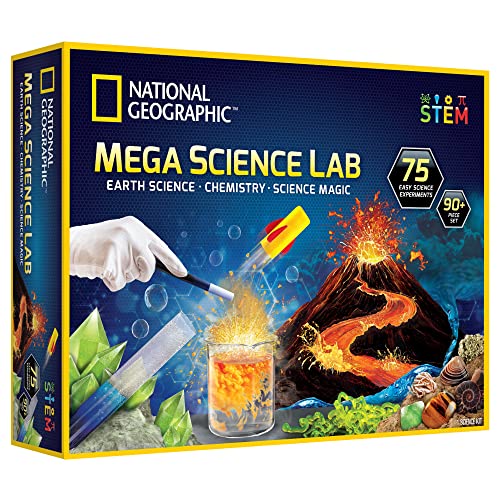
- 75 experiments across three science kits
- Chemistry, earth science, and science magic
- Includes household-item bonus activities
Best For: Kids 8-12 who want variety beyond chemistry
Hands-On Lab Station
Thames & Kosmos Ooze Labs Chemistry Station

- 20 non-hazardous chemistry experiments
- Large functional lab-station design
- 57 pieces plus manual and experiment cards
Best For: Kids who want a realistic, guided lab experience
Hands-On Starter Pick
National Geographic Chemistry Set with 45 Experiments for Kids 8-12

- 45 beginner-friendly chemistry experiments
- Volcano, geyser, and rocket activities
- Illustrated instructions and STEM focus
Best For: Kids ages 8-12 who want an engaging first chemistry kit
Young Learner Choice
National Geographic Junior Chemistry Set with 50 Experiments

- 50 experiments for early learners
- 20+ child-safe lab tools included
- Illustrated instructions with household ingredients
Best For: Ages 4-6 starting out with chemistry
Big Variety Pick
National Geographic Amazing Chemistry Set with 100+ Experiments

- Over 100 experiment ideas total
- Real lab tools like beakers and pipettes
- Crystal growing and reaction activities
Best For: Kids ages 8-12 who want the biggest experiment variety
Classic Starter Lab – Thames & Kosmos Chem C1000 Beginner Set
If you’re comparing chemistry sets for beginners, this Thames & Kosmos kit stands out for treating science like a real lab experience instead of a toy-only activity. It includes 125 hands-on experiments, real equipment, and a full-color manual that walks young learners through safety, setup, and the science behind each result.
Best For: Ages 10+ who are ready for a more serious first chemistry set with real tools and structured guidance.
Pros:
- 125 experiments spread across 10 themed chapters.
- Includes professional-style lab gear such as test tubes, beakers, funnels, and safety goggles.
- 80-page illustrated manual explains the science step by step.
- Covers a wide range of topics, from indicators and surface tension to electrolysis and food chemistry.
Cons:
- Requires adult supervision.
- Best suited to older beginners rather than very young children.
- Some experiments depend on proper safety and waste-disposal handling.
This is a strong pick if you want a beginner set that feels like the start of a real chemistry journey. It offers both variety and structure, making it especially appealing for families who want an educational kit with depth.
Big Variety Kit – UNGLINGA 150 Experiments Science Kit
For families browsing chemistry sets for beginners, this UNGLINGA kit is built around variety and easy, guided play. It mixes chemistry, physics, earth science, and simple maker-style activities in one set, with an illustrated manual that keeps the projects approachable at home.
Best For: Kids who enjoy lots of different science activities and want an experiment-heavy starter kit.
Pros:
- Includes 150 experiments for plenty of repeat play.
- Step-by-step manual makes the activities easier to follow.
- Comes with lab tools and kid-friendly materials.
- Covers multiple science topics, not just chemistry.
Cons:
- Listed educational objective is creative skills rather than chemistry-focused learning.
- Some projects may rely on household items in addition to the kit contents.
- Materials are geared more toward broad science fun than a formal lab setup.
This is a good choice if you want a broad, activity-packed science kit instead of a more specialized chemistry course. It offers lots of experiments and a playful style, which may be ideal for keeping younger learners engaged.
Updated Chemistry Lab – Thames & Kosmos Chem C1000 V2.1
If you want chemistry sets for beginners with a more polished presentation, this Chem C1000 V2.1 kit keeps the core strengths of the line: 125 real experiments, safe guided instruction, and lab tools that make the activities feel authentic. It is designed to introduce kids and teens to chemistry in a clear, hands-on way.
Best For: Ages 10+ who want a structured beginner chemistry set with real lab-style tools.
Pros:
- 125 interactive chemistry experiments.
- Includes 30 durable tools such as test tubes, pipettes, and safety goggles.
- 80-page color manual explains setup, safety, and science concepts clearly.
- Supports hands-on learning with real chemicals and guided procedures.
Cons:
- Adult supervision is still recommended for use.
- Best suited to older kids and teens rather than younger beginners.
- Focused on chemistry, so it is less broad than some multi-science kits.
Overall, this is a dependable pick for buyers who want a beginner chemistry set with clear instruction and a more laboratory-like feel. It is especially appealing if you want a kit that balances fun experiments with serious learning.
Playful Science Lab – 80 Experiment Science Kit for Kids
For shoppers looking at chemistry sets for beginners, this kit leans into fun, colorful experiments that are easy to try at home. It includes 80 science activities, a guidance card for step-by-step learning, and a broad mix of tools and materials for hands-on exploration.
Best For: Younger kids who want an entry-level science kit with simple, playful experiments.
Pros:
- 80 experiments give kids lots of activities to try.
- Includes goggles, test tubes, droppers, measuring tools, and other science accessories.
- Scientific guidance card explains steps and basic principles.
- Uses a mix of science play themes like volcanoes, rainbow effects, and balloon activities.
Cons:
- More of a general science kit than a focused chemistry set.
- Age guidance is broad, and younger children may still need close help.
- Listed item dimensions are unusually generic, so presentation details are limited.
This kit makes sense if your priority is easy, engaging science play rather than a more advanced lab experience. It offers plenty of activities for beginners and has a friendly, experiment-first format that can help build confidence.
Beginner Chemistry Starter Kit – Thames & Kosmos Chemistry C500
If you want chemistry sets for beginners that explain the basics clearly, this Thames & Kosmos kit is a strong entry point. It includes 28 guided experiments covering acids and bases, fizzing reactions, invisible ink, and changes between solids, liquids, and gases, all supported by a full-color 48-page manual.
Best For: Kids who want a straightforward first chemistry kit with guided, classic experiments.
Pros:
- 28 hands-on experiments provide a broad introductory tour of chemistry.
- Guided manual gives simple setup instructions and clear explanations of results.
- Includes familiar lab items like beakers, test tubes, pipettes, and stoppers.
- Covers colorful acid-base reactions, foamy effects, and invisible ink.
Cons:
- Experiment count is lower than some larger multi-kit options.
- Designed for indoor, manual use rather than open-ended play.
Overall, this is a practical beginner choice if you value instruction and clear chemistry concepts over sheer volume. It feels well suited to first-time learners who benefit from a structured, step-by-step approach.
Multi-Science Value Pick – National Geographic Mega Science Lab
For chemistry sets for beginners that offer a lot of variety, this National Geographic Mega Science Lab stands out. It combines chemistry with earth science and science magic, giving kids 75 experiments total, including bubbling reactions, a gas-powered rocket, gooey worms, crystals, volcanoes, and more.
Best For: Kids ages 8-12 who want a big, varied science kit with chemistry plus bonus activities.
Pros:
- Three kits in one: earth science, chemistry, and science magic.
- 75 total experiments, including 30 using common household items.
- Includes hands-on chemistry activities like bubbling reactions and pop crystal fireworks.
- Also adds rocks, minerals, crystals, and a real fossil for collection.
Cons:
- Not focused solely on chemistry, so beginners seeking a pure chemistry kit may prefer a narrower set.
- Some activities rely on household items, so setup may vary by experiment.
This is a strong pick if you want maximum variety and a kit that keeps beginners moving from one type of experiment to another. It works especially well for kids who like mixing chemistry with hands-on science discovery.
Hands-On Lab Station – Thames & Kosmos Ooze Labs Chemistry Station
This Thames & Kosmos kit is a good fit if you want chemistry sets for beginners with a more interactive lab feel. It includes a large, functional chemistry station and 20 non-hazardous experiments such as safe slime, chromatography, acids and bases, glowing slime, fizzing reactions, and oozing bubbles.
Best For: Young scientists who want a realistic lab-style setup with safe chemistry activities.
Pros:
- Large chemistry station makes the experience feel like a real lab.
- 20 non-hazardous experiments focus on safe, beginner-friendly chemistry.
- Includes 57 pieces such as beakers, flasks, pipettes, and test tubes.
- Printed experiment cards and a 16-page manual help guide the process.
Cons:
- Fewer experiments than larger multi-science kits.
- The lab-station format may take up more space than simpler starter kits.
As a beginner chemistry set, this one is best for kids who learn by doing and enjoy a more immersive setup. The combination of safe materials, clear guidance, and a real lab-style station makes it especially engaging.
Hands-On Starter Pick – National Geographic Chemistry Set with 45 Experiments for Kids 8-12
If you want chemistry sets for beginners that feel exciting without being overwhelming, this National Geographic kit is a solid fit for kids who are ready for more structured experiments. It focuses on classic crowd-pleasers like a volcano eruption, geyser, and rocket activities, while keeping the steps kid-friendly and easy to follow.
Best For: Kids ages 8-12 who want a beginner chemistry kit with lots of hands-on experiments and clear instructions.
Pros:
- Includes 45 experiments with popular activities like volcanoes, geysers, and rockets.
- Easy-to-follow guide uses illustrations and explains the reactions.
- Designed to teach chemistry fundamentals and safe experiment habits.
- No batteries required.
Cons:
- Best suited to older beginners rather than very young kids.
- Some experiments may need extra household items or setup.
This is a practical choice if you want a beginner-friendly chemistry kit with enough variety to stay engaging over time. It balances simple instruction with more active STEM-style projects.
Young Learner Choice – National Geographic Junior Chemistry Set with 50 Experiments
Among chemistry sets for beginners, this junior kit is aimed at younger kids who are just starting to explore science with simple materials and guided activities. It pairs 50 hands-on experiments with more than 20 kid-friendly lab tools, making it a strong option for early learning and first-time chemistry play.
Best For: Ages 4-6 who need a beginner chemistry set with simple instructions and child-safe tools.
Pros:
- Includes 50 hands-on experiments for early science exploration.
- Comes with 20+ durable, child-safe lab tools.
- Uses common household items like baking soda and vinegar.
- Fully illustrated instructions help young kids follow along.
Cons:
- Geared toward younger children, so older kids may outgrow it quickly.
- Some experiments depend on household ingredients being on hand.
This kit makes chemistry feel approachable for preschool and early elementary learners. It is especially appealing if you want a guided, age-appropriate introduction rather than a more advanced science set.
Big Variety Pick – National Geographic Amazing Chemistry Set with 100+ Experiments
If you are comparing chemistry sets for beginners and want the most variety, this National Geographic kit stands out with over 100 experiment ideas. It includes real tools like test tubes, beakers, and pipettes, plus a mix of crystal growing and colorful reaction activities that keep the learning hands-on.
Best For: Kids ages 8-12 who want a beginner chemistry kit with lots of experiments and real lab tools.
Pros:
- Over 100 experiment ideas, including 15 included chemistry experiments and 85 bonus activities.
- Uses real scientific tools like test tubes, beakers, and pipettes.
- Includes eye-catching activities such as crystal growing and color-changing reactions.
- Bonus guide uses common household items for extra experiments.
Cons:
- Most appropriate for older beginners rather than very young children.
- The larger experiment count may feel less focused if you want a simpler starter kit.
This is a strong pick for families who want a beginner chemistry set with room to grow. The mix of included materials and bonus household experiments gives kids plenty to do after the first few activities are complete.
How We Picked These Chemistry Sets for Beginners
We looked for sets that make first-time science exploration approachable: clear instructions, age-appropriate experiments, strong educational value, and a mix of classic chemistry activities such as reactions, crystals, slime, and simple lab-style observation. We also favored kits with reusable tools and a good experiment count so they offer more than a one-time novelty.
Quick Comparison
The right Chemistry Sets for Beginners usually fall into a few buckets. Some are best for structured learning with a parent or older child, especially larger lab-style kits with manuals and real equipment. Others are better for younger kids who want quick, playful activities with less setup. A few kits lean toward broader STEM play and include chemistry alongside physics, earth science, or science-magic style projects.
Key Buying Factors for Chemistry Sets for Beginners
Age Range and Difficulty
Start with the age recommendation, then consider whether the child can follow multi-step directions. Beginners do best with experiments that finish quickly and don’t require advanced measuring or long waiting periods.
Safety and Materials
Look for non-hazardous or kid-friendly materials, but still plan on adult supervision. Good chemistry kits should clearly explain what’s included, what needs to be supplied at home, and how to handle cleanup.
Instructions and Learning Support
A strong manual matters as much as the experiment count. The best Chemistry Sets for Beginners include step-by-step directions, illustrations, and explanations that connect each activity to a basic science concept.
Experiment Variety and Reusability
Variety helps prevent boredom. Kits with crystals, reactions, color changes, and simple lab tools usually keep kids interested longer. Reusable equipment also improves long-term value, especially if you plan to expand into home science projects later.
Who Should Buy Which Chemistry Sets for Beginners?
Choose a more structured lab kit if you want a classic educational experience with a stronger parent-guided learning angle. Pick a lighter, more playful set if you’re buying for younger children, gift-giving, or a first exposure to science. If you want the broadest value, look for Chemistry Sets for Beginners that combine multiple experiment types and include durable tools you can use again.
In short, the best choice is the kit that fits the child’s age, curiosity, and patience level, while giving you enough safety guidance and experiment depth to make every session feel worthwhile.