Choosing the right ear model can make anatomy easier to understand, especially when students need to see how the outer, middle, and inner ear connect.
These picks focus on clarity, durability, and teaching value so you can choose a model that fits classroom demonstrations, lab study, or exam prep.
Best 10 Ear Anatomy Models for Students Picks for 2026
Teaching Demo Pick
1.5x Human Ear Model with Base

- 1.5x enlarged for classroom visibility
- Shows outer, middle, inner ear and balance organs
- Arrives assembled with base and English chart
Best For: Teachers and students needing a simple demo model
Inner Ear Study Focus

- 8x enlarged for close inner ear study
- Cut-open cochlear cover reveals internal structure
- Shows cochlea, canals, vestibule, saccule, and utricle
Best For: Medical learners focused on inner ear anatomy
Compact Desktop Display
1.5x Ear Anatomy Model on Base

- 1.5x enlarged for clearer viewing
- Shows outer, middle, inner ear and balance organ
- Pre-installed on a stable display base
Best For: Compact classroom or office demonstrations
Premium Detailed Learning Aid
Human Ear Anatomy Model for Medical Study
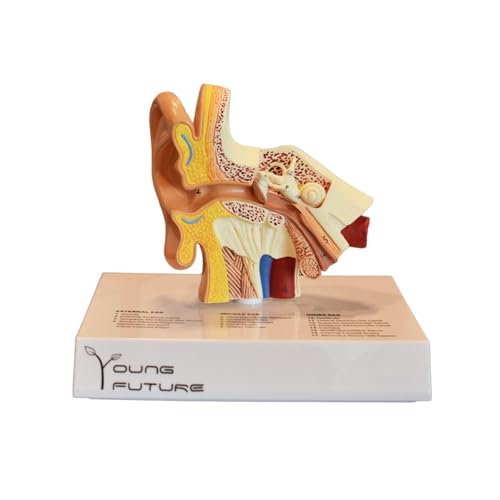
- 3D model for outer, middle, and inner ear study
- Detachable parts and labeled base aid learning
- Compact PVC build for classroom or desk use
Best For: Students and educators needing a detailed desktop ear model
Magnified Teaching Model
Helivivfy 1.5X Human Ear Anatomy Model

- 1.5X magnification makes small details easier to see
- Color-coded outer, middle, and inner ear sections
- Washable PVC build with sturdy base
Best For: Clear demonstrations and anatomy communication
Large Interactive Classroom Pick
SFXYJ 3X Enlarged Human Ear Model

- 3X size improves visibility in lessons
- Shows cochlea, labyrinth, and ear sections
- Two removable sections for hands-on study
Best For: Classroom demos and detailed anatomy teaching
Life-Size Clinical Ear Model
Human Ear Anatomy with Removable Base

- Life-size ear anatomy for clearer student study
- Color-coded parts include middle and inner ear structures
- Removable components and sturdy base support demos
Best For: Medical classrooms, clinics, and anatomy students
Enlarged 4-Part Study Model

- 3X enlarged model improves visibility for study
- Splits into 4 parts with cochlear and labyrinth detail
- Non-toxic PVC with base for teaching and display
Best For: Classroom study, research, and display
Portable Teaching Ear Model
1.5X Ear Joint Simulation Model

- 1.5X magnification gives a clear learning view
- Shows outer, middle, inner ear and balance organs
- Washable PVC with pre-installed base for display
Best For: Medical students, teachers, and lab instruction
Teaching Demo Pick – 1.5x Human Ear Model with Base
If you’re comparing ear anatomy models for students, this 1.5x ear model is a straightforward choice for classroom demos and desk-side teaching. It shows the outer, middle, and inner ear, along with balance organs, in a clear one-piece PVC format that’s easy to display and handle.
Best For: Teachers, clinic staff, and students who want a simple, ready-to-display ear model for demonstrations.
Pros:
- 1.5 times enlarged for easier visibility during teaching
- Shows outer ear, middle ear, inner ear, and balance organs
- Arrives assembled with a base for desktop display
- Washable eco-friendly PVC material and includes an English chart
Cons:
- Not removable or separable into parts
- Less detailed than multi-part models for advanced study
This is a practical pick if you want a compact, durable teaching aid rather than a complex dissection-style model. Its main strength is clear overview anatomy in a finished display format.
Inner Ear Study Focus – 8X Inner Ear Labyrinth Model
For students focusing on inner ear anatomy, this 8x labyrinth model gives a much closer look at the cochlea, semicircular canals, and vestibule. It is designed as a detailed study and display aid, with a cut-open cochlear cover that helps reveal internal structures more clearly.
Best For: Medical students and anatomy learners who need an enlarged inner ear model for close study.
Pros:
- 8x enlarged inner ear labyrinth for detailed viewing
- Two-part design includes a cut-open cochlear cover
- Shows cochlea, semicircular canal, vestibule, saccule, and utricle
- Made from non-toxic PVC and hand painted for fine detail
Cons:
- Only covers the inner ear, not the full ear structure
- Better for focused study than general introductory teaching
This model makes sense when the lesson centers on the labyrinth rather than the full ear. The enlarged format and open sections are especially useful for anatomy classes and patient explanations.
Multi-Part Classroom Choice – 3X Ear Anatomy Model with Manual
This 3x ear anatomy model is a strong option for ear anatomy models for students who want more detail than a basic display piece. Its separable 4-part design makes it easier to study the middle ear, inner ear, labyrinth, and complete cochlear structure, while the included manual adds teaching support.
Best For: Anatomy students, instructors, and clinics that want a detailed, separable ear model for teaching and review.
Pros:
- 3x magnified for easier study of ear structures
- Separates into 4 parts for more hands-on learning
- Displays tympanic membrane, labyrinth, bony labyrinth, and cochlea
- Includes a teaching manual and reusable PVC construction
Cons:
- Larger and heavier than smaller desktop-only models
- May be more detail than needed for very basic introductions
If you want a model that supports both demonstration and closer inspection, this one offers a good balance. The detachable parts make it especially useful in formal anatomy teaching and student labs.
Compact Desktop Display – 1.5x Ear Anatomy Model on Base
When you want ear anatomy models for students that are easy to keep on a desk, this 1.5x display model is a practical pick. It clearly presents the outer, middle, and inner ear, plus the balance organ, in a compact format that works well for teaching and office display.
Best For: Classroom, office, and patient-education use when a compact full-ear model is enough.
Pros:
- 1.5x enlarged size helps make ear details easier to see
- Shows external ear, middle ear, inner ear, and balance organ
- Made from washable, odorless PVC with realistic-looking details
- Pre-installed on a stable base for desktop or hand display
Cons:
- Not detachable into multiple parts
- Less advanced than larger, multi-part anatomy models
This model is best if you want a clean, durable overview piece rather than a study-focused disassembly model. Its compact footprint and stable base make it easy to use in a classroom or office setting.
Premium Detailed Learning Aid – Human Ear Anatomy Model for Medical Study
If you’re comparing ear anatomy models for students, this PVC ear model is built for hands-on study, classroom demonstrations, and quick visual reference. Its 3D design, detachable parts, and labeled base make it easier to understand the outer, middle, and inner ear without relying on flat diagrams alone.
Best For: Students, educators, and medical learners who want a compact, detailed ear anatomy display for classroom or self-study use.
Pros:
- Detailed 3D ear anatomy with clear part differentiation
- Detachable components support interactive exploration
- Compact desktop size works well for classrooms or study desks
- Durable PVC construction is designed for repeated handling
Cons:
- Supplied notes focus on anatomy detail rather than advanced labeling features
- Best suited to visual learning rather than large-group presentation distance
This is a strong pick if you want a durable, study-friendly model that helps break ear structure into manageable parts. It’s especially practical for biology lessons, medical basics, and patient education where a compact model is easier to use than posters or slides.
Magnified Teaching Model – Helivivfy 1.5X Human Ear Anatomy Model
For shoppers looking at ear anatomy models for students, this 1.5X magnified version is designed to make smaller ear structures easier to see. It shows the outer, middle, and inner ear in color-coded detail, while the sturdy base and washable PVC construction make it practical for repeated teaching use.
Best For: Teachers, students, and medical professionals who want a magnified ear model for clearer demonstrations and communication.
Pros:
- 1.5X magnification helps reveal hard-to-see ear details
- Color-coded anatomy improves structure identification
- Durable, washable PVC is easy to clean and maintain
- Works well for teaching, office display, and doctor-patient communication
Cons:
- Smaller tabletop format may not suit large classroom visibility needs
- Focuses on display and demonstration rather than removable study sections
This model is a good fit if magnification matters more than portability or extra disassembly features. It offers a clear, polished presentation that should work well for anatomy lessons, office conversations, and quick visual explanation.
Large Interactive Classroom Pick – SFXYJ 3X Enlarged Human Ear Model
If you want ear anatomy models for students that emphasize visibility, this 3X enlarged PVC model is made for classroom and medical study. It presents the outer, middle, and inner ear, including the membranous labyrinth, bony labyrinth, and cochlear structure, with two removable sections for closer inspection.
Best For: Anatomy students, instructors, and clinicians who need a large, portable model for hands-on teaching and patient explanation.
Pros:
- 3X enlargement makes anatomy easier to study and explain
- Shows detailed structures like the labyrinth and cochlea
- Two removable sections add hands-on learning value
- Portable, pre-assembled design is easy to carry to class
Cons:
- Larger scale may be less convenient for very small desks or storage spaces
- Designed for educational use, not as a highly decorative display piece
This is the most classroom-friendly option in the group if you need bigger visual impact and more internal detail. The removable sections and enlarged layout make it especially useful for anatomy and physiology lessons, therapy settings, and doctor-patient discussions.
Life-Size Clinical Ear Model – Human Ear Anatomy with Removable Base
If you want ear anatomy models for students that make the outer, middle, and inner ear easy to study, this life-size option is built for hands-on learning. It highlights key structures like the tympanic membrane, malleus, incus, stapes, Eustachian tube, and vestibular system, with color-coded parts to support visual understanding.
Best For: Medical classrooms, clinics, patient education, and anatomy students who need a full-size, clearly labeled ear model.
Pros:
- Life-size format helps students understand real anatomical relationships.
- Color-coded components make major ear structures easier to identify.
- Includes removable parts and a sturdy base for demonstrations.
- Designed with input from medical professionals and educators.
Cons:
- Full-size models can take up more display space than smaller teaching models.
- Focuses on anatomy learning rather than high-level detail for advanced reference.
This is a strong pick for classrooms that need a practical, durable teaching aid with clear anatomy and good hands-on usability. Its removable components make it especially useful for demonstrations and repeated instruction.
Enlarged 4-Part Study Model – 3X Magnification Ear Anatomy
For students comparing structures in ear anatomy models for students, this 3X enlarged model gives extra visual scale without losing the core parts of the ear. It splits into four parts and shows the middle ear, inner ear, labyrinth, bone labyrinth, and intact cochlear structure, which can help with study, teaching, and display.
Best For: Learners and instructors who want a portable, enlarged ear model for classroom study, research, or shelf display.
Pros:
- 3X magnification makes structures easier to examine.
- Four-part design exposes multiple internal ear components.
- Made from non-toxic PVC and easy to clean.
- Portable size and base make it convenient for class use and display.
Cons:
- Enlarged size may not match real-life proportions.
- Portable build is less compact than smaller desktop models.
This model is a good choice if you want a bigger visual aid for explaining the inner workings of the ear. It balances study detail with portability, making it useful for both teaching and personal review.
Portable Teaching Ear Model – 1.5X Ear Joint Simulation Model
If you need ear anatomy models for students that are simple to move between lessons, this 1.5X PVC model is a practical teaching tool. It shows the positional relationship between the outer ear, middle ear, inner ear, and balance organs, with painted surface details that make observation easier.
Best For: Medical students, teachers, and labs that need a durable, easy-to-display ear model for instruction.
Pros:
- 1.5X magnification offers a readable view without becoming oversized.
- Shows outer, middle, and inner ear plus balance organs.
- Washable PVC construction is durable and easy to maintain.
- Pre-installed base makes desktop display simple.
Cons:
- Smaller scale may provide less visual impact than larger models.
- Not designed as a multi-part disassembly model.
This model works well when you want a straightforward anatomy aid that is durable and easy to store. Its moderate enlargement and clean presentation make it a dependable option for everyday teaching.
How We Picked These Ear Anatomy Models for Students
We focused on models that help learners identify the major ear structures quickly and accurately. For Ear Anatomy Models for Students, the most useful options combine realistic proportions, clear part separation, and sturdy materials that can handle repeated handling in class or lab settings.
We also looked for models that are practical for teaching: good labeling potential, visible internal structures, stable bases, and sizes that are easy to see from across a desk or classroom.
Quick Comparison: What Matters Most
The main differences between these models are enlargement level, number of parts, and how much internal detail they expose. Larger magnification can be easier for beginners, while life-size models may better reflect real anatomy. Multi-part designs are usually better for showing spatial relationships, while simpler builds can be better for fast demonstrations.
If you want a model for lectures or group study, prioritize visibility and durability. If you need one for more detailed anatomy learning, look for models that clearly show the cochlea, semicircular canals, vestibule, and the ear’s layered structure.
Key Buying Factors for Ear Anatomy Models for Students
Size and Magnification
Magnified models are easier for younger students or mixed classrooms because details are easier to point out. Life-size models can be useful when the goal is to reinforce realistic scale and basic identification.
Part Count and Structure Visibility
More parts can mean better teaching value, but only if the model remains easy to assemble and explain. Choose a layout that matches the student’s level: simpler for beginners, more detailed for advanced anatomy study.
Material and Durability
PVC and similar classroom-grade materials are common because they are lightweight and durable. For repeated lab use, look for models that feel stable and resist chips or fading.
Base and Display Stability
A secure base matters when the model will be passed around or displayed during lessons. A stable stand helps keep focus on the anatomy instead of constant repositioning.
Who Should Buy Which Ear Anatomy Models for Students?
Beginners and younger learners should usually choose a larger, easier-to-read model with clear separation between the outer, middle, and inner ear. Students in anatomy, nursing, or pre-med programs may benefit more from models with stronger internal detail and more precise structural labeling.
Teachers and tutors often want the most versatile option: a model that is durable, visible from a distance, and easy to use for repeated demonstrations. If the model is for self-study, choose one that makes it simple to trace the hearing pathway and identify key landmarks without confusion.
In short, the best Ear Anatomy Models for Students are the ones that match the learner’s level, the teaching setting, and the amount of detail needed. A clear, well-built model will always be more useful than one that looks complex but is hard to explain.