Human anatomy is easier to understand when students can see, remove, and compare each part in three dimensions. The right model turns abstract lessons into hands-on learning.
Below, we’ve selected the best human body organ models for students based on size, part count, clarity, and classroom usefulness.
Best 10 Human Body Organ Models for Students Picks for 2026
Compact Classroom Pick
11 Inch Detachable Human Body Torso

- 15 detachable parts for organ study
- Compact and portable for classes
- Non-toxic PVC with hand-painted detail
Best For: Students needing a small, portable anatomy model
Multi-Model Learning Set
Skeleton, Body, Heart, and Brain Bundle
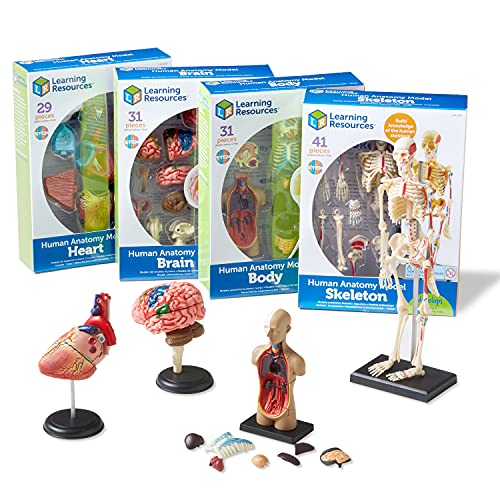
- Four anatomy models in one set
- Hands-on assembly and disassembly
- Stands included for display
Best For: Homeschool and classroom lessons with multiple anatomy topics
Advanced Life-Size Model
33.4 Inch 19-Part Human Torso Model

- Life-size torso with 19 removable parts
- 200+ numerical markers for detailed study
- Eco-friendly PVC with sturdy base
Best For: Advanced anatomy study and classroom display
Lightweight DIY Torso

- 15 detachable parts for hands-on learning
- Lightweight PVC is easy to clean
- Hand-painted details aid study
Best For: Students and beginners wanting a portable anatomy model
Dual-Sex Learning Torso
32-Part Human Torso with Interchangeable Anatomy

- 32 removable parts for hands-on anatomy study
- Interchangeable male and female genital parts
- Durable PVC build with included manual
Best For: Schools and home learners needing a comprehensive torso model
Transparent Anatomy Explorer
43-Piece Clear Human Body Structure Model
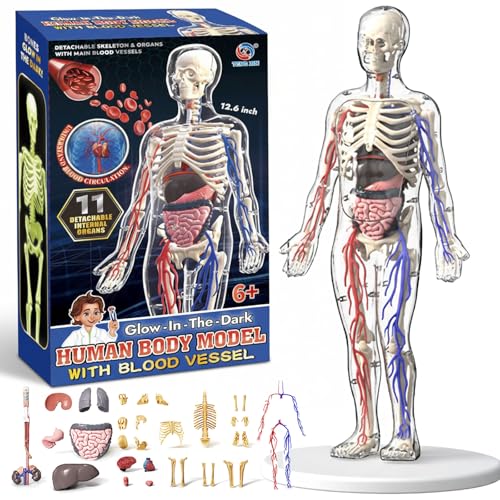
- Transparent body shows internal organs and bones
- Removable parts support disassembly and reassembly
- Compact model for classroom or desk use
Best For: Students who learn best through visual exploration
4-Model Anatomy Bundle
Body, Skeleton, Heart & Skull Set

- Four models cover multiple body systems
- Includes brochures, charts, and manuals
- Portable case and sturdy bases for storage
Best For: Learners who want broad anatomy coverage in one kit
Life-Size Teaching Pick
FriCARE Human Body Anatomy Torso Model, 33.8"

- Life-size torso with accurate proportions
- Removable organs and labeled structures
- Built for frequent classroom handling
Best For: Medical students and teachers needing a full-size anatomy teaching model
Portable Deluxe Pick
EVOTECH SCIENTIFIC Human Torso Anatomy Model
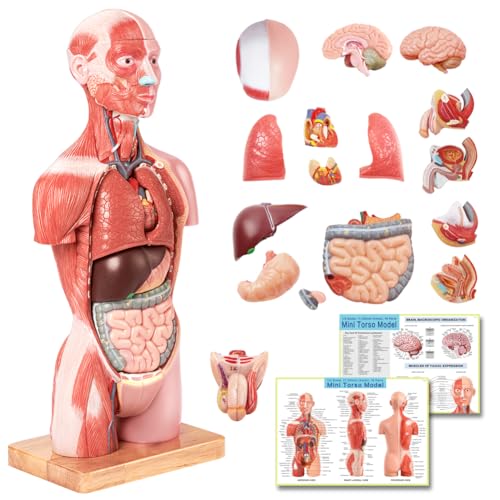
- 16 detachable parts with key organs
- Portable 17-inch size for easy transport
- Includes brochure and oak-wood base
Best For: Students needing a compact torso model for class and lab use
Compact Study Pick
Human Body Model for Anatomy Study, 15 Part 11"

- 15 detachable pieces for detailed study
- Compact 11-inch size for desks and shelves
- Includes manual and stable base
Best For: Students and self-learners who need a small, detailed anatomy model
Compact Classroom Pick – 11 Inch Detachable Human Body Torso
If you want human body organ models for students that are easy to move between classes, this 11-inch torso is a practical pick. It includes 15 detachable parts, a brochure, and a compact base, making it useful for learning organ placement without taking up much space.
Best For: Students, homeschoolers, and anatomy beginners who need a portable torso model for basic organ identification.
Pros:
- 15 removable pieces cover major organs and body structures.
- Small, portable size is easy to carry to class or store on a shelf.
- Made from non-toxic PVC and hand painted for detailed study.
- Includes a colorful educational brochure for extra reference.
Cons:
- Some organ pieces are small, so it is not ideal for very young children.
- 11-inch size is better for basic study than life-size learning.
This model is a solid classroom-ready option if you want a compact visual aid with a good mix of detail and portability. It works best as an introductory anatomy tool rather than a high-end clinical teaching model.
Multi-Model Learning Set – Skeleton, Body, Heart, and Brain Bundle
This bundle works well if you want human body organ models for students who learn best with multiple hands-on examples. The four-model set covers the skeleton, body, heart, and brain, giving learners a broader 3D view of anatomy in one package.
Best For: Homeschool science, classroom demonstrations, and students who benefit from studying several anatomy models together.
Pros:
- Includes four different anatomy models in one set.
- Designed for hands-on assembly and disassembly.
- Durable plastic pieces and sturdy stands support display use.
- Useful for STEM learning and ages 8 and up.
Cons:
- Smaller model size may not suit advanced, detailed study.
- More of a learning bundle than a single full torso model.
If you want variety rather than one torso-only display, this set gives students several ways to explore anatomy. It is especially appealing for classrooms and homeschool lessons that need flexible teaching tools.
Advanced Life-Size Model – 33.4 Inch 19-Part Human Torso Model
For human body organ models for students who need a larger and more detailed visual aid, this 33.4-inch torso offers a life-size learning experience. With 19 removable parts and more than 200 numerical markers, it is built for deeper anatomy study and clearer structure identification.
Best For: Medical students, anatomy classrooms, and learners who want a large, highly detailed torso model.
Pros:
- Life-size 33.4-inch build gives a more realistic study experience.
- 19 removable parts and 200+ markers support detailed learning.
- Made from eco-friendly PVC and includes a sturdy base.
- Developed by medical experts and suitable for classroom or office use.
Cons:
- Large size makes it less portable than smaller models.
- Better suited to older students and adult users than young beginners.
This is the strongest option here if depth and realism matter most. It is especially useful when students need to study organ placement and body systems in a more advanced, presentation-ready format.
Lightweight DIY Torso – 11 Inch 15-Part Anatomy Model
If you need human body organ models for students that balance portability with hands-on learning, this 11-inch torso is a straightforward option. It includes 15 detachable parts, making it useful for step-by-step anatomy study at home, in class, or in a clinic setting.
Best For: Kids, students, and healthcare learners who want a lightweight DIY anatomy model for basic study.
Pros:
- 15 detachable parts cover major organs and structures.
- Lightweight, easy-to-clean PVC material.
- Hand-painted details help make organ study more visual.
- Suitable for classroom, home, and clinic use.
Cons:
- Small parts may not be ideal for very young children.
- Introductory size limits depth compared with larger torso models.
This model is a practical choice for interactive learning without extra bulk. It is especially good when you want a student-friendly anatomy tool that can be assembled, examined, and reused easily.
Dual-Sex Learning Torso – 32-Part Human Torso with Interchangeable Anatomy
If you want human body organ models for students that feel hands-on and complete, this 32-part dual-sex torso is built for interactive anatomy study. It includes removable organs, heart, brain, muscular layers, bone, and vessels, plus interchangeable male and female genital parts for broader instruction.
Best For: Schools, homeschooling, or medical/science learners who want one durable torso model that covers both male and female anatomy.
Pros:
- 32 removable parts make organ identification and assembly more interactive.
- Dual-gender design avoids buying separate models for male and female anatomy.
- Durable PVC construction is suited for repeated classroom or home use.
- Includes a detailed manual for quicker self-study and guided learning.
Cons:
- Larger size may be less convenient for very small desks or storage spaces.
- Assembly-based learning may take time for beginners.
Overall, this model is a strong all-in-one choice when you want a torso that supports deeper anatomy lessons and frequent handling. Its mix of removable parts, dual-sex anatomy, and included guide makes it especially practical for structured study.
Transparent Anatomy Explorer – 43-Piece Clear Human Body Structure Model
For human body organ models for students who learn best by seeing how everything fits together, this transparent torso kit offers a clear, interactive way to study organs and bones. The removable design supports disassembly and reassembly, while the transparent body helps users observe internal structure during lessons.
Best For: Middle school, college, or medical students who want a clear-bodied anatomy model for exploratory learning.
Pros:
- Transparent design helps students observe internal anatomy more easily.
- Removable pieces make disassembly and reassembly part of the learning process.
- Supports hands-on practice for anatomy and physiology concepts.
- Compact size works well for desks, classrooms, or display areas.
Cons:
- Product notes conflict between 29-piece and 43-piece descriptions.
- Smaller size may not suit users wanting a larger display model.
This is a good pick if transparency matters to your teaching style and you want students to explore body structure visually. Its interactive build makes it more engaging than a static poster or chart.
4-Model Anatomy Bundle – Body, Skeleton, Heart & Skull Set
If you’re comparing human body organ models for students, this bundled set stands out by covering several major study areas in one package. It includes a human body torso, skeleton, heart, and half-size skull with brain, along with charts and manuals for guided study.
Best For: Students, teachers, and beginners who want a portable multi-model anatomy kit with broad subject coverage.
Pros:
- Includes four separate models covering anatomy, skeletal, cardiovascular, and nervous systems.
- Comes with brochures, charts, and manuals for more structured learning.
- Portable carrying case makes storage and transport easier.
- Hand-painted models and sturdy bases add presentation value.
Cons:
- Smaller individual models may not provide the detail of a full-size torso.
- Not as focused on removable organ assembly as a single torso model.
This bundle is a smart option when you want more than one anatomy angle without buying multiple separate products. It combines practical study tools with display-friendly craftsmanship, making it useful for both learning and presentation.
Life-Size Teaching Pick – FriCARE Human Body Anatomy Torso Model, 33.8"
If you want human body organ models for students that make anatomy easier to explain, this life-size torso is built for hands-on teaching. Its removable organs, labeled parts, and accurate proportions help learners connect organ placement with function in a clear, classroom-friendly way.
Best For: Medical students, teachers, and classrooms that need a full-size torso model for anatomy and physiology lessons.
Pros:
- Life-size 33.8-inch build with accurate proportions for clearer demonstrations.
- Removable organs and labeled structures support interactive learning.
- Made from premium materials for durability during frequent handling.
- Trusted anatomical model brand with 5 years of experience.
Cons:
- Larger size may be less convenient for small desks or storage spaces.
- Designed primarily for education and display, not compact portability.
This is a strong pick for instructors who want a detailed, durable model that can stand up to repeated classroom use. The tradeoff is size, but for clear teaching at a distance, that’s also one of its biggest strengths.
Portable Deluxe Pick – EVOTECH SCIENTIFIC Human Torso Anatomy Model
This human body organ model for students is a compact 16-part torso designed for portable anatomy study. With detachable organs, a hand-painted finish, and an oak-wooden base, it gives nursing and medical learners a practical way to study organ relationships without taking up much space.
Best For: Students who want a smaller, portable torso model for lab, classroom, or shelf display.
Pros:
- 16 detachable parts cover key organs and body structures.
- Portable 17-inch size fits easily in a bag for classes.
- Non-toxic PVC construction is easy to clean.
- Includes a colorful educational brochure for study support.
Cons:
- Half-size format may not feel as immersive as a life-size model.
- Some small organ pieces require careful handling.
For students who need portability and clear organ separation, this model hits a nice balance. It is especially appealing if you want something that can move between home study, lab work, and classroom demos.
Compact Study Pick – Human Body Model for Anatomy Study, 15 Part 11"
For human body organ models for students who need something compact and easy to use, this 11-inch torso keeps the focus on core anatomy. Its 15 detachable parts, stable base, and included manual make it a straightforward choice for desk study, classroom demos, or small lab setups.
Best For: Desk study, small classrooms, and learners who want a compact model with clear organ detail.
Pros:
- 15-piece detachable design supports closer study of individual structures.
- Compact 11-inch size is easy to place on desks or shelves.
- Includes a colorful educational manual for quick identification.
- Sturdy base helps the assembled model stay upright.
Cons:
- Smaller size may not suit large-group demonstrations as well.
- Covers core systems rather than a broad, full-scale torso display.
This model is a practical option when space is limited but you still want hands-on anatomy learning. It is best viewed as a focused study tool rather than a large presentation piece.
How We Picked These Human Body Organ Models for Students
We focused on models that support real learning, not just display. Priority went to anatomical accuracy, removable parts, age-appropriate complexity, sturdy construction, and clear organ labeling or color contrast. We also considered whether the model is better suited for individual study, classroom demonstrations, or medical training prep.
Quick Comparison
Smaller 11-inch models are usually best for desk study, homework, and portability. Mid- to full-size torso models offer better visibility in class and more realistic organ placement. Multi-piece bundles and clearer transparent designs are useful when you want broader anatomy coverage or need to teach several systems at once.
Key Buying Factors for Human Body Organ Models for Students
Size and Realism
Choose a compact model if the goal is repeated personal study. Choose a life-size or near-life-size torso if the model will be used for demonstrations or group instruction. Larger models make it easier to identify organs and trace relationships between systems.
Number of Removable Parts
More parts can mean better detail, but they can also make the model more complex for younger learners. For Human Body Organ Models for Students, a 15- to 20-part torso is often a practical sweet spot. Advanced learners may benefit from 30+ part models with muscles, vessels, and nerves.
Durability and Assembly
Look for solid fitment, easy reassembly, and materials that can handle frequent handling. Classroom models should tolerate repeated disassembly without losing small pieces or becoming loose over time.
Teaching Use Case
If the buyer needs a visual aid for biology class, a larger torso or bundle set may be best. If the goal is exam prep, home study, or self-paced review, a smaller model with clearly separated organs may be more effective.
Who Should Buy Which Human Body Organ Models for Students?
Students starting anatomy should choose a simpler torso with fewer removable organs. Middle school and high school classrooms often benefit from durable, mid-sized models that are easy to pass around. College students, pre-med learners, and medical trainees should consider larger, more detailed models with muscles, vessels, and layered structures for deeper study.
If you want the most balanced option, prioritize a model that is large enough to show detail but simple enough to use without frustration. For most buyers, that means choosing a clear, well-made torso with removable organs and a layout that supports frequent hands-on review.