Hands-on tools can turn abstract math into something students can see, move, and understand. The right manipulatives help build number sense, support small-group instruction, and keep lessons active.
Below, we’ve rounded up classroom-ready options that work for counting, place value, fractions, geometry, and more—so you can choose the best fit for your students and teaching goals.
Best 10 Hands on Math Manipulatives for Classrooms Picks for 2026
Counting Cubes for Foundational Math

- 100 snap-together cubes for early counting and building
- Covers patterns, addition, subtraction, and skip counting
- Geometric cutouts add tactile STEM learning
Best For: Kindergarten and early elementary classrooms needing versatile cube manipulatives
Geometry Angle Kit for Class Practice

- Builds polygons, angles, and plane geometry concepts
- Includes 180-degree and 360-degree protractors
- Eight lengths and colors support shape exploration
Best For: Geometry lessons, angle practice, and single-student math stations
Link-and-Count Classroom Set
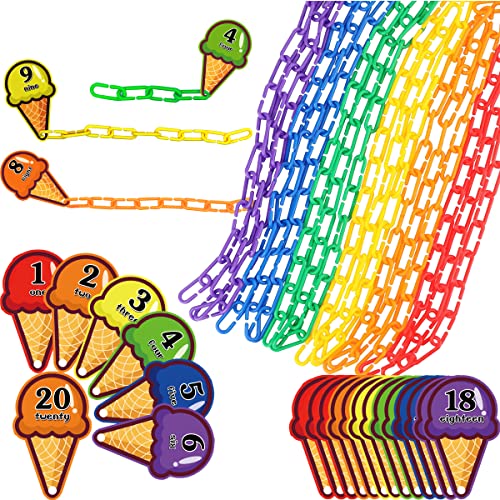
- 240 plastic clips with 20 numbered ice cream cards
- Great for counting, color recognition, and patterns
- Includes storage container for easy cleanup
Best For: Preschool and kindergarten counting, sorting, and fine motor practice
All-in-One Math Practice Kit
Versatile Math Manipulatives Kit

- Combines ten-frames, base ten blocks, counters, and pattern blocks
- Supports counting, place value, measurement, and geometry
- Useful for K-3 classrooms and small groups
Best For: K-3 classrooms and homeschool math instruction needing a broad manipulative set
Fraction Builder
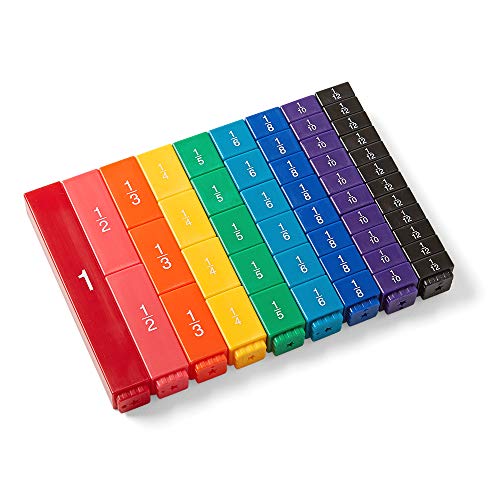
- Visual fraction tower set for equivalency and comparison
- Includes 9 fraction values from wholes to twelfths
- Durable, easy-to-clean plastic pieces
Best For: 4th grade fraction lessons and Montessori math practice
Place Value Starter

- Base-ten set with units, rods, flats, cube, mat, and cards
- Supports place value, decimals, addition, and subtraction
- Includes storage box for easier cleanup
Best For: Kindergarten to 4th grade place value and number sense lessons
Fact Practice Spinner Set
Multiplication and Division Games

- 9 spinners cover multiplication facts from 2x to 10x
- Hands-on format keeps practice interactive
- Compact size works for classrooms and travel
Best For: 2nd to 5th grade multiplication and division fact practice
Magnetic Fraction Learning Set
Magnetic Fraction Demonstration Book

- Magnetic tiles and circles support visual fraction learning.
- Covers parts, wholes, and equivalence from halves to twelfths.
- Includes an extra practice card, marker, and storage bag.
Best For: Classroom or homeschool fraction practice for early elementary learners.
Classroom Math Starter Kit
Take Home Math Manipulatives Kit
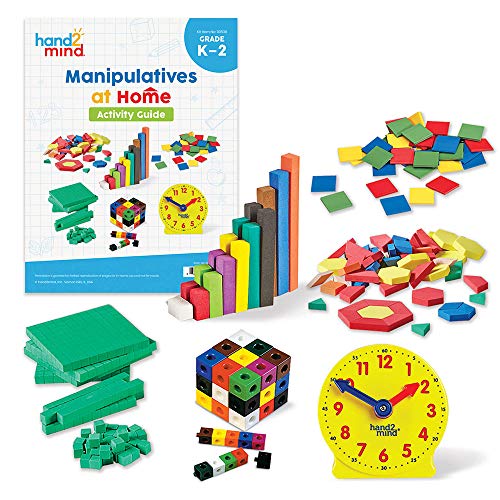
- Bundles 6 core manipulatives in one 292-piece set.
- Supports counting, sorting, place value, and telling time.
- Good fit for K-2 classrooms and homeschool use.
Best For: Early elementary classrooms that need a broad basic math manipulative set.
Regrouping Place Value Guide
Magnetic Regrouping Base Ten Chart
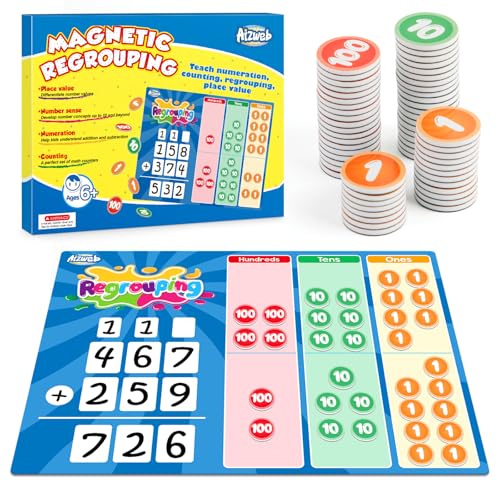
- Helps students visualize regrouping with color-coded discs.
- Dry erase board supports step-by-step teacher-led problems.
- Reusable magnetic surface works on whiteboards or fridges.
Best For: Grades 1-3 regrouping lessons and place value instruction.
Counting Cubes for Foundational Math – MathLink Cubes
If you want hands on math manipulatives for classrooms that cover a wide range of early skills, this 100-piece MathLink Cubes set is a practical pick. The snap-together cubes support counting, basic operations, patterns, and simple measurement activities, while also giving kids a tactile way to build and sort.
Best For: Kindergarten and early elementary classrooms that need a versatile cube set for counting, patterns, and STEM-friendly practice.
Pros:
- Supports one-to-one correspondence, counting to 100, skip counting, addition, and subtraction
- Works for patterning, matching, graphing, grouping, and nonstandard measurement activities
- Geometric shape cutouts add tactile and visual learning options
- Snap-together design helps build fine motor skills and eye-hand coordination
Cons:
- Set includes only 100 cubes, so larger group work may need multiples
- Best suited to early math rather than advanced classroom topics
This is a flexible classroom staple if you need a compact manipulative that supports many early math lessons without adding extra complexity.
Geometry Angle Kit for Class Practice – AngLegs Starter Set
For hands on math manipulatives for classrooms focused on geometry, this AngLegs starter set gives students a simple way to build, adjust, and compare shapes. The pieces snap together to explore angles, polygons, area, and other plane geometry concepts, with protractors included for measurement practice.
Best For: Single-student geometry work or guided classroom stations that introduce angles, polygons, and shape building.
Pros:
- Helps students explore shapes, angles, plane geometry, and area
- Includes 8 lengths and 8 colors for varied geometry activities
- Comes with both 180-degree and 360-degree snap-on protractors
- Includes a reusable storage bag for organization
Cons:
- Starter set is enough for one student, so group use may require additional sets
- Focuses on geometry more than general arithmetic practice
This is a focused geometry tool rather than an all-purpose math kit, making it a strong choice when your lessons center on shapes and angle exploration.
Link-and-Count Classroom Set – Chain Link Math Manipulatives
This chain-link set is a hands on math manipulatives for classrooms option that makes counting and patterning feel more like play. Kids match clips to the numbered ice cream cards, sort by color, and build sequences while strengthening fine motor control and hand-eye coordination.
Best For: Preschool and kindergarten learners who benefit from counting practice, color sorting, and fine motor activities.
Pros:
- 240 clips plus 20 numbered cards provide lots of hands-on counting practice
- Supports color recognition, patterning, and visualizing amounts
- Durable, washable plastic links are designed for repeated home or classroom use
- Includes a storage container for tidy cleanup and portability
Cons:
- Cards are chipboard, so they may not be as rugged as the plastic links
- Most useful for early learning rather than upper-grade math
It’s a strong choice if you want a tactile, easy-to-clean manipulative that keeps younger students engaged while practicing core early math skills.
All-in-One Math Practice Kit – Versatile Math Manipulatives Kit
For teachers looking for hands on math manipulatives for classrooms in one bundled set, this grade K-3 kit covers a lot of ground. It combines ten-frames, base ten blocks, counters, pattern blocks, and dry erase tools, making it useful for counting, place value, measurement, number work, and shape building.
Best For: K-3 classrooms, homeschool use, and small-group math instruction that needs a broad, standards-aligned kit.
Pros:
- Includes ten-frames, counters, base ten pieces, pattern blocks, a number line, and a 120-chart
- Supports addition, subtraction, place value, measurement, and geometric concepts
- Works for individual practice or small-group activities
- Aligned to major standards for early elementary math readiness
Cons:
- Many components in one kit can take time to organize
- May include more materials than a teacher needs for a single topic
This is the most flexible all-purpose option in the group, especially if you want one kit that can support several early math lessons instead of a single skill.
Fraction Builder – Rainbow Fraction Tower Cubes
If you want hands on math manipulatives for classrooms that make fractions easier to see, these Rainbow Fraction Tower Cubes are built for that job. The set helps students compare fractions, identify equivalents, model improper fractions and mixed numbers, and explore operations with a visual, tactile approach.
Best For: 4th grade classrooms, small-group fraction lessons, and Montessori-style fraction practice.
Pros:
- Covers whole numbers, halves, thirds, fourths, fifths, sixths, eighths, tenths, and twelfths.
- Useful for comparing, ordering, and modeling equivalent fractions and common denominators.
- Durable plastic pieces are easy to clean and designed for repeated classroom use.
- Bright colors help make fraction relationships more engaging for students.
Cons:
- Focused specifically on fraction concepts, so it is not a general math set.
- Only one set of 51 pieces may be limiting for larger groups.
Overall, this is a straightforward manipulative for teachers who need a concrete way to demonstrate fraction concepts. It is especially strong when your goal is to move students from abstract numbers to visible fraction relationships.
Place Value Starter – Base Ten Blocks with Chart
For hands on math manipulatives for classrooms centered on number sense, this base ten set gives kids concrete pieces to build place value understanding. It includes units, rods, flats, a cube, a storage box, a mat, and cards, making it useful for counting, addition, subtraction, decimals, and 10 concepts.
Best For: Kindergarten through 4th grade place value lessons, math centers, and homeschool instruction.
Pros:
- Includes 1 cube, 10 flats, 20 rods, and 100 units for base-ten modeling.
- Comes with an erasable/write-on mat for repeated practice.
- Storage box helps keep pieces organized after lessons.
- Plastic pieces are described as safe, sturdy, lightweight, and easy to clean.
Cons:
- The set is centered on place value and counting, not broader math topics.
- Small size may require close supervision with younger learners.
This is a practical classroom tool when you need students to physically build numbers and see how tens and ones fit together. It works best as a teaching aid for foundational math concepts rather than a games-based activity set.
Fact Practice Spinner Set – Multiplication and Division Games
If your goal is to keep hands on math manipulatives for classrooms fun and low-pressure, these multiplication and division spinners turn fact practice into a simple game. The set is designed for repeated practice of 2x through 10x facts and works well when you want students solving, checking, and staying engaged.
Best For: 2nd through 5th grade fact practice, math centers, early finishers, and portable review.
Pros:
- Turns multiplication and division practice into a hands-on game.
- Includes 9 spinners covering 2x through 10x facts.
- Compact and lightweight for backpacks, travel, or quiet practice.
- Useful for classrooms, homeschool, small groups, and reward bins.
Cons:
- Primarily focused on multiplication and division facts, not broader math skills.
- Plastic spinner format may feel repetitive if used as the main practice method.
This set is a solid fit when students need quick, repeatable fact practice without worksheets or screens. It is especially appealing for teachers looking for a small, portable manipulative that can double as a classroom prize or center activity.
Magnetic Fraction Learning Set – Magnetic Fraction Demonstration Book
If you’re shopping for hands on math manipulatives for classrooms, this magnetic fraction book gives students a clear way to see halves, thirds, fourths, and beyond. The included tiles and circles let kids build fractions directly on the book, making it easier to compare values, explore equivalence, and practice early fraction concepts through guided play.
Best For: Teachers, homeschoolers, and tutors who want a portable, visual fraction manipulative for 3rd grade and early elementary math.
Pros:
- Magnetic tiles and circles stay in place for hands-on fraction building.
- Covers fraction relationships from halves to twelfths.
- Includes an extra tri-fold practice card for more guided exercises.
- Comes with a marker and storage bag for easy classroom or travel use.
Cons:
- Focused specifically on fractions, so it won’t cover broader math topics.
- Best suited to early fraction practice rather than advanced arithmetic.
This is a strong pick if you want a compact fraction tool that keeps lessons visual and interactive. The magnetic format and bonus practice card add variety without making setup complicated.
Classroom Math Starter Kit – Take Home Math Manipulatives Kit
For buyers comparing hands on math manipulatives for classrooms, this all-in-one kit is a practical way to stock up on the basics in a single purchase. It bundles snap cubes, base ten blocks, Cuisenaire rods, pattern blocks, color tiles, and a learning clock, giving young learners multiple ways to practice counting, sorting, place value, and time-telling.
Best For: Kindergarten through 2nd grade classrooms, homeschool setups, and take-home learning kits that need a broad mix of foundational math tools.
Pros:
- Includes 6 popular manipulatives in one 292-piece kit.
- Base ten blocks, snap cubes, and color tiles support place value and counting.
- Learning clock helps young students practice telling time.
- Good option when you want classroom basics without buying each tool separately.
Cons:
- Most useful for early grades, not upper elementary math.
- Large variety may be more than needed if you only want one topic-specific set.
This kit is a flexible starter bundle for teachers or parents building an early math center. It’s especially useful when you want broad coverage of key skills in one organized set.
Regrouping Place Value Guide – Magnetic Regrouping Base Ten Chart
When you need hands on math manipulatives for classrooms that make regrouping easier to understand, this magnetic place value chart offers a clear visual model. Teachers can write problems on the dry erase side while students move the color-coded discs to show ones, tens, and hundreds, turning addition and subtraction into a step-by-step demonstration.
Best For: 1st through 3rd grade teachers helping students visualize regrouping, place value, and multi-digit addition or subtraction.
Pros:
- Shows regrouping in a visual, hands-on format.
- Color-coded magnetic discs help separate ones, tens, and hundreds.
- Dry erase surface is reusable, stain-resistant, and easy to wipe clean.
- Magnetic backing works on receptive surfaces like a whiteboard or refrigerator.
Cons:
- Designed mainly for regrouping and place value, not general math practice.
- Best for guided instruction rather than independent open-ended play.
This is a focused teaching tool for explaining the “why” behind regrouping, not just the answer. It should work well for small-group lessons, intervention time, or classroom demonstrations.
How We Picked the Best Hands on Math Manipulatives for Classrooms
We focused on manipulatives that are practical for real classroom use: durable materials, clear instructional value, age-appropriate design, and flexibility across multiple math topics. We also favored sets that are easy to store, simple to distribute, and useful for independent work, partner activities, or teacher-led demonstrations.
Because classroom needs vary, we looked for a mix of foundational sets for counting and place value, visual models for fractions and geometry, and higher-engagement tools for practice and intervention.
Quick Comparison
For younger learners, cubes, counters, ten-frames, base ten blocks, and pattern-based kits are the most versatile. For upper elementary, fraction towers, fraction tiles, and geometry tools better support conceptual understanding. If you need something reusable for small-group instruction or intervention, magnetic boards and take-home kits can offer the best mix of structure and flexibility.
Key Buying Factors for Hands-On Math Manipulatives for Classrooms
Grade-Level Fit
Match the manipulative to the skill you’re teaching. Early elementary students usually need concrete counting and place value tools, while grades 3–5 benefit from fraction models, geometry aids, and regrouping support.
Durability and Reusability
Classroom manipulatives should withstand frequent handling, sorting, and repeated lessons. Sturdy plastic pieces, magnetic components, and wipe-clean boards are often better long-term investments than lightweight novelty items.
Instructional Flexibility
The best Hands on Math Manipulatives for Classrooms can support more than one concept. Look for sets that work for counting, operations, patterns, measurement, or visual modeling so they stay useful throughout the year.
Organization and Storage
Small pieces are easy to lose, so packaging and storage matter. Kits with labeled trays, charts, or compact containers can save prep time and help keep centers running smoothly.
Student Accessibility
Choose tools that are easy for students to manipulate independently. Clear colors, simple shapes, and visual references can make lessons more accessible for learners who need extra support.
Who Should Buy Which Hands on Math Manipulatives for Classrooms?
Kindergarten through Grade 2: Start with cubes, base ten blocks, counters, ten-frames, and take-home kits that reinforce counting, composing numbers, and early place value.
Grades 3 through 5: Fraction models, geometry manipulatives, and regrouping tools are especially helpful for building stronger conceptual understanding.
Teachers running centers or intervention groups: Choose versatile kits and magnetic boards that are easy to set up, reuse, and differentiate across skill levels.
Families and homeschoolers: Multi-topic kits offer the most value because they support practice across several math units without requiring separate purchases.