Choosing biology incubators for classroom use is about more than egg capacity. The best models are easy to monitor, stable in temperature, and simple enough for students to understand.
This roundup focuses on classroom-friendly incubators that support hands-on lessons, from beginner hatchers to more advanced digital units for science labs.
Best 10 Biology Incubators for Classroom Picks for 2026
Classroom Egg Hatching Kit
Brinsea Mini II Advance Complete

- Includes incubator, OvaScope, brooder plate, and lesson plans.
- Clear dome improves student visibility during incubation.
- Sized for 7 eggs with automatic turning and autostop.
Best For: Elementary and middle school classrooms wanting a full egg-hatching kit
Life Science Wall Set

- 16 posters cover cells, DNA, organs, and photosynthesis.
- Matte laminated paper helps reduce glare and fading.
- Includes adhesive dots for quick classroom setup.
Best For: Middle and high school classrooms needing life science wall decor
Large Capacity Egg Incubator
Farm Innovators 41 Egg Digital

- Fits up to 41 eggs with an automatic turner.
- Digital display shows temperature, humidity, and hatch days.
- Large viewing window and included candler aid observation.
Best For: Classrooms needing a higher-capacity incubator with easy monitoring
Portable Science Hatcher

- 360° transparent view helps students observe hatching clearly.
- Automatic temperature control supports stable incubation.
- Type-C power adds portable, power-bank-friendly use.
Best For: Small classroom or home science projects with 4 to 5 eggs
Classroom-Friendly Egg Watching

- Holds up to 4 dozen eggs for group demonstrations.
- Built-in hygrometer and thermometer help monitor conditions.
- Two large viewing windows make observation easy.
Best For: Classrooms needing a simple, view-friendly incubator for egg monitoring
Scientific Temp-Control Option
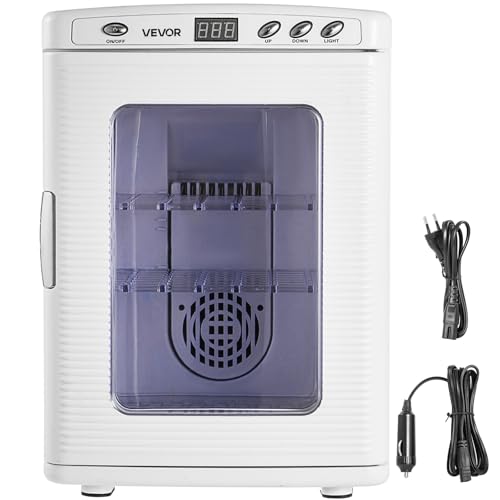
- 5°C to 42°C range supports constant-temperature use.
- LED display and glass door aid classroom viewing.
- Built-in handle helps with transport.
Best For: Science labs needing a temperature-controlled incubator for reptiles or amphibians
Smart Auto-Turn Pick
18-Egg Incubator with Humidity Control

- Automatic turning with selectable intervals
- Humidity and temperature display with alarms
- 360° view window plus built-in candler
Best For: Classrooms or home users wanting more automation and monitoring
Hands-On Starter
7-Egg Incubator for Kids & Beginners

- Manual egg turning for active learning
- 360° transparent view for observation
- Adjustable temperature control for easy setup
Best For: Small classrooms, kids, and first-time users
All-in-One Classroom Choice

- Automatic turner every 2 hours
- Digital alerts for heat and humidity
- 360° lid with integrated candler
Best For: Classrooms needing larger capacity and digital monitoring
Classroom Egg Hatching Kit – Brinsea Mini II Advance Complete
If you want biology incubators for classroom use that do more than just hold eggs, this Brinsea classroom kit is built for a full learning cycle. It pairs an incubator with an OvaScope, chick brooder plate, and lesson plans, giving students a clearer view of incubation, embryo development, and chick care in one setup.
Best For: Elementary and middle school classes that want a complete, guided egg-hatching experience.
Pros:
- Complete classroom pack includes incubator, OvaScope, brooder plate, and lesson plans.
- Clear dome design offers strong visibility, with automatic turning and autostop.
- OvaScope lets students watch live embryo development inside the egg.
- Built from durable plastics and backed by a 3-year warranty.
Cons:
- Only accommodates 7 standard chicken eggs, so capacity is limited.
- Designed for a guided classroom project rather than larger-scale hatching.
This is a strong choice when visibility, hands-on instruction, and post-hatch care matter as much as incubation itself. It is especially appealing for teachers who want a single kit that supports both science learning and student observation.
Life Science Wall Set – EggSun Biology Posters
For teachers looking for biology incubators for classroom support materials rather than equipment, this poster set helps reinforce the concepts students see during life science lessons. These biology science posters cover topics like cells, DNA, human organs, plant growth, and photosynthesis, making them useful as visual references during instruction.
Best For: Middle and high school classrooms that need durable biology visuals for walls or bulletin boards.
Pros:
- Includes 16 posters covering major life science topics.
- Matte laminated paper helps reduce glare and improve durability.
- Bold titles and diagrams make complex topics easier to visualize.
- Adhesive dots are included for simple installation.
Cons:
- These are reference posters, not hands-on lab equipment.
- Best suited for wall display rather than table-top use.
This set works well when you want the classroom environment to support biology lessons every day. It adds structure to the room while giving students repeated exposure to the vocabulary and concepts behind incubation and life science.
Large Capacity Egg Incubator – Farm Innovators 41 Egg Digital
Among biology incubators for classroom projects, this Farm Innovators model stands out for its larger capacity and easy monitoring features. The digital display shows temperature, humidity, and days to hatch, while the integrated fan, automatic turner, and large viewing window make it practical for classroom demonstrations.
Best For: Classes that want a higher-capacity incubator with digital monitoring and simple egg management.
Pros:
- Holds up to 41 eggs with automatic turning.
- Digital display tracks temperature, humidity, and hatch countdown.
- Integrated fan helps stabilize temperature and improve hatch conditions.
- Large window and included egg candler support observation.
Cons:
- Bulkier than mini classroom kits.
- Foam construction may not feel as premium as hard-shell units.
This is a practical pick if you need to monitor a larger batch of eggs without giving up classroom visibility. It combines the core features teachers usually want with straightforward maintenance and monitoring.
Portable Science Hatcher – Abaodam Small Egg Incubator
If you need biology incubators for classroom-style science activities in a compact format, this Abaodam incubator is designed for visibility and portability. Its transparent 360° view, automatic temperature control, and Type-C power option make it a convenient choice for observing small egg hatching projects in tight spaces or on the go.
Best For: Kids’ science projects and small-space hatching of quail, parrot, duck, or chicken eggs.
Pros:
- 360° panoramic view makes it easy to watch the hatching process.
- Automatic temperature control supports stable incubation.
- Type-C power works with power banks for portable use.
- Non-toxic ABS construction and compact size suit kids’ science use.
Cons:
- Small capacity fits only 4 to 5 eggs.
- Best for small poultry and not larger classroom hatching batches.
This model makes the incubation process easy to observe, but it is clearly aimed at smaller projects rather than full classroom loads. It is a smart fit when portability, visibility, and simple operation matter most.
Classroom-Friendly Egg Watching – 4-Dozen Still-Air Incubator
If you need biology incubators for classroom use and want a simple setup for observing egg development, this still-air model keeps the focus on visibility and basic temperature management. The built-in hygrometer, two large viewing windows, and included thermometer make it easier to monitor conditions without opening the unit often.
Best For: Classrooms that want a straightforward incubator for egg observation and basic hatch monitoring.
Pros:
- Holds up to 4 dozen eggs, which is useful for larger class demonstrations.
- Built-in hygrometer helps track internal temperature and relative humidity.
- Two large viewing windows support easy observation during lessons.
- Solid-state circuitry is designed for reliable temperature setting.
Cons:
- Still-air design may require more attention to temperature monitoring than fan-assisted units.
- Foam-plastic shell is practical but basic in feel.
Overall, this is a solid pick when your priority is visibility and a simple, hands-on classroom hatching setup rather than advanced automation.
Automated Classroom Hatching – 24-Egg Digital Incubator
For biology incubators for classroom projects, this 24-egg digital model adds a lot of automation that reduces guesswork. It includes temperature and humidity control, an auto turner, a built-in candler, and a transparent shell, so students can follow the incubation process without constantly opening the unit.
Best For: Teachers and beginners who want an easier, more guided classroom hatching experience.
Pros:
- Automatic temperature, humidity, and egg-turning features simplify daily use.
- Built-in egg candler helps monitor embryo development at key stages.
- Transparent shell and LCD display make it easy to teach from.
- Alarm system alerts you when settings need attention.
Cons:
- More features may be more than you need for a very basic lesson setup.
- Base is not waterproof, so cleaning needs a careful wipe-down approach.
This is the most classroom-ready option here if you want a guided incubator experience with fewer manual steps and better visibility for instruction.
Scientific Temp-Control Option – 25L Reptile Lab Incubator
This model can work as a biology incubators for classroom setup when you need precise temperature control rather than an egg-focused design. Its 5-42°C range, LED display, and visible glass door make it useful for demonstrations involving small reptiles or amphibians that need a constant-temperature environment.
Best For: Science labs and classrooms working with reptiles, amphibians, or temperature-controlled demonstrations.
Pros:
- Wide 5°C to 42°C temperature range supports controlled incubation conditions.
- LED digital display shows the current chamber temperature.
- Glass door lets you view conditions without disturbing the chamber.
- Built-in handle makes the unit easier to move.
Cons:
- It is not designed specifically for egg turning or poultry incubation features.
- At 20.9 pounds, it is less portable than smaller classroom units.
If your lesson plan centers on controlled-environment biology rather than egg hatching features, this is the most specialized and lab-oriented option in the group.
Smart Auto-Turn Pick – 18-Egg Incubator with Humidity Control
If you want biology incubators for classroom use that reduce guesswork, this 18-egg model is built for steady, hands-off hatching. It combines automatic turning, humidity control, and a clear viewing dome so students can follow development without repeatedly opening the lid.
Best For: Classrooms or home setups that want automated turning and real-time monitoring for a wider range of eggs.
Pros:
- Automatic egg turning can be set to 60, 120, or 180 minutes and stops 3 days before hatching.
- Digital temperature and humidity control helps maintain 68–104°F and 40–80% humidity.
- 360° view window and built-in candler make embryo observation easier without opening the incubator.
- Dual trays support both 18 chicken eggs and up to 8 goose or duck eggs.
Cons:
- Larger and more feature-heavy than a simple starter incubator.
- Designed for indoor use, so it needs a stable, protected spot.
- Best results still depend on careful setup and humidity management near lockdown.
Overall, this is a strong option for teachers or hobbyists who want a classroom-friendly incubator with automation and visibility. The combination of turning, alarms, and candling support makes it easier to manage a learning hatch from start to finish.
Hands-On Starter – 7-Egg Incubator for Kids & Beginners
For biology incubators for classroom activities that are simple enough for first-time users, this 7-egg model focuses on visibility and hands-on learning. Its manual turning setup lets kids and beginners take part in the process while the 360° clear design makes embryo development easy to watch.
Best For: Small classroom groups, kids, and beginners who want a simple, educational hatch project.
Pros:
- Manual egg rotation encourages active learning and participation.
- 360° transparent view lets users observe the hatching process from all angles.
- Adjustable temperature control helps create suitable incubation conditions.
- Compact, lightweight design is easy to place in a classroom or home.
Cons:
- Manual turning requires more attention than automatic models.
- Smaller 7-egg capacity limits batch size.
- Best suited to basic learning use rather than a more advanced incubation setup.
This is a practical entry-level choice when the main goal is teaching, not automation. It keeps the process visible and interactive, which makes it a good fit for introductory science projects and family learning.
All-in-One Classroom Choice – 18-Egg Auto-Turn Incubator
If you need biology incubators for classroom demonstrations with a bit more capacity and monitoring, this 18-egg unit is designed as an all-in-one hatching solution. It adds automatic turning, digital readings, candling, and humidity management to support a smoother classroom hatch.
Best For: Classrooms, homes, or small farm setups that want an 18-egg incubator with digital controls and easy viewing.
Pros:
- Automatic egg turner runs every 2 hours and stops during the final 4 days.
- Digital screen shows hatching days, turning countdown, and alerts for temperature and humidity changes.
- 360° transparent lid and integrated candler help students track fertility and development.
- Dual water ports, external bottle refill, and adjustable air vent make humidity management simpler.
Cons:
- More complex than a basic beginner incubator.
- Humidity still needs active oversight, especially if room conditions change.
- Indoor setup and periodic cleaning are required for best use.
For classroom use, this model balances automation with the kind of visibility teachers need for instruction. It’s a solid pick when you want one incubator that can handle multiple egg types while keeping the hatching process easy to monitor.
How We Picked These Biology Incubators for Classroom Use
We focused on models that make classroom learning practical: clear viewing windows, dependable temperature control, automatic turning where helpful, and features that reduce the chance of user error. We also considered ease of setup, capacity options, and whether the incubator is suitable for younger students, middle school science, or more advanced biology demonstrations.
Quick Comparison
The best Biology Incubators for Classroom settings usually fall into three groups: compact beginner kits for guided learning, mid-capacity digital incubators for regular hatching projects, and lab-style units that prioritize environmental control. Smaller models are easier for direct student interaction, while larger digital incubators are better for repeated use and multiple eggs.
Key Buying Factors for Biology Incubators for Classroom
Capacity and Class Size
Match the incubator size to your lesson plan. Small classrooms or one-off demonstrations may only need a compact unit, while larger classes benefit from 18- to 41-egg capacity options. Bigger capacity can improve flexibility, but it also increases the need for careful tracking.
Temperature and Humidity Control
Stable conditions matter more than extra features. Look for digital temperature control, humidity monitoring, and clear alerts or displays. For classroom use, consistency is more important than complicated settings.
Visibility and Student Engagement
Viewing windows, built-in candlers, and transparent lids help students observe development without disrupting the environment. These features make lessons more interactive and reduce unnecessary handling.
Turning Method and Ease of Use
Automatic egg turning is a major advantage in schools because it reduces daily maintenance. Manual turning can still work for demonstrations, but it requires more oversight and a clear routine.
Durability and Cleanup
Choose a design that is easy to wipe down and sturdy enough for repeated use. Classroom equipment should be simple to sanitize between projects and resilient enough for regular transport or storage.
Who Should Buy Which Biology Incubators for Classroom?
Teachers introducing hatching for the first time should look for beginner-friendly kits with strong instructions and highly visible components. Middle and high school biology programs may prefer digital incubators with auto-turning and humidity control for more reliable results. If the goal is broader lab instruction rather than hatching alone, a unit with precise environmental control and viewing access will usually be the best fit.
For most classrooms, the right choice depends on whether you want easy student participation, repeatable hatching success, or a more advanced science demonstration. Pick the incubator that matches your curriculum, supervision level, and the amount of hands-on time you can commit.