Hands-on specimens can make biology more engaging, concrete, and memorable for students. The right kit helps turn abstract lessons into direct observation and discussion.
This roundup focuses on classroom-friendly options for microscopy, insect study, cell models, and dissection activities, with picks suited to different ages, budgets, and teaching goals.
Best 10 Biology Specimen Kits for Classroom Picks for 2026
Prepared Slide Starter Kit
48 Prepared Microscope Slides for Kids and Classrooms
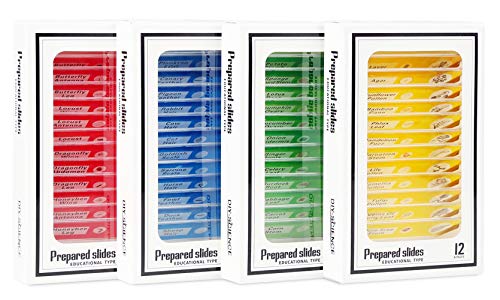
- 48 prepared slides with plants, insects, animals, and tissues
- Pre-labeled for easy sorting and permanent storage
- Smooth-edged plastic slides are described as safe and non-toxic
Best For: Beginner biology classes and microscope practice
Owl Pellet Dissection Kit
10-Pack Barn Owl Pellets for Classroom Labs

- Real owl pellets for hands-on dissection and bone sorting
- Includes forceps, picks, chart, and instructor guide
- Heat-sterilized and packaged for classroom use
Best For: Life science dissection lessons and ecology units
Resin Insect Specimen Set
12-Piece Bug Display Kit with Magnifier

- 12 real insect specimens preserved in resin
- Includes magnifier and 12 educational info cards
- Compact, durable blocks for easy classroom display
Best For: Entomology lessons and specimen observation
Magnetic Cell Model Set
Animal and Plant Cell Anatomy Kit

- 33 magnetic pieces for animal and plant cell study
- Bright, realistic colors help explain cell structures
- Durable, odorless materials suit classroom use
Best For: Cell biology teaching and magnetic display lessons
Resin Insect Observation Set

- 15 real insect specimens in resin
- Includes magnifying glass, storage bag, and instructions
- Durable, clear blocks for classroom viewing
Best For: Classroom insect observation and beginner biology lessons
Prepared Microscope Slide Kit
60 Lab-Grade Microscope Slides

- 60 prepared slides across multiple biology topics
- Labeled slides plus identification guide included
- Sturdy case helps protect slides for repeated use
Best For: Wide-ranging microscope lessons in homeschool or classroom labs
Lab-Grade Classroom Slide Library
120 Microscope Slides with Specimens Set

- 120 prepared slides spanning multiple biology topics
- Color labels and ID guide support classroom teaching
- Storage case helps protect slides for repeated use
Best For: Homeschool and classroom microscopy lessons with broad specimen coverage
Resin Bug Display Set

- 12 real insect specimens preserved in transparent resin
- Good for classroom display and basic entomology lessons
- Small, durable pieces can be used as teaching props
Best For: Insect-focused classroom demonstrations and display
Resin Beetle Observation Kit

- 15 resin insect specimens with natural variation
- Includes magnifying glass, storage bag, and instructions
- Durable format suited to classroom observation
Best For: Compact insect observation lessons with included viewing tools
Prepared Slide Starter Kit – 48 Prepared Microscope Slides for Kids and Classrooms
For biology specimen kits for classroom use, this 48-slide set gives students a broad mix of animals, insects, plants, flowers, and tissue samples to observe under the microscope. The slides are pre-labeled and prepared for permanent storage, making them practical for lessons, beginner science projects, and guided observation activities.
Best For: Beginner biology classes, homeschool labs, and kids who are just starting microscope work.
Pros:
- 48 prepared slides provide a varied mix of plant, insect, animal, and tissue specimens.
- Pre-labeled slides make sorting, collecting, and classroom use easier.
- Smooth-edged plastic slides are described as non-toxic and safe to handle.
- Designed for clear viewing with well-dyed specimens under stereo microscopy.
Cons:
- Focused on microscope observation rather than live specimen handling.
- Plastic slides may be less premium-feeling than glass alternatives.
This is a straightforward classroom-friendly set if you want a ready-to-use microscope collection with enough variety to keep young learners engaged. It works best as an introductory specimen resource rather than an advanced lab kit.
Owl Pellet Dissection Kit – 10-Pack Barn Owl Pellets for Classroom Labs
When you need biology specimen kits for classroom dissection, this barn owl pellet pack offers real specimens for hands-on analysis. Students can sort bones, identify prey remains, and connect the activity to ecology, food webs, and comparative anatomy with the included tools and instructor guide.
Best For: Classroom dissection labs, life science units, and ecology lessons that use real specimens.
Pros:
- Uses real barn owl pellets for authentic hands-on science.
- Includes forceps, picks, a bone sorting chart, and an instructor guide.
- Supports skeletal analysis, food web lessons, and predator-prey discussions.
- Heat-sterilized and individually packaged for classroom handling.
Cons:
- Limited to one type of specimen activity rather than a broad mix of biology materials.
- Best suited for dissection-based lessons, not simple display or observation.
This kit is a strong fit if your class wants an authentic specimen-based lab instead of a model or simulation. It adds structure to the activity with tools and reference materials, which makes it easier to run in a classroom setting.
Resin Insect Specimen Set – 12-Piece Bug Display Kit with Magnifier
For biology specimen kits for classroom observation, this resin insect set combines real preserved insects with a magnifier and information cards. It is built for close study of insect biology, biodiversity, and ecology, while the resin blocks make the specimens easy to handle, display, and store.
Best For: Entomology lessons, classroom science displays, and curious students who want close-up bug study.
Pros:
- Includes 12 insect specimens plus a magnifier and 12 info cards.
- Resin blocks are described as durable, compact, and easy for small hands to handle.
- Offers a safe way to study authentic insect forms up close.
- Good for teaching insect biology, ecology, and biodiversity concepts.
Cons:
- Smaller set than broader classroom biology kits.
- Better for observation and display than for active dissection or assembly.
This set works well as a compact entomology resource for classroom shelves or demo tables. It is especially useful when you want real specimens that can be examined repeatedly without extra prep.
Magnetic Cell Model Set – Animal and Plant Cell Anatomy Kit
Among biology specimen kits for classroom instruction, this magnetic cell model set is a strong choice for teaching core cell structure and function. With animal and plant cell models in a bright, hands-on format, it helps students visualize anatomy details and makes board-side demonstrations easier for teachers.
Best For: Cell biology lessons, homeschool teaching, and classroom demonstrations on magnetic surfaces.
Pros:
- Includes 33 pieces across two magnetic animal and plant cell models.
- Magnetic design makes setup, display, and repositioning simple.
- Rich colors and realistic replication support visual learning.
- Described as durable, odorless, and safe for long-term use.
Cons:
- Focused on cell anatomy rather than broader specimen study.
- Works best where a magnetic surface is available for display.
This kit is ideal when the goal is to teach cell biology in a clear, visual way. It is less about collecting specimens and more about making hard-to-see structures understandable through tactile learning.
Resin Insect Observation Set – 15 Real Insect Specimens
If you want biology specimen kits for classroom use that are easy to pass around and inspect, this 15-piece resin insect set gives students a hands-on look at real specimens. The mix of different insects, plus the included magnifying glass and instructions, makes it a practical option for introductory observation activities and nature studies.
Best For: Classroom insect observation, homeschool science, and students who need a simple, durable specimen set.
Pros:
- Includes 15 distinct real insect specimens for variety and comparison
- Comes with a magnifying glass, storage bag, and instructions
- Resin construction is designed to be durable and resist discoloration
- Natural poses help show authentic insect form for study
Cons:
- Focused only on insects, so it is not a broader biology kit
- Resin blocks are better for viewing than detailed manipulation
This set is a straightforward choice when you want a compact, ready-to-use specimen collection for basic classroom biology. It is strongest as an observation tool rather than a full lab replacement.
Prepared Microscope Slide Kit – 60 Lab-Grade Microscope Slides
For biology specimen kits for classroom settings, this 60-slide prepared microscope set offers the broadest range of study material in the group. It covers animal, plant, microbe, and tissue samples, and the labeled slides with an identification guide make it easier to organize lessons and compare specimens.
Best For: Homeschool science, classroom labs, and students who need a wide range of prepared microscope specimens.
Pros:
- Large 60-slide assortment spans plant, animal, microbe, tissue, and more
- Lab-grade glass and preparation are designed for clearer images and repeated use
- Labeled slides and identification chart help support teaching
- Sturdy storage case protects slides from dust and damage
Cons:
- Requires a microscope to use, so it is not a standalone display kit
- Best suited to prepared-slide learning rather than specimen handling
This is the most curriculum-friendly option if your priority is breadth and organized classroom use. It is a strong fit for lessons that need many different biological examples in one protected case.
Resin Insect Learning Kit – 16-Piece Insect Set with Audio
If you are comparing biology specimen kits for classroom use, this 16-piece resin insect set stands out for its mix of real specimens and the included audio e-book. The magnifying glass supports close inspection, while the compact resin blocks make the kit easy to store, display, and use in preschool or early elementary science activities.
Best For: Preschool science, early classroom exploration, and visual learners who benefit from audio support.
Pros:
- Includes 16 different real insect specimens for a varied collection
- Comes with a hand magnifier for close viewing
- Audio e-book adds a multisensory learning element
- Compact resin blocks are portable and easy to display
Cons:
- Smaller format may not suit students who want larger specimens
- Collection is limited to insects rather than broader biology samples
This kit is a good match for younger learners who need an engaging, low-fuss way to explore insect diversity. The added audio component gives it an edge for guided early science learning.
Lab-Grade Classroom Slide Library – 120 Microscope Slides with Specimens Set
If you need biology specimen kits for classroom use that cover a wide range of topics, this 120-slide prepared set is built for structured science lessons. It includes plant, animal, microbiology, tissue, cell, bacteria, fungi, and histology samples, so students can move from simple observation to broader biology curriculum work.
Best For: Homeschool families, middle school and high school classrooms, and lab programs that want a broad prepared-slide reference set.
Pros:
- 120 lab-grade prepared slides cover many biology subjects
- Color labels and an identification guide help with teaching and review
- Sturdy storage case helps protect slides from dust and damage
- Compatible with compound, stereo, digital, and pocket microscopes
Cons:
- Best suited for ages 11+ rather than younger children
- Prepared slides are for observation, not hands-on specimen handling
- The large assortment may be more than a casual hobbyist needs
Overall, this is the most curriculum-ready option here if your priority is breadth and organization. It gives teachers and students a dependable classroom resource for repeated microscope work across multiple biological categories.
Resin Bug Display Set – 12 Pcs Insect Specimens
For biology specimen kits for classroom displays that focus on insect recognition, this 12-piece resin set offers real specimens in a compact, ready-to-show format. The butterflies and beetles are embedded in transparent resin, making them easy to pass around, display, and use when introducing animal classification or entomology basics.
Best For: Teachers, parents, and gift buyers looking for a small insect specimen set for classroom demonstration and display.
Pros:
- Includes 12 real insect resin specimens in unique styles
- Transparent resin protects the sealed specimens for display
- Useful for sparking curiosity in biology and natural science
- Can double as a classroom ornament or desk display
Cons:
- Contains small parts and requires supervision for younger children
- Focuses on insects only, not a broader biology sample range
- Better for visual learning than detailed dissection or slide study
This set works well when you want a simple, visually engaging specimen kit for introducing insects in a classroom setting. It is less comprehensive than slide-based kits, but it is easy to display and can help make early science lessons more concrete.
Resin Beetle Observation Kit – 15 Insect Specimens
If you are comparing biology specimen kits for classroom observation, this 15-piece resin insect set adds a little more variety and teaching support. It includes a storage bag, magnifying glass, and instructions, which makes it a practical choice for guided specimen viewing and STEM observation activities.
Best For: Science teachers, animal specimen hobbyists, and buyers who want a compact insect set with simple observation tools.
Pros:
- 15 different insect specimens provide solid variety for observation
- Includes a magnifying glass, storage bag, and instructions
- High-quality resin construction is designed to be durable
- Works well for STEM and animal-specimen discussions
Cons:
- Still limited to insects rather than a full biology assortment
- Small format may not suit larger classroom demonstration needs
- Best for viewing and identification, not active specimen handling
This set is a strong pick if you want a classroom-friendly insect collection with a few helpful extras for observation. It is especially useful when you want students to compare shapes and features while keeping the presentation simple and durable.
How We Picked the Best Biology Specimen Kits for Classroom
We prioritized Biology Specimen Kits for Classroom use that support clear instruction, repeatable activities, and age-appropriate learning. Our selection favored educational value, specimen variety, durability, presentation quality, and whether the kit can realistically serve a group setting.
We also looked for kits that are practical for teachers: included tools, labeled specimens, straightforward storage, and formats that work for labs, STEM stations, and independent observation.
Quick Comparison
For direct microscope work, prepared slide sets are the strongest fit. For tactile, discussion-based lessons, insect-in-resin kits, cell models, and owl pellet dissection kits offer more of a hands-on experience. Larger slide collections are better when you need more sample variety across multiple lessons or student groups.
Key Buying Factors for Biology Specimen Kits for Classroom
Specimen Type and Lesson Match
Start with the unit you teach most often. Slides are best for cells, tissues, microbes, and plant structures. Resin insects work well for identification and morphology. Pellets support ecology and food-chain lessons. Cell models are useful for structure and function.
Student Age and Handling Needs
Younger students usually benefit from sturdy, enclosed specimens and simple visuals. Older students can handle more detailed microscopy, dissection, and comparative anatomy. If the kit will be passed around often, choose materials that are sealed, protected, or easy to sanitize.
Quantity and Group Use
For classroom use, enough quantity matters as much as specimen quality. Multiple slides, duplicate specimens, or broad assortment kits help small groups work at the same time without waiting.
Included Teaching Aids
Magnifiers, forceps, guides, cards, and labels can improve lesson flow and reduce prep time. Extra instruction is especially helpful when the kit is used by substitute teachers, homeschool groups, or mixed-ability classes.
Durability and Storage
Choose kits that store cleanly and protect specimens between lessons. Slide boxes, resin cases, and compact storage trays help prevent breakage and keep your materials organized for repeated use.
Who Should Buy Which Biology Specimen Kits for Classroom?
If your class relies on microscopes, choose prepared slide kits with a wide range of sample types. If you want an engaging observation center, insect resin collections are a strong choice. For lab-based biology and anatomy lessons, cell models and dissection kits offer more active learning. Teachers building a flexible cabinet of Biology Specimen Kits for Classroom instruction should consider one microscopy set plus one tactile specimen set so they can switch between visual, hands-on, and lab-style activities as needed.