The right condenser microphone can make spoken audio sound clearer, warmer, and more professional without requiring a complicated studio. This roundup compares 10 options for podcasting, streaming, interviews, and home recording.
We included straightforward USB microphones, flexible USB/XLR models, studio condensers, and complete kits so you can match your choice to your setup, recording space, and budget.
Best 10 Condenser Microphone for Podcasting Picks for 2026
Best USB All-Rounder

- Four selectable pickup patterns
- Plug-and-play USB setup
- Onboard controls and Blue VO!CE effects
Best For: Flexible podcasting, streaming, and desktop recording
Best Studio-Style Upgrade
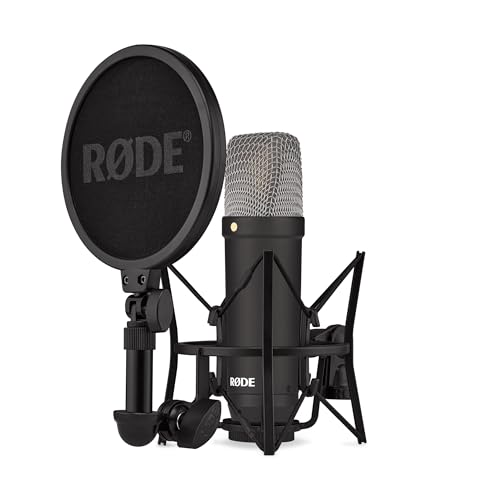
- Very low 4.5 dBA self-noise
- Focused cardioid voice capture
- Shock mount, pop filter, and XLR cable included
Best For: Interface-based podcast and vocal recording
Best Hybrid Connectivity

- USB and XLR connectivity
- Cardioid dynamic voice capture
- USB mute and headphone controls
Best For: Beginner creators planning a future interface upgrade
Best Complete Budget Kit

- 192kHz/24-bit USB recording
- Arm, shock mount, pop filter, and windscreen included
- Plug-and-play cardioid condenser design
Best For: New podcasters needing a ready-to-use microphone kit
Best All-in-One Bundle

- Includes mics, boom arms, and Bluetooth sound card
- DSP effects and real-time monitoring
- Works with phones, tablets, Windows, and macOS
Best For: Dual-host podcasting and feature-rich live production
Best Budget USB Pick

- Plug-and-play USB connection
- Cardioid pickup for focused voice capture
- Tripod stand and volume knob included
Best For: Solo computer-based podcasting and streaming
Best for Flexible Pickup Patterns

- Four selectable pickup patterns
- Onboard gain, mute, and headphone controls
- Blue VO!CE software and zero-latency monitoring
Best For: Podcasters recording solo, interviews, groups, or stereo sources
Best Budget Starter

- Cardioid USB condenser microphone with plug-and-play setup
- Includes tripod, shock mount, and pop filter
- Mute and volume controls for quick adjustments
Best For: Beginners recording podcasts, calls, and streams
Best for Gaming Setups

- 192kHz USB condenser microphone for detailed voice capture
- Tap-to-mute button and gain knob for convenient control
- RGB lighting plus shock mount, pop filter, and tripod
Best For: Gamers and streamers who also record podcasts
Best Boom-Arm Kit

- Boom arm provides flexible positioning and folds away
- Cardioid capsule with shock mount and pop filter
- Touch mute, volume knob, and long USB-C cable
Best For: Creators who want an adjustable desktop recording setup
Best USB All-Rounder – Blue Yeti Blackout
The Blue Yeti Blackout is a versatile condenser microphone for podcasting when you want simple USB setup and flexible recording options. Its four pickup patterns, onboard controls, and included stand make it suitable for solo recording, interviews, streaming, and more.
Best For: Creators who want a plug-and-play USB microphone with multiple pickup patterns and built-in monitoring controls.
Pros:
- Four pickup patterns support cardioid, omnidirectional, bidirectional, and stereo recording.
- USB plug-and-play connectivity works with Mac and PC.
- Onboard gain, headphone volume, mute, and pattern controls simplify recording.
- Blue VO!CE software adds vocal effects and broadcast-style processing.
Cons:
- USB-only connectivity does not provide an XLR upgrade path.
- Its 3.5-pound desktop form factor may be less convenient for portable setups.
The Blue Yeti stands out for flexibility rather than a minimal configuration. Choose it if you want one desktop mic that can handle different recording layouts without adding an audio interface.
Best Studio-Style Upgrade – RØDE NT1 Signature
The RØDE NT1 Signature is a studio-focused condenser microphone for podcasting that uses XLR connectivity and a tight cardioid pattern. It includes the key accessories for recording, but you will need an audio interface to connect it to your setup.
Best For: Podcasters and vocalists building an interface-based recording system who prioritize low self-noise and focused voice capture.
Pros:
- Large-diaphragm condenser design uses the recognized NT1 studio voicing.
- Very low 4.5 dBA self-noise helps keep recordings quiet.
- Cardioid pickup focuses on the speaker and rejects sound from the room.
- Includes an SM6 shock mount, pop filter, XLR cable, and dust cover.
Cons:
- XLR connection requires a separate audio interface.
- It is less immediately plug-and-play than a USB microphone.
The NT1 Signature is a strong choice when you are ready to move beyond basic USB recording. Its included accessories reduce setup costs, while its quiet operation suits detailed vocal work.
Best Hybrid Connectivity – FIFINE AmpliGame AM8
The FIFINE AmpliGame AM8 is a USB/XLR dynamic microphone that offers a practical alternative for creators who want flexible connections. Although it is not a condenser microphone for podcasting, its cardioid design, USB controls, and future XLR upgrade path suit spoken-word and streaming setups.
Best For: Beginners who want convenient USB recording now and the option to connect through an interface later.
Pros:
- USB and XLR connections support both simple and interface-based setups.
- Cardioid dynamic design helps reject unwanted off-axis noise.
- USB mode provides tap-to-mute, headphone monitoring, volume, and gain controls.
- RGB lighting and built-in mounting threads suit gaming and streaming desks.
Cons:
- XLR cable is not included.
- RGB and function controls are inactive when using XLR.
- Its 50Hz–16kHz response is narrower than many studio condenser microphones.
The AM8 makes the most sense for a mixed gaming, streaming, and podcasting workspace. Pick it when connection flexibility and practical USB controls matter more than condenser-style detail.
Best Complete Budget Kit – MAONO A04 USB Microphone
The MAONO A04 is a complete USB condenser microphone for podcasting that bundles the mic with a scissor arm, shock mount, pop filter, windscreen, and cables. Its plug-and-play design is aimed at creators who want to start recording without buying separate mounting accessories.
Best For: Budget-conscious podcasters, streamers, and voice-over creators who need an all-in-one desktop recording kit.
Pros:
- 192kHz/24-bit chipset supports high-resolution USB recording.
- Included arm stand, shock mount, pop filter, and windscreen provide a complete setup.
- Plug-and-play connectivity works with many computers, PS4, PS5, and mobile phones.
- Cardioid 16mm condenser capsule is designed for clear voice reproduction.
Cons:
- USB connection requires a computer or compatible device rather than an XLR interface.
- The stated frequency range is 30Hz–16kHz.
- The desk clamp is intended for desktops less than 2.1 inches thick.
The A04 is especially appealing when accessories are part of the buying decision. It provides a straightforward starting point for spoken-word recording while keeping the basic mounting and wind protection equipment in one package.
Best All-in-One Bundle – Dual-Host Podcast Kit
This all-in-one option is designed for creators who want a condenser microphone for podcasting with the supporting hardware included. The bundle combines condenser microphones, boom arms, a Bluetooth 5.1 sound card, DSP effects, and real-time monitoring for podcasting, streaming, singing, or gaming.
Best For: Dual-host podcasting and creators who want plug-and-play audio effects and monitoring.
Pros:
- Includes condenser microphones, boom arms, and a multifunctional sound card.
- DSP processing, noise filtering, reverb, pitch, and voice-changing effects offer flexible sound customization.
- Supports smartphone, tablet, Windows, and macOS connections through USB or AUX.
- Rechargeable battery provides up to 8 hours of continuous use and supports charging while in use.
Cons:
- The bundle may be more equipment than a solo podcaster needs.
- The supplied details list compatibility broadly but do not specify every included cable or mounting detail.
This is the most feature-packed choice of the three, especially for two-person productions and live content. Choose it if built-in effects and a complete setup matter more than keeping your desk arrangement simple.
Best Budget USB Pick – FIFINE K669B
The FIFINE K669B is a straightforward condenser microphone for podcasting, meetings, voice-overs, and streaming. Its USB plug-and-play design, included tripod, and volume knob make it a practical desktop choice for creators who want to connect directly to a computer.
Best For: Solo podcasters, streamers, and remote workers using a desktop or laptop.
Pros:
- USB-powered setup requires no 48V phantom power supply.
- Cardioid pickup focuses on the main speaker and helps reduce background noise.
- Includes a stable tripod stand and a 5.9-foot USB cable.
- On-mic volume control allows quick level changes or muting the volume to zero.
Cons:
- It is not compatible with Xbox or phones according to the supplied notes.
- The single-channel desktop design is less suited to multi-person recording.
- USB connection limits it to compatible computer and console setups.
This is a sensible entry-level option when ease of setup and a compact desktop footprint are priorities. It offers useful controls and a focused pickup pattern without requiring an audio interface.
Best for Flexible Pickup Patterns – Blue Yeti USB Mic
The Logitech Creators Blue Yeti is a versatile condenser microphone for podcasting, streaming, meetings, and music recording. Its three-capsule array, four pickup patterns, onboard controls, and no-latency monitoring give creators more control over different recording arrangements.
Best For: Podcasters who need cardioid, omnidirectional, bidirectional, and stereo recording modes.
Pros:
- Four pickup patterns support solo vocals, group recording, interviews, and stereo sources.
- Onboard gain, headphone volume, pattern selection, and mute controls simplify operation.
- Blue VO!CE software provides vocal effects, modulation, and HD audio samples.
- Adjustable desktop stand supports positioning, and the mic offers zero-latency monitoring.
Cons:
- Its 3.2-pound weight and larger desktop design may take up more workspace.
- It uses a USB Type-A connection, which may require an adapter for some newer devices.
- The extra pickup patterns may be unnecessary for a solo podcaster who always records close to the mic.
The Blue Yeti is the strongest fit for creators who want one microphone to handle multiple recording layouts. Its controls and pickup-pattern selection add flexibility, while the USB setup keeps it accessible to computer users.
Best Budget Starter – TONOR TC-777 USB Podcast Mic
The TONOR TC-777 is a practical condenser microphone for podcasting when you want a simple USB setup with useful recording accessories. Its cardioid pickup pattern focuses on the speaker in front while helping suppress unwanted background noise.
Best For: Beginners recording podcasts, video calls, voiceovers, and streaming from a Windows or Mac computer.
Pros:
- Plug-and-play USB connection requires no additional drivers.
- Includes a tripod stand, shock mount, and pop filter.
- One-click mute and volume controls simplify recording adjustments.
- Works with Windows, Mac, PS4, PS5, Zoom, Skype, and Discord.
Cons:
- Not compatible with Xbox.
- Its desktop tripod setup offers less positioning flexibility than a boom arm.
The TC-777 is a straightforward all-in-one choice for new podcasters who want essential accessories and easy USB operation without a complicated setup.
Best for Gaming Setups – FIFINE AmpliGame A6V RGB Mic
The FIFINE AmpliGame A6V combines a USB condenser microphone for podcasting with gaming-focused controls and RGB lighting. Its cardioid pattern, 192kHz sampling rate, and 70dB signal-to-noise ratio are designed for detailed voice capture in desktop recording and streaming environments.
Best For: Gamers, streamers, and podcasters who want quick mute and gain controls alongside customizable RGB lighting.
Pros:
- 192kHz sampling rate supports detailed audio capture.
- Tap-to-mute button and gain knob are easy to reach.
- Includes a shock mount, pop filter, tripod, and detachable USB cable.
- Compatible with Windows, Mac, PS4, PS5, Discord, Zoom, OBS, Streamlabs, and Twitch.
Cons:
- Its RGB lighting is primarily an aesthetic feature rather than an audio benefit.
- The supplied specifications list a 60Hz–18kHz frequency range.
The A6V is a strong fit for creators who want a feature-rich desktop microphone with gaming convenience, voice-focused pickup, and a visually prominent RGB design.
Best Boom-Arm Kit – FIFINE AmpliGame A6T USB Mic
The FIFINE AmpliGame A6T is a condenser microphone for podcasting that includes a boom arm for flexible desk positioning. Its cardioid capsule is designed to emphasize front-facing speech, while the shock mount and pop filter help reduce vibration and popping noise.
Best For: Podcasters, gamers, and streamers who need an adjustable boom arm and a longer USB cable for a more organized desktop setup.
Pros:
- Includes a boom arm, C-clamp, shock mount, and detachable pop filter.
- Touch-mute control and a large volume knob support quick adjustments.
- 8.2-foot USB-C to USB-A/C cable offers flexible placement.
- Plug-and-play compatibility with Windows, Mac OS, PS4, and PS5.
Cons:
- The C-clamp is designed for desks up to 2 inches thick.
- The boom arm requires adjustment and setup before use.
- RGB lighting may not suit minimalist recording spaces.
The A6T is the most positioning-friendly option in this group, especially if you prefer pulling the microphone close while recording and folding it away when the desk needs to be cleared.
How We Picked the Best Condenser Microphone for Podcasting
We focused on microphones that suit spoken-word recording and home content creation, then considered connection type, pickup pattern, monitoring features, included accessories, and setup requirements. USB models generally offer the quickest path to recording, while XLR microphones can provide more control and upgrade potential when paired with an audio interface or mixer.
We also considered practical differences between condenser and dynamic designs. Condensers often capture more detail, but they can also reveal room noise, computer fans, and reflections. A microphone’s quality matters, but placement and room conditions matter just as much.
Quick Comparison
| Best for | Recommended type | What to prioritize |
|---|---|---|
| First-time podcasters | USB condenser | Simple setup, headphone monitoring, gain control |
| Flexible home studios | USB/XLR microphone | Multiple connection options and upgrade potential |
| Controlled recording rooms | XLR studio condenser | Audio detail, interface compatibility, acoustic treatment |
| Gaming and streaming | USB microphone | Mute controls, monitoring, lighting, and desk-mount flexibility |
| Multi-person or mobile setups | Podcast kit | Multiple inputs, monitoring, accessories, and mixer controls |
Key Buying Factors for a Condenser Microphone for Podcasting
USB or XLR Connection
USB is usually the easiest option for a computer-based podcast because the microphone connects directly to a PC or Mac. XLR requires additional equipment but can offer better gain control, easier expansion, and compatibility with studio mixers and interfaces. Some hybrid microphones support both.
Pickup Pattern and Room Acoustics
A cardioid pattern is a practical choice for solo speech because it emphasizes sound from the front and reduces pickup from behind. Place the microphone close to your mouth, aim it correctly, and use a pop filter or windscreen. If your room is noisy or highly reflective, a dynamic microphone may be more forgiving than a sensitive condenser.
Monitoring and Controls
Look for a headphone output with low-latency monitoring, plus accessible volume, mute, or gain controls. These features help you catch clipping, background noise, and microphone handling sounds before recording an entire episode.
Included Accessories and Compatibility
Check whether the package includes a stand, shock mount, pop filter, USB cable, or mixer. Confirm operating-system compatibility and available desk space before buying, especially for larger studio microphones and complete podcast bundles.
Who Should Buy Which Condenser Microphone for Podcasting?
Choose the Blue Yeti, MAONO A04, TONOR, or FIFINE K669B if you want an affordable USB Condenser Microphone for Podcasting with minimal setup. These are sensible starting points for solo creators, meetings, voiceovers, and casual streaming.
Choose a FIFINE AmpliGame model if gaming and streaming features such as RGB lighting, mute controls, or a desk-friendly design are part of your priorities.
Choose the RØDE NT1 Signature if you already have an audio interface and record in a reasonably quiet, treated space where a detailed studio condenser can perform at its best.
Choose the FIFINE AM8 or a complete podcast bundle if you want more connection flexibility or equipment for a broader recording setup. Before purchasing, verify the bundle’s included accessories and make sure its mixer or sound card meets your input and monitoring needs.