Old negatives and slides can hold incredible detail, but dust, scratches, and fading often get in the way. The right scanner can recover those memories with less cleanup and more consistent results.
This roundup of the best film scanners with dust removal for 2026 focuses on models that help reduce retouching, improve scan quality, and fit different budgets and workflows.
Best 10 Film Scanners with Dust Removal Picks for 2026
Premium 35mm Detail

- Built-in infrared dust/scratch removal
- 7200 dpi for 35mm negatives and slides
- Includes SilverFast SE Plus 9 software
Best For: 35mm film users who want infrared dust removal and very high-resolution scans
Pro Flatbed Clean-Up
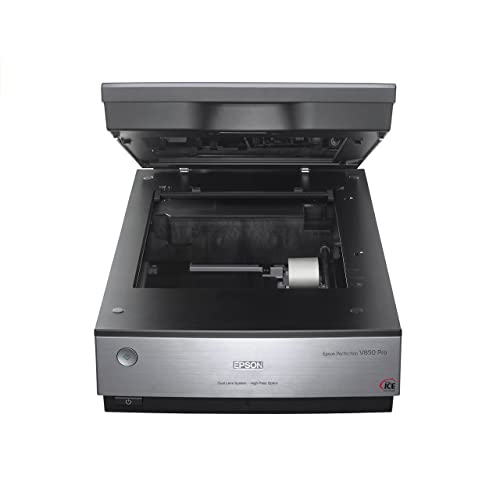
- Digital ICE dust and scratch removal
- Dual lens system for optimal scanning
- 6400 dpi with 4.0 Dmax tonal range
Best For: Photographers and archivists who want a flatbed with dust removal and flexible film support
IR Performance Boost

- 5-element lens improves infrared dust detection
- Batch scans 4 slides or 6 frames at once
- 7200 dpi with SilverFast Ai Studio bundle
Best For: 35mm users who want stronger infrared dust removal and faster batch scanning
Simple All-in-One Scan

- Supports 135mm, 110mm, and 126mm film
- Direct SD/SDHC saving for computer-free use
- One-touch editing and tray-fed workflow
Best For: Home users who want easy mixed-format film scanning and direct SD saving
Premium 35mm Slide Scanner
Plustek OpticFilm 8300i Ai Film Scanner
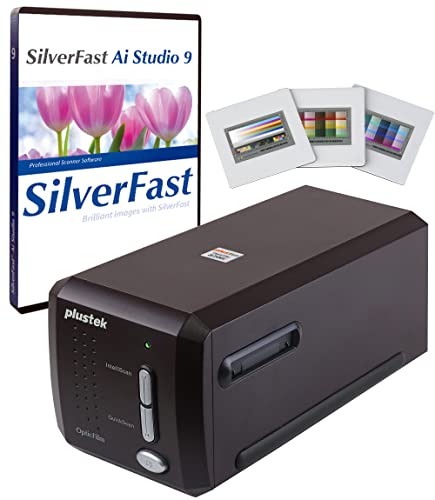
- Built-in infrared iSRD dust removal
- 7200 resolution with 16-bit color depth
- Includes SilverFast 9 Ai Studio and IT8 targets
Best For: Enthusiasts and archivists scanning 35mm film with advanced cleanup tools
Easy-Use Film Viewer
KODAK Slide N Scan Film & Slide Scanner
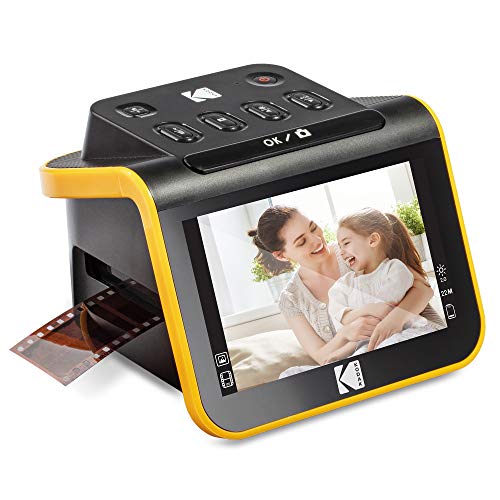
- Supports 135, 110, 126 negatives and 50mm slides
- 5-inch LCD for previewing and editing on device
- Includes cleaning brush and easy-load trays
Best For: Casual digitizing of mixed old slides and negatives
Restoration Scanner
Epson Perfection V550 Photo Scanner

- Digital ICE reduces dust and scratches on film
- 6400 dpi optical resolution for detailed scans
- Scans slides, negatives, photos, and documents
Best For: Restoring film and photos with dust and scratch reduction
Easy Home Scanning
ClearClick Virtuoso 3.0 22MP Film Scanner

- Scans 35mm, 110, 126, and 50mm slides
- 7" LCD preview screen for real-time viewing
- No computer required; saves to SD card
Best For: Casual users who want simple standalone scanning
Dust-Correction Pro Pick
Plustek OpticFilm 8300i SE 35mm Scanner

- Infrared channel with SilverFast iSRD dust removal
- 7200 dpi scanning for 35mm negatives and slides
- Includes SilverFast SE Plus 9 and QuickScan Plus
Best For: Film archiving with automated dust and scratch cleanup
Batch Scanning Upgrade
Plustek OpticFilm 135i 35mm Scanner

- Infrared support for dust and scratch detection
- Batch scans multiple slides and negatives
- 7200 dpi resolution for 35mm film
Best For: 35mm users scanning large sets of slides and negatives
Premium 35mm Detail – Plustek OpticFilm 8200i SE
If you want film scanners with dust removal focused on 35mm negatives and mounted slides, the Plustek OpticFilm 8200i SE is built for high-detail archival work. Its built-in infrared channel is designed to detect dust and scratches on the original film surface, helping you clean up scans without extensive manual retouching. With 7200 dpi output and 48-bit color depth, it is aimed at users who want maximum image detail from a compact desktop scanner.
Best For: 35mm film users who want infrared dust and scratch removal plus very high-resolution scans.
Pros:
- Integrated infrared dust/scratch removal helps detect surface defects on negatives and slides.
- 7200 x 7200 dpi resolution captures highly detailed 35mm scans.
- 48-bit input and 24/48-bit output support serious color work.
- Includes SilverFast SE Plus 9 and Plustek QuickScan software.
Cons:
- Designed specifically for 35mm film and mounted slides, not larger formats.
- More specialized than all-in-one flatbed-style scanners.
This is a strong choice if dust removal and scan quality matter more than speed or broad format support. The multi-exposure function and software bundle add value for users building a careful film digitizing workflow.
Pro Flatbed Clean-Up – Epson V850 Pro Photo Scanner
The Epson Perfection V850 Pro is one of the more capable film scanners with dust removal for users who want a flatbed workflow. Its Digital ICE support is the key feature for reducing visible dust and scratches on film, while the dual lens system automatically selects the best lens for the task. With 6400 dpi resolution and a 4.0 Dmax tonal range, it is designed for detailed scans with smooth gradations and fine shadow detail.
Best For: Photographers and archivists who want a flatbed scanner with Digital ICE dust removal and broad film handling.
Pros:
- Digital ICE helps remove dust and scratches from film scans.
- Dual lens system chooses the best lens for optimum results.
- 6400 dpi resolution and 4.0 Dmax support detailed tonal work.
- Flatbed design is suited to a range of photo scanning tasks.
Cons:
- Larger and heavier than compact dedicated film scanners.
- Older OS compatibility may matter for some buyers.
If you want a versatile scanner with proven dust-reduction technology, this model is a practical option. It leans toward image quality and flexibility rather than a small footprint or quick one-format operation.
IR Performance Boost – Plustek OpticFilm 135i Ai
For buyers comparing film scanners with dust removal, the Plustek OpticFilm 135i Ai stands out for its infrared-focused design. The newly designed 5-element lens is meant to reduce light refraction and improve edge stability, which the company says is especially important for infrared detection of dust and scratches. It also supports batch scanning and comes with two sets of film holders, making it a strong fit for organized 35mm digitizing.
Best For: 35mm users who want improved infrared dust removal performance and batch scanning efficiency.
Pros:
- 5-element lens is designed to improve infrared dust and scratch detection.
- Supports multiple 35mm film types, including panoramic and half-frame formats.
- Batch scans four slides or six frames at once with included holders.
- 7200 dpi resolution and SilverFast Ai Studio bundle add serious scanning capability.
Cons:
- Panoramic film holder is optional.
- Limited to 35mm film formats rather than larger originals.
This model is aimed at users who care about infrared performance as much as resolution. If your workflow includes many 35mm frames, the batch-friendly holder setup can save time while keeping cleanup more automated.
Simple All-in-One Scan – KODAK Slide N Scan Max
If you want a straightforward film scanner with dust removal features built into a simple workflow, the KODAK Slide N Scan Max is aimed at convenience. It supports 135mm, 110mm, and 126mm film, plus both slides and color or black-and-white negatives. While it does not list a dedicated infrared dust-removal system, it offers streamlined tray feeding and one-touch editing to make digitizing old film less tedious.
Best For: Home users who want an easy-to-use scanner for mixed film formats and direct SD saving.
Pros:
- Supports 135mm, 110mm, and 126mm film formats.
- Direct SD/SDHC saving eliminates the need for a computer during scanning.
- One-touch editing simplifies resizing, converting, and adjusting images.
- Tray-fed design makes film handling more streamlined.
Cons:
- No integrated infrared dust/scratch removal is listed in the supplied details.
- Resolution and sensor setup are more modest than premium dedicated scanners.
This is a practical choice if ease of use matters more than advanced cleanup tools. It is best viewed as a simple digitizing solution for mixed home archives rather than a restoration-focused scanner.
Premium 35mm Slide Scanner – Plustek OpticFilm 8300i Ai Film Scanner
If you want film scanners with dust removal for 35mm slides and negatives, the Plustek OpticFilm 8300i Ai is built for serious desktop archiving. It pairs a 7200 resolution CCD design with bundled SilverFast 9 Ai Studio, including built-in infrared iSRD dust removal and other restoration tools for more controlled scans.
Best For: Enthusiasts and archivists who want high-resolution 35mm scanning with advanced software-based dust removal.
Pros:
- SilverFast 9 includes built-in infrared iSRD, HDRi, Multi-Exposure, and NegaFix tools.
- 7200 resolution and 16-bit color depth support detailed film digitizing.
- Includes advanced IT8 calibration targets for more accurate color workflow.
- Fast, newly launched model with 38% higher scan speed than the previous version.
Cons:
- Designed specifically for 35mm slides and film, so it is less flexible than all-in-one scanners.
- Requires more hands-on software workflow than a one-touch consumer model.
This is the strongest pick here for users who care most about scan quality and restoration tools, especially when dust and film defects matter. If you want a dedicated film scanner with dust removal and professional calibration support, this model is hard to overlook.
Easy-Use Film Viewer – KODAK Slide N Scan Film & Slide Scanner
The KODAK Slide N Scan is a practical choice if you want film scanners with dust removal in a simple, fast-loading package. It supports multiple negative and slide formats, lets you preview scans on a 5-inch LCD, and includes a cleaning brush for basic prep before digitizing.
Best For: Casual users who want an easy standalone scanner for old slides and negatives.
Pros:
- Fast, easy-load tray design makes continuous scanning simple.
- 5-inch LCD helps preview and edit without a computer.
- Supports 135, 110, and 126 negatives plus 50mm slides.
- Includes a cleaning brush and direct-to-SD workflow.
Cons:
- No built-in infrared dust-removal system is listed in the supplied notes.
- Uses a fixed 22MP capture approach rather than a dedicated film-scanner workflow.
For families or hobbyists who want a straightforward way to save old photos, this model emphasizes convenience over advanced restoration. It is best viewed as an easy archival tool, not a dust-removal specialist.
Restoration Scanner – Epson Perfection V550 Photo Scanner
Among film scanners with dust removal, the Epson Perfection V550 stands out for its Digital ICE technology, which removes the appearance of dust and scratches on film. With 6400 dpi optical resolution and a built-in transparency unit, it is a strong option for users who want to restore 35mm slides, negatives, and other originals with more editing flexibility.
Best For: Photo restorers and film users who want dust and scratch reduction in a versatile flatbed scanner.
Pros:
- Digital ICE technology helps remove dust and scratches from film.
- 6400 dpi optical resolution supports detailed enlargements.
- Built-in transparency unit handles 35mm slides and negatives.
- Also scans photos and documents, making it a versatile all-purpose scanner.
Cons:
- Bulkier than dedicated film scanners because it is a flatbed design.
- Not as specialized as a dedicated 35mm film scanner for maximum film workflow speed.
If your priority is cleaning up aging film as well as scanning prints and paperwork, the V550 is a very capable all-rounder. Its Digital ICE feature makes it especially relevant for anyone comparing film scanners with dust removal.
Easy Home Scanning – ClearClick Virtuoso 3.0 22MP Film Scanner
If you want a straightforward film scanner with dust removal support, the ClearClick Virtuoso 3.0 focuses on simple conversion rather than software complexity. It scans 35mm, 110, and 126 negatives plus 50mm slides, saves directly to an SD card, and gives you a large 7″ LCD for real-time previewing as you work.
Best For: Casual users who want an easy no-computer scanner for slides and negatives.
Pros:
- Supports 35mm, 110, and 126 negatives plus 50mm slides
- Large 7″ screen makes previewing and scanning simple
- No computer or drivers required; scans to SD card
- Mini HDMI output lets you view scans on a TV
Cons:
- No built-in dust removal feature is listed in the supplied details
- SD card is not included
- Resolution is 14MP native, with 22MP interpolated output
Overall, this is a practical pick if you value convenience, broad film compatibility, and a guided workflow. It is less suited to users who need advanced dust and scratch correction built into the scanner itself.
Dust-Correction Pro Pick – Plustek OpticFilm 8300i SE 35mm Scanner
For buyers comparing film scanners with dust removal, the Plustek OpticFilm 8300i SE stands out because it includes an infrared channel and SilverFast iSRD software for automatic dust and scratch removal. It is built for 35mm negatives and mounted slides, with a high-resolution 7200 dpi scan path and bundled software aimed at serious archiving.
Best For: Users who want automated dust and scratch removal for 35mm film and slides.
Pros:
- Built-in infrared channel supports SilverFast iSRD dust and scratch removal
- Up to 7200 x 7200 dpi resolution with 3.91 Dmax claim
- Bundle includes SilverFast SE Plus 9 and QuickScan Plus
- Supports Windows and Mac, with USB flash drive included
Cons:
- Limited to 35mm negatives and slides
- Works through supplied software, so setup is less plug-and-play than a basic standalone scanner
- Premium feature set may be more than occasional users need
This model makes the most sense if dust cleanup is a priority and you want software-assisted restoration built into the workflow. It is a stronger fit for dedicated film archiving than for quick, casual scanning.
Batch Scanning Upgrade – Plustek OpticFilm 135i 35mm Scanner
If you need a film scanner with dust removal support and faster handling of multiple frames, the Plustek OpticFilm 135i is designed around productivity. It uses a 5-element lens for better edge stability during infrared dust and scratch detection, and it supports batch scanning with holders for multiple slides or film frames at once.
Best For: 35mm users who want batch scanning and infrared-based dust/scratch detection.
Pros:
- Infrared support is designed to help with dust and scratch detection
- Batch scans multiple slides or negatives using included film holders
- 7200 x 7200 dpi resolution for 35mm film and mounted slides
- 5-element lens is intended to improve image stability and IR performance
Cons:
- Only supports 35mm film formats
- Panoramic film holder is optional
- Requires software workflow and Windows 7 or later support
Compared with basic scanners, this one is better suited to users working through a larger 35mm archive. Its batch workflow and infrared design make it a strong choice when dust management and efficiency both matter.
How We Picked the Best Film Scanners with Dust Removal
We focused on Film Scanners with Dust Removal that offer a practical mix of image quality, workflow speed, and reliability. Priority went to models with infrared-based dust and scratch reduction, strong optical resolution, and software support that makes editing easier.
We also considered whether a scanner is better for casual home archiving or more serious batch work, since the best choice depends on how many slides or negatives you need to digitize.
Quick Comparison
Flatbed scanners such as the Epson models are versatile and can handle prints, documents, and film, while dedicated 35mm scanners from Plustek are usually the stronger option for slide and negative detail. Consumer slide scanners from Kodak and ClearClick tend to be simpler to use, with built-in screens and straightforward controls.
If you want the highest potential image quality, look closely at dedicated Film Scanners with Dust Removal and good software. If convenience matters more than advanced editing, a screen-equipped standalone scanner may be the better fit.
Key Buying Factors for Film Scanners with Dust Removal
Dust and Scratch Removal Method
Infrared dust removal systems, such as Digital ICE or similar technology, are the most important feature here. They can help minimize visible dust and minor scratches without heavy manual retouching.
Film Format Support
Check whether the scanner supports 35mm negatives, mounted slides, or larger formats like 110 and 126. The right format support matters more than headline resolution if your archive includes mixed media.
Resolution and Real Detail
Higher DPI can help preserve fine detail, but software quality and optical design matter too. A very high number on the box does not guarantee better results if the scanner optics or workflow are weak.
Software and Color Handling
Look for included software with color correction, dust reduction controls, and film profiles. Good software can save time and improve consistency, especially when scanning faded color film or dense black-and-white negatives.
Speed and Batch Workflow
If you have a large archive, scan speed, batch support, and tray handling are worth paying for. For smaller collections, simplicity and image quality may matter more than throughput.
Who Should Buy Which Film Scanners with Dust Removal?
Choose a dedicated Plustek model if you want the strongest film-focused workflow and are mainly scanning 35mm slides or negatives. Choose an Epson flatbed if you need one scanner for film, prints, and documents. Choose a Kodak or ClearClick standalone scanner if you want an easier, more self-contained experience with minimal setup.
In short, the best Film Scanners with Dust Removal are the ones that match your archive size, your film formats, and how much editing you want to do after the scan.