Choosing the right graphing calculator can make college math, science, and engineering courses much easier to manage. The best options balance exam approval, speed, display clarity, and the features you actually need.
This roundup highlights ten strong picks for graphing calculators for college students, from straightforward classroom models to advanced devices for calculus, statistics, and programming.
Best 10 Graphing Calculators for College Students Picks for 2026
Student-Friendly Color Graphing

- Color graphs improve readability
- MathPrint supports textbook-style entry
- Rechargeable battery lasts up to one month
Best For: Students who want a lightweight, rechargeable graphing calculator for class
Budget Graphing Combo

- Scientific and graphing features in one
- 360+ functions with three smart modes
- Compact body includes protective case
Best For: Students who want a budget-friendly all-in-one math calculator
Exam-Ready Classic
TI-84 Plus Graphics Calculator

- Exam-approved with preloaded software
- Supports up to ten graphs at once
- Split-screen and zoom tools aid analysis
Best For: Students who want a proven TI calculator for college math and exams
Color STEM Power
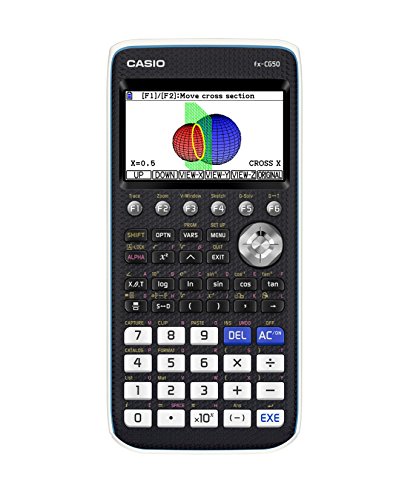
- High-res color display with 3D graphing
- Exam-approved for major tests
- MicroPython support adds programming
Best For: Students in STEM courses who want advanced graphing and programming features
New TI-84 for Faster Classroom Use
TI-84 Evo White with Bigger Graphs

- Icon-based homescreen for faster navigation
- 3x faster performance for smoother calculations
- 50% more graphing space for clearer graphs
Best For: Students who want a familiar TI-84 layout with quicker performance and a cleaner screen for routine college math.
Color Touchscreen Power
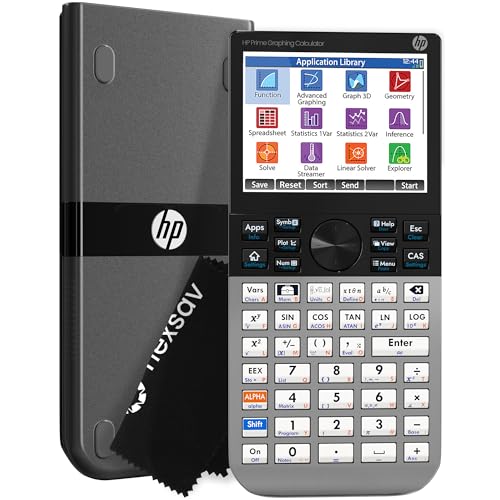
- CAS, dynamic geometry, and spreadsheet tools
- 3.5-inch multi-touch color display with pinch-to-zoom
- Approved for PSAT/NMSQT, SAT, IB, and select AP exams
Best For: STEM students who want a touchscreen graphing calculator with CAS and advanced classroom features.
Visual Learning Plus Software

- Full-color display for multiple visualizations
- Includes 4-year PC/Mac software license
- Approved for PSAT/NMSQT, SAT, ACT, AP, and IB
Best For: Students who want a color graphing calculator with companion software and exam approval for major standardized tests.
Student-Friendly Python Graphing

- Natural Textbook Display for readable math
- MicroPython, spreadsheets, vectors, and distributions
- Approved for AP, SAT, ACT, and IB exams
Best For: college students needing an exam-approved calculator with Python support
Color CAS Powerhouse

- CAS support for advanced symbolic math
- Color screen with multiple graph styles
- Includes PC/Mac student software
Best For: students taking advanced math who want CAS and software support
Exam-Ready Python Graphing

- Textbook-style display for easier input
- MicroPython and USB file transfer
- Exam-approved for AP, SAT, ACT, and IB
Best For: students wanting a classic black exam-approved graphing calculator
Student-Friendly Color Graphing – TI-84 Plus CE Black
If you want graphing calculators for college students that are easy to use in class and strong enough for long-term coursework, the TI-84 Plus CE is a familiar pick. It combines color graphs, MathPrint input, and a rechargeable battery, making it practical for algebra, calculus, and science classes where clear screen readability matters.
Best For: Students who want a lightweight, exam-friendly graphing calculator with a color screen and rechargeable power.
Pros:
- Color graphing helps make functions and connections easier to read.
- MathPrint shows symbols, formulas, and stacked fractions like a textbook.
- Rechargeable battery can last up to one month per charge.
- Includes a 4-year TI-84 Plus CE online calculator subscription.
Cons:
- Uses a smaller 2.8-inch display than some larger graphing models.
- Battery-powered design still depends on keeping it charged for class use.
Overall, this model is a solid all-around choice if you want dependable graphing performance with a modern color display. Its classroom-friendly feature set and lightweight build make it easy to carry through a full college schedule.
Budget Graphing Combo – CATIGA CS-121
For graphing calculators for college students on a tighter budget, the CATIGA CS-121 aims to bridge the gap between a basic scientific calculator and a full graphing model. It offers graphing, equation solving, and 360+ functions in a compact body, so it can handle a wide range of math courses without taking up much space.
Best For: Students who want a lower-cost calculator with both scientific and graphing features.
Pros:
- Combines scientific and graphing functions in one calculator.
- Includes 360+ functions with three smart modes.
- Compact, lightweight design is easy to carry in a backpack.
- Protective case and anti-drop housing add everyday durability.
Cons:
- Smaller 3-inch LCD is less expansive than premium graphing models.
- Battery type is LR44, which is less convenient than rechargeables.
This is a practical pick if you need core graphing ability without paying for a premium classroom calculator. It looks especially appealing for students who value portability and broad function coverage over advanced extras.
Exam-Ready Classic – TI-84 Plus Graphics Calculator
Texas Instruments TI-84 Plus Graphics Calculator, Black 320 x 240 pixels (2.8" diagonal)
Check Price On AmazonThe TI-84 Plus is a classic option among graphing calculators for college students who want a familiar, exam-approved tool with proven classroom features. It supports multiple saved graphs, split-screen viewing, and a vibrant backlit display, which makes it useful when you need to compare functions or work through more advanced assignments.
Best For: Students who prefer a traditional TI graphing calculator with exam-approved features and advanced graphing tools.
Pros:
- Preloaded software includes Cabri Jr. interactive geometry tools.
- Can define, save, graph, and analyze up to ten functions at once.
- Split-screen options and multiple graph styles help with comparisons.
- Backlit color screen and zoom features improve readability and analysis.
Cons:
- Uses a smaller 2.5-inch screen than some newer graphing calculators.
- Heavier build than some lightweight student models.
If you want a dependable, widely recognized graphing calculator, this model still covers the essentials well. Its menu-driven workflow and classroom-tested feature set make it a safe choice for many college math courses.
Color STEM Power – Casio Prizm FX-CG50
If you’re comparing graphing calculators for college students in science or engineering, the Casio Prizm FX-CG50 stands out for its color display and 3D graphing support. It combines natural textbook-style entry with advanced math, statistics, geometry, and Python integration, giving students a versatile tool for more technical coursework.
Best For: Students in math-heavy, science, or engineering courses who want a color calculator with advanced features.
Pros:
- High-resolution color display makes graphs and 3D shapes easier to read.
- Supports advanced math functions, statistics, and geometry.
- Exam-approved for AP, SAT, ACT, and IB use.
- Includes MicroPython integration for programming and file transfer.
Cons:
- Four AAA batteries are required instead of a rechargeable battery.
- Larger feature set may be more than some students need for basic classes.
This model is a strong fit if you want more visual power and programming flexibility than a basic graphing calculator offers. Its mix of exam approval and advanced STEM tools makes it especially appealing for demanding college coursework.
New TI-84 for Faster Classroom Use – TI-84 Evo White with Bigger Graphs
If you’re comparing graphing calculators for college students, the TI-84 Evo is a straightforward pick for everyday math classes. It keeps the familiar TI-84 workflow but adds an icon-based homescreen, faster performance, and more graphing space so it feels easier to use when you’re moving between homework, quizzes, and lab work.
Best For: Students who want a familiar TI-84 layout with quicker performance and a cleaner screen for routine college math.
Pros:
- Icon-based homescreen puts common math tools front and center.
- 3x faster performance helps with quicker calculations and smoother graphing.
- 50% more graphing space makes patterns and relationships easier to see.
- Simplified keypad design uses larger buttons and reduced clutter.
Cons:
- Battery powered, so it is not a rechargeable-only design.
- Black-and-white style focus may matter less if you want advanced color visuals.
This is a practical upgrade for students who already like the TI-84 ecosystem and want a faster, easier-to-read calculator without relearning the basics.
Color Touchscreen Power – HP Prime G2 with CAS
Among graphing calculators for college students, the HP Prime G2 stands out if you want more advanced tools and a more interactive screen. Its computer algebra system, dynamic geometry, and multi-touch color display make it a strong choice for students who want to switch between symbolic, graphical, and numerical views while working through demanding coursework.
Best For: STEM students who want a touchscreen graphing calculator with CAS and advanced classroom features.
Pros:
- Computer algebra system, dynamic geometry, and spreadsheet applications support advanced math work.
- 3.5-inch multi-touch color display includes pinch-to-zoom and interactive graph manipulation.
- Approved for PSAT/NMSQT, SAT, IB, and select AP exams.
- Includes wireless connectivity options, app integration, case, cloth, and rechargeable battery.
Cons:
- Advanced feature set may be more than basic college math students need.
- Compatibility with some exams is noted as select AP rather than universal approval.
If your classes go beyond standard graphing and into higher-level STEM work, the HP Prime G2 offers a lot of depth in a compact, exam-ready package.
Visual Learning Plus Software – TI-Nspire CX II with Software
If you want a graphing calculator for college students that leans into visual learning, the TI-Nspire CX II is built for showing multiple views of the same concept. Its full-color display, computer-like features, and included PC/Mac software make it a strong fit for students who like to study on both the calculator and their computer.
Best For: Students who want a color graphing calculator with companion software and exam approval for major standardized tests.
Pros:
- High-resolution full-color display helps connect multiple visualizations of one concept.
- Includes a 4-year license of computer software for PC/Mac use.
- Long-lasting rechargeable battery keeps it portable for daily classes.
- Approved for PSAT/NMSQT, SAT, ACT, AP, and IB Diploma Programme exams.
Cons:
- Screen size is smaller than some larger touchscreen competitors.
- Focuses more on learning tools and visuals than on touchscreen interaction.
This is a well-rounded choice for students who want strong visuals, desktop software support, and broad exam compatibility in one package.
Student-Friendly Python Graphing – Casio fx-9750GIII (Pink)
If you’re comparing graphing calculators for college students, the Casio fx-9750GIII is a practical choice for math and science classes that need more than basic graphing. Its Natural Textbook Display makes expressions easier to read, while Python support, spreadsheet tools, vectors, and probability distributions add real flexibility for coursework.
Best For: Students who want an exam-approved graphing calculator with Python support and a familiar textbook-style display.
Pros:
- Natural Textbook Display helps formulas and results look like textbook math.
- Supports graph plotting, vectors, integrals, spreadsheets, and probability distributions.
- MicroPython integration adds programming capability for STEM classes.
- Approved for AP, SAT, ACT, IB, and other standardized exams.
Cons:
- Pink color may not appeal to everyone.
- Uses AAA batteries instead of a rechargeable pack.
- LCD display is functional rather than high-end color.
Overall, this model stands out for students who want broad classroom functionality without giving up exam compatibility. It covers the essentials for advanced math while adding useful programming features.
Color CAS Powerhouse – TI-Nspire CX II CAS
Texas Instruments TI-Nspire CX II CAS Color Graphing Calculator with Student Software (PC/Mac)
Check Price On AmazonAmong graphing calculators for college students, the TI-Nspire CX II CAS is aimed at users who want strong graphing tools plus a computer algebra system. The color screen, touchpad navigation, and included student software make it a capable option for classes that benefit from more advanced visual and symbolic work.
Best For: College students who need a powerful CAS calculator with color graphing and companion software for PC or Mac.
Pros:
- Computer Algebra System adds advanced symbolic math capability.
- Color screen with six graph styles and 15 colors for clear graph separation.
- Includes TI-Inspire CX Student Software for expanded functionality.
- Rechargeable battery can last up to two weeks on a charge.
Cons:
- More specialized than basic graphing calculators.
- Only one included battery system, so charging is required.
- May be more calculator than needed for entry-level courses.
This model is a strong pick when coursework demands more than standard graph plotting. Its CAS features and software bundle make it especially useful for higher-level math workflows.
Exam-Ready Python Graphing – Casio fx-9750GIII (Black)
If you want graphing calculators for college students that stay practical across many courses, this Casio fx-9750GIII in black delivers the same classroom-friendly feature set in a simpler finish. It offers a Natural Textbook Display, MicroPython support, and exam approval for major standardized tests, making it a dependable everyday option.
Best For: Students who want the same exam-approved Casio graphing platform in a classic black color.
Pros:
- Natural Textbook Display makes equations easier to read and enter.
- MicroPython support adds programming flexibility for STEM work.
- Approved for AP, SAT, ACT, IB, and other standardized exams.
- Includes USB connectivity for file transfer to and from a computer.
Cons:
- Uses AAA batteries rather than rechargeable power.
- LCD screen is functional but not color-based.
- Feature set may be more than needed for simple math courses.
As a straightforward alternative to the pink version, this calculator offers the same core strengths with a more traditional look. It is a solid pick for students who want broad class compatibility and programming support.
How We Picked the Best Graphing Calculators for College Students
For Graphing Calculators for College Students, the most important factors are class and exam compatibility, ease of use, display quality, battery life, and whether the feature set matches the course level. We prioritized models that are widely used in college STEM programs and that offer a practical mix of power and simplicity.
Quick Comparison
If you want a straightforward calculator for standard algebra, precalculus, or intro statistics, a familiar TI-84-style model is usually the easiest choice. If you need more advanced math tools, color displays, Python support, or computer algebra features, the TI-Nspire, HP Prime, and Casio color models are stronger fits.
Key Buying Factors for Graphing Calculators for College Students
Course Requirements
Always check your syllabus or department rules first. Some exams allow only approved models, and some classes require a specific calculator family. Buying the wrong one can create avoidable problems before midterms or finals.
Display and Readability
A clear screen matters more than many buyers expect. Higher-resolution and color displays make graphs, tables, and equations easier to interpret, especially during fast-paced homework sessions.
Functionality Level
Basic graphing is enough for many general education courses, but engineering, physics, and upper-level math may benefit from advanced features such as CAS, Python, or multi-function graphing. Choose the least complicated model that still covers your coursework.
Exam Approval and Portability
For many students, portability and approval are just as important as raw features. Lightweight models with long battery life and exam-safe designs are easier to carry daily and less stressful to use on test day.
Who Should Buy Which Graphing Calculators for College Students?
Students who want a safe, familiar option should look at TI-84-style calculators. Those who want more advanced visualization or programming may prefer the TI-Nspire, HP Prime G2, or Casio color models. If budget is the top concern, simpler graphing-capable models can still handle many entry-level college courses without overspending.
In short, the best choice depends on your coursework, exam rules, and how much flexibility you want. For Graphing Calculators for College Students, prioritizing the right feature set is more important than buying the most powerful model available.