When your photo archive lives across multiple drives, the right duplicator can save time and reduce risk. The best models make it easy to clone, copy, or sanitize drives without relying on a computer.
This roundup focuses on dependable hard drive duplicators for photo storage, with options for simple dual-bay use, multi-target duplication, and workflows that support both HDDs and SSDs.
Best 10 Hard Drive Duplicators for Photo Storage Picks for 2026
Budget Dual-Bay Cloner for Simple Photo Backups
SABRENT Dual Bay Dock & Cloner
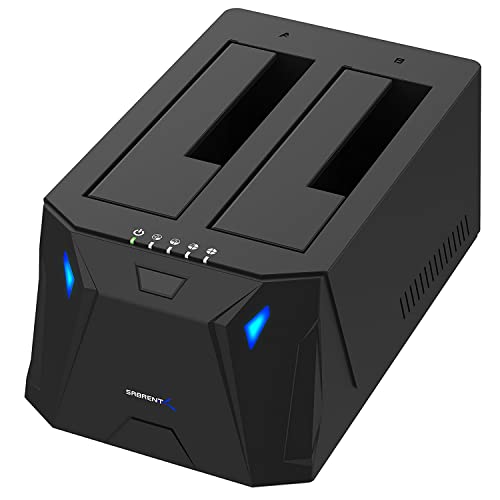
- Offline clone support for drive-to-drive copies
- Works with 2.5-inch and 3.5-inch SATA HDDs/SSDs
- Plug-and-play USB 3.0 dock with no drivers needed
Best For: simple offline cloning and USB access for photo drives
Image-Management Duplicator for Organized Archives

- Built-in image library manager for backup and restore
- Four duplication modes with LCD and LED indicators
- Standalone SATA III duplicator for HDDs and SSDs
Best For: backup, restore, and image library workflows
Compact Offline Cloner for Mixed-Device Storage

- Offline cloning plus USB 3.0 dock functionality
- Supports up to 44TB across two SATA bays
- Works with PCs, Macs, Linux, Android, TVs, and more
Best For: compact cloning and cross-device photo storage access
High-Capacity Multi-Drive Sanitizer for Archive Workloads

- Copies multiple drives simultaneously in standalone mode
- Supports both 2.5-inch and 3.5-inch HDDs/SSDs
- Also erases drives with DoD 5220.22-M sanitization support
Best For: larger multi-drive duplication and drive sanitization
Dual-Bay Offline Cloner
Dual Bay SATA Dock for Fast Photo Backups

- Offline one-key cloning with no computer needed
- Supports 2.5-inch and 3.5-inch SATA drives
- Up to 40TB total capacity with 5Gbps USB
Best For: People needing a simple dual-bay SATA duplicator for photo backups and large media storage
High-Speed Multi-Copy Duplicator
1:11 HDD/SSD Duplicator for Bulk Photo Archives
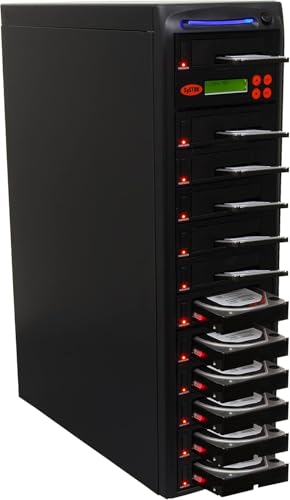
- Copies multiple drives simultaneously without a computer
- Up to 150MB/s and 9GB per minute claimed speed
- Supports drive duplication and DoD 5220.22-M sanitization
Best For: Bulk drive duplication and sanitization in a standalone photo storage workflow
Triple-Bay Mixed-Drive Cloner
NVMe and SATA Dock for Photo Libraries

- Clones NVMe and SATA drives with one-touch offline copying
- Three bays for accessing multiple drives at once
- USB 3.2 Gen 2 up to 10Gbps with tool-free swapping
Best For: Mixed NVMe and SATA photo storage setups that need flexible cloning and access
Stand-Alone Cloning & Sanitizing
DupliM 1:1 SATA/IDE Duplicator

- Stand-alone sector-by-sector cloning
- Sanitize up to 2 drives with verify
- Supports SATA, IDE, and up to 8TB drives
Best For: mixed drive photo archives and secure wiping
Dual-Bay Dock with Offline Clone
WAVLINK USB 3.0/USB-C SATA Dock

- Offline clone for SATA drives
- USB 3.0 and USB-C connectivity
- Tool-free, hot-swappable dual-bay dock
Best For: SATA photo backups and everyday drive access
4-Bay Cloner and Eraser
StarTech SATDOCK4U3RE 4-Bay Duplicator

- Standalone 1:3 cloning and erasing
- Supports SATA drives plus IDE adapters
- LCD menu with quick and secure erase
Best For: professional photo archive cloning and secure wiping
Budget Dual-Bay Cloner for Simple Photo Backups – SABRENT Dual Bay Dock & Cloner
If you want one of the more straightforward hard drive duplicators for photo storage, this Sabrent dual-bay dock is built for easy offline cloning and everyday USB use. It supports 2.5-inch and 3.5-inch SATA hard drives and SSDs, so it works well for moving photo libraries between drives without extra software.
Best For: photographers and home users who want a simple dock that can clone drives offline and also function as a USB 3.0 drive reader.
Pros:
- Offline cloning support makes drive-to-drive copies easy without a computer.
- Works with standard 2.5-inch and 3.5-inch SATA HDDs and SSDs.
- Supports drives up to 10TB and up to 20TB total capacity.
- Plug-and-play design with no drivers needed.
Cons:
- Offline cloning speed is listed up to 60MB/s, which is not the fastest option.
- Only supports two drives at a time.
- Best suited to SATA drives, not wider multi-bay workflows.
This is a practical pick if you mainly want a compact way to duplicate photo archives and quickly access drives over USB 3.0. It is less about advanced imaging features and more about simple, dependable cloning.
Image-Management Duplicator for Organized Archives – StarTech SATA Duplicator
Among hard drive duplicators for photo storage, this StarTech unit stands out because it can do more than basic cloning. Its built-in image library manager lets you store and restore disk images, which is useful when you need a repeatable way to back up or deploy photo workstations and archive drives.
Best For: IT-focused users or power users who want a standalone duplicator with image management for backup and restore workflows.
Pros:
- Built-in image library manager supports backup and restore workflows.
- Four duplication modes give more flexibility than a basic cloner.
- Supports 2.5-inch and 3.5-inch SATA HDDs/SSDs of any capacity.
- Standalone operation with LCD display, LED indicators, and no PC required.
Cons:
- Only duplicates one target drive at a time.
- Accessory support for some interfaces requires separate adapters.
- More specialized than a simple plug-and-clone dock.
If your photo storage setup needs image libraries, restore options, and configurable duplication modes, this is one of the most capable choices here. It is especially appealing when repeatability matters more than raw simplicity.
Compact Offline Cloner for Mixed-Device Storage – ORICO Dual Bay Dock
This ORICO model is a practical choice if you want hard drive duplicators for photo storage that also double as a flexible USB dock. It supports offline cloning, 2.5-inch and 3.5-inch SATA HDDs and SSDs, and offers USB 3.0 transfer speeds for routine file backup and media moves.
Best For: users who want a compact dual-bay dock for cloning photo drives and connecting to multiple devices.
Pros:
- Offline clone function works without connecting to a computer.
- Supports up to 44TB total capacity across two bays.
- USB 3.0 with UASP and Trim supports up to 5Gbps transfer speeds.
- Compatible with Windows, Mac, Linux, iPad OS, Android, smart TVs, routers, and PS4.
Cons:
- Target disk must be larger than the source disk for cloning.
- Only powers on when a hard drive is inserted.
- Designed more as a dock/cloner combo than a dedicated high-volume duplicator.
This is a versatile option for photographers who move data between different devices and want offline cloning in a small footprint. It fits well when you need convenience, broad compatibility, and simple drive duplication.
High-Capacity Multi-Drive Sanitizer for Archive Workloads – Systor 1:5 Duplicator
If your photo archive workflow calls for duplicating multiple drives at once, this Systor unit is built for heavier-duty standalone operation. It can copy multiple 2.5-inch and 3.5-inch drives simultaneously and also erase drives, making it useful when storage needs to be repurposed after an archive transfer.
Best For: users who need a standalone multi-drive duplicator with drive erasure for larger storage workflows.
Pros:
- Copies multiple HDDs or SSDs at the same time.
- Standalone design requires no computer or software.
- Supports both 2.5-inch and 3.5-inch drives without adapters.
- Includes duplication and sanitization, with DoD 5220.22-M compliance.
Cons:
- Very heavy at 26 pounds, so it is not very portable.
- More specialized than a simple dual-bay dock.
- Best suited to larger workflows rather than casual home use.
For photo storage teams or power users working with multiple drives, this model offers more scale than a basic cloner. The tradeoff is size and weight, but it delivers the standalone duplication and wiping features that larger workflows often need.
Dual-Bay Offline Cloner – Dual Bay SATA Dock for Fast Photo Backups
If you want hard drive duplicators for photo storage that can also work as an everyday dock, this dual-bay SATA model is a practical pick. It supports 2.5-inch and 3.5-inch SATA drives, offers one-key offline cloning without a computer, and uses a 5Gbps USB 3.2 Gen1 connection for quick access when you do plug it in.
Best For: Users who want a simple dual-drive duplicator for photo backups, drive swaps, and large media libraries.
Pros:
- Standalone offline cloning makes drive duplication simple with no PC required.
- Supports up to 40TB total capacity, with up to 20TB per bay.
- Works with 2.5-inch and 3.5-inch SATA drives for flexible storage setups.
- Includes UASP, TRIM, and S.M.A.R.T. support for better drive management.
Cons:
- Only supports two drives at a time.
- Cloning is limited to SATA drives rather than NVMe.
- Best transfer rates are capped at 5Gbps.
This is a solid choice if your priority is straightforward duplication and high-capacity photo storage rather than advanced multi-format cloning. The vertical tool-free design and cooling vents also make it easy to use regularly.
High-Speed Multi-Copy Duplicator – 1:11 HDD/SSD Duplicator for Bulk Photo Archives
For hard drive duplicators for photo storage that need to handle many copies at once, this Systor unit is built for efficient standalone use. It can copy multiple HDDs or SSDs simultaneously at speeds up to 150MB per second, making it useful when you need to duplicate photo archives or prepare several drives from the same source.
Best For: Users who need to duplicate or sanitize multiple drives in a standalone workflow.
Pros:
- Standalone operation requires no computer or software.
- Copies multiple drives at once with a claimed speed up to 9GB per minute.
- Supports duplication of data only or whole hard drives.
- Includes sanitization that complies with DoD 5220.22-M.
Cons:
- Designed for 3.5-inch SATA drives, so it is less flexible than dual-bay docks.
- Bulky compared with simpler desktop cloning docks.
- Best suited to bulk duplication rather than everyday file access.
This model makes the most sense when your workflow is centered on making repeated copies or wiping drives efficiently. If your photo storage process involves distributing the same archive to many disks, the multi-copy design is the key advantage.
Triple-Bay Mixed-Drive Cloner – NVMe and SATA Dock for Photo Libraries
If you need hard drive duplicators for photo storage that handle more than just SATA, this ICY BOX triple-bay dock is the most flexible option here. It supports M.2 PCIe NVMe SSDs plus 2.5-inch and 3.5-inch SATA SSDs and HDDs, and it offers one-touch offline cloning for quick drive migration without installing software.
Best For: Users who want one dock that can work across NVMe and SATA photo storage drives.
Pros:
- Supports cloning between NVMe and SATA drives for broad compatibility.
- Three independent slots let you connect and access multiple drives at once.
- USB 3.2 Gen 2 provides up to 10Gbps transfer speeds.
- Tool-free design makes swapping drives quick and convenient.
Cons:
- Only three bays, so it is not a mass-duplication system.
- Best fit is mixed-drive workflows rather than purely simple SATA cloning.
- Requires a power adapter for operation.
This is the strongest all-around pick if your photo workflow includes newer NVMe storage alongside SATA drives. It balances offline cloning, multi-drive access, and faster USB-C performance in one compact unit.
Stand-Alone Cloning & Sanitizing – DupliM 1:1 SATA/IDE Duplicator
DupliM 1:1 SSD HDD SATA IDE Cloner Duplicator and Hard Drive Sanitizer Burner Cloner Stand-Alone
Check Price On AmazonIf you need hard drive duplicators for photo storage that can copy drives without a computer, this DupliM stand-alone unit is built for straightforward sector-by-sector cloning and drive sanitizing. It supports a mix of SATA and IDE drives, with optional adapters for additional formats, making it useful when you are managing older photo archives alongside newer storage.
Best For: users who want a stand-alone duplicator for mixed SATA/IDE photo archive drives and secure wiping.
Pros:
- Performs sector-by-sector stand-alone cloning.
- Can sanitize up to 2 HDDs at once with 1-pass or 3-pass verify options.
- Supports 3.5-inch IDE and 3.5/2.5-inch SATA HDDs up to 8TB.
- Works with SATA to IDE source/target combinations, plus optional mSATA and M.2 NGFF SATA adapters.
Cons:
- Optional adapters for some drive types are sold separately.
- Best suited to copying and sanitizing, not a full docking workflow.
Overall, this is a practical pick if you need a stand-alone duplicator that handles older and newer drive types while also offering sanitizing features for retired photo storage drives.
Dual-Bay Dock with Offline Clone – WAVLINK USB 3.0/USB-C SATA Dock
For hard drive duplicators for photo storage that double as a daily dock, this WAVLINK dual-bay unit offers offline cloning plus USB 3.0 and USB-C connectivity. It is designed for 2.5-inch and 3.5-inch SATA drives, so it fits well if you want to move photo libraries between drives and still use the dock for regular access.
Best For: users who want a dual-bay SATA dock with offline cloning for photo backups and drive transfers.
Pros:
- Supports offline cloning from source to target without a computer.
- Works with 2.5-inch and 3.5-inch SATA HDDs/SSDs.
- Offers USB 3.0 and USB-C connectivity with UASP support.
- Tool-free setup and hot-swapping make it easy to use.
Cons:
- Offline clone requires the target disk to be equal to or larger than the source.
- Does not support online cloning.
- Not compatible with M1/M2-based Macs.
This is a flexible option if you want one dock for cloning and everyday drive access, especially for SATA-based photo storage workflows.
4-Bay Cloner and Eraser – StarTech SATDOCK4U3RE 4-Bay Duplicator
If you want hard drive duplicators for photo storage that can also erase old drives, this StarTech 4-bay standalone dock is aimed at heavy-duty copying and drive sanitizing. It supports sector-by-sector duplication, quick erase, and secure erase, making it a strong fit when you need to clone large photo libraries and retire old disks responsibly.
Best For: IT-style photo archive workflows that need cloning, docking, and secure drive wiping.
Pros:
- Standalone 1:3 cloning and drive erasing in a single unit.
- Supports 2.5/3.5-inch SATA drives and includes IDE cable adapters.
- Offers Quick Erase and Secure Erase modes.
- LCD menu makes duplication and erase modes easy to select.
Cons:
- Target disk must be equal to or larger than the source disk.
- Designed more for IT/professional use than a minimal home setup.
- Bulkier 4-bay design than simpler dual-dock options.
This model makes sense when photo storage management goes beyond copying and includes routine docking, backup, recovery, and secure cleanup of old drives.
How We Picked the Best Hard Drive Duplicators for Photo Storage
We focused on Hard Drive Duplicators for Photo Storage that balance speed, compatibility, and workflow simplicity. Priority went to models that support common 2.5-inch and 3.5-inch SATA drives, offline cloning, clear status displays, and enough versatility for both backup and archive management.
We also considered whether a unit is better suited to single-drive mirroring, multi-drive duplication, or broader storage workflows like erasing and image-based management. For photo libraries, reliability matters more than gimmicks, so we favored practical features that help protect files during transfer and archival tasks.
Quick Comparison
If you need a simple desktop cloning setup, dual-bay docks are usually the easiest choice. If you manage larger batches of archive drives, multi-bay duplicators can save time by copying one source to several destinations at once. For mixed environments with SSDs and HDDs, choose a model that clearly supports both capacities and interface types you actually use.
Key Buying Factors for Hard Drive Duplicators for Photo Storage
Drive Compatibility
Check support for the drive sizes and interfaces in your workflow. Most photo storage users will want SATA support for 2.5-inch and 3.5-inch HDDs and SSDs, while some workflows may also benefit from M.2 NVMe or legacy IDE support.
Duplication Mode
Look for standalone cloning if you want a computer-free process. Image-based management can be useful for advanced backup routines, while erase and sanitize functions are helpful when retiring old drives.
Speed and Capacity
Copy speed affects how quickly you can build backup sets or refresh archives, especially with large RAW libraries. Capacity matters too, since photo collections can grow quickly over time. Make sure the duplicator supports the largest drives you plan to use.
Workflow Fit
Choose a layout that matches your setup: dual-bay units for everyday backups, 4-bay or 1:5 and 1:11 duplicators for batch work, and docks with USB-C or USB 3.0 if you also want direct computer access.
Who Should Buy Which Hard Drive Duplicators for Photo Storage?
Photographers and creators who want a simple backup station should start with a dual-bay dock/cloner. Studios and archivists managing multiple copies will get more value from higher-ratio duplicators. If you need flexible storage handling for mixed drives, look for models that combine docking, offline cloning, and broad format support in one device.
In short, the best choice depends on whether you prioritize everyday mirroring, bulk duplication, or drive lifecycle management. The right Hard Drive Duplicators for Photo Storage should make backups faster, reduce handling mistakes, and fit naturally into your archive workflow.