Human body models for kids can turn a tricky science topic into something visual, interactive, and memorable. The best sets help children explore organs, bones, and body systems with hands-on learning instead of just memorizing labels.
In this roundup, we focused on models that are age-appropriate, durable, educational, and easy to use at home or in the classroom.
Best 10 Human Body Models for Kids Picks for 2026
Squishy Anatomy Set
SMARTLAB Toys Squishy Human Body

- 29-piece set with removable organs, bones, and muscles
- Includes forceps, tweezers, organizer mat, and anatomy book
- Hands-on option for homeschool or STEM anatomy lessons
Best For: Kids 8+ who want a tactile anatomy model with guided learning
Magnetic Body Match
Melissa & Doug Magnetic Human Body

- Wooden magnetic figure with 24 body-part pieces
- Package guide names organs, body parts, and systems
- Screen-free learning for ages 3 to 7
Best For: Young children who are just starting to learn basic anatomy
Build-and-Discover Anatomy
Smartivity Interactive Human Body Model

- Builds three working systems: lung, arm, and food pipe
- Includes labels, booklet, and step-by-step instructions
- Wooden STEM kit with no batteries required
Best For: Kids 8 to 14 who like interactive STEM builds and anatomy
Mini Classroom Torso
Learning Resources Human Anatomy Model
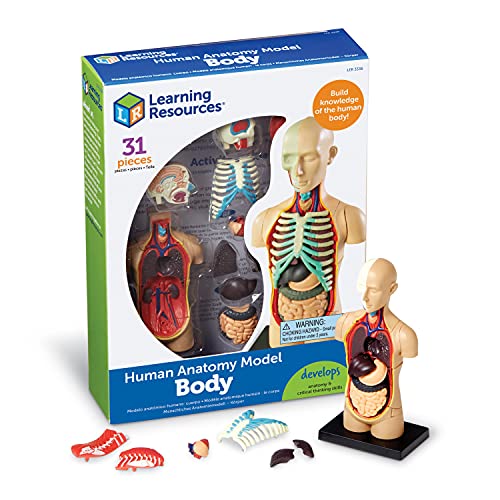
- 31-piece torso with major organs and spine
- Includes fact guide and photo-illustrated instructions
- Compact 4.5-inch model for home or classroom use
Best For: Kids 8+ who need a small, easy anatomy display for learning
Compact Anatomy Torso
10.5inch Medical Torso Human Body Model

- 15 removable organ pieces
- Compact and portable 3D size
- Sturdy base for display and learning
Best For: Kids and classrooms needing a compact anatomy torso
Glow Science Kit

- 40-piece bones, muscles, and organs kit
- Glow-in-the-dark bones for added fun
- Includes illustrated science manual
Best For: Ages 8+ kids who like glow-in-the-dark STEM kits
Interactive Anatomy Adventure
Wow in The World Human Body Kit
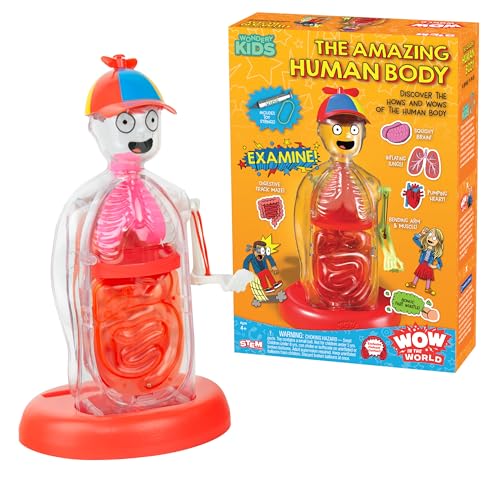
- Mechanical heart, lungs, muscles, and digestion
- Glow-in-the-dark bones and squishy brain
- Guide plus exclusive audio content
Best For: younger kids who like playful, guided science learning
Glow-in-the-Dark Science Kit
National Geographic 32-Piece Human Body Model

- 32-piece set with removable organs, bones, and muscles
- Glow-in-the-dark bones plus forceps and ID chart
- Includes learning guide and display stand
Best For: kids 8+ who want a clear hands-on anatomy lesson
Posable 3D Anatomy Figure
Be Amazing! Toys 60-Piece Human Body Model
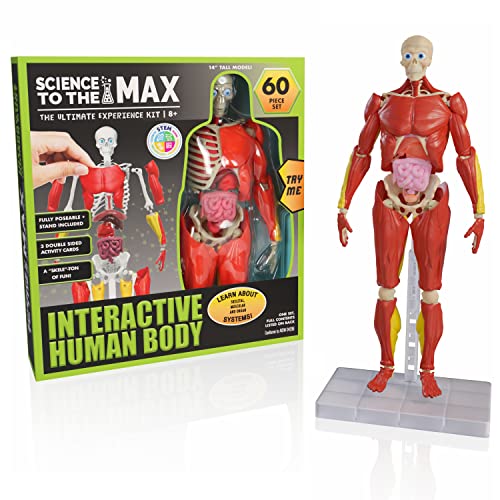
- 14-inch fully articulated body for posing
- 60 pieces include bones, muscles, and organs
- Instruction cards support anatomy learning
Best For: kids 8+ who want a larger buildable anatomy figure
Squishy Anatomy Set – SMARTLAB Toys Squishy Human Body
SMARTLAB Toys Squishy Human Body with 21 Removable Body Parts with Anatomy Book
Check Price On AmazonIf you want human body models for kids that feel hands-on and memorable, this SmartLab set goes beyond a simple display. Kids can remove 21 realistic organs, bones, and muscles, then rebuild the figure using the included tools and anatomy book for a more complete learning experience.
Best For: Curious kids ages 8+ who learn well with tactile anatomy play and a guided biology book.
Pros:
- Includes 29 pieces total, plus forceps, tweezers, and an organizer mat.
- Covers organs, bones, and muscles with a clear plastic body model.
- Comes with a 24-page illustrated anatomy book for added instruction.
- Good fit for homeschool lessons and STEM learning.
Cons:
- Requires careful assembly and part removal, so it is less of a quick toy.
- Best suited to older kids rather than preschoolers.
Overall, this is a strong pick if you want a more detailed, rebuildable anatomy activity with real educational value built in.
Magnetic Body Match – Melissa & Doug Magnetic Human Body
Melissa & Doug Magnetic Human Body Anatomy Play Set with 24 Magnetic Pieces and Storage Tray
Check Price On AmazonFor younger human body models for kids, this Melissa & Doug set keeps the lesson simple and interactive. The wooden figure and 24 magnetic pieces help children visualize organs and body systems through screen-free pretend play, with a guide on the package to support identification.
Best For: Preschoolers and early elementary kids ages 3 to 7 who need a simple body-learning toy.
Pros:
- Wooden magnetic figure is easy for small hands to use.
- 24 magnetic pieces help kids explore organs and systems.
- Package guide identifies body parts and organs.
- Designed for hands-on, screen-free play.
Cons:
- Less detailed than more advanced anatomy models.
- Focused on basic learning rather than deeper science content.
This is a practical starter set if you want a kid-friendly anatomy toy that introduces the body without overwhelming young learners.
Build-and-Discover Anatomy – Smartivity Interactive Human Body Model
If you want human body models for kids that actually show how systems work, this Smartivity kit is more interactive than a standard anatomy display. Kids build three working mechanisms: an inflatable lung, a mechanical arm, and a hydraulic food pipe, turning anatomy into a true STEM build.
Best For: Ages 8 to 14 who enjoy hands-on building projects with science concepts they can see in action.
Pros:
- Three working body-system demos in one kit: breathing, movement, and digestion.
- No batteries required; all action comes from the build itself.
- Includes removable organ labels and a learning booklet.
- Made from sustainable engineered wood with step-by-step instructions.
Cons:
- More of a build project than a simple ready-to-play model.
- May be more involved than younger kids want or need.
This is a standout choice for families who want anatomy, mechanics, and independent building all in one educational kit.
Mini Classroom Torso – Learning Resources Human Anatomy Model
For a compact take on human body models for kids, this Learning Resources torso gives a straightforward overview of major organs and systems. The 31-piece plastic model is easy to assemble and comes with a fact guide and photo-illustrated instructions, making it a practical pick for classrooms or home learning.
Best For: Kids ages 8+ who need a small, classroom-friendly anatomy model with basic organ identification.
Pros:
- 31-piece torso includes major organs such as the brain, heart, lungs, and intestines.
- Easy-to-assemble design with photo-illustrated instructions.
- Includes a fact guide for added anatomy context.
- Compact size works well for desks, shelves, or classroom demos.
Cons:
- Miniature 4.5-inch size limits hands-on detail.
- Not as interactive as models with removable or working parts.
This model is best when you want a straightforward anatomy reference that is small, simple, and easy to use in learning settings.
Compact Anatomy Torso – 10.5inch Medical Torso Human Body Model
If you want human body models for kids that make anatomy feel tangible, this 10.5-inch torso is a hands-on pick with 15 removable parts. It shows major organs and systems in a compact, easy-to-display format, so kids can see how pieces fit together while building basic biology knowledge.
Best For: Kids, students, and classrooms that want a small but detailed torso model for anatomy practice and display.
Pros:
- 15 removable parts include the brain, heart, lungs, liver, stomach, intestines, and more.
- Designed to help kids learn organ placement and basic human systems through assembly.
- Sturdy base and portable size make it easy to use at home or in class.
- Easy to wipe clean with water and a cloth.
Cons:
- Small pieces are not suitable for children who still put items in their mouths.
- Compact size means it is better for introductory learning than highly detailed study.
This is a practical starter anatomy model if you want something realistic, durable, and simple enough for repeated use. It balances challenge and learning well for curious kids who enjoy assembling models.
Glow Science Kit – Human Body Skeleton Model Kit
For human body models for kids that feel more like a science kit than a display piece, this glow-in-the-dark skeleton model adds a fun twist to anatomy learning. The 40-piece build includes bones, muscles, and organs, making it a strong choice for kids who like interactive STEM projects and visual learning.
Best For: Ages 8+ who enjoy hands-on science kits with a glow-in-the-dark element.
Pros:
- 40-piece anatomy kit covers bones, muscles, and organs for broader learning.
- Glow-in-the-dark bones add extra engagement and visual appeal.
- Includes an illustrated science manual to support guided learning.
- Easy to assemble, disassemble, and reuse at home or in the classroom.
Cons:
- More of a science kit style model than a traditional torso-only anatomy figure.
- Best suited to kids old enough to handle a more detailed build.
This model stands out if you want anatomy to feel playful and memorable without losing educational value. It is especially appealing for kids who respond well to colorful instructions and hands-on STEM activities.
Talking Anatomy Model – 11" Human Body Model for Kids
If you’re comparing human body models for kids, this interactive talking model offers one of the easiest ways to keep them engaged. It combines removable body parts with explanation and quiz modes, plus a learning booklet and cards, so it works well for kids who learn best by listening, touching, and testing themselves.
Best For: Kids who want a talking anatomy toy with quiz-based learning and extra study materials.
Pros:
- Two modes: explanation mode teaches body parts and quiz mode checks knowledge.
- 15+ removable parts create a hands-on anatomy experience.
- Includes a 26-page illustrated booklet and 4 double-sided knowledge cards.
- All-in-one kit supports STEM learning, school projects, and homeschool use.
Cons:
- Requires 3 AA batteries, which are not included.
- More parts and features may be more than younger beginners need.
This is the most interactive option in the group, especially if you want a model that turns review into a game. It’s a strong pick for families looking for a fuller learning package rather than just an anatomy figure.
Interactive Anatomy Adventure – Wow in The World Human Body Kit
If you’re comparing human body models for kids, this interactive kit stands out for making anatomy feel like a hands-on experiment. The see-through torso includes moving parts for the heart, lungs, muscles, digestive tract, brain, and skeleton, so kids can connect body systems while they play.
Best For: Younger kids who learn best through playful, interactive science activities and guided family exploration.
Pros:
- Includes mechanical features that show how the heart, lungs, muscles, and digestion work.
- Comes with a guide plus exclusive audio content for extra instruction and engagement.
- Glow-in-the-dark bones, a squishy brain, and a fart whistle add novelty and fun.
- Includes a reusable toy syringe and other parts for repeated STEM play.
Cons:
- Designed more for play-based learning than detailed study of anatomy.
- Smaller 10-inch model may not satisfy kids who want a larger display piece.
This is a strong pick if you want a kid-friendly introduction to the human body that keeps attention with motion, sound, and visual surprises. It’s especially useful when the goal is to spark curiosity first and add scientific vocabulary second.
Glow-in-the-Dark Science Kit – National Geographic 32-Piece Human Body Model
For shoppers looking at human body models for kids, this National Geographic set offers a clear, hands-on anatomy lesson with removable bones, organs, and muscles. The 32-piece layout and included identification chart make it practical for kids who want to study body parts one by one.
Best For: Kids ages 8+ who want a straightforward anatomy model for home or school learning.
Pros:
- Includes 32 pieces with removable organs, bones, and arm muscles.
- Glow-in-the-dark bones make the model more engaging.
- Forceps, display stand, chart, and learning guide support structured use.
- Built for hands-on study of how bones, organs, and muscles work together.
Cons:
- The 9-inch body shell is smaller than some other anatomy figures.
- Best suited to older kids rather than very young beginners.
This model is a good middle-ground choice if you want educational value without extra gimmicks. It leans toward clear identification and anatomy basics, which makes it useful for both STEM play and simple biology lessons.
Posable 3D Anatomy Figure – Be Amazing! Toys 60-Piece Human Body Model
If you’re browsing human body models for kids that feel more like a build-and-pose figure, this 14-inch anatomy model is a strong option. With 60 pieces, removable muscles, organs, and bones, it gives kids a fuller look at the body while also letting them assemble and reposition the figure.
Best For: Kids ages 8+ who want a larger, more interactive anatomy model with lots of parts to build and pose.
Pros:
- Large 14-inch fully articulated body allows posing and movement study.
- 60-piece set includes bones, muscles, removable squishy organs, and a stand.
- Instruction cards help teach body functions in a kid-friendly way.
- Strong fit for hands-on STEM learning and anatomy exploration.
Cons:
- More pieces can mean a bigger setup and cleanup commitment.
- Likely best for kids ready for a more detailed anatomy model.
This model works well if you want a more substantial anatomy toy that can be taken apart, rebuilt, and posed. It offers a good balance of play value and educational detail for kids who are ready to go beyond a basic body model.
How We Picked the Best Human Body Models for Kids
We looked for anatomy kits that balance education, play value, and usability. The strongest options include removable parts, clear labeling, sturdy construction, and enough detail to support real learning without overwhelming younger kids. We also considered age range, safety, storage, and whether the model works well for guided lessons or independent exploration.
Quick Comparison
When comparing Human Body Models for Kids, focus first on the learning style. Some sets are simple and tactile, with magnetic or oversized parts that are ideal for younger children. Others are more detailed and better suited to older kids who want to study organs, skeleton structure, and body systems in greater depth. A few kits also add quiz modes, glow features, or interactive components to keep kids engaged longer.
Key Buying Factors for Human Body Models for Kids
Age and Skill Level
Choose a model that matches the child’s reading level and fine-motor skills. Younger kids usually do best with fewer parts and larger pieces, while older children may prefer more detailed anatomy and challenge-based learning.
Accuracy and Educational Value
Look for kits that clearly represent major organs, bones, and body functions. A good model should help kids understand what each part does, not just where it goes.
Piece Count and Organization
More pieces can mean more realism, but also more complexity. Storage trays, labeled components, and instruction booklets make a big difference, especially if the set will be used repeatedly.
Durability and Safety
Since these are often handled often, the model should be made from sturdy, child-friendly materials with smooth edges and secure parts. Classroom use especially calls for something that can withstand frequent assembly and disassembly.
Hands-On Features
Interactive features like removable organs, magnetic assemblies, glow-in-the-dark elements, or quiz modes can improve engagement and help reinforce learning through repetition.
Who Should Buy Which Human Body Models for Kids?
If you want a simple first anatomy toy, choose a model with larger parts and a more playful design. For classrooms or homeschool lessons, a more detailed kit with labeled organs and a strong reference guide is usually the better fit. Kids who already enjoy STEM activities may prefer a more advanced interactive model with extra learning features. In short, the best Human Body Models for Kids depend on age, attention span, and how deeply you want them to study anatomy.