Language learning pens for kids can make reading, pronunciation, and practice feel a lot less intimidating. The best options combine scanning, audio support, and kid-friendly simplicity.
Whether you’re shopping for a bilingual home, classroom support, or extra help with reading differences, this roundup focuses on practical picks that are easy to use and worth the investment.
Best 10 Language Learning Pens for Kids Picks for 2026
Reading Support Pick
Kids Translation Pen with Screen

- Reads text aloud with highlighting
- Built-in dictionary with 300,000+ definitions
- 131 online languages, 12 offline scan languages
Best For: Kids ages 6+ needing reading and translation support
Handwriting Practice Set

- 60 refills plus 6 pen casings
- Disappearing ink for repeat practice
- Includes grip correctors for pen hold
Best For: Preschool and early elementary handwriting practice
Portable Translator Choice

- 142 online languages, 10 offline languages
- Photo translation and text extraction included
- Lightweight, pocket-friendly design
Best For: Students and language learners needing portable translation
Cursive Practice Kit
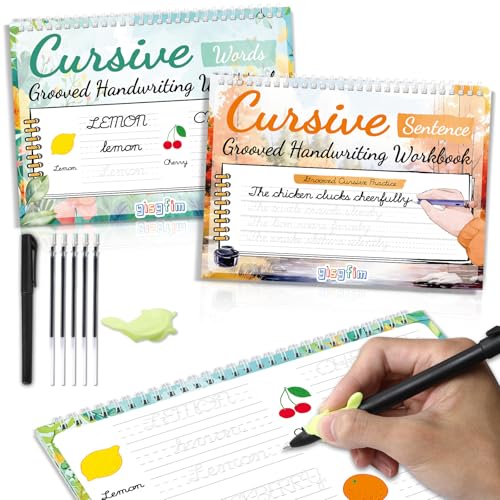
- 2 reusable cursive workbooks included
- Disappearing ink pen with 5 refills
- Covers words and sentence practice
Best For: Kids 6-12 and adults practicing cursive
Scan & Translate Learning Pen
Scanmarker Pal for Language Learners

- Scans and translates text in 100+ languages
- Reads text aloud with highlighted words
- Compact, portable design with export support
Best For: Older kids and learners who need translation plus read-aloud help
Tap-to-Learn Audio Books Set
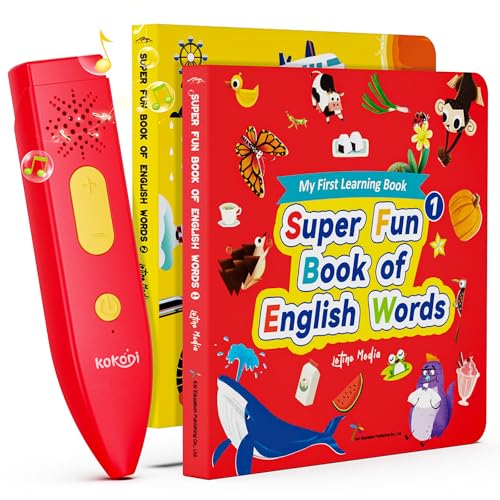
- Tap-to-read pen works with two interactive books
- 22 themes, 450+ words, and many sound effects
- Includes recording function for parent messages
Best For: Toddlers and preschoolers learning through interactive audio books
Reading Tracker Highlighters
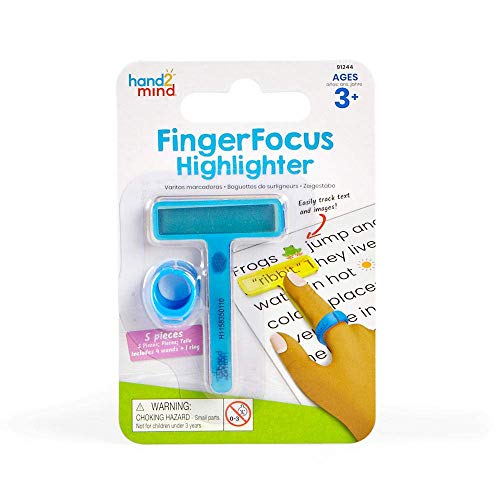
- Transparent wands help kids track text line by line
- Adjustable ring makes finger-pointing easier
- Helps reduce visual stress during reading
Best For: Early readers who need visual tracking support
Smart Reading & Translation Pen
Scan Translation Pen for Learning Support

- 142 online languages plus 10 offline languages
- Text-to-speech, scan reading, and photo translation
- Lightweight 70g body for easy carry
Best For: Kids and students who need portable reading and translation help
All-in-One Translator Pen
Reading Pen for Dyslexia Kids & Adults

- 3.99-inch screen with 5MP camera
- 142 online languages and 13 offline scanning languages
- Two-way voice translation and text export
Best For: Learners who want a full-featured pen with screen-based translation
Portable Learning Translator
Reading Pen for Language Learners

- 60 online scan languages and 10 offline languages
- 142-language voice translation with accent options
- Includes dictionary, word library, and recorder
Best For: Kids who want a compact pen with extra study tools
Reading Support Pick – Kids Translation Pen with Screen
This language learning pen for kids is built to do more than translate—it helps young readers decode text, hear it aloud, and build vocabulary with less friction. With offline scan support, a built-in dictionary, and a 2.99-inch screen, it can be a practical study aid for reading practice, ESL support, and homework help.
Best For: Kids ages 6+ who need a reading pen that combines translation, word lookup, and speech support.
Pros:
- Reads scanned text aloud with word-by-word highlighting on the screen.
- Includes a built-in dictionary with 300,000+ word definitions.
- Supports 131 online voice translations and 12-language offline scanning.
- Offers 3-hour recording with dual-microphone noise reduction for classroom use.
Cons:
- Offline scanning is limited to 12 languages.
- Recording and study features may be more than some younger kids need.
Overall, this is a strong all-in-one pick if you want a language learning pen for kids that supports reading confidence, vocabulary growth, and translation in one pocketable device.
Handwriting Practice Set – Magic Pens with Refills
For families looking for language learning pens for kids that focus on handwriting rather than translation, this disappearing-ink set is designed for tracing and copybook practice. The reusable ink effect makes repetition feel more like a game, while the included grip correctors can help kids practice a better pen hold during early writing lessons.
Best For: Preschool and early elementary kids practicing handwriting with grooved copybooks.
Pros:
- Includes 60 refills, 6 pen casings, and 6 grip correctors.
- Disappearing ink fades in about 15-30 minutes and fully clears in 30-60 minutes.
- Designed for use with grooved copybooks and reusable handwriting workbooks.
- Large quantity makes it useful for sharing in classrooms or at home.
Cons:
- Works best with compatible copybooks and tracing books.
- Focused on handwriting practice, not translation or reading support.
This set makes sense if your main goal is repeated writing practice and letter formation, especially for younger children who benefit from a playful, reusable approach.
Portable Translator Choice – Scan Pen with Photo Translate
This language learning pen for kids is aimed at scanning, translating, and reading text aloud, making it a flexible tool for students, language learners, and multilingual households. It adds photo translation, text extraction, and Bluetooth support, so it can fit into study routines without relying entirely on a phone.
Best For: Students and language learners who want a lightweight scan translator with photo translation.
Pros:
- Supports 142 online languages and 10 offline languages.
- Includes scan reading, photo translation, and text extraction features.
- Can sync to a phone for editing and note-taking.
- Lightweight design fits easily in a pocket or pencil case.
Cons:
- Offline language support is limited compared with online mode.
- Bluetooth headphones are supported, but they are not included.
If you want a compact device for translation plus reading practice, this pen offers broad language coverage and useful study features in a portable form.
Cursive Practice Kit – Reusable Workbook Pen Set
Among language learning pens for kids, this set is more about handwriting fluency than translation, with reusable cursive workbooks and disappearing-ink practice tools. It’s meant for learners who need repeated tracing drills for words and sentences, especially in homeschool or classroom handwriting routines.
Best For: Kids ages 6-12 and adults practicing cursive handwriting through repetition.
Pros:
- Includes 2 reusable cursive workbooks plus a disappearing-ink pen and 5 refills.
- Grooved 3D reusable paper supports repeated tracing practice.
- Covers both words and sentence-level exercises.
- Includes a handwriting pencil holder for better grip support.
Cons:
- Designed for cursive practice, not language translation.
- Best results depend on repeated use with the included workbooks.
This is a solid choice if your priority is building cursive control and writing confidence with a reusable, low-pressure practice format.
Scan & Translate Learning Pen – Scanmarker Pal for Language Learners
For families looking at language learning pens for kids, the Scanmarker Pal is a practical option that goes beyond simple read-aloud features. It scans text, translates in over 100 languages, and can read text aloud with highlighted words on screen, making it useful for multilingual practice, study help, and travel.
Best For: Kids, students, and learners who need scanning, translation, and text-to-speech support in one portable pen.
Pros:
- Translates scanned text in 100+ languages, with offline support for English, Spanish, French, German, and Italian.
- Reads text aloud instantly and highlights words on screen, which can help comprehension.
- Can export scanned text as a digital file for notes or document saving.
- Compact design with Bluetooth headphone support for portable use.
Cons:
- More advanced than a basic kids’ reading toy, so it may suit older children or supervised use better.
- Requires compatible system support for USB/Bluetooth features.
Overall, this is the most feature-rich option in the group for language-focused learning, especially if you want translation and reading support rather than just tap-to-hear play.
Tap-to-Learn Audio Books Set – KOKODI Talking Pen Books
If you’re comparing language learning pens for kids, the KOKODI Talking Pen Books Set leans heavily into early learning and independent play. Children tap pictures or words and the pen reads content aloud, making it a screen-free way to build early language exposure, speech practice, and everyday vocabulary.
Best For: Toddlers and preschoolers ages 2-6 who learn best with interactive tap-to-read books.
Pros:
- Designed for children ages 2-6 with no downloads needed and simple battery-powered setup.
- Includes two books with 22 themes, 450+ words, and many interactive sound and game features.
- Tap-to-read format supports independent play and can help with speech development and early language learning.
- Includes a recording function so parents can leave voice messages for children.
Cons:
- Batteries are not included, so it’s not ready-to-go without 2 AAA batteries.
- It is book-based rather than a general scanner pen, so it is less flexible for arbitrary text.
This set is a strong fit if you want a child-friendly, screen-free introduction to language learning through repetition, sounds, and guided interaction.
Reading Tracker Highlighters – hand2mind FingerFocus Strips
For parents searching for language learning pens for kids, this hand2mind set is more of a reading support tool than a pen that speaks. The transparent wands and adjustable ring help children follow along word by word, which can make reading text on paper or screen feel more manageable for beginner readers.
Best For: Early readers who need visual tracking support and a simple finger-pointing aid.
Pros:
- Helps kids track text and images while reading on page or screen.
- Adjustable ring and wand design makes it easy to use like an extension of the finger.
- Can reduce visual stress and tiredness with colored overlays.
- Lightweight classroom-friendly set with four wands included.
Cons:
- Does not provide audio, translation, or tap-to-hear language instruction.
- It is a support accessory rather than a standalone learning pen.
This is the simplest option here, and it makes sense for families or teachers who want to support reading focus before moving on to more advanced language-learning devices.
Smart Reading & Translation Pen – Scan Translation Pen for Learning Support
For families looking at language learning pens for kids, this scan translation pen is built to do more than translate. It combines text-to-speech reading, online and offline translation, photo translation, and text extraction, so it can support reading practice, homework, and basic multilingual study in one compact tool.
Best For: Kids, students, and language learners who need a portable reading pen with translation and text-to-speech support.
Pros:
- Supports online translation in 142 languages and offline translation in 10 major languages.
- Text-to-speech and scan-reading features can help with pronunciation and comprehension.
- Photo translation and recording mode add flexibility for textbooks, signs, and class notes.
- Lightweight 70g design makes it easy to carry in a pocket or pencil case.
Cons:
- Not suitable for blind users.
- Offline language support is more limited than online translation.
- Some features depend on Bluetooth or Wi-Fi connectivity.
This is a practical all-in-one choice if you want a kid-friendly reading and translation pen that can also handle notes and classroom audio. It is especially appealing when portability and multi-function use matter more than a single-purpose device.
All-in-One Translator Pen – Reading Pen for Dyslexia Kids & Adults
Among language learning pens for kids, this model stands out for its large screen, strong text-to-speech features, and broad translation support. It can scan text aloud, translate voice both ways, and export scanned text, making it useful for study sessions, note-taking, and everyday language practice.
Best For: Kids, adults, and learners who want a feature-rich scan pen with a screen and voice translation.
Pros:
- Scans multiple lines of text and reads them aloud with highlighted text on screen.
- Supports 142 online languages and 13 offline scanning languages.
- Two-way voice translation helps with real-time communication.
- Large 3.99-inch IPS screen and 5MP camera improve readability and photo translation use.
Cons:
- Weighs more than some competing pens at 10.9 ounces.
- Full feature set depends on Wi-Fi or online access for maximum language coverage.
- May be more than some families need if they only want basic reading support.
If you want a more complete translator pen for school and travel, this one offers a strong mix of reading, speaking, scanning, and exporting tools. Its larger screen and built-in extras make it a versatile pick for learners who will use multiple functions regularly.
Portable Learning Translator – Reading Pen for Language Learners
If you are comparing language learning pens for kids, this portable model is a straightforward option with reading, translation, and study extras built in. It focuses on scan-and-translate use, text-to-speech output, voice translation, and a few bonus learning features like a dictionary and word library.
Best For: Young learners and families who want a compact translator pen with study extras and voice support.
Pros:
- Supports 60 online languages and 10 offline languages for scan translation.
- Online voice translation covers 142 languages, including multiple accent options.
- Text excerpt function can sync text without USB when selected.
- Includes dictionary, word library, classical poetry, recorder, and media functions.
Cons:
- Online scan translation covers fewer languages than some competing pens.
- Several advanced features are tied to online use or syncing options.
- Media extras may not matter if the goal is only language learning.
This model makes sense if you want a compact translation pen with a broader learning toolkit rather than just basic scanning. It is a practical choice for kids who may benefit from both study support and simple voice translation features.
How We Picked the Best Language Learning Pens for Kids
We focused on tools that do more than just scan text. The strongest Language Learning Pens for Kids should be easy to hold, quick to understand, and useful across real learning situations. We looked for clear audio output, multiple language support, readable screens or intuitive playback, and features that help with reading practice as well as translation.
We also considered age fit, portability, battery life, offline usefulness, and whether the device feels supportive rather than complicated. For younger children, simplicity matters. For older kids, translation accuracy, text-to-speech quality, and broader language coverage become more important.
Quick Comparison: Which Type Fits Your Child?
Not every child needs the same kind of pen. Some families want a translation-first device for travel or bilingual homework. Others need reading support for dyslexia, guided decoding, or classroom accommodations. A few products in this roundup are better for handwriting practice, audio books, or tactile learning instead of translation.
In general, choose a smart scanner pen if your child reads in multiple languages or needs text support. Choose a talking or audio learning pen if you want a more interactive, screen-light experience. Choose handwriting tools if your main goal is letter formation, tracing, and fine-motor practice.
Key Buying Factors for Language Learning Pens for Kids
Language Coverage and Offline Support
If your child will use the pen while traveling or away from Wi-Fi, offline translation matters. Check how many languages are supported offline versus online, since those numbers can be very different.
Reading and Speech Features
For reading help, look for text-to-speech, scan-to-read, or pronunciation playback. These features are especially useful for Language Learning Pens for Kids who are building decoding confidence or hearing words repeated clearly.
Ease of Use and Screen Design
A simple interface usually works best for children. Large buttons, clear menus, and a readable display reduce frustration. Some kids will do better with a pen that feels like a straightforward scanner, while others may prefer a more guided learning device.
Durability and Comfort
Kids use tools more effectively when they are comfortable to hold and sturdy enough for daily backpacks, desks, and classroom use. Lightweight designs and fast charging can make a big difference.
Who Should Buy Which Language Learning Pens for Kids?
For bilingual families and travel, choose a translation-focused pen with strong offline support. For children who need reading accommodations, prioritize scanning accuracy and text-to-speech. For younger learners or children working on early literacy, audio books and guided reading accessories may be a better fit than a full translator pen. For handwriting practice, grooved copybooks and traceable pen sets are the most targeted choice.
The best choice depends on how your child learns, not just how many features the product has. Start with the most important use case, then pick the simplest tool that handles it well.