Choosing laptops for video editing is mostly about performance that holds up under pressure: smooth timeline scrubbing, fast exports, and enough RAM to keep apps responsive.
In this roundup, we focused on creator-friendly machines that balance CPU speed, graphics capability, storage, and display size so you can edit more efficiently with less lag.
Best 10 Laptops for Video Editing Picks for 2026
Elite 17-Inch Performance
NIMO 17.3" Ryzen 9 8945HS Laptop

- Ryzen 9 8945HS for fast creative multitasking
- 17.3-inch FHD screen for spacious editing
- 32GB DDR5 RAM, 1TB SSD, and upgradeable parts
Best For: Editors who want a big-screen laptop with strong performance and easy future upgrades
Mobile Workstation Pick

- Core i7-12700H with 32GB RAM for editing tasks
- NVIDIA RTX A1000 dedicated graphics
- 15.6-inch 1920x1200 display and 1TB SSD
Best For: Editors who want workstation hardware and a dedicated GPU in a compact 15.6-inch form factor
Portable AI Creator Choice
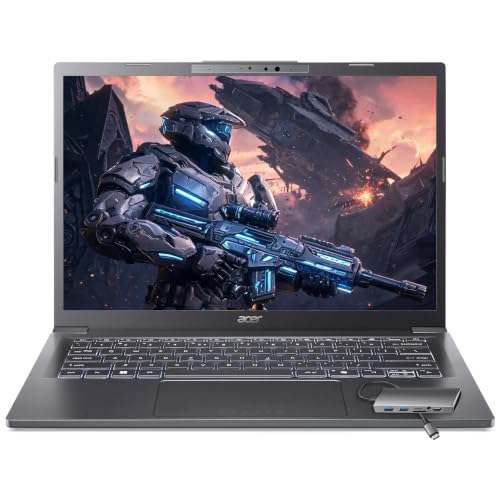
- Core Ultra 7 with NPU for AI-assisted workflows
- Intel Arc 140V graphics for 1080p editing
- 3.09-lb design with 14-inch touchscreen
Best For: Mobile creators who want a lightweight touchscreen laptop for 1080p editing and remote work
Budget Creator Workhorse
NIMO 15.6" Ryzen 5 Creator Laptop

- Ryzen 5 6600H with Radeon 660M for light editing
- 16GB DDR5 RAM, 512GB PCIe 4.0 SSD
- USB-C, HDMI, USB-A, and microSD ports
Best For: Budget-conscious creators who need a capable everyday laptop for light video editing and multitasking
Creator Value Pick
Lenovo 16 IPS FHD+ i7-13620H 16GB 1TB

- Core i7-13620H with 10 cores and 16 threads
- 16GB DDR5 RAM plus 1TB PCIe 4.0 SSD
- 16-inch 16:10 IPS display in a 3.7-lb chassis
Best For: Editors who want strong general performance and lots of storage
Upgradeable Budget Creator
NIMO 15.6 Ryzen 5 6600H 16GB 1TB SSD

- Ryzen 5 6600H with 6 cores and 12 threads
- 16GB DDR5 RAM, 1TB SSD, and upgrade room
- Fingerprint reader, backlit keyboard, and 100W PD charging
Best For: Budget-conscious users who want a solid base and future upgrades
Large-Screen Editing Choice
HP 17 17.3 FHD Ryzen 5 8GB 512GB Pro

- 17.3-inch FHD anti-glare IPS display
- Ryzen 5 7520U with Windows 11 Pro
- Wi‑Fi 6, Bluetooth 5.3, HDMI, and USB-C
Best For: Users who want a big screen for basic editing and multitasking
Convertible Productivity Pick
Lenovo IdeaPad 2-in-1 Ryzen 7 Creator Laptop

- Ryzen 7 8845HS with Radeon 780M graphics
- 16GB DDR5 RAM and 1TB SSD
- 16-inch 1920 x 1200 touch display
Best For: Users who want a versatile 2-in-1 for editing and everyday productivity
Elite 17-Inch Performance – NIMO 17.3" Ryzen 9 8945HS Laptop
If you’re shopping for laptops for video editing, this NIMO 17.3-inch model leans hard into speed, screen size, and upgrade flexibility. The Ryzen 9 8945HS, 32GB of DDR5 RAM, and 1TB SSD give it the kind of headroom that helps with multitasking, large projects, and demanding creative software.
Best For: Creators who want a big display, strong integrated graphics, and easy upgradability for editing work.
Pros:
- Ryzen 9 8945HS processor is built for fast multitasking and heavy workloads.
- 17.3-inch FHD display gives you more room for timelines, panels, and preview windows.
- Radeon 780M graphics can handle creative work and graphic design tasks.
- User-replaceable memory and SSD make future upgrades easier.
Cons:
- At 4.6 pounds, it is not the lightest option for frequent travel.
- Integrated graphics may not match a dedicated GPU for more demanding effects work.
This is a strong pick if you want a large-screen editing laptop with modern connectivity, fingerprint login, and 100W USB-C charging. It looks especially appealing for buyers who value expansion and all-around performance over ultraportable design.
Mobile Workstation Pick – Dell Precision 5570 Renewed
For laptops for video editing, this renewed Dell Precision 5570 stands out as a workstation-style option with a 14-core Intel Core i7-12700H, 32GB of RAM, and a dedicated NVIDIA RTX A1000. Its 15.6-inch 1920×1200 display and professional-class hardware make it a practical fit for editors who want a more business-focused machine.
Best For: Video editors who want workstation hardware and a dedicated GPU in a compact 15.6-inch form factor.
Pros:
- Intel Core i7-12700H and 32GB RAM support demanding editing workflows.
- NVIDIA RTX A1000 dedicated graphics are better suited to creative acceleration.
- 1920×1200 display offers a taller workspace than standard 1080p screens.
- 1TB SSD provides solid storage for large project files and media libraries.
Cons:
- Renewed condition may not appeal to buyers who want brand-new hardware.
- At 8 pounds, it is relatively heavy for a mobile editing laptop.
This is a sensible choice if your priority is workstation-style performance over portability. It is especially relevant for editors who want a dedicated GPU and professional hardware in a compact package.
Portable AI Creator Choice – Acer Aspire 14" Ultra 7 Touch
If you want laptops for video editing that are easier to carry, this Acer Aspire focuses on portability without ignoring creative features. The Intel Core Ultra 7 258V, 32GB of RAM, 1TB SSD, and Intel Arc 140V graphics are designed to help with 1080p video editing, photo work, and everyday productivity.
Best For: Mobile creators who want a lightweight touchscreen laptop for 1080p editing and remote work.
Pros:
- Core Ultra 7 processor with NPU supports AI-enhanced workflows and Copilot+ features.
- Intel Arc 140V graphics are positioned for 1080p video editing and photo editing.
- 14-inch touchscreen adds a more hands-on editing experience.
- 3.09-pound body is easy to carry between home, office, and travel.
Cons:
- Integrated graphics are best suited to 1080p editing rather than heavier workloads.
- Smaller 14-inch screen may feel tight for complex timeline layouts.
This model makes sense if portability matters as much as editing capability. The included USB hub and WiFi 6E also make it a convenient all-in-one pick for remote creators who move around often.
Budget Creator Workhorse – NIMO 15.6" Ryzen 5 Creator Laptop
Among laptops for video editing, this NIMO 15.6-inch machine is aimed at creators who want a more affordable setup with enough power for everyday editing and multitasking. The Ryzen 5 6600H, Radeon 660M graphics, 16GB of DDR5 RAM, and 512GB PCIe 4.0 SSD give it a practical baseline for lighter creative work.
Best For: Budget-conscious creators who need a capable everyday laptop for light video editing and multitasking.
Pros:
- Ryzen 5 6600H and Radeon 660M handle light video editing and creative tasks.
- 16GB DDR5 RAM and 512GB SSD offer a responsive everyday experience.
- Multiple ports, including USB-C, HDMI 2.0, USB-A, and microSD, help reduce dongle use.
- 100W PD charging, fingerprint login, and backlit keyboard add practical convenience.
Cons:
- Specs are better for light editing than heavy production work.
- 512GB storage may feel limited for large video libraries over time.
This is a sensible value option if your editing needs are modest and you want a laptop that still includes creator-friendly features. The 2-year warranty and upgradeable memory slot also add appeal for long-term use.
Creator Value Pick – Lenovo 16 IPS FHD+ i7-13620H 16GB 1TB
If you want laptops for video editing that balance speed, storage, and portability, this Lenovo 16 is a practical all-around choice. The Core i7-13620H, 16GB of DDR5 RAM, and 1TB PCIe 4.0 SSD give you enough room for editing timelines, switching between apps, and keeping large project files local.
Best For: Editors who want a thin, 16-inch Windows laptop with strong everyday performance and plenty of storage.
Pros:
- Intel Core i7-13620H with 10 cores and 16 threads for responsive multitasking
- 16GB DDR5 RAM and 1TB NVMe SSD for faster launches and big-file storage
- 16-inch WUXGA IPS display with 16:10 aspect ratio for more vertical workspace
- Light 3.7-pound aluminum design with Wi‑Fi 6 and a useful port selection
Cons:
- 45% NTSC color gamut is modest for color-critical editing
- Integrated graphics limit heavier GPU-accelerated workloads
- HDMI 1.4 and USB-C 5Gbps are not especially high-end for connectivity
This Lenovo makes the most sense if your editing work is more about smooth general performance and file handling than studio-grade color accuracy or powerhouse graphics. It’s a solid value pick for creators who also need a laptop that works well for office and school tasks.
Upgradeable Budget Creator – NIMO 15.6 Ryzen 5 6600H 16GB 1TB SSD
For buyers comparing laptops for video editing on a tighter budget, this NIMO model stands out for its Ryzen 5 6600H processor and upgrade-friendly design. It pairs 16GB DDR5 memory with a 1TB SSD, so you get a capable starting point for light-to-moderate editing, media handling, and multitasking.
Best For: Students, home users, and entry-level creators who want upgrade room and reliable everyday speed.
Pros:
- Ryzen 5 6600H offers 6 cores and 12 threads for better sustained performance
- 16GB DDR5 RAM and 1TB SSD provide a strong out-of-box setup
- Dual SO-DIMM slots and M.2 2280 design support future upgrades
- Includes fingerprint reader, backlit keyboard, and 100W PD charging
Cons:
- Integrated Radeon 660M graphics are better for light editing than heavy effects work
- 15.6-inch display is smaller than 16- or 17-inch creator options
- Not marketed with a high-color-gamut panel for color-sensitive editing
This NIMO is a sensible pick if you want enough horsepower for everyday editing tasks without jumping to a more expensive creator machine. Its upgrade path is especially useful if you expect your projects to grow over time.
Large-Screen Editing Choice – HP 17 17.3 FHD Ryzen 5 8GB 512GB Pro
If screen space matters most in laptops for video editing, this HP 17 gives you a big 17.3-inch Full HD display with an anti-glare finish. It is built around an AMD Ryzen 5 7520U and a 512GB SSD, making it a straightforward option for lighter editing, timeline work, and general productivity.
Best For: Buyers who prioritize a large display and simple, everyday editing workflows.
Pros:
- 17.3-inch FHD IPS anti-glare screen offers plenty of room for timelines
- Ryzen 5 7520U is positioned for efficient multitasking and everyday use
- Windows 11 Pro adds business-friendly security and management features
- Includes Wi‑Fi 6, Bluetooth 5.3, HDMI, USB-C, and a full-size keyboard
Cons:
- 8GB RAM is more limiting than the 16GB found on stronger creator options
- 512GB SSD may fill quickly with video files and project exports
- Integrated graphics are not aimed at heavy visual effects or high-end editing
This HP is best viewed as a roomy, practical editing laptop rather than a high-power content creation system. The large display is its biggest advantage, especially if you prefer more screen real estate over compactness.
High-Performance Pick – NIMO 17.3" Ryzen 7 4K-Ready Creator Laptop
If you want a bigger-screen option among laptops for video editing, this NIMO 17.3-inch model is built around the Ryzen 7 8745HS and a 1TB SSD for heavy multitasking and 4K workflow use. The roomy 17.3-inch display, fast DDR5 memory, and USB4 support make it a practical choice for creators who need performance now with room to expand later.
Best For: Freelance editors, content creators, and power users who want a large display, fast storage, and upgrade potential.
Pros:
- Ryzen 7 8745HS is positioned for demanding tasks like 4K editing and AI-heavy workloads.
- 16GB DDR5 RAM and 1TB PCIe 4.0 SSD support smooth multitasking and large media libraries.
- 17.3-inch display and 180-degree hinge are useful for precise work and collaborative viewing.
- USB4 support adds future upgrade flexibility, including external GPU options.
Cons:
- Integrated Radeon 780M is capable, but it is not a dedicated graphics card.
- The large 17.3-inch size may be less convenient for frequent travel.
- Some creative users may still prefer a dedicated external display for color-critical work.
Overall, this NIMO is the strongest fit in this group for buyers who prioritize screen size, upgradeability, and all-around editing headroom. It is especially appealing if you want one laptop that can handle video work now and scale with future needs.
Budget-Friendly Creator Choice – NIMO 15.6" Ryzen 5 Editing Laptop
For shoppers comparing laptops for video editing on a tighter budget, this NIMO 15.6-inch model focuses on solid everyday performance rather than premium creator extras. The Ryzen 5 6600H, 16GB DDR5 memory, and 512GB SSD make it suitable for lighter editing projects, media handling, and general productivity without overcomplicating the setup.
Best For: Students, remote workers, and entry-level creators who need a balanced laptop for everyday editing and multitasking.
Pros:
- Ryzen 5 6600H offers stronger headroom than many common low-power laptop CPUs listed in the notes.
- 16GB DDR5 RAM and 512GB PCIe SSD provide a responsive base for multitasking and file handling.
- Radeon 660M graphics are suitable for light photo editing, media playback, and casual creative work.
- Upgradeable memory and storage help extend the laptop’s useful life.
Cons:
- Radeon 660M is integrated graphics, so it is not ideal for heavier visual workloads.
- 512GB storage may feel limited if you keep large video libraries on the device.
- The 15.6-inch Full HD display is practical, but not as spacious as larger creator-focused screens.
This is a sensible pick if your editing needs are modest and you care more about value, portability, and everyday responsiveness. It gives you a workable foundation without moving into higher-cost performance territory.
Convertible Productivity Pick – Lenovo IdeaPad 2-in-1 Ryzen 7 Creator Laptop
If you want laptops for video editing with a flexible form factor, this Lenovo IdeaPad 2-in-1 stands out for its Ryzen 7 8845HS processor, 16GB DDR5 RAM, and 1TB SSD. The 16-inch 1920 x 1200 touch display gives you extra vertical space, which is helpful when working through timelines, documents, and creative apps side by side.
Best For: Editors, students, and business users who want a convertible laptop with strong general performance and a spacious touch display.
Pros:
- Ryzen 7 8845HS and Radeon 780M deliver strong multitasking and smooth everyday visuals.
- 16GB DDR5 RAM and 1TB SSD provide a fast, roomy setup for media files and projects.
- 16-inch 1920 x 1200 touchscreen offers more vertical workspace than standard 1080p panels.
- Useful extras include a fingerprint reader, backlit keyboard, numeric keypad, and privacy shutter.
Cons:
- Integrated graphics mean it is not a replacement for a dedicated GPU workstation.
- At about 6 pounds, it may be less convenient to carry than slimmer laptops.
- The 60Hz display is fine for productivity, but not aimed at high-refresh creative use.
This Lenovo is a strong all-rounder if you want a touchscreen 2-in-1 that can handle editing alongside everyday work. It makes the most sense for buyers who value versatility, storage, and a larger productivity-focused panel.
How We Picked the Best Laptops for Video Editing
For Laptops for Video Editing, we prioritized strong multi-core processors, at least 16GB of RAM where possible, fast SSD storage, and displays large enough to judge cuts and color comfortably. We also considered portability, upgrade-friendly configurations, and whether each model offers enough headroom for 1080p and heavier 4K workflows.
Quick Comparison
In this group, the best value usually comes from Ryzen 5 and Core i7 class systems with 16GB RAM and 1TB SSDs. If you work with larger projects, look for 32GB memory, higher-wattage CPUs, and creator or workstation-oriented designs. Touchscreens and 2-in-1 models can be useful for review and light touch-based editing, but they are not essential for raw performance.
Key Buying Factors for Laptops for Video Editing
CPU Power
A modern H-series or high-performance Ryzen chip matters more than almost anything else. It affects rendering, multitasking, and overall responsiveness when you run editing software, browser tabs, and asset tools at the same time.
RAM and Storage
16GB is the practical starting point for most creators, while 32GB is a smarter choice for long timelines, larger files, and heavier effects work. A 1TB SSD is ideal because video projects grow quickly, and free space helps maintain speed.
Graphics and Display
Integrated graphics can handle many editing tasks, especially in optimized software, but dedicated graphics or stronger integrated solutions like Radeon 780M are better for smoother previews and effects. A 15.6- to 17.3-inch screen gives you more room to work; FHD+ and IPS panels are preferable for clarity and viewing angles.
Portability and Thermals
If you edit on the move, weight, battery life, and charging speed matter. Larger laptops often cool better under load, which helps performance stay consistent during exports and long sessions.
Who Should Buy Which Laptops for Video Editing?
Pick a 32GB, 1TB configuration if you edit frequently or handle 4K footage. Choose a 16GB, 1TB laptop if you want the best all-around balance for student, freelance, or small-studio use. Go with a larger 17-inch model if screen space matters most, and consider a 2-in-1 or touchscreen system if you also want flexibility for note-taking, review, or client presentations.
For most buyers, the sweet spot is a fast processor, 16GB or more of RAM, and a roomy SSD. That combination will make Laptops for Video Editing feel much faster now and keep them useful longer as your projects grow.