Choosing the right anatomy model can make lessons clearer, faster, and more memorable. The best life size skeleton models for classroom use balance realism, durability, and easy handling.
In this roundup, we focus on models that support everyday teaching, student demonstrations, and lab display without adding unnecessary complexity.
Best 10 Life Size Skeleton Models for Classroom Picks for 2026
Classroom-Friendly Basic Model
GIANTEX 70.8" Human Anatomical Skeleton

- 70.8-inch life-size skeleton
- Detachable arms, legs, jaw, and head cover
- Rolling stand with casters included
Best For: basic classroom demonstrations and general anatomy study
Detail-Rich Teaching Model
70.8" Skeleton with Muscle Insertions
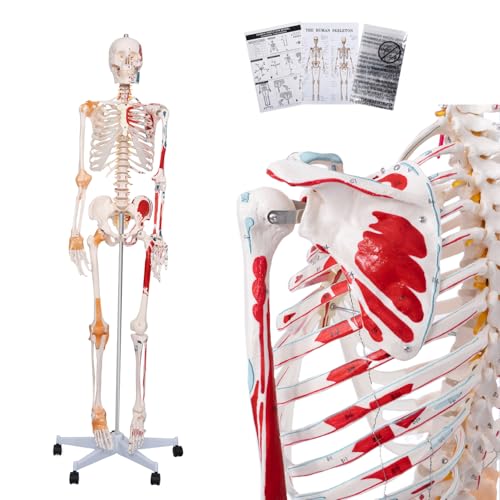
- Muscle origins, insertions, and ligaments shown
- Numbered bones plus nervous system details
- Rolling metal stand and dust cover included
Best For: advanced anatomy teaching and medical reference
Study-First Classroom Choice
Axis Scientific Life-Size Skeleton

- Fully articulated 206-bone skeleton
- Three printed study guides plus 189 stickers
- Pelvic-mounted rolling stand with dust cover
Best For: guided classroom study and student labeling activities
Modern Visual Learning Pick
70.8" Skeleton with Nervous System

- 70-inch articulated skeleton with 206 bones
- Includes nervous system display and 3 posters
- Five-wheel rolling stand for easy movement
Best For: visual anatomy teaching with posters and nervous system context
Premium Teaching Model
Ultrassist 71-Inch Life-Size Skeleton

- 71-inch life-size replica with detailed anatomy
- Spinal nerves, muscle points, and joint ligaments
- Rolling stand and washable PVC for teaching use
Best For: Anatomy instruction and detailed classroom demonstrations
Poster-Ready Classroom Set
breesky 70.8-Inch Skeleton Model

- 70.8-inch model with 206 articulated bones
- Includes three posters for faster study
- Detachable parts and rolling stand for mobility
Best For: Classroom study with extra chart-based reference
Durable Mobile Pick
GOFLAME 70.8-Inch Skeleton with Dust Cover

- 70.8-inch model with 204 articulated bones
- Includes dust cover and bonus poster
- Five-caster rolling stand for easy movement
Best For: Classrooms needing mobility and storage protection
Classroom-Ready Anatomy Pick
breesky 70.8" Life Size Skeleton
- 70.8-inch PVC model with 206 articulated bones
- Rolling stand makes classroom movement easier
- Includes nervous system display and 3 posters
Best For: classroom anatomy lessons and mobile display
Detailed Teaching Display
70.8" Life Size Human Skeleton Model
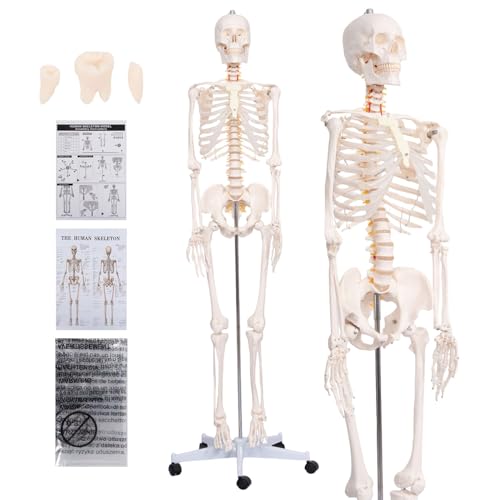
- Detailed nervous system and carotid artery display
- Posable PVC build with movable jaw and teeth
- Includes dust cover, charts, and rolling stand
Best For: science classrooms needing detailed anatomy visuals
Simple Mobile Study Model
NLShan 70.8" Skeleton with Posters

- Life-size 70.8-inch skeleton with 206 articulated bones
- Detachable skull and articulated joints for study
- Rolling stand and 3 colorful posters included
Best For: teachers who want a movable, straightforward classroom skeleton
Classroom-Friendly Basic Model – GIANTEX 70.8" Human Anatomical Skeleton
GIANTEX Life Size 70.8" Human Anatomical Anatomy Skeleton Medical Model + Stand
Check Price On AmazonFor buyers comparing life size skeleton models for classroom use, this GIANTEX option covers the essentials: full-size proportions, detachable parts, and a mobile stand. It is a straightforward teaching aid for demonstrating major bones and joint movement without adding extra complexity.
Best For: classrooms, labs, and instructors who want a simple full-size skeleton for hands-on anatomy lessons.
Pros:
- Life-size 70.8-inch build with detachable arms and legs
- Movable jaw and head cover for closer study
- Includes stand with casters for easier repositioning
- Washable PVC construction for simple cleaning
Cons:
- Focuses on basic anatomy rather than advanced overlays
- No printed study guides mentioned in the supplied notes
This model is a practical pick if you want a durable, mobile classroom skeleton that can be moved between demonstrations and cleaned easily after frequent use.
Detail-Rich Teaching Model – 70.8" Skeleton with Muscle Insertions
If you need life size skeleton models for classroom lessons that go beyond bone identification, this one adds muscle origins, insertion points, numbered bones, and flexible ligaments. It is built for more detailed anatomy instruction and visual reference in settings like teaching labs, clinics, and research spaces.
Best For: advanced anatomy classes, medical training, and instructors who want added muscle and ligament detail.
Pros:
- Painted muscle origins and insertion points for deeper study
- Numbered bones plus detailed nervous system and carotid artery references
- Includes removable skull cap, movable jaw, and three detachable teeth
- Metal stand with five wheels for mobility and stability
Cons:
- More detailed feature set may be more than needed for basic classes
- Dust-proof cover is included, but the model still requires careful handling
Overall, this is a strong choice when your lessons need more than a standard skeleton and you want students to see ligaments, muscle attachment points, and other finer structures.
Study-First Classroom Choice – Axis Scientific Life-Size Skeleton
Among life size skeleton models for classroom instruction, this Axis Scientific version stands out for its study materials and self-labeling support. Along with a fully articulated skeleton, it includes multiple printed guides and numbered stickers to help students learn bones actively.
Best For: classrooms that emphasize guided study, student labeling, and repeat demonstrations.
Pros:
- Life-size 206-bone skeleton with fully articulated joints
- Includes a product manual, terminology guide, and numbering guide
- 189 numbered stickers support active recall and self-labeling
- Pelvic-mounted rolling stand and dust cover add classroom convenience
Cons:
- Standing height is about 5 feet 6 inches, not the full 70.8-inch format
- Less focused on muscle or nervous system detail than some alternatives
This is a smart option if your priority is structured learning. The extra guides make it especially useful for teachers who want students to interact with the model instead of just viewing it.
Modern Visual Learning Pick – 70.8" Skeleton with Nervous System
This model is a good fit for buyers comparing life size skeleton models for classroom use when visual aids matter as much as the skeleton itself. It combines a full-size articulated frame with three anatomical posters and a nervous system display to support teaching, reference, and study.
Best For: classrooms, offices, and study rooms that need a colorful, multi-format anatomy display.
Pros:
- Life-size 70-inch skeleton with 206 articulated bones
- Integrated nervous system representation for added context
- Three included anatomical posters for skull, spine, and skeletal system
- Rolling stand with five wheels makes repositioning simple
Cons:
- Some posted details are more presentation-focused than hands-on heavy
- Safety warning notes small pieces, so it needs adult supervision in classroom settings
For instructors who want a more visual teaching setup, this option offers both the physical model and supporting charts in one package.
Premium Teaching Model – Ultrassist 71-Inch Life-Size Skeleton
If you need life size skeleton models for classroom use, this Ultrassist replica gives you a full-scale 71-inch reference with spinal nerves, muscle insertion and origin points, and joint ligaments. It is designed to help students clearly study the musculoskeletal system, with realistic articulation in key joints for demonstrations.
Best For: Anatomy classes, medical students, and instructors who want a detailed teaching skeleton with strong visual reference points.
Pros:
- 71-inch life-size build with detailed musculoskeletal markings
- Includes spinal nerves, muscle insertion/origin points, and joint ligaments
- Rolling stand with casters makes it easy to move for teaching
- Washable PVC construction is made for repeated educational use
Cons:
- Premium detail may be more than needed for basic classroom display
- Larger size can take up noticeable space in smaller rooms
This is a strong option if accuracy and teaching detail matter most. The combination of labeled anatomical features and mobile stand makes it especially practical for repeat classroom demonstrations.
Poster-Ready Classroom Set – breesky 70.8-Inch Skeleton Model
For life size skeleton models for classroom learning, this breesky option pairs a 70.8-inch articulated skeleton with three posters for quicker study and reference. The detachable skull cap, articulated joints, and movable parts make it useful when you want students to interact with the model during lessons.
Best For: Schools, labs, and study spaces that want a life-size skeleton plus visual chart support.
Pros:
- 70.8-inch life-size model with 206 articulated bones
- Three included posters add extra reference material
- Detachable and articulated parts support hands-on learning
- Rolling stand makes it easier to move between rooms
Cons:
- Details are strong, but it is less feature-packed than some premium anatomy models
- Best suited to users who will actually use the included posters
This is a practical classroom pick if you want the learning value of a life-size replica plus printed visual aids. It balances mobility, removable parts, and study support in a straightforward package.
Durable Mobile Pick – GOFLAME 70.8-Inch Skeleton with Dust Cover
If you are comparing life size skeleton models for classroom use, this GOFLAME version stands out for its 70.8-inch height, articulated 204-bone structure, and bonus poster. It also adds a dust cover and reinforced connections, making it a sensible choice for rooms where the model will be moved and stored regularly.
Best For: Teachers, medical learners, and offices that need a movable skeleton with storage protection.
Pros:
- 70.8-inch size with 204 articulated bones and realistic detail
- Detachable skull cap, movable jaw, and removable teeth
- Rolling stand with five casters supports easy repositioning
- Dust cover helps protect the model when not in use
Cons:
- Does not include as many learning extras as some other classroom bundles
- At 18 pounds, it still requires some care when moving and setting up
This model makes sense if durability and everyday handling matter as much as anatomy detail. The added dust cover is a useful classroom and storage bonus that helps keep the model presentable over time.
Classroom-Ready Anatomy Pick – breesky 70.8" Life Size Skeleton
If you need life size skeleton models for classroom teaching, this breesky option gives you a full-size 70.8-inch frame with articulated bones, a movable skull, and a rolling stand for easy positioning. It also includes a nervous system display plus three posters, which makes it useful for lessons that need both a physical model and visual reference materials.
Best For: classrooms, study rooms, and anatomy-focused demonstrations where mobility and poster support matter.
Pros:
- 70.8-inch life-size PVC skeleton with 206 articulated bones
- Movable skull, detachable joints, and assembled display flexibility
- Rolling stand with five wheels for easy movement between rooms
- Includes three posters for added teaching support
Cons:
- Designed for indoor use only
- Large footprint may be more than needed for small spaces
This model is a strong fit if you want a realistic classroom skeleton that can be moved around easily and used for closer study. The included charts and nervous system detail add value for anatomy instruction without complicating the setup.
Detailed Teaching Display – 70.8" Life Size Human Skeleton Model
For life size skeleton models for classroom use, this 70.8-inch model stands out for its detailed anatomy features, including a nervous system and carotid artery display. The posable PVC build, removable skull cap, movable jaw, detachable teeth, and rolling stand make it practical for teaching sessions that need both durability and hands-on demonstration value.
Best For: science classrooms, labs, and anatomy teaching environments that benefit from extra detail and storage protection.
Pros:
- Life-size 70.8-inch skeleton with detailed nervous system and carotid artery
- Posable construction with removable skull cap, movable jaw, and detachable teeth
- Five-wheel rolling stand supports easy transport across teaching spaces
- Includes a dust-proof cover, educational charts, and assembly instructions
Cons:
- Bulky for tight classrooms or limited storage areas
- Listed as a small skeleton model despite full-size dimensions, which may be confusing
This is a good choice if your priority is anatomical detail plus classroom flexibility. The extra teaching materials and dust cover make it especially useful for repeated use in educational settings.
Simple Mobile Study Model – NLShan 70.8" Skeleton with Posters
If you’re comparing life size skeleton models for classroom instruction, this NLShan version focuses on the essentials: a 70.8-inch anatomical skeleton, a nervous system display, and a rolling stand for easy movement. The model is fully articulated with a detachable skull and comes with three colorful posters, giving teachers a straightforward setup for study and display.
Best For: classrooms, offices, and anatomy study areas that need a movable full-size skeleton with simple teaching extras.
Pros:
- 70.8-inch life-size model with 206 articulated bones
- Detachable skull and fully articulated joints for hands-on study
- Rolling stand with five wheels for easier repositioning
- Includes three colorful posters for reference
Cons:
- No dust cover or storage accessory mentioned
- Less detail about extra anatomical structures than some competitors
This model makes sense if you want a practical classroom skeleton without too many extras. It covers the core teaching needs well and adds posters plus mobility for everyday instruction.
How We Picked the Best Life Size Skeleton Models for Classroom
For Life Size Skeleton Models for Classroom use, we prioritized realistic proportions, stable stands, practical articulation, and teaching features that help students identify major bones and landmarks. We also looked for models that are easy to move between rooms, simple to assemble, and suitable for repeated handling in a school setting.
Quick Comparison
The best options usually fall into three groups: basic full-size models for general instruction, enhanced anatomy versions with muscles or nerves for deeper study, and premium classroom models with rolling stands or printed guides for easier demonstrations. If you need a single display piece, choose a simpler model. If you teach anatomy regularly, a feature-rich version is often worth the extra cost.
Key Buying Factors for Life Size Skeleton Models for Classroom
Accuracy and Detail
Look for clear anatomical labeling, believable bone structure, and realistic joints. Extra features such as spinal nerves, muscle insertion points, or color-coded systems can help with advanced lessons, but they are not always necessary for introductory classes.
Stability and Mobility
A sturdy stand matters more than many buyers expect. Rolling stands are especially useful in classrooms because they make it easier to move the model safely between desks, lecture areas, and storage spaces.
Durability and Materials
Classroom use means frequent handling. Durable PVC or similar materials are common because they resist wear while remaining lightweight enough for teachers to reposition.
Teaching Support
Printed guides, labeled parts, and visible anatomical pathways can reduce prep time and improve student understanding. For Life Size Skeleton Models for Classroom demonstrations, these extras can be more valuable than cosmetic realism.
Who Should Buy Which Life Size Skeleton Models for Classroom?
If you teach general biology or introductory anatomy, a straightforward full-size skeleton is usually the best fit. For middle school, high school, or medical training programs that cover deeper anatomy, choose models with nerves, muscle insertions, or joint movement. If multiple teachers will share the model, prioritize rolling stands and durable construction. If your classroom is tight on space, choose a lighter model with a compact, easy-to-store base.
In short, the best model is the one that matches your lesson depth, storage space, and how often students will interact with it. A well-chosen skeleton should save teaching time while making anatomy easier to understand.