Hands-on learning can make early math feel clearer, calmer, and more engaging. The right manipulatives help children see numbers, build place value, and practice addition or subtraction with less frustration.
This roundup focuses on practical math manipulatives for homeschool that support K-3 skills, fit mixed-age learning, and offer real value for everyday lessons.
Best 10 Math Manipulatives for Homeschool Picks for 2026
All-in-One Homeschool Starter Set
Take Home Math Manipulatives Kit
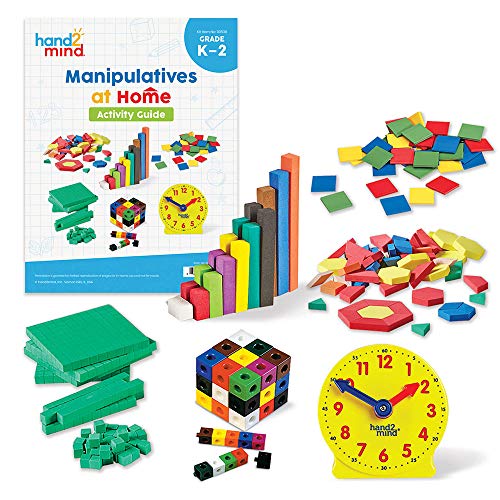
- 292-piece kit with 6 math manipulatives
- Includes cubes, base ten blocks, pattern blocks, and clock
- Built for K-2 homeschool practice
Best For: Families wanting one starter kit for multiple early math skills
Place Value Practice Tool
Student Place Value Flip Chart
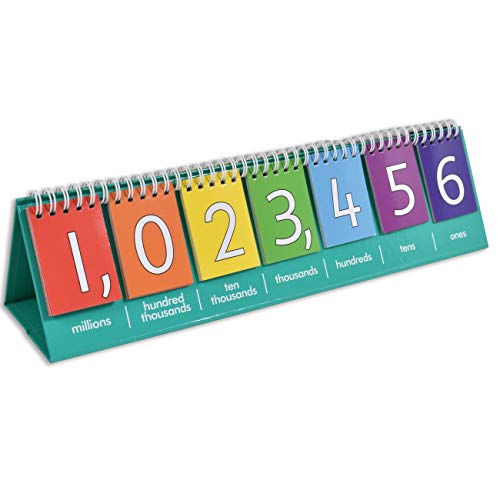
- Double-sided chart for whole numbers and decimals
- Freestanding design with color-coded cards
- Covers millions through thousandths
Best For: Visual learners practicing place value at home
Hands-On Ten-Frame Learning Kit

- 152-piece wooden set with ten-frames and counters
- Includes game cards, dice, and dry-erase boards
- Good for addition, subtraction, and number sense
Best For: Interactive homeschool math practice for young learners
Portable Number Sense Practice Board
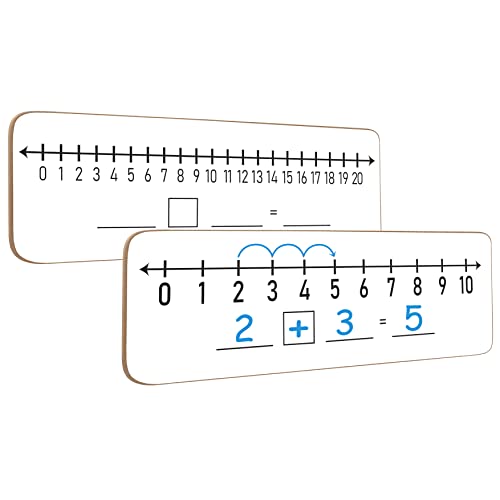
- Double-sided 0-10 and 0-20 number lines
- Lightweight reusable lapboard for practice
- Useful for counting, addition, and subtraction
Best For: One-student homeschool practice and tutoring
Wooden Geometry Set
209 PCS Shapes Wooden Pattern Blocks

- 209 pieces for larger builds and shared use
- 24 cards with 4 difficulty levels
- Wooden, smooth-edged pieces with storage bag
Best For: Homeschoolers focused on geometry, patterns, and spatial skills
Place Value Kit

- Units, rods, flats, cube, mat, and storage box
- Helps teach place value, number sense, and operations
- Lightweight, sturdy, and easy to clean
Best For: Kindergarten to early elementary place value practice
Counting Bears Set
Learning Resources Baby Bear Counters

- 102 colorful counters with storage bucket
- Supports counting, sorting, and color recognition
- Includes an activity guide for easy use
Best For: Preschool and pre-K early math practice
Starter Counting Set
100 Math Cubes for Early Learning

- 100 linking cubes in 10 colors
- Embossed shapes support sorting
- Soft-click links for easy building
Best For: Preschool and kindergarten homeschool counting and pattern practice
All-in-One Skills Kit

- Includes ten-frames, counters, and base ten blocks
- Adds dry erase 120-chart and number line
- Covers counting, place value, and shapes
Best For: K-3 homeschool math lessons with multiple hands-on tools
Activity-Ready Cube Set

- 100 cubes in 10 vibrant colors
- Includes activity card, markers, and stickers
- Supports counting, place value, and simple equations
Best For: Homeschoolers wanting guided linking cube activities
All-in-One Homeschool Starter Set – Take Home Math Manipulatives Kit
If you want math manipulatives for homeschool without piecing together separate supplies, this take-home kit covers several early learning tools in one box. It includes snap cubes, base ten blocks, Cuisenaire rods, pattern blocks, color tiles, and a learning clock, making it a practical pick for kindergarten through grade 2 practice.
Best For: Homeschool families who want a broad starter set for counting, place value, sorting, patterns, and time-telling.
Pros:
- Includes 6 core manipulatives in one 292-piece kit.
- Base ten pieces, cubes, and tiles support counting and place value work.
- Learning clock adds time-telling practice for younger students.
- Compact enough for homeschool use and take-home learning.
Cons:
- Designed mainly for K-2, so older learners may outgrow it quickly.
- Broad kit means it may not go deep in any single skill area.
This is a strong all-purpose option if you want one set to cover several early math skills at home. It is especially useful when you need a ready-to-use assortment rather than individual manipulatives.
Place Value Practice Tool – Student Place Value Flip Chart
For math manipulatives for homeschool focused on number sense, this flip chart gives students a hands-on way to practice place value and counting. The double-sided design shows whole numbers on one side and decimals on the other, with color-coded cards that make values easier to read and manipulate.
Best For: Students who need a visual, reusable place value tool for home lessons and independent practice.
Pros:
- Covers millions through ones on one side.
- Decimals go to the thousandths place on the reverse.
- Freestanding base makes it easy to use on a desk.
- Large, bright numbers are designed for easy identification.
Cons:
- Focused on place value, so it is not a broad manipulative set.
- Works best as a practice aid rather than a full lesson kit.
This is a smart choice if place value is the main skill you want to reinforce at home. It gives learners a clear, reusable visual reference without adding clutter to your homeschool setup.
Hands-On Ten-Frame Learning Kit – Wooden Ten-Frame Set
This wooden set is a strong pick for math manipulatives for homeschool when you want addition and subtraction practice to feel more hands-on. With ten-frames, counters, dry-erase boards, game cards, dice, and number stones, it gives kids multiple ways to work on early number concepts and simple math games.
Best For: Homeschool families who want a reusable wooden set for early addition, subtraction, and number sense practice.
Pros:
- Large 152-piece set with ten-frames, counters, and writing boards.
- Includes game cards and dice for multiplayer math practice.
- Wood construction and polished edges are designed for safe handling.
- Storage bag and box help keep pieces organized for homeschool use.
Cons:
- More complex than a basic single-skill manipulative.
- Best suited to younger learners in preschool through early elementary.
If you want a reusable set that turns early math into a more interactive activity, this one stands out. It works well for families who like game-based learning and want multiple activities in one package.
Portable Number Sense Practice Board – Dry Erase Number Line Board
For a simple, reusable option among math manipulatives for homeschool, this number line board gives grade 1-2 students a focused place to practice counting and basic operations. The double-sided layout includes 0-10 on one side and 0-20 on the other, making it easy to match the board to the lesson.
Best For: Parents and tutors who want a lightweight individual board for counting, addition, and subtraction practice.
Pros:
- Double-sided with 0-10 and 0-20 number lines.
- Lightweight and portable for desks, laps, or learning stations.
- Reusable dry-erase surface helps reduce worksheet use.
- Sturdy hardboard build is made for everyday practice.
Cons:
- Single-board format is limited to one learner at a time.
- Best for focused number-line work rather than broader manipulatives.
This board is a practical supplement when you want a compact, no-fuss visual tool for home math sessions. It is especially useful for repeated practice without needing a full manipulative set.
Wooden Geometry Set – 209 PCS Shapes Wooden Pattern Blocks
If you want math manipulatives for homeschool that double as an open-ended creativity tool, this 209-piece wooden pattern block set is a strong fit. The collection includes six geometric shapes plus 24 activity cards, so learners can move from simple matching to more advanced pattern building without needing a separate kit.
Best For: Homeschool families who want a large, screen-free geometry and pattern activity set for one child or multiple kids.
Pros:
- Large 209-piece assortment supports bigger designs and shared play.
- 24 activity cards include four difficulty levels for gradual progression.
- Wooden pieces have smooth, splinter-free edges and water-based paint.
- Storage bag makes it easier to pack away or take on trips.
Cons:
- Focused more on geometry and patterning than on core arithmetic.
- Requires guided use if you want to get the most out of the activity cards.
This is a practical choice for families who want a versatile, hands-on set that can handle everything from simple shape recognition to more complex spatial puzzles. Its size and card-based progression make it especially useful for homeschool lessons, centers, or quiet independent work.
Place Value Kit – TOMMYHOME Base Ten Blocks
For math manipulatives for homeschool that target number sense directly, this base ten block set is built around place value practice, counting, and basic operations. It includes units, rods, flats, a cube, a storage box, and a reusable mat, giving parents a simple way to teach tens and ones with a tactile model.
Best For: Homeschool lessons in kindergarten through early elementary that need a place value and counting manipulative set.
Pros:
- Includes units, rods, flats, a cube, storage box, and mat.
- Useful for place value, number sense, decimals, addition, and subtraction.
- Plastic pieces are lightweight, sturdy, and easy to clean.
- Complimentary erasable mat supports repeated practice.
Cons:
- Best suited to structured math lessons rather than freeform play.
- Small parts mean it needs supervised use with younger children.
This set is a straightforward teaching aid if your homeschool math routine centers on understanding tens and ones visually. The included mat and storage box add everyday convenience, making it easier to introduce concepts and clean up afterward.
Counting Bears Set – Learning Resources Baby Bear Counters
If you need math manipulatives for homeschool that work well for early learners, these Baby Bear Counters are an easy, low-prep option. The 102-piece set includes colorful bears, a storage bucket, and an activity guide, so you can practice counting, sorting, and color recognition right away.
Best For: Preschool and pre-K homeschool lessons that focus on counting, sorting, and basic math readiness.
Pros:
- 102 bear counters provide plenty of pieces for early math activities.
- Supports counting, sorting, color recognition, and simple measurement.
- Includes an activity guide and built-in storage bucket.
- Small, lightweight bears are easy for young children to handle.
Cons:
- More limited for older students who need advanced math practice.
- Plastic bears are best for structured activities, not open-ended building.
This set is a sensible starting point for families teaching early math at home. It keeps the focus on concrete counting and sorting skills, while the included storage bucket helps make cleanup simple.
Starter Counting Set – 100 Math Cubes for Early Learning
If you want math manipulatives for homeschool that are simple, tactile, and easy for young learners to handle, this 100-piece linking cube set is a strong place to start. The cubes connect on all sides, come in 10 colors, and include embossed shapes, so they work well for counting, sorting, patterning, and basic building activities.
Best For: Preschool and kindergarten homeschool lessons focused on counting, colors, shapes, and early pattern work.
Pros:
- 100 linking cubes in 10 colors for plenty of hands-on practice.
- Soft-click connection makes them easy for small hands to build and stack.
- Embossed geometric shapes add extra sorting and matching activities.
- Includes an activity guide for quick lesson ideas.
Cons:
- Best suited to early math skills rather than upper elementary concepts.
- Plastic construction may feel basic if you want a more premium teaching set.
This set works best as an open-ended homeschool math tool for young children who learn by touching, sorting, and building. It is especially useful if you want one manipulative that can support several early skill areas without a lot of setup.
All-in-One Skills Kit – K-3 Math Manipulatives Kit
This take-home kit is a practical choice if you want math manipulatives for homeschool that cover several core skills in one box. It includes ten-frames, counters, base ten blocks, a dry erase 120-chart, a number line, and pattern blocks, giving kids repeated hands-on practice with counting, place value, addition, subtraction, and shapes.
Best For: Homeschool families teaching kindergarten through 3rd grade who want a broad, standards-aligned math toolkit.
Pros:
- Combines multiple manipulatives in one kit for mixed-skill lessons.
- Includes base ten blocks, ten-frames, and counters for number work.
- Dry erase 120-chart and number line add reusable practice options.
- Designed to support individual or small-group learning.
Cons:
- Small parts and many pieces may require organization for home use.
- Less focused on one specific skill than a dedicated manipulative set.
For homeschoolers who want a single resource that can grow with early elementary math, this kit offers the widest range of practice tools here. It is a sensible pick when you want flexible, standards-friendly manipulatives rather than one narrowly focused set.
Activity-Ready Cube Set – Linking Cubes with Cards
For families looking for math manipulatives for homeschool with built-in activity support, this linking cube set adds more than just counting pieces. Along with 100 cubes in 10 colors, it includes a reusable double-sided card, dry erase markers, and star stickers, making it easy to turn simple cube play into structured early STEM and math practice.
Best For: Homeschool families who want linking cubes plus activity extras for counting, sorting, and beginner operations.
Pros:
- 100 colorful linking cubes support counting, sorting, and comparison.
- Includes activity cards, dry erase markers, and stickers for guided play.
- Works for early STEM practice like place value, addition, and subtraction.
- Lightweight, smooth plastic design is made for small hands.
Cons:
- Activities may feel more limited if you only want a larger multi-piece math kit.
- Best results depend on using the included cards and prompts.
This set is a good fit if you want linking cubes with a little more structure than a plain block bucket. It should appeal to homeschool parents who want easy-to-use materials that still leave room for creative building and math exploration.
How We Picked These Math Manipulatives for Homeschool
We focused on tools that support core early math skills, especially counting, grouping, place value, patterning, and number sense. Each pick needed to be usable in a homeschool setting, meaning durable enough for repeated lessons, simple to store, and flexible across multiple grades or skill levels.
We also prioritized sets that work well for independent practice, parent-led instruction, and multi-child use. Accessories like activity cards, charts, and storage help improve long-term usefulness.
Quick Comparison
If your learner is just starting out, counters, ten-frames, and pattern blocks are usually the easiest entry points. For children moving into place value and multi-digit operations, base ten blocks, flip charts, and number lines become more valuable. Larger kits can be the best all-in-one option if you want one purchase to cover several topics.
Key Buying Factors for Math Manipulatives for Homeschool
Skill Level and Math Goals
Match the manipulative to what you are teaching. Counting toys and linking cubes are ideal for pre-K and kindergarten. Ten-frames, number lines, and base ten materials better support first and second grade. If you want a single set that grows with your child, look for a kit with several types of manipulatives rather than one tool only.
Versatility
The best Math Manipulatives for Homeschool can be reused across multiple lessons. For example, cubes can support counting, addition, subtraction, arrays, and early multiplication. Pattern blocks can introduce geometry, symmetry, and spatial reasoning. Place value tools help with both whole numbers and decimals.
Durability and Storage
Look for sturdy materials, especially if younger siblings will also use the set. Small pieces should come with a bag, tray, or box so the kit stays organized between lessons. Durable storage matters in homeschool because these materials tend to be used often and by multiple children.
Clarity and Ease of Use
Clear colors, simple layouts, and easy-to-read charts make lessons faster and more effective. A good manipulative should reduce confusion, not add it. Dry erase boards and flip charts can also make daily practice more interactive and less wasteful than printed worksheets alone.
Who Should Buy Which Math Manipulatives for Homeschool?
If you teach pre-K or kindergarten, start with counters, linking cubes, pattern blocks, and ten-frames. For first and second grade, base ten blocks, number lines, and place value charts are especially useful. If you want a broader toolkit, choose a larger multi-piece kit that combines several manipulatives in one package.
Families with mixed ages should consider sets that offer open-ended use, since those usually deliver the best long-term value. In general, the right choice depends on whether you need a focused tool for one concept or a flexible kit for everyday homeschool math.