Mechanical engineering kits for students are a practical way to turn abstract STEM concepts into hands-on learning. The right kit can build confidence with force, motion, structure, hydraulics, and basic mechanisms while keeping students engaged.
In this roundup, we focused on kits that are educational, age-appropriate, and useful for classrooms, homeschool, or independent exploration.
Best 10 Mechanical Engineering Kits for Students Picks for 2026
Simple Physics Starter
Thames & Kosmos Simple Machines Kit

- Builds 26 models around core simple machines
- Includes a spring scale for force measurement
- Guided by a 32-page illustrated manual
Best For: Students ages 8+ learning the basics of mechanical physics
Drafting Essentials
Mr. Pen Professional Geometry Set
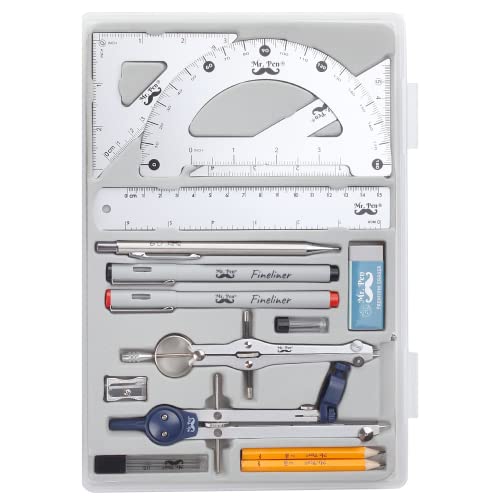
- 15-piece toolkit for geometry and drafting
- Includes compass, protractor, ruler, and triangles
- Comes in a durable portable case
Best For: Students who need compact drafting tools for class
Robotics Builder

- Combines motors, wires, and a wooden build
- Introduces circuits and mechanical movement
- No soldering required for assembly
Best For: Older kids and teens who want a robotics engineering project
Structure Challenge
Thames & Kosmos Bridges & Skyscrapers

- Builds 20 structural engineering models
- Covers load, compression, tension, and force
- Includes 285+ interchangeable pieces
Best For: Intermediate students studying bridge and skyscraper design
Hydraulic Robotics Pick

- Water-powered hydraulic arm with no batteries required
- 6 axes and 270-degree rotation for hands-on control
- Designed as a multi-hour STEM building project
Best For: Students 12+ who want a working robotics build with hydraulics
Intro Machine Builder
Mechanical Engineering: Machines & Vehicles

- 20 building projects and 22 supplemental experiments
- Reusable parts build cranes, windmills, elevators, and more
- Teaches force, motion, gears, gravity, and energy
Best For: Ages 8+ beginners who want variety and clear mechanical concepts
Engine Visibility Pick
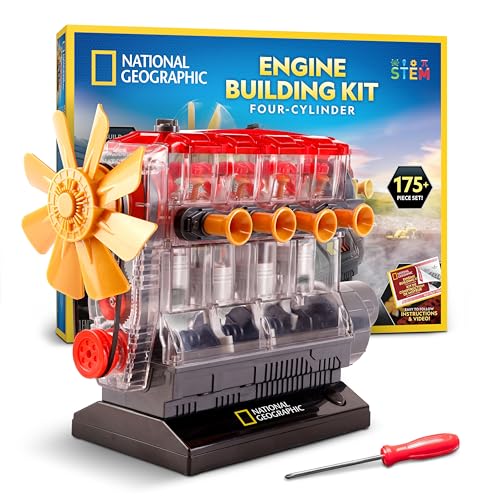
- Clear model shows pistons, valves, and gears in motion
- 175+ pieces plus tools and a Learning Guide included
- Runs on 3 AA batteries for a working engine demonstration
Best For: Kids 10+ who want a visible, car-engine-inspired STEM build
Robot Car STEM Build
ELEGOO UNO R3 Smart Robot Car Kit V4

- 24-module robotics kit with assembly and coding
- Line tracking, obstacle avoidance, and remote control
- HD tutorial and simplified ports for easier setup
Best For: Beginners exploring robotics, programming, and electronics assembly
Hydraulic Mechanisms Kit
PATHFINDERS STEM Kit 4-in-1 Hydraulics

- Build four hydraulic machines in one kit
- Uses water power to teach force and motion
- No batteries or special tools needed
Best For: Classrooms and homeschoolers focused on physics and mechanics
Visible Engine Model
OWNONE V8 Engine Model Kit with Motor

- Detailed 660-piece V8 engine replica
- Transparent design shows piston movement
- LED lights and app control add interactivity
Best For: Teens and adults interested in engine mechanics and display models
Simple Physics Starter – Thames & Kosmos Simple Machines Kit
If you want mechanical engineering kits for students that start with the basics, this Thames & Kosmos set offers a clear introduction to simple machines. It lets learners build 26 models while seeing how gears, levers, pulleys, inclined planes, screws, and wedges reduce effort and change force in everyday situations.
Best For: Students ages 8+ who are beginning hands-on mechanical physics and want a guided model-building kit.
Pros:
- Includes 26 model-building exercises for broad hands-on practice.
- Covers all six classic simple machines plus gears.
- Comes with a spring scale to measure force changes.
- 32-page full-color manual provides step-by-step guidance.
Cons:
- Focused on simple machines, so it is less advanced than structural or robotics kits.
- Plastic parts may feel more classroom-oriented than display-worthy.
Overall, this is a strong foundational choice for students who need a structured introduction to mechanical concepts before moving on to more complex engineering builds.
Drafting Essentials – Mr. Pen Professional Geometry Set
For mechanical engineering kits for students that support drafting and layout work, this Mr. Pen geometry set is a practical grab-and-go option. It includes the core tools used for geometry, drafting, and technical drawing, all packed in a durable case that is easy to carry between class, home, or a backpack.
Best For: Students, teachers, and beginners who need a compact geometry and drafting toolkit for schoolwork.
Pros:
- 15-piece set covers key drafting tools like compasses, triangles, ruler, and protractor.
- Includes pencils, fineliners, sharpener, eraser, and lead refills.
- Durable plastic case helps keep everything organized and portable.
- Works for students, engineers, architects, and designers at any level.
Cons:
- It is a drawing and drafting kit, not a hands-on buildable engineering model.
- The 6-inch ruler is relatively small for some projects.
This set is best viewed as a support tool for mechanical engineering coursework, especially when precision drawing and measurement matter more than construction activities.
Robotics Builder – DIY Mechanical Robot Arm Kit
If you’re comparing mechanical engineering kits for students who want a more interactive challenge, this robot arm kit adds robotics and circuits to the mix. It combines motors, PCB microcontroller boards, and wires with a wooden build, giving learners a hands-on way to explore mechanical movement and basic electrical control.
Best For: Kids, teens, and beginners who want a robotics-style engineering project with assembly and circuit elements.
Pros:
- Blends mechanical assembly with introductory circuits and motors.
- Wooden parts and detailed instructions create a challenging build.
- No soldering required, which keeps setup more approachable.
- Suitable for a wide age range, including older students.
Cons:
- Requires 6 AA batteries, which are not included.
- May be more demanding than a basic starter kit.
As a STEM project, this kit is a good step up for students who want to see how mechanical motion and electronics work together in one build.
Structure Challenge – Thames & Kosmos Bridges & Skyscrapers
Among mechanical engineering kits for students, this Thames & Kosmos set is a strong choice for exploring how structures handle real forces. It includes 20 model builds and an illustrated experiment manual focused on load, compression, tension, and other core engineering ideas.
Best For: Intermediate students who want to study structural engineering through model building.
Pros:
- Builds 20 models centered on structural engineering concepts.
- Teaches force, load, compression, and tension in a practical way.
- Includes over 285 interchangeable building pieces.
- Comes with a 36-page illustrated manual and assembly guide.
Cons:
- Rated intermediate, so it may not be ideal for absolute beginners.
- Designed around structures rather than general-purpose engineering or robotics.
This kit stands out for students who are ready to move beyond basic mechanics and into how bridges and tall buildings stay stable under stress.
Hydraulic Robotics Pick – Hydrobot Arm Kit
If you’re comparing mechanical engineering kits for students, the Teach Tech Hydrobot Arm Kit is a strong hands-on option for learners who want to build a real working robot rather than just assemble a static model. This hydraulic kit uses water power instead of batteries and introduces mechanical concepts through an interactive arm with multiple axes, rotation, and gripping action.
Best For: Students ages 12+ who want a multi-hour, hands-on robotics build with hydraulics and motion control.
Pros:
- Hydraulic, water-powered design requires no batteries.
- Builds a working robot arm with 6 axes and up to 270 degrees of rotation.
- Gripper can open, close, or be swapped with suction components.
- Step-by-step instructions are designed to build problem-solving and analytical thinking.
Cons:
- Best suited to older kids and students 12+.
- It is an in-depth project, so expect multiple hours of assembly time.
- Plastic construction may feel more educational than premium.
Overall, this is a solid pick for students who learn best by building and controlling a real mechanism. The hydraulic motion and longer build time make it especially useful for STEM-focused learners who want an engaging mechanical engineering challenge.
Intro Machine Builder – Mechanical Engineering: Machines & Vehicles
For mechanical engineering kits for students who need a broad introduction, this Thames & Kosmos set offers a strong mix of building projects and experiments. It includes 20 mechanical models and 22 supplemental experiments, giving learners a practical way to explore force, motion, gears, gravity, and energy through reconfigurable builds.
Best For: Ages 8+ who want an introductory mechanical engineering kit with a wide variety of models and experiments.
Pros:
- Includes 20 hands-on building projects plus 22 supplemental experiments.
- Reusable parts can be combined into models like a crane, windmill, elevator, and ATV.
- Teaches key concepts such as force, gravity, simple machines, gears, momentum, and energy.
- Comes with an 80-page full-color manual with step-by-step instructions.
Cons:
- Designed as an introductory kit, so it may feel less advanced for experienced builders.
- Recommended for ages 8+, which may be too basic for older students seeking deeper engineering challenges.
This is a practical choice if you want a versatile learning kit that covers many mechanical ideas without locking you into one build. The reusable system and clear manual make it a good classroom-style option for student builders.
Engine Visibility Pick – 4-Cylinder Engine Kit
Among mechanical engineering kits for students, this National Geographic engine model stands out for showing how a real engine works in a visible, hands-on format. With 175+ pieces, moving pistons, valves, and gears, it gives young builders a direct look at engine mechanics as they assemble and power the model.
Best For: Kids 10+ who are interested in cars, engines, and a clear, working mechanical model.
Pros:
- Clear engine model lets students see pistons, valves, and gears moving.
- Includes 175+ pieces, tools, illustrated instructions, and a Learning Guide.
- Working model runs with 3 AA batteries and demonstrates real engine motion.
- Built to encourage problem-solving skills and curiosity through STEM play.
Cons:
- Batteries are required and not included.
- Geared toward kids who are interested in engine mechanics or cars.
- Focuses on one engine model rather than a variety of builds.
This kit is a good fit if you want a student-friendly model that makes engine mechanics easy to observe. It is especially useful for learners who like automotive projects and want a concrete example of mechanical motion in action.
Robot Car STEM Build – ELEGOO UNO R3 Smart Robot Car Kit V4
If you want mechanical engineering kits for students that combine building, coding, and robotics in one project, this ELEGOO smart car kit is a strong pick. It includes multiple modules for obstacle avoidance, line tracing, infrared remote control, and phone or tablet control, so students can move from assembly to real-world testing.
Best For: Beginners who want a hands-on robotics kit with programming, electronics assembly, and app-based control.
Pros:
- Includes 24 module parts for a broad intro to robotics.
- Supports line tracking, obstacle avoidance, and IR remote control.
- HD instructions and included code make setup more approachable.
- Modified XH2.54 ports help reduce assembly errors.
Cons:
- Requires basic electronic knowledge to get the most from it.
- Best results may need an adult or mentor for first-time users.
This is a practical starter kit for students who learn best by building and then coding their project. It offers a solid mix of mechanics and electronics, but it is more beginner robotics than pure mechanical engineering.
Hydraulic Mechanisms Kit – PATHFINDERS STEM Kit 4-in-1 Hydraulics
For mechanical engineering kits for students, this hydraulic model set stands out because it teaches force, motion, and levers through four working machines. Kids build a scissor lift, platform lifter, crane, and excavator arm, all powered by simple water-based hydraulics rather than batteries.
Best For: Students who want a hands-on physics and mechanics project with multiple buildable hydraulic machines.
Pros:
- Four functional projects in one kit.
- Teaches hydraulics, levers, force, and motion in a clear way.
- No batteries or special tools required.
- Made from FSC natural untreated wood and tested to ASTM toy safety standards.
Cons:
- Designed for ages 8+, so older students may want a more advanced challenge.
- Wooden build style may feel less tech-heavy than electronics-based kits.
This kit is a strong classroom or homeschool option when the goal is mechanical thinking rather than coding. The four models give students multiple chances to practice assembly and understand how hydraulic systems work.
Visible Engine Model – OWNONE V8 Engine Model Kit with Motor
If you’re comparing mechanical engineering kits for students and want something closer to a real engine concept, this V8 model is a compelling option. The transparent design shows piston movement and other engine details, while LED lights and app control add an interactive layer to the build.
Best For: Older kids, teens, and adults who want a detailed engine model with visible mechanics and app control.
Pros:
- Recreates V8 engine details like pistons, valve train, turbocharger, and exhaust system.
- Transparent cylinder head lets builders observe moving parts.
- LED lights and app connectivity make it more interactive.
- Step-by-step instructions help simplify the 660-piece build.
Cons:
- More complex than a basic beginner STEM kit.
- Requires a battery for powered operation.
This is a good pick for students who want an engineering display piece as much as a learning project. It is especially useful for discussing engine mechanics, problem-solving, and how moving parts work together.
How We Picked the Best Mechanical Engineering Kits for Students
We prioritized Mechanical Engineering Kits for Students that teach core concepts through building rather than passive reading. The best options in this roundup offer clear educational value, repeatable projects, durable parts, and a difficulty level that matches the intended age range. We also looked for variety, so the list includes simple machines, hydraulics, structures, engines, robotics, and drafting tools.
Quick Comparison: What Each Type Teaches
Simple machine kits are best for learning leverage, gears, pulleys, and motion transfer. Hydraulic kits emphasize fluid pressure and force amplification. Structural kits introduce load paths, stability, and bridge or tower design. Engine models show pistons, timing, and rotation, while robot kits add wiring, programming, and system thinking. A geometry set rounds out the group by supporting drafting, measurement, and design accuracy.
Key Buying Factors for Mechanical Engineering Kits for Students
Age and Skill Level
Start with kits that match the student’s reading level and fine-motor ability. Younger students usually do better with guided builds, while teens can handle more complex assembly, troubleshooting, and open-ended experimentation.
Learning Depth
Look for kits that explain why a mechanism works, not just how to assemble it. Strong kits connect the build to physics and engineering principles in a way students can apply later.
Build Quality and Reusability
Parts should fit securely and survive multiple builds. Reusable kits are especially valuable for families, tutors, and classrooms because they support repeated practice and experimentation.
Hands-On Variety
The best Mechanical Engineering Kits for Students include more than one type of challenge. A balanced mix of movement, structure, and control helps students discover which engineering areas interest them most.
Who Should Buy Which Mechanical Engineering Kits for Students?
Choose simple machines or hydraulics for beginners who need a clear introduction to force and motion. Pick structural engineering kits for students interested in bridges, towers, and design constraints. Engine and robot kits are better for older students who want more complexity, visible mechanisms, or coding and electronics. If the goal is drafting, measurement, and project planning, a professional geometry set is a smart companion tool rather than a standalone build kit.
For most buyers, the best choice depends on whether the student needs a first exposure to mechanical concepts or a more advanced project that builds technical confidence. If you want the broadest educational value, start with a kit that combines multiple builds and a strong instructional guide.