Choosing the right laptop for music production is about more than just raw speed. You need enough RAM for virtual instruments, a fast SSD for sample libraries, and stable performance that can handle recording, editing, and mixing without hiccups.
This roundup focuses on laptops for music production that balance value, storage, memory, and everyday usability, so you can find a setup that fits your workflow and budget.
Best 10 Laptops for Music Production Picks for 2026
Power-User Multitasker
NIMO 17.3" Ryzen 5 6600H Laptop

- 6-core Ryzen 5 6600H for sustained multitasking
- 32GB DDR5 RAM and 1TB SSD
- 17.3-inch screen for wide mixing workspace
Best For: Producers who want a large-screen, high-memory laptop for heavier multitasking
Budget Everyday Pick
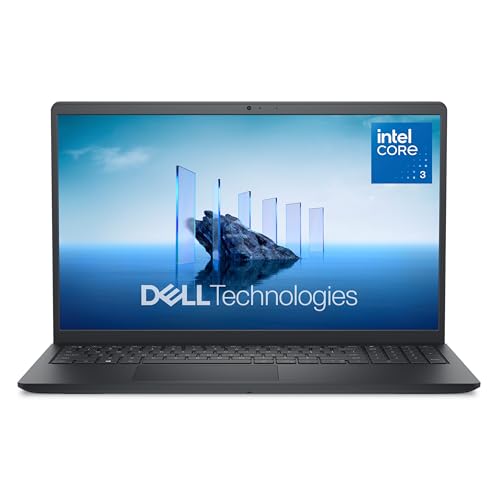
- Intel Core 3 100U for everyday use
- 8GB RAM and 512GB SSD
- 15.6-inch FHD matte display with Wi-Fi 6
Best For: Beginners who need a simple laptop for light music projects and everyday tasks
Compact Midrange Creator
KAIGERR 16" Ryzen 7430U Laptop

- Ryzen 7430U with 6 cores and 12 threads
- 16GB RAM and 512GB SSD
- 16-inch 1920 x 1200 display for extra workspace
Best For: Producers who want a reasonably portable laptop for moderate project sizes
High-Memory Workhorse

- Core i5-12450H for stronger sustained performance
- 32GB RAM and 1TB SSD
- Compact 15.6-inch FHD IPS design
Best For: Music creators who want strong performance in a smaller 15.6-inch chassis
Best for Easy Setup

- Ryzen R5 for stable everyday performance
- 8GB RAM and 128GB SSD suit lighter projects
- Full-size keyboard, fingerprint reader, and handy ports
Best For: Beginners and students doing light music production
Performance Upgrade
Acer Aspire Go 15 Ryzen 7 Laptop
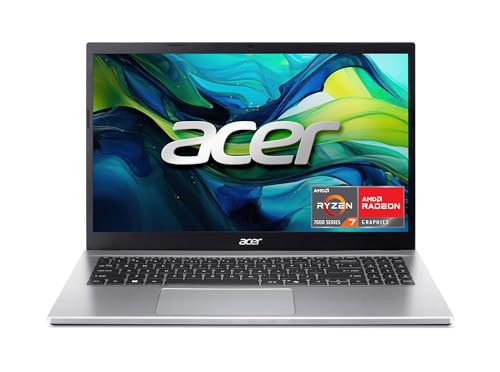
- Ryzen 7 and 16GB RAM handle heavier multitasking
- 512GB Gen4 SSD gives more room for music projects
- Wi-Fi 6, USB-C, and HDMI 2.1 add modern connectivity
Best For: Users who want the best overall performance for music work
Portable Mid-Range Choice
15.6" 12GB RAM Office 365 Laptop

- 12GB RAM helps with multitasking and light DAW use
- 256GB SSD plus microSD expansion add flexibility
- Slim 20mm body is easy to carry
Best For: Portable buyers who need decent memory for lighter production
Budget 16-inch Everyday Option
HP OmniBook 3 16" 2K Touchscreen
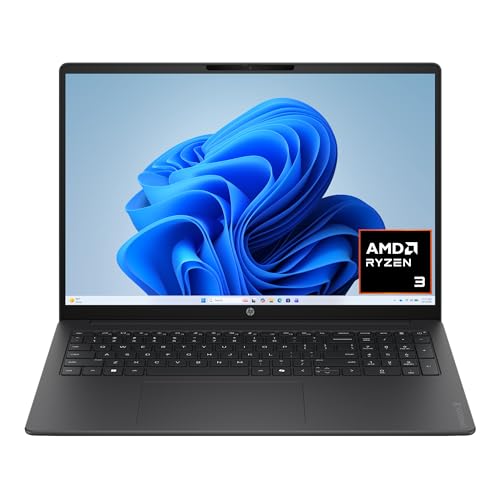
- 16-inch 2K touchscreen with IPS panel
- 8 GB RAM and 256 GB SSD
- Ryzen 3 with Radeon 610M graphics
Best For: Light music production, students, and general home use
Balanced Midrange Workhorse

- Ryzen 5 5500U with 6 cores
- 16 GB RAM for smoother multitasking
- 512 GB SSD for projects and samples
Best For: Recording, editing, and everyday DAW sessions
Large-Screen Home Studio Pick
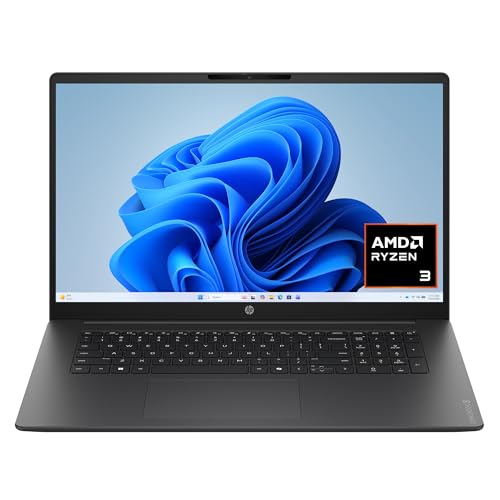
- 17.3-inch FHD IPS display
- 512 GB SSD for extra storage
- 8 GB LPDDR5 RAM with Ryzen 3
Best For: Home studio users who want a roomy screen
Power-User Multitasker – NIMO 17.3" Ryzen 5 6600H Laptop
If you want one of the more capable laptops for music production in this group, the NIMO 17.3-inch model stands out for its 6-core Ryzen 5 6600H, 32GB of DDR5 RAM, and 1TB SSD. That combination is helpful when you’re running a DAW, plugins, sample libraries, and other creative apps at the same time, while the roomy 17.3-inch FHD IPS screen gives you more space for mixing and arranging.
Best For: Producers who want a large-screen, high-memory laptop for heavier multitasking and creative workflows.
Pros:
- Ryzen 5 6600H offers 6 cores, 12 threads, and up to 4.5GHz boost for sustained multitasking.
- 32GB DDR5 RAM helps keep music apps, browser tabs, and creative tools responsive.
- 1TB PCIe SSD provides fast loading and plenty of room for projects and sample libraries.
- 17.3-inch FHD IPS display makes split-screen editing and arrangement easier.
Cons:
- Large 17.3-inch chassis is less portable than smaller laptops.
- Wi-Fi 5 is older than the Wi-Fi 6 options found on some rivals.
- Integrated Radeon 660M graphics are fine for creative work but not aimed at demanding visual tasks.
Overall, this NIMO is best viewed as a spacious, performance-first option for buyers who care more about smooth workflow than travel convenience. For music production, the memory and SSD capacity are the main attractions, especially if you keep a lot of instruments and project files locally.
Budget Everyday Pick – Dell 15.6" Core 3 Laptop
For buyers comparing laptops for music production on a tighter budget, this Dell 15.6-inch model is more of a basic starter machine than a high-end studio laptop. Its Intel Core 3 100U, 8GB RAM, and 512GB SSD are suitable for lighter sessions, simple recording setups, and general everyday use, while the 15.6-inch FHD matte display keeps the workspace practical.
Best For: Beginners who need a simple laptop for light music projects and everyday computer tasks.
Pros:
- 15.6-inch FHD matte display is comfortable for everyday viewing and basic editing.
- Intel Core 3 100U is aimed at efficient everyday computing.
- 512GB SSD gives you quick startup and usable local storage.
- Wi-Fi 6 and Bluetooth 5.3 provide modern wireless connectivity.
Cons:
- 8GB RAM is limited for larger DAW projects and heavy plugin loads.
- Integrated Intel UHD graphics are basic and not a creative-performance focus.
- More entry-level hardware than the other machines in this roundup.
This Dell makes sense if you’re starting out, keeping project sizes modest, or simply need a dependable computer that can double as a school or home machine. If your music sessions grow more complex, the lower memory ceiling will be the first limitation you notice.
Compact Midrange Creator – KAIGERR 16" Ryzen 7430U Laptop
If you want a balanced choice among laptops for music production, the KAIGERR 16-inch model offers a practical middle ground with a Ryzen 7430U, 16GB of RAM, and a 512GB SSD. It is built for multitasking and general creative use, and the 16-inch 1920 x 1200 display gives you a little more vertical room than standard 1080p panels when you’re arranging tracks or browsing plugins.
Best For: Producers who want a reasonably portable laptop for moderate project sizes and everyday creative work.
Pros:
- Ryzen 7430U with 6 cores and 12 threads supports solid multitasking.
- 16GB RAM is enough for moderate music production sessions.
- 16-inch 1920 x 1200 display offers extra screen space for workflow.
- 38Wh battery is rated for up to 8 hours of use.
Cons:
- 16GB RAM may be limiting for bigger sample libraries and larger sessions.
- 512GB SSD is workable, but not as roomy as 1TB alternatives.
- Battery life claims depend on the workload and background apps.
This KAIGERR is a sensible pick if you want something lighter and more compact than a 17-inch machine but still capable enough for day-to-day creative work. It is strongest when your projects stay in the moderate range rather than becoming heavily loaded studio sessions.
High-Memory Workhorse – NIMO 15.6" Core i5 Laptop
For laptops for music production that emphasize raw multitasking, this NIMO 15.6-inch system brings a Core i5-12450H, 32GB of RAM, and a 1TB SSD into a compact format. The higher-power H-series processor and large memory allotment are a strong fit for running a DAW, plugins, and other creative tools together, while the 15.6-inch FHD IPS screen keeps the footprint manageable.
Best For: Music creators who want strong performance in a smaller, more portable 15.6-inch chassis.
Pros:
- Core i5-12450H is a 28W H-series chip designed for stronger sustained performance.
- 32GB RAM helps handle multitasking and larger creative projects.
- 1TB PCIe SSD provides fast storage for projects, samples, and media files.
- USB-C with power, data, and DisplayPort support adds useful connectivity.
Cons:
- Integrated Intel graphics are basic and not a major creative advantage.
- 15.6-inch screen is smaller than the 17.3-inch option for split-screen work.
- Premium specs do not replace the need for external audio gear in a studio setup.
This NIMO is the most straightforward “muscle in a smaller body” option here. It is a strong fit if you want the memory and storage to keep sessions responsive without moving up to a larger laptop, and its port selection makes it easier to connect studio accessories.
Best for Easy Setup – Aurant 15.6" Ryzen R5 Laptop
For laptops for music production, this Aurant model makes the most sense as a budget-friendly everyday machine rather than a heavy-duty studio rig. The Ryzen R5 processor, 8GB RAM, and 128GB SSD should handle light DAW sessions, basic editing, browsing, and file management, while the full-size keyboard and fingerprint reader add convenience for home or school use.
Best For: Beginners, students, and casual creators who need an affordable laptop for light music production tasks.
Pros:
- Ryzen R5 processor offers stable performance for daily multitasking and light creative work
- Full-size keyboard with backlight and fingerprint unlock adds practical usability
- Includes HDMI, USB 3.0, microSD, and 3.5mm audio jack for basic studio connectivity
- Lightweight 1.6 kg design is easy to carry between home, class, or practice spaces
Cons:
- 8GB RAM and 128GB SSD are modest for larger music projects and sample libraries
- Bluetooth 4.2 is older than newer wireless standards
- HD screen and integrated graphics are more utilitarian than premium
This is a sensible low-cost option if you are starting out and want a simple, portable laptop for basic recording, editing, and music software use. For bigger sessions or heavy sample work, you will likely want more memory and storage.
Performance Upgrade – Acer Aspire Go 15 Ryzen 7 Laptop
If you want laptops for music production with more headroom, the Acer Aspire Go 15 is the strongest fit in this group. Its Ryzen 7 7730U processor, 16GB of memory, and 512GB PCIe Gen4 SSD are better suited to multitasking, larger projects, and faster loading of music apps and files, while the 15.6-inch 1080p IPS display gives you a clear workspace.
Best For: Creators who want a stronger all-around laptop for recording, editing, and moderate music production workloads.
Pros:
- Ryzen 7 7730U and 16GB RAM provide stronger multitasking performance
- 512GB PCIe Gen4 SSD offers much more room for projects and faster access
- Full HD IPS display is sharp and practical for long editing sessions
- Wi-Fi 6, USB-C, and HDMI 2.1 improve modern connectivity
Cons:
- Integrated graphics are fine for music work but not built for demanding visual tasks
- Still a 15.6-inch laptop, so it is less compact than smaller travel models
- AI features are not a core advantage for music production specifically
Overall, this is the best-balanced choice here if you care more about performance and storage than the lowest price. It has the specs that matter most for smoother sessions and a more future-proof workflow.
Portable Mid-Range Choice – 15.6" 12GB RAM Office 365 Laptop
For laptops for music production on a moderate budget, this thin 15.6-inch model offers a practical middle ground. The 12GB RAM and 256GB SSD give it more breathing room than entry-level machines, while the FHD display, Type-C port, and microSD expansion make it a usable pick for light recording, editing, and everyday file work.
Best For: Budget-conscious users who want a portable laptop for light-to-moderate music production and general use.
Pros:
- 12GB RAM is a step up for smoother multitasking
- 256GB SSD boots quickly and can be expanded with microSD
- 15.6-inch FHD screen is clear for timelines, plugins, and notes
- Slim 20mm design and 38Wh battery support portable use
Cons:
- Dual-core processor is the weakest CPU in this group
- Wi-Fi 5 is older than newer wireless standards
- Integrated graphics and basic specs limit larger, more demanding projects
This model works best when portability and value matter more than raw processing power. It is a workable option for simple sessions, but serious producers will likely want a faster CPU and more storage.
Budget 16-inch Everyday Option – HP OmniBook 3 16" 2K Touchscreen
If you’re comparing laptops for music production and want a budget-friendly large-screen setup, this HP OmniBook 3 gives you a roomy 16-inch 2K touchscreen, Wi‑Fi 6, and a fast SSD for everyday project work. It is best suited to lighter production sessions, note-taking, and general creative tasks rather than heavy plugin stacks.
Best For: New producers, students, and home users who want a big screen and simple portable performance for light music work.
Pros:
- 16-inch 2K IPS touchscreen offers a comfortable workspace and clear detail.
- 8 GB LPDDR5 RAM and a 256 GB SSD support basic multitasking and quick loading.
- AMD Ryzen 3 7320U and Radeon 610M are fine for everyday productivity and casual editing.
- AI noise reduction and dual microphones can help make calls and online collaboration cleaner.
Cons:
- 8 GB RAM may feel limited for larger music projects with many instruments or effects.
- 256 GB storage is modest if you keep lots of sample libraries locally.
- Ryzen 3 is positioned for everyday use, not demanding production workloads.
This is a practical starter pick if your music production needs are light and you value screen space over raw power. For bigger DAW sessions, the storage and memory ceiling are the main limitations.
Balanced Midrange Workhorse – Lenovo V15 Ryzen 5 16GB/512GB
For buyers looking at laptops for music production, this Lenovo V15 is the most balanced option in the group thanks to its Ryzen 5 5500U, 16 GB RAM, and 512 GB SSD. That combination makes it better suited to recording, editing, and running several apps at once than the lower-memory alternatives here.
Best For: Producers who want a solid everyday machine for DAW use, multitasking, and larger project files.
Pros:
- 16 GB high-bandwidth RAM is a better fit for multitasking and audio work.
- 512 GB PCIe NVMe SSD provides more room for projects and faster boot times.
- Ryzen 5 5500U 6-core processor offers stronger headroom than basic entry-level chips.
- Includes HDMI, RJ45, USB-C, and a numeric keypad for flexible desk use.
Cons:
- Integrated graphics are basic, which is fine for audio but not ideal for heavier creative visuals.
- The 15.6-inch display is standard rather than especially bright or premium for the price segment.
- Business-oriented design may feel less portable than slimmer creative laptops.
This is the safest all-around choice if you want a practical Windows laptop for music production without paying for features you may not need. The stronger CPU, 16 GB RAM, and larger SSD make it the best fit for more serious project work.
Large-Screen Home Studio Pick – HP OmniBook 3 17.3" FHD
If you want a larger display among laptops for music production, this HP OmniBook 3 17.3-inch model stands out for its roomy Full HD IPS screen and 512 GB SSD. It is a sensible choice for home studios where screen space matters more than ultra-compact portability.
Best For: Home producers who want a big, comfortable display for arranging, mixing, and general creative work.
Pros:
- 17.3-inch FHD IPS display gives you more space for DAW timelines and plugin windows.
- 512 GB SSD offers more storage headroom than the smaller OmniBook option.
- 8 GB LPDDR5 RAM and Ryzen 3 support everyday responsiveness for lighter workflows.
- Wi-Fi 6, Bluetooth 5.4, and multiple USB-C/USB-A ports improve connectivity.
Cons:
- 8 GB RAM may be restrictive for large sample libraries or more complex projects.
- Ryzen 3 is still entry-level for serious multi-track production workloads.
- At 4.4 pounds, it is less convenient if you plan to carry it often.
This model makes sense if you value workspace and storage over raw performance. It is the most comfortable large-screen option here, but it still fits the lighter end of music production better than demanding studio builds.
How We Picked These Laptops for Music Production
We focused on the specs that matter most for DAW use: multi-core CPU performance, at least 16GB RAM where possible, SSD storage for fast project loading, and displays that make long sessions more comfortable. We also looked for models that offer enough headroom for plug-ins, sample packs, and multitasking.
Quick Comparison
For heavier projects, the best choices are the models with 16GB to 32GB RAM and 512GB to 1TB SSD storage. If you mainly record audio, edit podcasts, or produce lighter beats, lower-memory options can still work, but they will feel more limited once you stack instruments and effects.
Key Buying Factors for Laptops for Music Production
CPU Performance
A capable processor helps keep latency lower and improves responsiveness when you use multiple tracks, effects, and soft synths. Look for modern Ryzen 5/Ryzen 7 or comparable Intel chips if you want smoother multitasking.
RAM
RAM is one of the most important specs for music production. 8GB is workable for basic use, but 16GB is a better starting point, and 32GB is ideal if you rely on orchestral libraries, large sample packs, or heavier projects.
Storage
An SSD is strongly preferred because it speeds up boot times, project loading, and sample access. 512GB is a practical minimum for many users, while 1TB gives you more room for DAWs, libraries, and session backups.
Display and Connectivity
A larger FHD screen can make arrangement and mixing work easier, especially if you spend hours in a DAW. Also check for enough USB ports, HDMI, and Wi-Fi stability if you use audio interfaces, MIDI controllers, and external drives.
Who Should Buy Which Laptops for Music Production?
If you want the strongest overall value for larger projects, prioritize the 16GB or 32GB configurations with the biggest SSDs. If you are a beginner or mostly edit audio, a more modest system can still serve you well. For mobile producers, a lighter 15.6-inch laptop is usually easier to carry, while a 16-inch or 17.3-inch model is better if screen space matters more than portability.
In short, the best choice depends on how many tracks, instruments, and plug-ins you use at once. Match the laptop to your workflow now, but leave some room for growth so your music setup stays usable over time.