The best dynamic microphones with built-in preamps make it easier to get strong, clean vocal levels without relying on a separate inline booster. That can simplify a podcast, streaming, voice-over, or home-recording setup while preserving the background-noise rejection dynamic microphones are known for.
We compare 10 standout options across XLR, USB, hybrid, and wireless designs, focusing on gain flexibility, sound control, connection options, and everyday usability.
Best 10 Dynamic Microphones with Built in Preamp Picks for 2026
Best Complete XLR Setup
sE Electronics DynaCaster DCM6

- Switchable 30 dB gain with 48V phantom power
- Built-in pop filter, windscreen, and shockmount
- Cardioid speech-focused XLR design
Best For: Podcasters and streamers building a complete XLR setup
Best Studio Vocal Classic
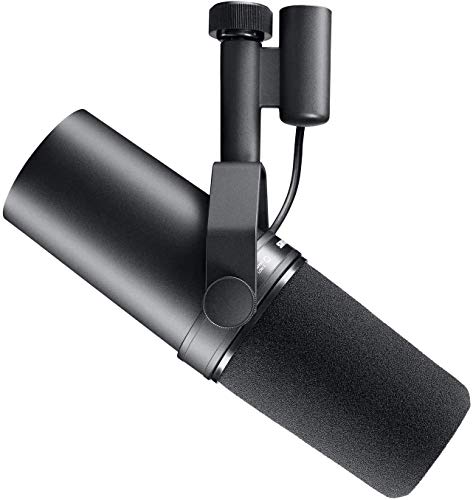
- Warm, balanced vocal capture
- Cardioid design with pop filtering and shielding
- Requires substantial external gain
Best For: Studio, broadcast, and podcast setups with a high-gain interface
Best EQ Flexibility
sE Electronics DynaCaster DCM8

- Switchable 30 dB preamp boost
- Six EQ configurations from two acoustic trim switches
- Includes pop filter, shockmount, and mount
Best For: Creators who want onboard vocal shaping and gain
Best USB/XLR Flexibility

- USB plug-and-play with tap-to-mute
- XLR output supports future interface upgrades
- RGB and headphone monitoring over USB
Best For: Gamers and beginner streamers wanting USB convenience with XLR options
Best Overall

- Selectable +18 dB or +28 dB onboard gain
- Classic warm SM7B-style vocal sound
- Cardioid isolation and flexible EQ controls
Best For: Podcasters, streamers, and vocalists using an XLR setup
Most Versatile
MAONO PD200W Hybrid Wireless Podcast Mic

- Wireless, USB, and XLR connectivity
- Up to 60 hours of battery life
- Supports two-mic wireless podcast recording
Best For: Creators who need flexible wired, wireless, and mobile recording
Best Bundle
Shure SM7dB with 20ft XLR Cable
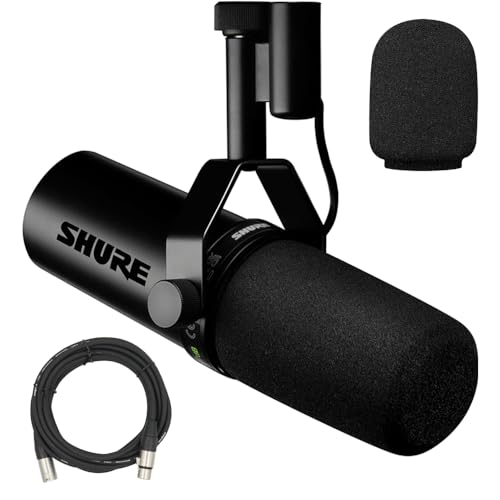
- Selectable gain with preamp bypass
- Includes a 20-foot XLR cable
- Warm cardioid sound with rear tone controls
Best For: XLR recording setups needing a long included cable
Best RGB Gaming Pick

- USB/XLR connectivity with plug-and-play PC support
- RGB, mute, gain, and headphone controls
- Boom arm and windscreen included
Best For: Gamers and streamers wanting a complete, customizable mic kit
Best Premium Podcast Pick

- USB-C and XLR outputs for flexible setups
- Auto level and real-time denoising features
- LED touch panel with mute and monitoring
Best For: Podcasters and streamers seeking automated vocal control
Best Connected Podcast Kit

- USB-C preamp and analog XLR output
- 24-bit audio with headphone monitoring
- Stand, swing mount, and two pop filters included
Best For: Podcasters needing mobile, desktop, and XLR flexibility
Best Complete XLR Setup – sE Electronics DynaCaster DCM6
If you want dynamic microphones with built in preamp support for a simple XLR recording setup, the sE Electronics DynaCaster DCM6 is a practical option. Its switchable 30 dB gain boost requires 48V phantom power, while the cardioid capsule is tuned for clear speech and voice recording.
Best For: Podcasters, streamers, and voiceover creators who want an XLR microphone with integrated accessories.
Pros:
- Switchable 30 dB of clean gain can reduce the need for an external inline preamp.
- Built-in pop filter, removable windscreen, and shockmount help control plosives, breath noise, vibration, and handling noise.
- Durable metal housing and flexible swivel mount support long-term, adjustable use.
Cons:
- Requires an XLR interface, mixer, or compatible device and 48V phantom power for the preamp.
- It is a single-channel XLR microphone rather than a direct USB plug-in model.
The DCM6 is especially appealing when you want a ready-to-use vocal setup without buying a separate pop filter, shockmount, and inline gain booster.
Best Studio Vocal Classic – Shure SM7B
The Shure SM7B is a professional XLR dynamic microphone for creators who prioritize warm, balanced vocals and flexible control through an audio interface or mixer. Unlike dynamic microphones with built in preamp designs, it does not include an onboard preamp and typically benefits from at least 60 dB of gain.
Best For: Podcasting, broadcasting, voiceover, singing, and studio users with a suitable high-gain interface or external preamp.
Pros:
- Wide-range response and dynamic cartridge are designed for warm, clear vocals.
- Cardioid pickup, air suspension shock isolation, pop filtering, and windscreen help focus on the voice.
- Rugged metal construction and electromagnetic shielding support dependable studio and broadcast use.
Cons:
- No built-in preamp, so a high-gain interface or external preamp may be necessary.
- Its 2.7-pound weight and XLR-only connection require a suitably capable setup.
The SM7B remains a strong choice for buyers who value established broadcast-style vocal performance and already have the gain equipment needed to drive it properly.
Best EQ Flexibility – sE Electronics DynaCaster DCM8
Among dynamic microphones with built in preamp functionality, the sE Electronics DynaCaster DCM8 stands out for combining switchable 30 dB gain with six EQ configurations. The active cardioid design is intended for focused vocals but can also handle high-SPL sources such as guitar amps, drums, and bass.
Best For: Content creators and recording users who want onboard gain, vocal shaping, and a bundled XLR microphone setup.
Pros:
- Switchable 30 dB preamp boost works with 48V phantom power and low-gain interfaces.
- Two acoustic trim switches provide six EQ configurations for shaping the sound before processing.
- Three-layer pop filter, shockmount, and flexible swivel mount are included.
Cons:
- Requires XLR connectivity and phantom power to use the built-in preamp.
- The EQ controls are recessed, which protects settings but makes quick adjustments less convenient.
The DCM8 is the more adaptable choice in this group for users who want to refine vocal character at the microphone instead of relying entirely on post-production.
Best USB/XLR Flexibility – FIFINE AmpliGame AM8
The FIFINE AmpliGame AM8 is a flexible alternative for buyers comparing dynamic microphones with built in preamp features to USB models. It offers direct USB operation for convenient gaming and podcasting, plus an XLR connection for an audio interface or mixer; the supplied notes do not identify a built-in XLR preamp.
Best For: Beginner creators, gamers, and streamers who want USB convenience with an upgrade path to XLR.
Pros:
- USB connection provides plug-and-play use with a tap-to-mute control, headphone monitoring, and volume adjustment.
- XLR connectivity allows later use with an audio interface or mixer.
- Cardioid pickup, 50 Hz–16 kHz response, controllable RGB, and included mounting threads suit gaming setups.
Cons:
- A separate XLR cable is required and is not included.
- RGB, mute, function controls, and monitoring features are available only over USB.
- It does not provide the same stated built-in XLR preamp function as the DynaCaster models.
The AM8 makes the most sense when easy USB setup matters more than an integrated XLR gain stage, while its second connection keeps the microphone useful as your recording setup develops.
Best Overall – Shure SM7dB Dynamic Vocal Mic
For shoppers seeking dynamic microphones with built in preamp, the Shure SM7dB is a polished XLR option that combines the familiar SM7B sound with selectable onboard gain. Its cardioid pickup, shielding, and tone controls make it well suited to voice-focused recording setups.
Best For: Podcasters, streamers, and vocalists who want classic Shure sound without a separate inline preamp.
Pros:
- Selectable +18 dB or +28 dB clean built-in gain.
- Warm, natural vocal character based on the SM7B cartridge and response.
- Cardioid isolation, shock protection, and electromagnetic shielding help reduce unwanted noise.
- Rear-panel bass-roll-off and presence-boost controls provide practical tone shaping.
Cons:
- Uses XLR connectivity rather than direct USB connection.
- At 2.7 pounds, it is a substantial microphone for compact setups.
- The onboard preamp requires suitable powered equipment in the signal chain.
The SM7dB is a strong all-around choice when clean gain, controlled vocal capture, and durable construction matter more than plug-and-play USB convenience.
Most Versatile – MAONO PD200W Hybrid Wireless Podcast Mic
The MAONO PD200W stands out among dynamic microphones with built in preamp for creators who need more than a traditional wired XLR setup. It supports wireless, USB, and XLR operation, giving you flexibility for desktop recording, mobile work, cameras, and audio interfaces.
Best For: Podcasters, streamers, and mobile creators who value wireless freedom and multiple connection options.
Pros:
- Supports wireless, USB-C, and XLR connections.
- Wireless range reaches up to 60 meters, with up to 60 hours of battery life with RGB off.
- Cardioid pickup and three-stage noise cancellation help focus on voices.
- One receiver can connect two wireless desktop microphones for two-person conversations.
Cons:
- Its feature-rich wireless system may be more than a simple wired setup requires.
- Camera and Lightning accessories are sold separately.
- Wireless operation depends on battery power.
Choose the PD200W if connection flexibility is a priority. Its USB and wireless modes simplify creator workflows, while XLR keeps a conventional interface option available.
Best Bundle – Shure SM7dB with 20ft XLR Cable
This SM7dB bundle is a practical pick for anyone comparing dynamic microphones with built in preamp and wanting a longer cable included. It offers Shure’s warm, familiar vocal response, switchable preamp gain, bypass operation, and a 20-foot XLR cable for a more flexible studio or streaming layout.
Best For: Voice creators and recording setups that need the SM7dB microphone plus a ready-to-use long XLR cable.
Pros:
- Built-in preamp provides selectable +18 dB or +28 dB gain, with a bypass option.
- Cardioid pickup pattern helps isolate vocals from background sound.
- Includes a close-talk windscreen, thread adapter, and 20-foot XLR cable.
- 50–20,000 Hz frequency response and rear tone switches support detailed vocal shaping.
Cons:
- Requires an interface or mixer with +48V phantom power to operate the preamp.
- Remains an XLR microphone rather than a direct USB model.
- The long cable may be unnecessary for compact desktop arrangements.
The bundle makes sense when you already plan to use an XLR interface and want the SM7dB’s gain flexibility without purchasing a cable separately.
Best RGB Gaming Pick – FIFINE AmpliGame AM8T
For shoppers seeking dynamic microphones with built in preamp, the FIFINE AmpliGame AM8T is a practical USB/XLR gaming kit with plug-and-play computer connectivity, onboard controls, and a boom arm included. Its cardioid pattern and -50 dB sensitivity are designed to help focus on the speaker while reducing background pickup.
Best For: Gamers, streamers, and creators who want RGB lighting, USB convenience, and an included boom arm.
Pros:
- USB and XLR outputs support computers, mixers, and audio interfaces.
- Built-in gain, headphone volume, mute, and real-time monitoring controls.
- Customizable RGB lighting and included metal boom arm.
- External windscreen helps reduce plosive sounds.
Cons:
- XLR cable is not included.
- The desk clamp is intended for desktops under 2 inches thick.
- RGB features may be unnecessary for audio-focused setups.
The AM8T stands out as a complete starter kit for gaming and streaming. Choose it when included mounting hardware and visual customization matter as much as flexible USB/XLR connectivity.
Best Premium Podcast Pick – Shure MV7+
The Shure MV7+ is a strong option among dynamic microphones with built in preamp, combining USB-C and XLR connectivity with automatic level adjustment and real-time denoising. It is designed for podcasters, streamers, and voice creators who want consistent vocal levels without giving up a traditional XLR workflow.
Best For: Podcasters and streamers who prioritize automated level control, noise reduction, and a polished desktop setup.
Pros:
- USB-C and XLR outputs work with computers, mobile devices, mixers, and interfaces.
- Auto Level Mode adjusts gain based on speaking distance and volume.
- Real-time denoising helps reduce background noise.
- LED touch panel provides level monitoring, tap-to-mute, and customizable lighting.
Cons:
- Integrated features may be more than casual users need.
- The supplied notes do not list a stand or boom arm as included.
- USB features require compatible Windows 10 or macOS 12 systems for the listed support.
With automatic gain management, denoising, reverb modes, and dual outputs, the MV7+ is aimed at creators who want hands-on simplicity and room to expand into studio hardware.
Best Connected Podcast Kit – Saramonic MV-Pod-D
The Saramonic MV-Pod-D is a versatile choice among dynamic microphones with built in preamp, offering a high-gain internal preamp through USB-C alongside an analog XLR output. It also adds 48 kHz/24-bit digital audio, headphone monitoring, noise cancellation, and accessories for desktop podcasting.
Best For: Podcasters and broadcasters who need USB-C device compatibility, XLR expansion, and a ready-to-use desktop package.
Pros:
- High-gain USB-C internal preamp supports computers, smartphones, and tablets.
- XLR output works with mixers, recorders, and audio interfaces.
- 48 kHz/24-bit digital sound, mute, noise cancellation, and zero-latency headphone monitoring.
- Desktop stand, swing mount, and two pop-filter windscreens are included.
Cons:
- The supplied details list the polar pattern inconsistently, so buyers should verify the specification before purchase.
- Its feature set is primarily voice and podcast focused rather than general-purpose instrument recording.
The MV-Pod-D offers particularly broad connectivity for its category, including direct USB-C use with newer mobile devices and a conventional XLR path. Its included stand and filters make it convenient for a desktop recording station.
How We Picked the Best Dynamic Microphones with Built in Preamp
We evaluated this roundup around the needs of streamers, podcasters, broadcasters, and home-recording users. Key considerations included whether the microphone provides active gain assistance or a built-in preamp, how it connects to an interface or computer, and how easy it is to monitor and adjust during a live session.
We also considered polar pattern, vocal focus, included accessories, controls, mounting requirements, and the practical differences between dedicated XLR models and USB/XLR hybrids. Products with similar names may have different connection methods or accessory bundles, so verify the exact listing before purchasing.
Quick Comparison
- Best for a simple XLR setup: Choose a model with an integrated preamp and straightforward gain controls.
- Best for computer-first recording: Look for USB connectivity, headphone monitoring, mute controls, and companion software.
- Best for upgrading later: A USB/XLR microphone can work directly with a computer now and an audio interface later.
- Best for difficult rooms: Prioritize a close-working cardioid dynamic microphone and use a boom arm with careful positioning.
Key Buying Factors for Dynamic Microphones with Built-In Preamp
Connection and Gain
Check whether the preamp is active through XLR, USB, or both. An XLR microphone may still require phantom power to operate its internal gain circuit, while a USB model draws power from the computer. Confirm that your interface supports the required phantom-power mode and has a suitable XLR input.
USB, XLR, or Hybrid Flexibility
USB is convenient for direct computer recording, whereas XLR fits mixers, interfaces, and more expandable studio setups. Hybrid microphones offer the most flexibility, but they can cost more and may expose fewer controls in one connection mode than the other.
Voice Control and Monitoring
Look for a headphone output with low-latency monitoring if you need to hear yourself while streaming. Mute buttons, gain knobs, high-pass filters, presence controls, and software-based processing can be valuable, but only if they are easy to reach and configure.
Placement and Room Conditions
A cardioid dynamic microphone generally performs best close to the speaker and aimed at the mouth. It can reduce room ambience and keyboard noise, but it will not eliminate poor placement. Use a stable stand or boom arm, maintain a consistent distance, and add a windscreen when plosives are noticeable.
Who Should Buy Which Dynamic Microphones with Built in Preamp?
Choose an XLR model with a built-in preamp if you already use an audio interface or want a conventional broadcast-style signal path without adding an inline gain booster.
Choose a USB/XLR hybrid if you are starting with a computer and expect to expand into a mixer or interface later. This is often the most practical choice for creators whose setup may change.
Choose a USB-focused microphone if convenience, software control, and quick setup matter more than maximum hardware flexibility. For wireless use, confirm battery life, receiver compatibility, and whether the wireless mode preserves the controls you need.
Whichever model you choose, budget for a suitable stand or boom arm and allow enough space to speak close to the capsule. Technique and placement usually have as much impact on clarity as the microphone itself.