Compact mechanical keyboards save desk space without giving up the tactile feel, durability, or customization that makes mechanical switches popular. The right layout can also improve mouse room and portability.
We selected 10 models across 60%, 65%, 75%, TKL, and full compact layouts, including wireless boards, hot-swappable options, and Hall effect gaming keyboards. Use the guide below to match features with your setup and budget.
Best 10 Compact Mechanical Keyboards Picks for 2026
Best Overall

- 75% layout with arrow keys and multifunction knob
- Tri-mode wireless and USB-C connectivity
- Hot-swappable switches with 4000mAh battery
Best For: Customizable wireless gaming and work setups
Best Wired TKL
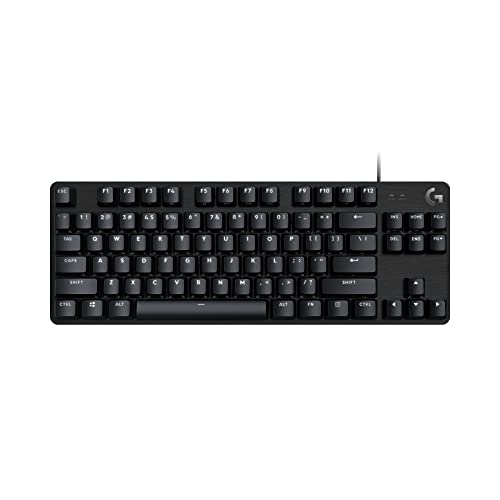
- Space-saving tenkeyless layout
- Tactile switches with six-key rollover
- PBT keycaps and aluminum top case
Best For: Durable wired gaming setups
Best Customizable 75%
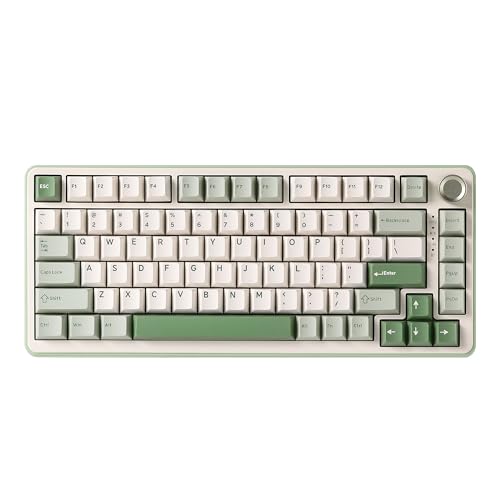
- 82-key 75% layout with control knob
- Tri-mode connectivity and 4000mAh battery
- Gasket mount and hot-swappable switches
Best For: Wireless customization and comfortable everyday typing
Best for Competitive FPS

- 60% layout for maximum desk space
- Hall Effect switches with rapid trigger
- Up to 8000Hz polling and web-based driver
Best For: Windows PC competitive FPS gaming
Wireless Value Pick

- Tri-mode USB-C, Bluetooth, and 2.4GHz connectivity
- Gasket mount with five-layer noise dampening
- Control knob and hot-swappable 3-/5-pin switch support
Best For: Mixed-device users who want wireless flexibility and a cushioned typing feel
Refined Wired Gaming Pick

- Compact 65% layout with 66 keys
- Hot-swappable 3-pin and 5-pin switch support
- Tactile switches, dampening, and per-key Chroma RGB
Best For: PC gamers and enthusiasts seeking a compact, customizable wired board
Competitive Hall Effect Pick

- Hall Effect switches with adjustable 0.02–3.44mm actuation
- 8,000Hz polling rate and stated 0.3ms latency
- 68-key layout retains arrow keys and function access
Best For: Windows-based competitive gamers who want adjustable magnetic switches
Balanced Wireless Pick

- 75% layout saves space while retaining function and arrow keys
- Tri-mode USB-C, 2.4GHz, and Bluetooth connectivity
- Hot-swappable switches with gasket-mounted, cushioned typing feel
Best For: Small desks and multi-device users who want wireless customization
Simple Wired Value

- 68-key layout includes separate arrow keys in a compact footprint
- Smooth linear red switches suit fast, light keystrokes
- Plug-and-play wired compatibility for Windows, Linux, and Mac
Best For: Portable wired gaming and office setups on a simpler budget
Number-Pad Compact Pick

- 96% layout retains the number pad while saving desk space
- Tri-mode connectivity supports up to five devices
- Hot-swappable switches, RGB, PBT keycaps, and 8000mAh battery
Best For: Work and gaming setups that need a numpad in a smaller footprint
Best Overall – AULA F75 Pro
The AULA F75 Pro is a versatile choice among compact mechanical keyboards, combining an 81-key 75% layout with arrow keys, wireless connectivity, hot-swappable switches, and a programmable control knob. Its five-layer filling and gasket-style construction are designed to provide a softer, quieter typing experience for gaming or everyday work.
Best For: Users who want a customizable wireless keyboard with a compact layout and dedicated arrow keys.
Pros:
- Tri-mode Bluetooth 5.0, 2.4GHz, and USB-C connectivity supports up to five devices.
- Hot-swappable sockets accept 3-pin and 5-pin switches without soldering.
- 4000mAh battery, RGB lighting, programmable keys, and a multifunction knob add flexibility.
- Side-printed PBT keycaps and layered internal dampening support durability and a solid feel.
Cons:
- The 75% layout is larger than a 60% keyboard.
- Customization features may require time spent learning the driver and controls.
The F75 Pro is a strong all-around pick for shoppers who want compact dimensions without giving up arrow keys, wireless options, or enthusiast-oriented customization.
Best Wired TKL – Logitech G413 TKL SE
The Logitech G413 TKL SE is a straightforward wired option for shoppers seeking compact mechanical keyboards with a familiar tenkeyless layout. It focuses on tactile switches, durable PBT keycaps, anti-ghosting, and a sturdy brushed aluminum top case rather than wireless or extensive customization.
Best For: Gamers who prefer a durable, no-battery wired keyboard with tactile switches and a compact TKL design.
Pros:
- Tenkeyless form factor saves space while retaining function and arrow keys.
- Tactile mechanical switches provide responsive feedback for gaming and typing.
- Heat- and wear-resistant PBT keycaps support long-term durability.
- Six-key rollover anti-ghosting and FN media controls support gaming use.
Cons:
- Wired connectivity limits placement flexibility.
- Uses single-color white LED lighting rather than RGB.
- It does not offer the hot-swappable or wireless features found on some alternatives.
The G413 TKL SE is a practical choice when reliability and a sturdy build matter more than wireless convenience, RGB effects, or enthusiast-level modification.
Best Customizable 75% – YUNZII B75 PRO
The YUNZII B75 PRO is a compact mechanical keyboard built around an 82-key 75% layout, gasket mounting, and tri-mode connectivity. Its hot-swappable design, five-layer padding, pre-lubricated switches, and programmable RGB make it suited to shoppers who want a ready-to-use keyboard that can still be customized.
Best For: Users who want a wireless 75% keyboard with a creamy typing feel, RGB customization, and switch-swapping support.
Pros:
- 75% layout retains number, function, and arrow keys in a compact footprint.
- Bluetooth, 2.4GHz wireless, and wired Type-C modes provide flexible connectivity.
- Full-key hot-swappable sockets support compatible 3-pin and 5-pin switches.
- Gasket mounting, five-layer padding, pre-lubricated switches, and precision-tuned stabilizers target a smoother sound and feel.
Cons:
- Its plastic enclosure may feel less substantial than an aluminum-bodied keyboard.
- The listed programmable software is for Windows, which may limit customization on macOS.
The B75 PRO stands out for balancing compact productivity-friendly proportions with wireless convenience and enthusiast features, especially for buyers who value typing feel and personalization.
Best for Competitive FPS – AULA WIN60 HE
The AULA WIN60 HE targets competitive gaming with a 60% layout, Hall Effect magnetic switches, adjustable actuation, rapid trigger mode, and up to an 8000Hz polling rate. Among compact mechanical keyboards, it is the specialized choice for Windows PC players who prioritize fast response and precise input over wireless connectivity or a larger layout.
Best For: Competitive FPS players using a Windows PC who want rapid-trigger performance and extensive software customization.
Pros:
- Hall Effect magnetic switches support adjustable actuation and contactless operation.
- Rapid trigger step distance is specified at 0.02mm for fast input response.
- Up to 8000Hz polling and a lightweight web-based driver support competitive customization.
- Compact 61-key design saves desk space and includes customizable RGB lighting.
Cons:
- Wired USB-C connectivity does not provide wireless flexibility.
- The 60% layout omits dedicated arrow and function-key rows.
- It is not compatible with PlayStation 5, PlayStation 4, or Xbox according to the supplied details.
The WIN60 HE is best viewed as a focused performance keyboard: its magnetic switches and rapid-trigger controls are compelling for competitive PC gaming, while its stripped-down layout may be less convenient for general productivity.
Wireless Value Pick – Redragon K673 PRO
The Redragon K673 PRO is a flexible choice among compact mechanical keyboards, pairing an 81-key layout with wireless convenience and a cushioned gasket-mounted typing feel. Its tri-mode connectivity makes it practical for switching between a PC, laptop, and tablet.
Best For: Users who want a compact wireless keyboard with RGB lighting, a control knob, and switch-swapping flexibility.
Pros:
- Tri-mode connectivity supports USB-C, Bluetooth, and 2.4GHz wireless.
- Gasket mounting and five-layer dampening provide a softer, quieter typing feel.
- Hot-swappable sockets accept many 3-pin and 5-pin switches.
- Control knob handles lighting brightness and media playback.
Cons:
- Its 81-key layout is less compact than a 60% or 65% keyboard.
- Advanced macro and lighting customization requires the software.
The K673 PRO balances portability, connectivity, and customization without giving up dedicated keys. It is a strong fit for mixed-device setups and buyers who value a quieter, cushioned feel.
Refined Wired Gaming Pick – Razer Reclusa X Mini
The Razer Reclusa X Mini is a compact mechanical keyboard for buyers who want a space-saving 65% layout with enthusiast-friendly customization. It combines hot-swappable switch support, tactile switches, dampening materials, and competitive gaming features in a wired design.
Best For: PC gamers and keyboard enthusiasts who prefer tactile feedback, per-key RGB, and a compact 65% form factor.
Pros:
- Hot-swappable PCB works with both 3-pin and 5-pin mechanical switches.
- Razer Orange Tactile Gen-3 switches offer responsive, quieter actuation.
- PPS plate, custom stabilizers, and dual-layer silicone dampening refine acoustics.
- Includes per-key Chroma RGB, 1000Hz polling, N-key rollover, and anti-ghosting.
Cons:
- Wired USB-C connectivity does not provide wireless operation.
- The compact layout has 66 keys, so some dedicated keys are omitted.
This is a polished option for users who prioritize tactile control and a refined sound profile. Its competitive input features add gaming appeal, while the hot-swappable design leaves room for future modifications.
Competitive Hall Effect Pick – AULA WIN68 HE
The AULA WIN68 HE targets competitive players who want compact mechanical keyboards with adjustable magnetic switches and rapid input response. Its 68-key layout retains arrow keys while offering an 8,000Hz polling rate, adjustable actuation, and extensive Windows-based customization.
Best For: Competitive gamers and Windows users who want adjustable Hall Effect switches and fast-trigger controls.
Pros:
- Hall Effect switches provide adjustable actuation from 0.02mm to 3.44mm.
- 8,000Hz polling and stated 0.3ms latency target highly responsive input.
- Web driver supports RT, SOCD, DKS, MT, TGL, remapping, macros, and RGB settings.
- 68-key compact layout keeps arrow keys and basic function access.
Cons:
- It is wired rather than wireless.
- The customization driver supports Windows but not Mac.
- Its gaming-focused feature set may be more than casual typists need.
The WIN68 HE is the most performance-focused option in this group. Its adjustable actuation and rapid-trigger-oriented controls make it compelling for competitive gaming, provided you use Windows and are comfortable with wired connectivity.
Balanced Wireless Pick – Kisnt KN85
The Kisnt KN85 is a strong option for shoppers comparing compact mechanical keyboards for a small desk, laptop setup, or multi-device workspace. Its 75% layout keeps function keys and arrows while leaving out the number pad, and tri-mode connectivity supports wired, 2.4GHz, and Bluetooth use.
Best For: Users who want a space-saving keyboard with wireless flexibility, hot-swap support, and a softer typing sound.
Pros:
- 75% layout preserves F1–F12 keys, arrows, and shortcuts while saving desk space.
- Supports USB-C, 2.4GHz wireless, and Bluetooth 5.0 across multiple devices.
- Hot-swappable PCB accepts 3-pin and 5-pin switches without soldering.
- Gasket mount, pre-lubed linear switches, PBT keycaps, and RGB lighting add customization.
Cons:
- No dedicated number pad, so it is less suitable for frequent number entry.
- Companion driver software is limited to Windows and wired/2.4GHz modes.
- Animated RGB effects can reduce battery life, and the keyboard requires careful charging guidance.
The KN85 offers a well-rounded combination of compact sizing, customization, and connectivity. It is especially appealing if you want a quieter, cushioned typing character without giving up wireless options.
Simple Wired Value – MageGee MK-Box
The MageGee MK-Box is a straightforward choice among compact mechanical keyboards for gaming or office use. Its 68-key layout keeps separate arrow keys and function-key access through Fn controls, while the wired USB connection keeps setup simple.
Best For: Budget-conscious users who want a portable wired keyboard with linear red switches and single-color backlighting.
Pros:
- Compact 68-key design saves space while retaining separate arrow keys.
- Linear red switches provide a smooth, low-resistance feel without a tactile bump.
- Offers multiple blue LED lighting effects with adjustable brightness and speed.
- Plug-and-play compatibility covers Windows, Linux, and Mac systems.
Cons:
- Wired-only connectivity does not support Bluetooth or 2.4GHz wireless use.
- Backlighting is single-color rather than full RGB.
- It does not offer hot-swappable switches or software-based customization in the supplied features.
The MK-Box prioritizes portability and uncomplicated operation over advanced customization. It makes sense for a secondary keyboard, compact gaming setup, or office workstation where a dependable wired connection is sufficient.
Number-Pad Compact Pick – AULA F99
The AULA F99 is designed for shoppers who want compact mechanical keyboards without giving up a number area. Its 96% 99-key layout retains the numpad and arrow keys while tri-mode connectivity, hot-swappable switches, and a large battery support work, gaming, and study.
Best For: Users who need number-pad access but still want a space-saving layout, wireless operation, and extensive customization.
Pros:
- 96% layout keeps the number area and arrow keys while using less desk space than a full-size design.
- Connects through Bluetooth 5.0, 2.4GHz wireless, or USB-C and can pair with up to five devices.
- Hot-swappable PCB supports 3-pin and 5-pin switches without soldering.
- Includes pre-lubed linear switches, RGB lighting, PBT keycaps, and an 8000mAh battery.
Cons:
- Its 99-key footprint is less compact than 60% or 75% alternatives.
- Supplied details list Windows support for the operating system family.
- Its extensive lighting and programmable features may be more than needed for basic typing.
The F99 is a practical middle ground: it saves space compared with a full-size keyboard while preserving dedicated number entry. Choose it over smaller layouts when spreadsheets, finance, or frequent numeric input matter.
How We Picked These Compact Mechanical Keyboards
We compared the selected keyboards by layout, connectivity, switch design, customization, gaming features, and everyday usability. The lineup includes compact boards for competitive gaming, office work, travel, and enthusiast-focused upgrades. We also considered practical details such as hot-swappable switch support, RGB lighting, key count, included connection modes, knobs, polling rates, and adjustable actuation where listed.
Because compact layouts remove or combine keys, we emphasized whether each format offers a useful balance between desk space and access to navigation, function, and number-pad commands.
Quick Comparison
| Layout | Best For | Typical Advantage |
|---|---|---|
| 60% | Minimalist gaming and travel | Smallest footprint |
| 65% | Gaming with dedicated arrows | Compact size with better navigation |
| 75% | General-purpose use | Function row and arrow keys in a compact frame |
| TKL | Traditional desktop gaming | Dedicated navigation and function keys |
| 96% or compact full-size | Productivity and number entry | Near-full functionality with less wasted space |
Key Buying Factors for Compact Mechanical Keyboards
Choose the Right Layout
A 60% board is ideal when every inch matters, but it relies heavily on function-layer shortcuts. A 65% layout adds arrow keys, while 75% boards usually retain a function row and are easier for mixed work and gaming. TKL models keep a familiar layout without the number pad.
Check Switches and Customization
Hot-swappable sockets let you change compatible switches without soldering. Linear switches are generally smooth and favored for gaming, while tactile switches provide a noticeable bump for typing. Hall effect magnetic switches can add adjustable actuation and rapid-trigger behavior, but they are more specialized and may require software configuration.
Compare Connection and Gaming Features
Wireless models are convenient for flexible desk setups; tri-mode keyboards typically offer Bluetooth, 2.4GHz wireless, and USB-C. For competitive gaming, prioritize reliable wired or 2.4GHz performance, low latency, high polling rates, and adjustable actuation. RGB, knobs, and software support are useful extras, but they should not outweigh build quality or compatibility.
Who Should Buy Which Compact Mechanical Keyboards?
For the smallest setup: Choose a 60% model such as the MageGee MK-Box or a performance-focused AULA WIN series board. These suit minimalist desks and players comfortable with layered commands.
For balanced everyday use: A 65% or 75% keyboard is the safest choice. These layouts preserve essential navigation keys while remaining compact, making options such as the AULA F75 Pro, YUNZII B75 Pro, or Kisnt KN85 suitable for work and gaming.
For traditional gaming: A TKL board such as the Logitech G413 TKL SE provides familiar access to function and navigation keys while leaving more mouse room than a full-size keyboard.
For wireless flexibility: Look for tri-mode connectivity and a rechargeable battery, as found on several AULA, Redragon, YUNZII, and Kisnt options. For maximum productivity, consider a compact full-size layout such as the AULA F99 if you regularly use a number pad.