Finding the right civil engineering kits for students can make abstract concepts feel concrete, visual, and much easier to understand. The best options combine drafting tools, structure-building practice, and clear educational value.
Below, we focus on kits that help students build core skills in measurement, design, and basic structural behavior without adding unnecessary clutter or gimmicks.
Best 10 Civil Engineering Kits for Students Picks for 2026
Precision Drafting Kit

- Two compasses with adjustable radius control
- Metal ruler, protractor, and triangles included
- Portable box keeps 20 drafting tools organized
Best For: Students who need a compact drafting kit for engineering and architecture work
Structural Model Lab
Thames & Kosmos Bridges & Skyscrapers

- Builds 20 models to study structural engineering
- Covers force, load, compression, and tension
- Includes 285+ pieces plus a 36-page manual
Best For: Students who want hands-on lessons in structural engineering concepts
Technical Drawing Board

- A3 board with long rails and support legs
- Built-in ruler and parallel motion for precision
- Includes angle tools and a magnetic clip
Best For: University students needing a portable technical drawing board
Architecture Model Kit
Thames & Kosmos Structural Elements

- Builds 20+ models of structures and buildings
- Teaches trusses, arches, domes, and steel-frame ideas
- Includes a 44-page full-color manual
Best For: Kids and students starting with architecture and structural design
Pocket Engineering Reference

- Ruler, protractor, and compass in one pocket tool
- Laser-etched reference info for quick conversions
- Stainless-steel build for durable everyday carry
Best For: Students and engineers who want a compact drafting and reference tool
Hands-On Structural Modeling
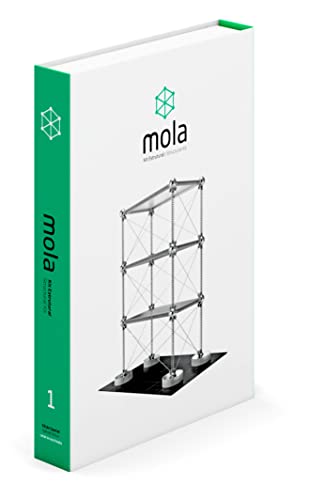
- 122-piece magnetic modular structural kit
- Supports testing beams, columns, frames, and trusses
- Includes a 38-page guided workbook
Best For: Older students learning structural engineering concepts
Imperial Drafting Scale

- 12-inch triangular ruler with imperial scales
- Laser-etched markings for long-lasting readability
- Aluminum alloy body for durable drafting use
Best For: Students needing an imperial scale ruler for blueprints and floor plans
Classroom Engineering Lab

- 25 project ideas for hands-on builds
- 400+ components included and ready to use
- Good for classrooms and small groups
Best For: General STEM engineering practice and collaborative student builds
Precision Drafting Set

- 23-piece set for geometry and drafting
- Stainless steel compass with extension beam
- Good for civil and architectural drawing tasks
Best For: Students who need portable tools for drafting, geometry, and measuring
Working Engine Model
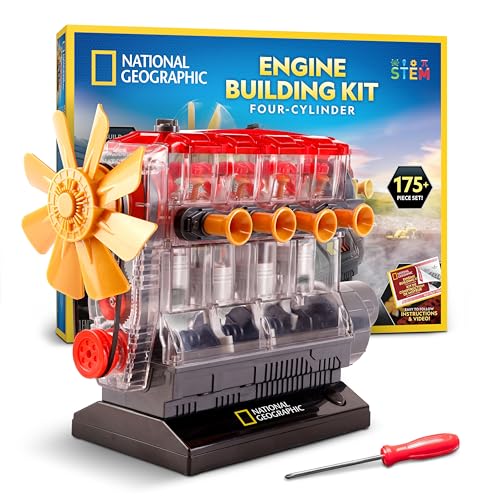
- 175+ piece engine model with moving parts
- Includes tools, instructions, and learning guide
- Best for mechanical engineering curiosity
Best For: Hands-on mechanical engineering and visible STEM assembly
Precision Drafting Kit – Nicpro 20-Piece Geometry Set
If you’re comparing civil engineering kits for students, this Nicpro geometry set is a practical pick for drafting, measuring, and classroom drawing work. It combines core layout tools in one portable box, so students can keep rulers, triangles, compasses, and writing tools together for technical assignments and sketching.
Best For: Students who need a compact, all-in-one drafting kit for geometry, architecture, and engineering coursework.
Pros:
- Includes two stainless-steel compasses with adjustable radius control
- Covers common drafting needs with a metal ruler, protractor, and triangles
- Comes with mechanical pencils, fineliner pens, refills, erasers, and sharpener
- Plastic storage box helps keep the 20 pieces organized and portable
Cons:
- Focused on hand drafting tools rather than structural modeling
- Plastic storage box is simple rather than heavy-duty
- Best suited to measurement and drawing tasks, not load-testing projects
Overall, this is a straightforward drafting set for students who want the essentials in one kit. It is especially useful when the goal is precise technical drawing rather than hands-on construction experiments.
Structural Model Lab – Thames & Kosmos Bridges & Skyscrapers
For civil engineering kits for students that focus on how structures work, this Thames & Kosmos set is a strong educational option. It lets learners build models that demonstrate force, load, compression, and tension, making it useful for exploring the fundamentals behind bridges and tall buildings.
Best For: Students who learn best through hands-on structural experiments and model building.
Pros:
- Builds 20 different models tied to structural engineering concepts
- Teaches force, load, compression, tension, and related ideas
- Includes over 285 interchangeable building pieces
- Comes with a 36-page illustrated experiment manual
Cons:
- Intermediate skill level may be more than beginners need
- Requires active building rather than simple reference use
- Less focused on drafting tools and more on model-based learning
This kit stands out when the goal is to understand engineering principles through experiments instead of static study. It offers a solid mix of variety and instruction for students ready to build and test structural ideas.
Technical Drawing Board – A3 Drafting Set for Students
This drafting set is aimed at students who need a larger technical drawing surface for architecture and civil engineering work. The A3 drawing board, built-in ruler, and included angle-marking features make it a practical choice for precise layout tasks, especially when portability still matters.
Best For: University students who need a portable A3 drafting board with precision layout features.
Pros:
- A3 board includes long rails, quick-release paper handles, and support legs
- Built-in ruler plus parallel motion supports more precise drawing
- Clear ruler, 45-degree ruler, protractor, and circular scale help with angle work
- Detachable parts and magnetic clip add convenience for transport and use
Cons:
- More specialized for board drafting than general classroom use
- Not a model-building kit for structural testing
- Details suggest an engineering focus, but it is still centered on manual drawing tools
For students who spend time on technical drawings, this kit offers a useful workspace in one portable package. It is best viewed as a drafting aid rather than a full engineering experiment set.
Architecture Model Kit – Thames & Kosmos Structural Elements
If you want civil engineering kits for students that blend architecture and structural thinking, this Thames & Kosmos set is a useful choice. It guides learners through trusses, arches, domes, and scaled building models, making it a hands-on way to explore how structures are designed.
Best For: Kids and students who want an introduction to architectural design and structural elements through model building.
Pros:
- Lets users build over 20 models of structural elements and buildings
- Covers trusses, arches, domes, and real-world building concepts
- Flexible building pieces mimic steel frames
- Includes a 44-page full-color manual for guided exercises
Cons:
- Designed as a model kit, not a drafting tool set
- Best for ages 8+ and may be too basic for advanced learners
- Focuses on architecture concepts more than civil calculations
This kit is a good entry point for students who want to see structural ideas in action. It works well as a guided learning tool for early exploration of architecture and engineering concepts.
Pocket Engineering Reference – The Authentic Pocket Engineer
For civil engineering kits for students who need a compact, always-handy drafting aid, this pocket metal tool keeps basic measuring and conversion references close at hand. It combines a straight-edge ruler, protractor, and compass in a stainless-steel body, making it useful for quick sketches, angle checks, and field-friendly reference work.
Best For: Students, professors, and engineers who want a pocket-sized measuring and reference tool for drafting and everyday technical use.
Pros:
- Includes a ruler, protractor, and compass in one compact stainless-steel tool.
- Laser-engraved reference info helps with basic equations, constants, and unit conversions.
- Useful for metric and imperial measuring, sketching, and angle work.
- Small enough for pocket carry and everyday use in the lab or field.
Cons:
- It is a reference tool, not a full drafting kit or drawing set.
- Best suited for quick measurements and basic technical tasks rather than large-format drafting.
This is a practical add-on for students who want a durable, compact tool they can carry anywhere. It is especially appealing if you value speed, portability, and built-in reference information over a larger classroom set.
Hands-On Structural Modeling – Mola Structural Kit 1
Among civil engineering kits for students, this magnetic structural model stands out for hands-on learning about how buildings and frames behave. The 122-piece kit lets learners build and test foundations, beams, columns, bracing, and more while exploring tension, connections, and load response through trial and error.
Best For: Older students and engineering learners who want to visualize and test structural behavior with a hands-on modular model.
Pros:
- 122 modular pieces support a wide range of structural configurations.
- Magnetic connections make the kit compact, versatile, and easy to assemble.
- Designed to help users explore real structural behavior through building and testing.
- Includes a 38-page workbook for guided learning from core concepts to a three-story building.
Cons:
- Recommended for age 14 and up, so it is not an entry-level toy for younger children.
- The kit is focused on structural concepts rather than general engineering topics.
This is a strong educational choice if the goal is to understand how structures work in a tactile, visual way. The included workbook and modular parts make it useful for experimentation, classroom discussion, and introductory structural design practice.
Imperial Drafting Scale – 12" Engineer Scale Ruler
If you are comparing civil engineering kits for students, a reliable scale ruler is one of the most practical drafting tools to have on hand. This 12-inch aluminum triangular ruler is built for imperial architectural scaling, with laser-etched markings that support accurate work on floor plans, blueprints, and orthographic drawings.
Best For: Students and beginner drafters who need a durable imperial scale ruler for architectural and civil drawing work.
Pros:
- Three-sided imperial scales include 1:10, 1:20, 1:30, 1:40, 1:50, and 1:60.
- Laser-etched markings are designed for readability and long-lasting accuracy.
- Aluminum alloy construction adds durability and a solid feel.
- Well suited to drafting floor plans, blueprints, and orthographic drawings.
Cons:
- Imperial-only scale options may not suit users who prefer metric tools.
- It is a single drafting ruler, not a full student engineering kit.
This ruler is a focused, no-frills drafting tool for students who need precise scaling rather than a broad classroom set. It is a sensible pick if you want something durable, easy to read, and tailored to architectural and civil drafting tasks.
Classroom Engineering Lab – Open-Ended Build Kit
If you want civil engineering kits for students that support flexible hands-on building, this STEM Craft Kit is a broad classroom option. With 25 project ideas and 400+ components, it works well for open-ended engineering challenges where students test, adjust, and improve their designs.
Best For: Classrooms, after-school programs, summer camps, and at-home enrichment with individual or small-group builds.
Pros:
- Includes 25 engineering project ideas for varied builds
- Over 400 pre-packaged components, so no extra supplies are needed
- Designed for open-ended problem-solving and independent work
- Suitable for individual, small group, or class-wide use
Cons:
- Not a dedicated civil-drafting or surveying tool kit
- Projects are broad STEM builds rather than civil-specific models
- Best suited to general engineering exploration, not specialized technical drawing
Overall, this is a strong pick when you need a reusable classroom kit that encourages experimentation and creative engineering thinking. It’s more general than a civil-focused set, but its flexibility makes it useful for student build challenges.
Precision Drafting Set – Civil Geometry Kit
For students who need civil engineering kits for students focused on drafting and measurement, this 23-piece geometry set is the most targeted option here. The stainless steel compass with a large extension beam is built for stable circular drawing, and the kit covers many common classroom and engineering drawing needs.
Best For: Geometry classes, architectural drafting, and civil engineering students who need portable drawing tools.
Pros:
- Includes a complete all-in-one geometry and drafting tool collection
- Stainless steel compass with large extension beam supports precise circular drawing
- Useful for geometry classes, architectural drafting, and civil engineering projects
- Compact enough to pack in a backpack or tool bag
Cons:
- Focused on drafting and measuring rather than physical construction builds
- Best for drawing tasks, not hands-on model-making
- New users may still need time to learn the tools effectively
This set stands out if your student needs practical drafting gear for class or project work. It’s the most directly aligned with civil engineering-style drawing tasks, especially where accuracy and portability matter.
Working Engine Model – Mechanics Build Kit
If you’re comparing civil engineering kits for students, this working engine model is better for mechanics and systems learning than for civil drafting or construction. The 175+ piece kit lets kids assemble a visible 4-cylinder engine with moving pistons, valves, and gears, making it a strong hands-on engineering demonstration.
Best For: Students who enjoy mechanical engineering projects, visible working models, and guided STEM assembly.
Pros:
- Builds a clear 4-cylinder engine with moving parts
- Includes 175+ pieces, tools, and illustrated instructions
- Working model helps students see pistons, valves, and gears in action
- Supports problem-solving and curiosity through hands-on assembly
Cons:
- Not designed for civil engineering drafting or structural concepts
- Requires 3 AA batteries, which are not included
- More mechanics-focused than general construction-oriented
This is a good educational kit, but it serves a different engineering niche than civil-focused tools. Choose it if the goal is to explore how engines work and to give students a tangible mechanical build experience.
How We Picked These Civil Engineering Kits for Students
We prioritized kits that support real learning outcomes: drafting accuracy, hands-on structure building, durable components, and age-appropriate challenge. We also looked for a good balance between classroom usefulness and at-home practice, since many Civil Engineering Kits for Students serve both purposes.
Preference went to products that teach foundational ideas such as load, force, scale, geometry, and spatial reasoning. Utility mattered too, so we favored kits that include reusable parts, clear instructions, or tools students can keep using beyond a single project.
Quick Comparison
Think of the options in three broad groups. First are drafting and measuring sets, which are best for students building technical drawing skills. Second are structural model kits, which help explain trusses, bridges, beams, and stability. Third are hybrid STEM kits, which are better for broad hands-on experimentation but may be less focused on civil engineering specifically.
Key Buying Factors for Civil Engineering Kits for Students
Skill Level and Age Range
Choose a kit that matches the student’s current level. Beginners benefit from straightforward tools and model systems, while advanced students may want more precise drafting equipment or more complex structural assemblies.
Focus Area
Some kits emphasize technical drawing, some emphasize structures, and others lean toward general STEM building. If the goal is civil engineering, prioritize kits that reinforce measurement, planning, and load-bearing concepts over purely decorative builds.
Component Quality
For drafting sets, look for metal rulers, sturdy compasses, and clear scale markings. For model kits, durable connectors and repeatable parts matter more than flashy extras.
Learning Support
Instruction quality can make a major difference. The best Civil Engineering Kits for Students include guides, example builds, or project prompts that help connect the activity to real engineering principles.
Use Case
Buy for classroom use, exam prep, enrichment, or project-based learning. A student who needs technical drawing practice will want different tools than one exploring bridge design or structural mechanics.
Who Should Buy Which Civil Engineering Kits for Students?
If the student needs drafting and measurement practice, choose a geometry or engineering drawing set. If the goal is understanding bridges, skyscrapers, or structural behavior, a model-building engineering kit is the better fit. If you want a broader hands-on introduction with lots of parts and project variety, a general STEM engineering kit can work well.
For the most practical results, match the kit to the student’s coursework and current level of confidence. That way, the kit stays challenging enough to teach something new without becoming frustrating or unused.