Human anatomy models can make biology lessons clearer, more interactive, and easier to remember. The right model helps students see structure, identify organs, and connect labels to real-world form.
Below, we’ve rounded up classroom-friendly options chosen for visibility, durability, and teaching value across different grade levels and learning goals.
Best 10 Human Anatomy Models for Classroom Picks for 2026
Classroom-Ready 4-Pack
Learning Resources Anatomy Models Bundle Set
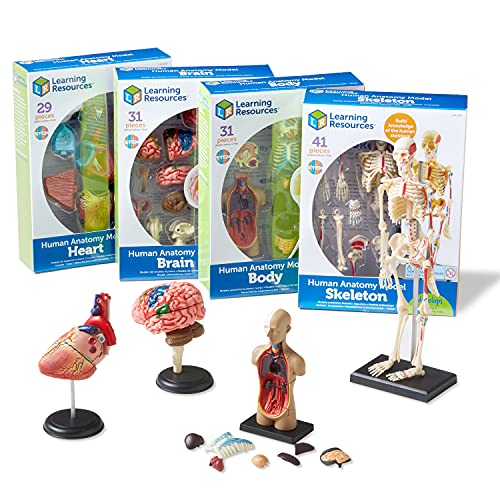
- Four models cover heart, brain, body, and skeleton
- Built for hands-on assembly and disassembly
- Durable plastic with display stands
Best For: Teachers and homeschool science lessons needing a multi-model anatomy set
Hands-On Torso Study
breesky 10.5 Inch Medical Torso

- 15 removable organs cover key body systems
- Compact and portable for classroom use
- Stable base keeps the torso upright
Best For: Classrooms and learners focused on organ placement and body systems
Mini Human Body Demo
Learning Resources Human Anatomy Model Body
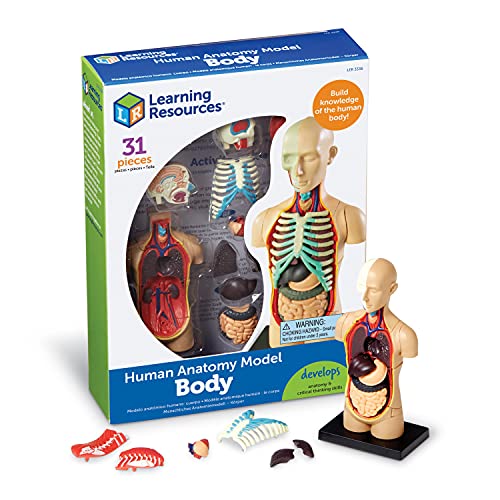
- 31-piece torso includes major organs and spine
- Comes with fact guide and illustrated instructions
- Compact size is ideal for desks and small spaces
Best For: Elementary and homeschool classrooms introducing basic human anatomy
Entry-Level Skeleton Display
breesky 17 Inch Human Skeleton Model

- Movable arms and legs support basic demonstrations
- Compact desktop size fits small spaces
- Removable skull cap adds closer inspection
Best For: Beginners and small classrooms needing a simple skeleton display
Brain Study Pick
31-Piece Human Brain Model for Classroom Learning

- 31-piece brain model with major neuroanatomy structures
- Compact 9-inch size for desks, labs, or study tables
- Hard plastic pieces with stand and assembly guide
Best For: Brain anatomy lessons, exam prep, and homeschool science
All-in-One Torso Choice
11-Inch Human Body Model with 15 Detachable Parts

- 15 detachable parts show major organs and structures
- Lightweight PVC model is easy to clean and assemble
- Hand-painted details help with classroom demonstrations
Best For: Compact torso lessons, student study, and healthcare training
Portable Display Pick
15-Piece Human Torso Model with Wooden Base

- 15 detachable parts cover key body organs and structures
- Non-toxic PVC with hand-painted detail and brochure
- Oak-wood base adds a more polished display look
Best For: Portable anatomy teaching and shelf display
Large Magnetic Build-Up Model

- Large magnetic skeleton base with layered assembly
- 7 anatomy layers plus 4 interchangeable top options
- Includes info sheets, labels, and QR code facts
Best For: Kids, teens, homeschool, and classroom anatomy lessons
Hands-On Anatomy Bundle

- Includes skeleton, torso, heart, and skull/brain models
- Carrying case and study guides included
- Hand-painted with sturdy display bases
Best For: Medical students, teachers, and older anatomy learners
Deluxe Torso Classroom Model
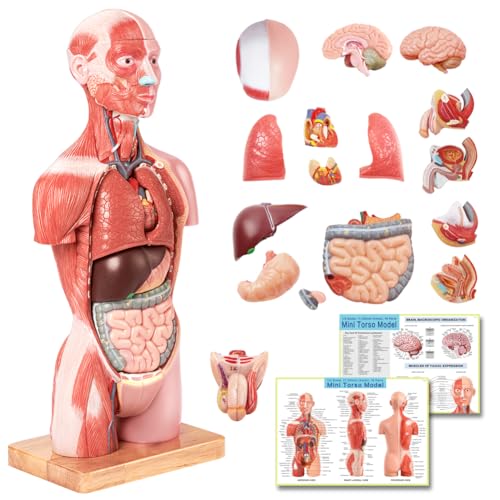
- 16 detachable parts cover major organs and structures
- Non-toxic PVC with easy-clean finish
- Portable size with educational brochure included
Best For: Medical education, nursing, physiology, and classroom demos
Classroom-Ready 4-Pack – Learning Resources Anatomy Models Bundle Set
If you’re comparing human anatomy models for classroom use, this four-pack gives you a compact way to cover multiple body systems in one purchase. It includes a heart, brain, body, and skeleton model, so students can study structure from several angles without switching brands or formats.
Best For: Teachers, homeschoolers, and STEM lessons that need a versatile set of anatomy models for classroom demonstrations and hands-on practice.
Pros:
- Includes four separate models: heart, brain, body, and skeleton.
- Assembles and disassembles for interactive study.
- Durable plastic construction with display stands.
- Skeleton has movable joints and the heart has hinged sections.
Cons:
- Smaller-scale models may not suit students wanting large display pieces.
- Designed for ages 8+, so not ideal for very young children.
This bundle is a practical pick when you want broad anatomy coverage rather than a single detailed torso. It works well as a classroom teaching aid, especially for visual learners who benefit from taking models apart and rebuilding them.
Hands-On Torso Study – breesky 10.5 Inch Medical Torso
For human anatomy models for classroom lessons centered on organs, this torso offers a detailed 15-piece build that shows how parts fit together. The removable organs and fixed placement make it useful for teaching the relative position of major systems in a small, portable format.
Best For: Students, teachers, and medical trainers who want a portable torso model for organ placement, physiology, and classroom demonstrations.
Pros:
- Includes 15 removable parts, including brain, heart, lungs, liver, stomach, and intestines.
- Shows respiratory, digestive, urinary, and nervous systems.
- Stable base helps the model stay upright.
- Portable size is easy to carry to class or display on a shelf.
Cons:
- Small parts may be challenging for very young children.
- Requires placing each organ in its fixed location during assembly.
This model is a strong choice if you want a torso that emphasizes internal organ structure over large-scale realism. It balances detail and portability well, making it easy to use for classroom teaching or patient explanation.
Mini Human Body Demo – Learning Resources Human Anatomy Model Body
If you need human anatomy models for classroom demos in a compact format, this 31-piece torso is built for quick assembly and clear organ identification. The included fact guide and photo instructions make it especially practical for younger students who are learning the basics of body structure.
Best For: Grades 3+ classrooms, homeschool lessons, and small-group instruction that need a simple, easy-to-handle anatomy display.
Pros:
- 31-piece model includes major organs like the brain, heart, lungs, liver, and kidneys.
- Comes with a fact guide and photo-illustrated assembly instructions.
- Easy-to-assemble plastic design is beginner-friendly.
- Compact size works well for desks and small classroom spaces.
Cons:
- Miniature 4.5-inch size may be too small for large-group viewing.
- Plastic construction is simple rather than highly realistic.
This is a straightforward teaching model for introducing organs and their functions without overwhelming students with complexity. It’s a good fit when you want an affordable, classroom-friendly anatomy tool that gets the basics across clearly.
Entry-Level Skeleton Display – breesky 17 Inch Human Skeleton Model
When you want human anatomy models for classroom use that focus on the skeleton, this 17-inch desktop model keeps things simple and portable. It highlights the spine, ribs, and skull, while movable arms and legs make it easy to point out basic structure during study sessions.
Best For: Beginners, small classrooms, and study desks that need a basic skeleton model for demonstration and display.
Pros:
- Movable arms and legs help demonstrate basic motion and structure.
- Small desktop size is easy to place in tight spaces.
- Includes a removable skull cap for closer viewing.
- Simple design is described as entry-level and easy to install.
Cons:
- Only shows basic anatomical detail.
- Jaw moves, but does not remove from the model.
- Not intended for advanced anatomy study.
This model works best as a straightforward visual aid rather than a deep study tool. If your classroom needs a compact skeleton for quick explanation and display, it delivers the essentials without taking up much room.
Brain Study Pick – 31-Piece Human Brain Model for Classroom Learning
If you need human anatomy models for classroom use that make neuroanatomy easier to teach, this 31-piece brain model is a practical choice. The color-coded parts, secure fit, and compact size make it useful for desk-side demos, study sessions, and hands-on review of major brain structures.
Best For: Students ages 8+ who need a portable brain model for classroom lessons, exam prep, or homeschool science.
Pros:
- 31-piece design includes key structures like the ventricles, corpus callosum, and hippocampus.
- Compact 9-inch size fits easily on a desk or display shelf.
- Hard plastic build with interlocking pegs is made for repeated assembly.
- Includes an assembly guide with anatomical definitions and a stand for display.
Cons:
- Focuses only on the brain, so it is not a full-body anatomy model.
- Small parts may be less suitable for very young children.
This is a strong pick if your goal is to teach brain structure with something students can actually handle and rebuild. It is especially useful when visual diagrams are not enough and you want a tactile classroom aid.
All-in-One Torso Choice – 11-Inch Human Body Model with 15 Detachable Parts
For human anatomy models for classroom settings that cover more than one organ system, this 11-inch torso model gives students a simple way to study the body’s internal layout. The detachable parts, hand-painted detail, and lightweight PVC build make it suitable for lessons, self-study, and hands-on activities.
Best For: Teachers, students, and healthcare learners who want a compact torso model for anatomy study and classroom demonstrations.
Pros:
- 15 detachable parts cover major organs and structures, including lungs, heart, liver, and intestines.
- Easy-to-assemble design supports hands-on observation and learning.
- Eco-friendly PVC material is lightweight and easy to clean.
- Hand-painted detailing adds clarity during lessons and training sessions.
Cons:
- At 11 inches, it is compact rather than large-scale for whole-class visibility.
- Some smaller parts may be better suited to supervised use.
This model works well when you want a versatile torso rather than a single-organ teaching tool. It balances portability with enough detail to support classroom anatomy discussions and independent study.
Portable Display Pick – 15-Piece Human Torso Model with Wooden Base
This human torso model is a solid option for human anatomy models for classroom use when you want a portable teaching aid with a polished display look. The 15 detachable pieces, secure-fitting construction, and included brochure make it useful for anatomy lessons, shelf display, and on-the-go teaching.
Best For: Anatomy students and educators who want a portable torso model with a wooden base for teaching or display.
Pros:
- Includes 15 detachable parts covering the torso, brain, heart, lungs, stomach, liver, and more.
- Medical-quality non-toxic PVC is easy to clean and hand-painted for detail.
- Oak-wooden base gives it a more finished display appearance.
- Portable size makes it easy to carry to classes or store on a shelf.
Cons:
- Some organ pieces are small and require careful handling.
- Listed for adult use, so it may not be the best fit for younger students.
If you want a classroom model that can move from lesson table to display cabinet without looking basic, this one stands out. It is especially appealing for instructors who value both portability and presentation.
Large Magnetic Build-Up Model – MyBODY 7-Layer Anatomy Kit
If you’re looking for human anatomy models for classroom use that are easy to understand and hands-on, this large magnetic kit gives students a clear build-from-the-base learning path. The layered design helps kids see how the skeleton, muscles, organs, and systems fit together, and the included info sheets and QR codes add extra teaching support.
Best For: Younger learners through teens, homeschool lessons, classroom demonstrations, and independent anatomy exploration.
Pros:
- Large magnetic skeleton base with a bottom-to-top assembly approach
- Includes 7 anatomy layers plus 4 interchangeable top body options
- Comes with 7 info sheets, reusable sticky labels, and QR code facts
- Color-coded, easy-to-handle pieces can also be displayed individually
Cons:
- Designed for kids 5+, so it is not a medical-grade teaching model
- Best suited to guided learning rather than advanced anatomy study
This is a strong choice if you want a classroom-friendly model that turns anatomy into a structured, visual activity. Its size, magnetic build, and layered format make it especially useful for hands-on instruction.
Hands-On Anatomy Bundle – EVOTECH 4-Model Study Set
This anatomy bundle is a practical option if you want human anatomy models for classroom discussion and hands-on study. It combines a skeleton, torso, heart, and half-size skull with brain, giving learners several reference points for bones, organs, and body systems in one portable set.
Best For: Medical students, teachers, and older learners who want a compact multi-model anatomy set.
Pros:
- Includes four separate models: body, skeleton, heart, and skull with brain
- Comes with a carrying case for storage and portability
- Detailed guides and brochures are included for study support
- Hand-painted models with sturdy bases for display after use
Cons:
- Age range is listed for adults, not younger classroom students
- More compact models may be less ideal for large-group visibility
For learners who need a set that covers multiple anatomy topics without taking up much space, this bundle is a strong fit. It works well as a teaching aid, desk reference, or portable study kit.
Deluxe Torso Classroom Model – EVOTECH 16-Part Human Body
For classrooms that need a detailed torso model, this 16-part anatomy piece offers a practical way to study organs and body structure. It includes removable parts for the brain, heart, lungs, stomach, liver, intestines, and male/female parts, making it useful for demonstrating internal relationships in a hands-on format.
Best For: Medical education, nursing and physiology study, and classroom torso demonstrations.
Pros:
- 16 detachable parts provide broad coverage of major organs and structures
- Non-toxic PVC construction is easy to clean
- Includes a colorful educational brochure for teaching support
- Portable size makes it easy to carry to classes
Cons:
- Some organ pieces are small and require careful handling
- Best suited to older students rather than young children
This torso model is a solid pick if you want a more detailed teaching aid for anatomy or health-science classes. Its removable parts and included brochure make it especially useful for explaining organ placement and function.
How We Picked These Human Anatomy Models for Classroom Use
We focused on models that support real teaching needs: clear anatomical detail, sturdy construction, easy part removal, and sizes that work on desks, demo tables, or small lab spaces. We also considered whether each model is useful for individual study, group instruction, or front-of-class demonstration.
Quick Comparison: What Matters Most
Some Human Anatomy Models for Classroom use are best for broad overview lessons, while others are better for focused study of specific systems like the skeleton, brain, or torso organs. Larger models improve visibility for group instruction, but smaller models may be easier for hands-on student work. Magnetic or removable-part designs can speed up labeling activities and make cleanup simpler.
Key Buying Factors for Human Anatomy Models for Classroom
Age and Grade Level
Choose simpler, more durable models for younger students and more detailed, system-specific models for middle school, high school, or advanced STEM classes. If the model will be handled often, prioritize sturdiness over ultra-fine detail.
Level of Anatomical Detail
Look for models that match your lesson plan. A torso model is ideal for basic organ study, while skeleton, brain, or musculature models are better for deeper anatomy instruction. For classroom versatility, a bundle can cover more than one topic.
Size and Visibility
For teacher-led demonstrations, larger models are usually easier for students to see from a distance. For desks, stations, or take-home practice, compact models are often more practical.
Removable Parts and Assembly
Removable components help students learn structure and spatial relationships. Assembly-based models can also reinforce active learning, but they should be simple enough to use within class time.
Who Should Buy Which Human Anatomy Models for Classroom?
Elementary and early middle school teachers should look for approachable, easy-to-handle models with clear labeling and fewer fragile parts. Middle and high school science teachers may prefer more detailed anatomical sets that support lab work, test prep, and independent study. If you need one purchase to cover multiple lessons, a bundle or multi-model set is often the most flexible choice.
For classroom environments, the best model is the one that fits your teaching style, student age, and lesson depth without sacrificing durability or clarity.