Hands-on models can make anatomy far easier to understand than diagrams alone. For nursing students, the right model helps connect structure, function, and clinical terminology.
Below, we focus on the best options for studying major organs, skeletal landmarks, and layered body systems with a practical buying guide to help you choose confidently.
Best 10 Anatomy Models for Nursing Students Picks for 2026
Compact Teaching Torso
11-Inch 15-Piece Human Body Model

- 15 detachable pieces for basic anatomy study
- Portable size for classes or shelf display
- Non-toxic PVC with hand-painted details
Best For: portable intro anatomy review
Hands-On Anatomy Set
4-Pack Skeleton, Heart, Brain, and Body
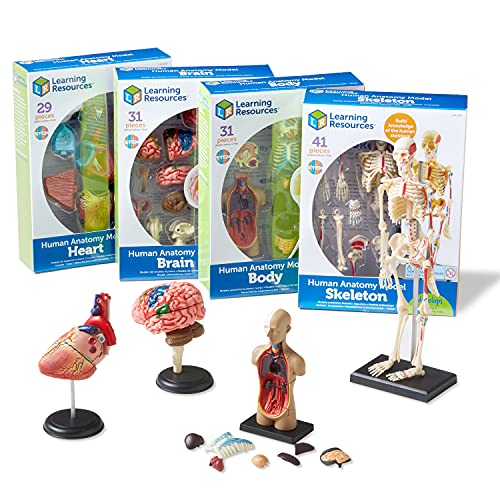
- Four separate models for broader anatomy study
- Assembly and disassembly support active learning
- Durable plastic with display stands
Best For: multi-model foundational anatomy practice
Life-Size Study Torso
33.4-Inch 19-Part Anatomy Model

- Life-size torso with 19 removable parts
- 200+ numerical markers for detailed identification
- PVC build with sturdy base and brochure
Best For: detailed anatomy teaching and study
Portable Student Torso
11-Inch 15-Part Anatomy Study Model

- 15 detachable parts for basic organ study
- Lightweight, easy-to-clean PVC construction
- Useful for classrooms, clinics, and self-study
Best For: lightweight everyday anatomy practice
Life-Size Study Pick

- 70.8-inch skeleton with 206 articulated bones
- Includes 3 anatomy posters for extra reference
- Rolling stand makes it easier to move and display
Best For: Nursing students who need a full-size skeleton for detailed study
Compact Organ Study Pick

- 11-inch torso with 15 removable parts
- Portable and lightweight for class or shelf use
- Includes major organs for hands-on anatomy study
Best For: Nursing students who need a compact organ model for portable learning
Multi-Model Teaching Pick

- Bundle includes skeleton, torso, heart, and skull models
- Comes with charts, manuals, and a carrying case
- Good for studying multiple body systems together
Best For: Nursing students who want one set for broad anatomy review
Compact Anatomy Lab Starter

- 15 detachable pieces for hands-on study
- 11-inch size works well on desks or in small spaces
- Includes a colorful manual and stable base
Best For: nursing students needing a compact introductory torso model
Detailed Musculature Display

- Larger 17-inch model with removable parts
- Non-toxic PVC and hand-painted finish
- Oak-wooden base gives it a polished display look
Best For: nursing students wanting a larger, presentation-ready anatomy model
Portable Teaching Torso
16-Piece Portable Anatomy Model
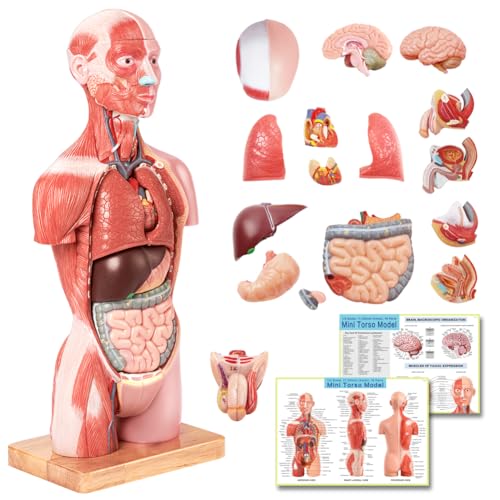
- 16 detachable parts cover many major organs
- Portable size is easy to bring to class
- Includes a colorful brochure for study support
Best For: nursing students needing broader organ coverage in a portable model
Compact Teaching Torso – 11-Inch 15-Piece Human Body Model
If you’re comparing anatomy models for nursing students, this compact 11-inch torso is a practical study aid for learning organ placement and basic body systems. It includes 15 detachable pieces and a colorful educational brochure, making it useful for hands-on review in class or at home.
Best For: Students who want a portable intro model for basic anatomy review and classroom carry.
Pros:
- 15 detachable parts cover major organs and structures, including brain, heart, lungs, and intestines.
- Portable small size makes it easy to take to classes or keep on a shelf.
- Made from non-toxic PVC and hand painted for a detailed look.
- Parts are designed to fit securely, which helps with repeated assembly.
Cons:
- Small organ pieces may be easy to misplace.
- Compact size limits how much detail it can show compared with a larger torso.
This is a solid starter option for visual learners who need a simple, easy-to-carry model. It works especially well as a teaching display rather than a highly advanced lab model.
Hands-On Anatomy Set – 4-Pack Skeleton, Heart, Brain, and Body
For anatomy models for nursing students who learn best by handling multiple structures, this 4-pack set offers a broader overview of the human body. The heart, brain, body, and skeleton models can be assembled and disassembled, which makes it useful for interactive study and classroom demonstrations.
Best For: Learners who want a multi-model set for general anatomy and physiology practice.
Pros:
- Includes four separate models: heart, brain, body, and skeleton.
- Assembly and disassembly support hands-on learning and retention.
- Durable plastic construction with sturdy display stands.
- Movable joints and hinged sections add useful study detail.
Cons:
- Smaller classroom models may not provide the depth of a life-size torso.
- Better suited to broad study than detailed clinical anatomy.
This bundle is a strong pick if you want variety in one purchase and need something that supports repeated practice. It is especially handy for foundational science work and visual teaching.
Life-Size Study Torso – 33.4-Inch 19-Part Anatomy Model
If you need anatomy models for nursing students with more visual depth, this life-size torso gives a much fuller view of body systems. Its 19 removable parts, more than 200 numerical markers, and medical-expert-developed design make it a strong choice for detailed study and instruction.
Best For: Learners who want a large, detailed torso for serious anatomy study and demonstrations.
Pros:
- Life-size 33.4-inch format provides a more immersive study experience.
- 19 removable parts reveal major organs, head structures, and more.
- Over 200 numerical markers help identify anatomical details precisely.
- Non-toxic PVC build comes with a sturdy base and educational brochure.
Cons:
- Large size makes it less portable than smaller classroom models.
- Heavier build is better for desks or offices than travel.
This model stands out when detailed visibility matters more than portability. It is a strong fit for nursing study, classroom teaching, or doctor-patient explanation.
Portable Student Torso – 11-Inch 15-Part Anatomy Study Model
For anatomy models for nursing students on a budget or anyone who wants a compact study tool, this 11-inch torso covers the basics with 15 detachable parts. It is designed for easy assembly and practical use in classrooms, clinics, or self-study settings.
Best For: Students, teachers, and healthcare learners who want a lightweight hands-on torso for everyday study.
Pros:
- 15 detachable parts include the torso, brain, heart, lungs, and digestive organs.
- Lightweight PVC plastic is easy to clean and practical for regular use.
- Hand-painted details help make structures easier to distinguish visually.
- Useful for self-study, classroom use, clinics, and DIY learning projects.
Cons:
- Small format may not satisfy users who need advanced anatomical detail.
- Some parts are small, so they require careful handling.
This is a versatile pick for learners who want a straightforward, easy-to-use torso model. It balances portability, hands-on learning, and everyday educational value well.
Life-Size Study Pick – Breesky Human Skeleton Model
If you want anatomy models for nursing students that feel close to a real lab tool, this life-size skeleton gives you a full 206-bone reference with articulated joints and a nervous system layout. The included posters add visual support for faster review, while the rolling stand makes it easier to move between classrooms, study spaces, or demonstration areas.
Best For: Nursing students who want a full-size, movable skeleton for detailed bone and structure study.
Pros:
- Life-size 70.8-inch skeleton with 206 articulated bones.
- Includes 3 reference posters for extra study support.
- Detachable rolling stand helps with mobility and setup.
- Made from washable, odorless PVC material.
Cons:
- Large size takes more floor space than tabletop models.
- More focused on skeletal anatomy than internal organs.
For students who need a full-body visual aid, this model offers strong detail and classroom flexibility. It is especially useful when bone structure, joint movement, and general human anatomy need to be studied together.
Compact Organ Study Pick – 11-Inch Human Torso Model
For anatomy models for nursing students who need something portable and easy to review, this 11-inch torso keeps the focus on major organs and internal structure. With 15 removable parts, it works well for hands-on study, quick classroom demonstrations, or patient-education practice in smaller spaces.
Best For: Nursing students who want a compact torso model for organ identification and portable study.
Pros:
- 15 removable parts cover major organs and body structures.
- Small, lightweight design is easy to carry to class.
- Made from environmentally friendly PVC plastic.
- Easy to clean with a rag and water.
Cons:
- Smaller size means less overall detail than larger models.
- Focused on torso anatomy rather than full-body structure.
This is a practical pick if you want a simple, study-friendly model that fits in a bag or on a shelf. Its removable organs make it useful for repeated hands-on review without taking up much room.
Multi-Model Teaching Pick – Evotech Anatomy Bundle Set
If you are comparing anatomy models for nursing students, this bundle stands out by combining four different study tools in one set. It includes a skeleton, torso, heart, and half-size skull with brain, plus printed guides and a carrying case, so it is better suited to broader anatomy review than a single-model purchase.
Best For: Nursing students who want a bundled set for studying multiple body systems.
Pros:
- Includes four models: skeleton, torso, heart, and skull with brain.
- Comes with a carrying case for storage and portability.
- Includes brochures, charts, and manuals for guided study.
- Hand-painted models with sturdy bases for display.
Cons:
- Smaller individual models than full-size standalone options.
- May be more than needed if you only want one type of anatomy model.
This bundle is a strong choice when you want variety and reference materials in one purchase. It is especially helpful for nursing students who need to study bones, organs, heart anatomy, and the skull together.
Compact Anatomy Lab Starter – 11-Inch 15-Part Torso Model
If you’re comparing anatomy models for nursing students, this 11-inch torso is a practical choice for core study without taking up much space. Its 15 detachable pieces make it easier to identify major structures and review how the brain, heart, lungs, esophagus, aorta, and skull fit together.
Best For: Nursing students who want a compact study model for desk use, classroom review, or home practice.
Pros:
- 15 detachable parts support hands-on organ identification.
- Compact 11-inch size is easy to place on a desk or small lab table.
- Includes a colorful educational manual for guided study.
- Stable base helps keep the assembled model upright for display.
Cons:
- Covers core structures rather than a full-body system map.
- Smaller size may feel limited if you want a larger demonstration model.
Overall, this model is a straightforward pick for learners who need portability and clear basic anatomy coverage. It fits well as a supplemental study aid for nursing coursework and self-review.
Detailed Musculature Display – 17-Inch Deluxe Torso
For anatomy models for nursing students, this 17-inch deluxe torso offers a larger, more detailed study surface with removable parts and hand-painted finish. It includes key structures such as the heart, head, skull, brain, and skeleton elements, making it useful for reviewing body organization in a classroom or lab setting.
Best For: Nursing students who want a larger, display-friendly torso model with detailed craftsmanship.
Pros:
- 17-inch size gives you more visual presence for teaching and study.
- Non-toxic PVC construction is easy to clean.
- Hand-painted detailing and oak-wooden base add a polished look.
- Designed for medical education, anatomy learning, and laboratory study.
Cons:
- Heavier and larger than compact desk-sized models.
- Product information is broad, so exact detachable parts are less clearly organized than some competitors.
This is a strong option if you want a model that feels more substantial for demonstrations or display. It balances educational use with a cleaner presentation that suits classrooms and study rooms.
Portable Teaching Torso – 16-Piece Portable Anatomy Model
This 16-piece torso is a solid fit for anatomy models for nursing students who need a portable model with broader organ coverage. It includes detachable trunk, brain, heart, lungs, stomach, liver, intestines, pancreas, and male/female parts, plus a colorful brochure for guided learning.
Best For: Nursing students who want a portable torso with more organ variety for anatomy and physiology review.
Pros:
- 16 detachable parts provide broad coverage of major organs and body structures.
- Portable size makes it convenient for classes and transport.
- Non-toxic PVC material is easy to clean.
- Includes a colorful educational brochure for added reference.
Cons:
- Some pieces are small, so it’s not ideal around younger children.
- Half-size format may not satisfy buyers looking for a full-size teaching model.
Overall, this model is a versatile study aid for learners who want more anatomical coverage without losing portability. It works well for classroom demonstrations, shelf display, and independent review.
How We Picked These Anatomy Models for Nursing Students
We looked for models that support core nursing study goals: clear labeling, realistic proportions, removable parts, and durable construction for repeated use. We also favored models that help with common coursework topics such as major organs, skeletal anatomy, and body system relationships.
Because students often study in dorms, labs, or shared spaces, portability and easy assembly mattered too. The best Anatomy Models for Nursing Students should be useful for quick review, lab practice, and exam prep without feeling overly fragile or complicated.
Quick Comparison: What Each Model Type Does Best
Torso models are best for learning internal organs and spatial relationships. Skeleton models are stronger choices for bone identification, posture, and landmark study. Bundle sets are useful when you want broader coverage across multiple body systems. Musculature models can be especially helpful if your program emphasizes surface anatomy and movement.
If you need one all-around study aid, a torso model is usually the most versatile starting point. If you already know the basics and want stronger system-specific review, a skeleton or musculature model may be the better fit.
Key Buying Factors for Anatomy Models for Nursing Students
Size and Detail Level
Smaller 11-inch models are easy to store and carry, while larger life-size options usually provide better visibility of parts and relationships. Choose the size that matches your study space and how closely you want to mimic lab anatomy.
Removable Parts and Labeling
Look for detachable organs, skull components, and other parts that encourage active learning. Clear labels or included study guides can improve retention, especially when preparing for quizzes and practical exams.
Accuracy and Build Quality
For nursing students, anatomical accuracy matters more than gimmicks. A model should reflect recognizable structures, fit together securely, and use materials that can handle frequent handling.
Study Focus
Pick the model that matches your coursework. Internal organ toros help with physiology and assessment basics, skeletons support musculoskeletal study, and musculature models are helpful for movement, palpation, and surface anatomy.
Who Should Buy Which Anatomy Models for Nursing Students?
First-year students and anyone building a foundation should start with a torso model or a compact bundle. These options give broad coverage without overwhelming detail.
Students in anatomy-heavy semesters may benefit more from a life-size skeleton or musculature model, especially if their courses focus on bones, landmarks, or muscle relationships. If you want versatility for multiple subjects, choose a bundle that combines several model types. The best choice is the one that matches your current class topics, study habits, and available space.