Choosing the right anatomy model can make nursing school study sessions faster, clearer, and far more hands-on. The best options help you learn organ placement, structural relationships, and basic physiology without relying on diagrams alone.
Below, we focus on the best human body models for nursing school based on size, part count, realism, and ease of use for studying at home or in the lab.
Best 10 Human Body Models for Nursing School Picks for 2026
Compact 15-Piece Torso Model
EVOTECH SCIENTIFIC 11-Inch Anatomy Set

- 15 detachable torso parts
- Non-toxic PVC with wood base
- Portable for class or shelf display
Best For: Nursing students needing a compact torso for basic anatomy review
4-in-1 Study Bundle
Learning Resources Anatomy Models Set
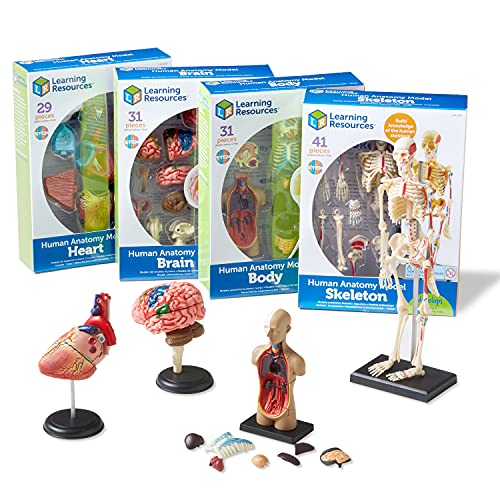
- Four models: heart, brain, body, skeleton
- Assembles and disassembles for study
- Durable plastic with display stands
Best For: Interactive anatomy learning across multiple body systems
Portable 15-Piece Torso Model
NEW HORIZON 10.5-Inch Anatomy Display

- 15 removable organ pieces
- Portable PVC torso with oak base
- Includes detailed installation manual
Best For: Nursing and physiology students needing a compact study torso
Anatomy Revision Cube

- Covers 9 body parts and systems
- Foldable, interactive revision tool
- Compact and lightweight plastic design
Best For: Quick anatomy review when space and portability matter
Compact Detailed Torso
12-Piece Removable Anatomy Torso Model

- 12 removable organs and structures
- Shows brain, neck, and major systems
- PVC build with removable base
Best For: Nursing students who need a portable anatomy study aid
Portable Study Torso
15-Part 11-Inch Human Torso Model

- 15 detachable components for close study
- Compact 11-inch size for desks and shelves
- Includes manual and stable base
Best For: Desk-friendly nursing school anatomy review
Life-Size Teaching Torso
32-Part Life-Size Anatomical Torso Model

- Life-size proportions for classroom teaching
- 32 parts with removable organs and labels
- Durable build for frequent handling
Best For: Instructors and nursing students needing a detailed teaching display
Premium 16-Piece Teaching Torso
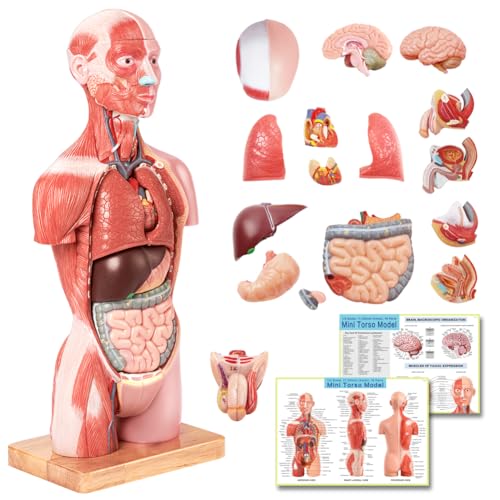
- 16 removable parts for core anatomy review
- Non-toxic PVC with hand-painted detail
- Portable size with oak-wooden base
Best For: Nursing students who want a detailed, portable torso for anatomy study
Compact 15-Part Study Model
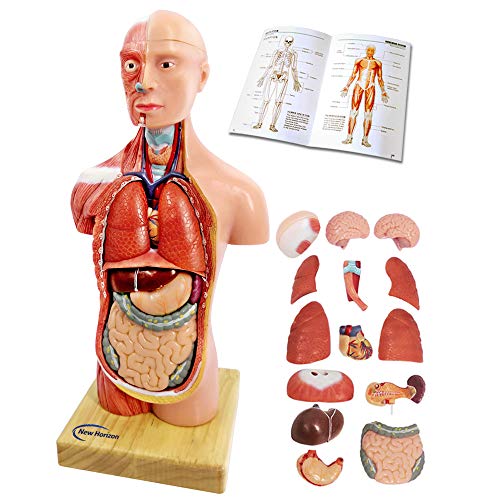
- 15 detachable parts for basic anatomy study
- Includes brain, heart, lungs, and digestive organs
- Compact PVC model with oak base
Best For: Students needing a portable torso for class, study, or demos
Deluxe Classroom Torso

- 16 removable parts for anatomy review
- Non-toxic PVC with hand-painted finish
- Portable free-standing design for indoor use
Best For: Classroom and lab learners who need a portable anatomy display
Compact 15-Piece Torso Model – EVOTECH SCIENTIFIC 11-Inch Anatomy Set
If you’re comparing human body models for nursing school, this 11-inch torso gives you a compact way to study major organs and their relative positions. It includes 15 detachable pieces, a colorful educational brochure, and a portable design that makes it easy to bring to class or keep on a shelf for review.
Best For: Nursing students who want a small, easy-to-carry torso model for basic anatomy study and classroom demos.
Pros:
- 15 removable pieces cover trunk, brain, heart, lungs, stomach, liver, intestines, and more.
- Non-toxic PVC construction with hand-painted detail and an oak-wooden base.
- Portable size fits a bag for classes or study sessions.
- Includes a colorful educational brochure for guided learning.
Cons:
- Small parts may be unsuitable around young children.
- Best suited to foundational anatomy rather than advanced clinical detail.
This is a practical entry-level torso for nursing school study when you want something compact, durable, and straightforward to assemble. It focuses on organ identification and placement rather than highly complex anatomy.
4-in-1 Study Bundle – Learning Resources Anatomy Models Set
This bundle is a strong option for human body models for nursing school if you want multiple anatomy pieces in one set. It includes heart, brain, body, and skeleton models that can be assembled and disassembled, making it useful for hands-on study, classroom demonstrations, and visualizing body systems in 3D.
Best For: Students and instructors who want a multi-model anatomy set for interactive learning and broad system coverage.
Pros:
- Includes four anatomy models: heart, brain, body, and skeleton.
- Designed for assembly and disassembly to support hands-on study.
- Durable plastic construction with sturdy display stands.
- Good for homeschool, classroom use, or medical study aids.
Cons:
- Smaller model size may limit fine anatomical detail.
- Geared more toward general STEM learning than advanced nursing instruction.
If you want variety instead of a single torso, this bundle gives you several focused models for different anatomy topics. It works well for repeated review and simple visual teaching.
Portable 15-Piece Torso Model – NEW HORIZON 10.5-Inch Anatomy Display
For human body models for nursing school, this 10.5-inch torso offers a portable, classroom-friendly way to study organ placement and basic anatomy. It uses 15 removable parts, a detailed installation manual, and a solid oak-wood base, so it is easy to set up for study or display.
Best For: Nursing and physiology students who want a compact torso model with a clear setup guide.
Pros:
- 15 removable organ pieces for a fuller anatomy review.
- Non-toxic PVC with hand-painted detail and a durable oak-wood base.
- Portable size is easy to carry to class or keep on a desk.
- Includes a detailed installation manual for easier assembly.
Cons:
- Compact dimensions may not satisfy users wanting a larger display model.
- Primarily focused on foundational anatomy rather than advanced realism.
This model is a practical middle-ground choice if you want something simple to assemble and easy to move between study locations. It balances portability with enough removable parts to support nursing-school anatomy basics.
Anatomy Revision Cube – Human Anatomy Study Cube
This anatomy revision cube is a different kind of choice among human body models for nursing school because it turns studying into a quick hands-on activity. Each fold reveals different body systems and parts, including the eye, ear, heart, lungs, brain, skin, digestive system, muscles and bones, and circulatory system.
Best For: Nursing students who prefer a small, portable revision tool for quick anatomy review.
Pros:
- Covers 9 body parts and systems in one compact cube.
- Foldable design makes anatomy revision interactive and engaging.
- Very small and lightweight for easy carrying.
- Useful as a study aid or anatomy-themed gift.
Cons:
- Offers less structural depth than a full torso or skeleton model.
- Plastic cube format is better for revision than detailed teaching demonstrations.
This is the most portable option here and works best as a supplementary study aid rather than a primary anatomy model. It’s a good pick when space is limited and you want fast, repeated review of core systems.
Compact Detailed Torso – 12-Piece Removable Anatomy Torso Model
If you need human body models for nursing school that make organ identification easier to study and explain, this 20-inch torso model gives you a compact but detailed overview of core anatomy. It includes 12 removable parts and highlights the brain, neck, and major organ structures in a format that works well for hands-on learning.
Best For: Nursing students who want a detailed tabletop torso for anatomy review, classroom demos, and patient-education practice.
Pros:
- Includes 12 removable organs and structures, including a 2-part heart, 2-part lungs, half brain, liver, stomach, and intestines.
- Shows dissected neck and brain sections to help illustrate muscular, neural, vascular, and glandular structures.
- Made from non-toxic PVC and comes with a removable sturdy base for everyday study use.
- Includes a colorful educational brochure for added anatomy guidance.
Cons:
- Smaller 20-inch size is less suitable if you want a life-size teaching display.
- The notes describe it as a realistic classroom aid, but it is still a compact model rather than a full body figure.
This is a practical pick if you want a portable torso that balances detail, durability, and ease of use. It is especially useful for learners who need a clear, moveable study tool rather than a large display piece.
Portable Study Torso – 15-Part 11-Inch Human Torso Model
For human body models for nursing school, this 11-inch torso model is a solid choice when you want a compact study tool with enough detail to review key structures. The 15-piece detachable design covers the torso, brain, heart, lungs, esophagus, aorta, and skull, making it useful for desk-based learning and quick demonstrations.
Best For: Students who need a small, easy-to-store anatomy model for classroom desks, home study, or light lab use.
Pros:
- 15 detachable pieces support closer study of organs and structures.
- Compact 11-inch size is easy to place on a desk or shelf.
- Includes a colorful manual to help identify parts and understand their functions.
- Sturdy base helps keep the assembled model upright for display.
Cons:
- Its smaller size means it is less detailed at a glance than larger torso models.
- Covers core structures only, so it is not as comprehensive as fuller anatomy sets.
This model makes sense if you value portability and straightforward organ study over size. It is a practical classroom or home option for learners who want a manageable model with clear educational support.
Life-Size Teaching Torso – 32-Part Life-Size Anatomical Torso Model
If you want human body models for nursing school that feel closer to a classroom teaching aid, this life-size torso model offers a larger and more immersive anatomy display. With 32 removable parts, labeled structures, and accurate proportions, it is designed to help instructors and students work through anatomy and physiology in a hands-on way.
Best For: Nursing programs, lab sessions, and instructors who need a life-size torso for detailed teaching and demonstrations.
Pros:
- Life-size scale with accurate proportions supports clearer anatomy instruction.
- 32 parts and removable organs create a more interactive learning experience.
- Labeled structures make it easier to explain and identify anatomy.
- Built from premium materials for durability and repeated handling.
Cons:
- Larger size and 19.8-pound weight make it less portable than smaller models.
- Best suited to teaching and lab use rather than casual carry-around studying.
This is the strongest option here if your priority is a more complete teaching display. It is a good fit for nursing classrooms where size, detail, and hands-on instruction matter more than portability.
Premium 16-Piece Teaching Torso – 17" Deluxe Musculature Model
If you want human body models for nursing school that feel detailed without being overly bulky, this 17-inch torso is a strong study aid. It uses a 16-part removable design to show major organs and structures, making it easier to review anatomy, organ placement, and basic physiology for class or lab work.
Best For: Nursing students, anatomy learners, and classroom demonstrations that need a portable, highly detailed torso model.
Pros:
- 16 removable parts include brain, heart, lungs, stomach, liver, intestines, and male/female parts
- Non-toxic PVC construction is easy to clean and hand painted for detail
- Portable size works well for taking to classes or keeping on a shelf
- Includes a colorful educational brochure and oak-wooden base
Cons:
- Some organ pieces are small, so it is not ideal for young children
- Half-size format may not suit buyers wanting a larger display model
Overall, this model stands out for packing a lot of anatomy into a compact, class-friendly format. For nursing school study sessions, it offers a practical balance of detail, portability, and display-ready build quality.
Compact 15-Part Study Model – 11" Human Torso Anatomy
For shoppers comparing human body models for nursing school, this 11-inch torso is a compact option that focuses on the essentials. It breaks down into 15 detachable parts and includes key structures like the brain, heart, lungs, stomach, liver, pancreas, spleen, and intestines, which makes it useful for hands-on anatomy review.
Best For: Students who want a smaller anatomy model for studying, classroom use, or patient-education demonstrations.
Pros:
- 15-piece detachable design makes anatomy easier to study like a puzzle
- Includes detailed parts such as brain, heart, lungs, diaphragm, and intestines
- Non-toxic PVC and solid oak-wood base add durability and stability
- Portable size fits easily in a bag for class use
Cons:
- Smaller 11-inch size offers less visual presence than larger torso models
- Recommended for ages 18+, so it is not meant for children
This model is a good fit if you need a straightforward, space-saving study aid rather than a large display piece. Its compact build and solid organ coverage make it a practical choice for nursing coursework and quick review.
Deluxe Classroom Torso – 16-Piece Human Body Model
This deluxe torso is another solid pick among human body models for nursing school, especially if you want a classroom-ready display piece. It uses a 16-piece removable design, includes major organs and head/skull/brain details, and is made from non-toxic PVC for easy cleaning after regular use.
Best For: Medical students, nursing students, and labs that need a portable anatomy model for teaching and study.
Pros:
- 16 removable pieces support hands-on anatomy learning
- Non-toxic PVC material is easy to clean
- Hand-painted finish and oak-wooden base add a polished look
- Portable, free-standing design works well for classroom or lab use
Cons:
- Listing details are somewhat inconsistent in the supplied notes
- Best suited for indoor use only
For buyers who want a versatile teaching torso, this model covers the essentials without adding extra complexity. Its portable format and classroom-oriented design make it a practical reference tool for anatomy learning.
How We Picked the Best Human Body Models for Nursing School
We prioritized models that support nursing fundamentals: clear anatomy, removable parts, durable construction, and a size that works for desk study or classroom demonstration. We also considered whether the model is detailed enough for repeated review without becoming too fragile or overly complex for beginners.
Quick Comparison
For faster learning, smaller torso models are usually best for memorizing organs and major structures, while larger or more detailed anatomy models are better for visual learners who want stronger spatial understanding. Bundle sets can be useful when you need both skeletal and torso reference points in one purchase.
Key Buying Factors for Human Body Models for Nursing School
Level of Detail
Look for a model with enough removable parts to show the heart, lungs, brain, stomach, and key torso structures. Too little detail can limit learning; too much can make the model harder to use for quick review.
Size and Visibility
Compact models are easier to store and carry, while larger models are easier to see from across a desk or classroom. If you plan to study anatomy regularly, choose the size that matches your workspace and viewing distance.
Build Quality
Human Body Models for Nursing School should have snug-fitting parts, stable bases, and materials that can handle frequent assembly and disassembly. This matters if you will use the model for lab prep or multiple study sessions each week.
Educational Fit
Match the model to your coursework. Basic torso models are ideal for foundational anatomy, while musculature or life-size models can help if your program emphasizes surface anatomy, clinical identification, or more advanced memorization.
Who Should Buy Which Human Body Models for Nursing School?
Choose a smaller removable torso if you are new to anatomy and want a simple, affordable study aid. Pick a larger or life-size model if you learn best visually or need a clearer reference for classroom use. If you want broader coverage, a bundle set is a smart choice for nursing students who need both skeletal and organ-system context.
For most nursing students, the best option is the one that balances accuracy, clarity, and convenience. A reliable model should make it easier to review anatomy quickly, reinforce terminology, and build confidence before exams and lab sessions.