Choosing the right circuit kit can make homeschool science more hands-on, memorable, and fun. The best sets turn abstract electricity lessons into real experiments kids can build themselves.
Below, we focus on age fit, project variety, ease of setup, and value so you can pick a kit that matches your learner’s level and your teaching goals.
Best 10 Circuit Kits for Homeschool Picks for 2026
Starter Circuit Kit
Snap Circuits Jr. SC-100 Electronics Kit

- Over 100 projects for repeated hands-on learning
- Snap-together parts; no soldering or tools needed
- Color manual and coded pieces help beginners start fast
Best For: Homeschool beginners ages 8+ who want a simple, tool-free circuit intro
Physics Lab Set
EUDAX Electricity and Magnetism Kit
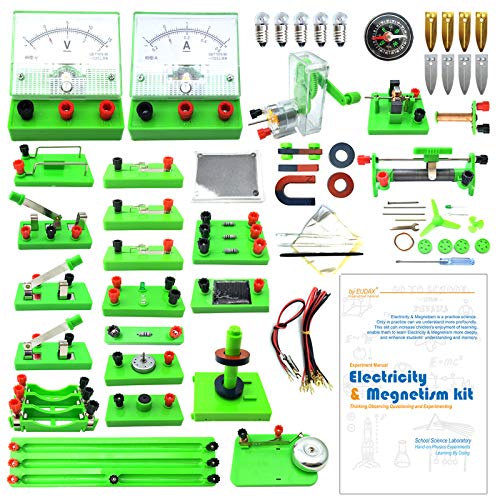
- Combines electricity and magnetism experiments
- Includes color manual and storage bag
- Built for high school-style lab activities
Best For: Grades 9-11 homeschool physics and electricity labs
Advanced Project Kit

- Over 300 projects for extended use
- Snap-together design needs no tools or soldering
- Includes radio, alarm, and doorbell-style builds
Best For: Ages 8+ homeschool learners who need a bigger electronics project set
Basic Circuit Set
EUDAX Electricity Experiment Kit

- Simple intro to series and parallel circuits
- English instructions plus storage box included
- Geared toward grades 7-9 homeschool science
Best For: Middle-school homeschool lessons on basic electricity
Simple Circuit Demo

- Shows open and closed circuits clearly
- Safe to touch and handle
- Includes an activity guide
Best For: Quick homeschool lessons on conductivity and circuits
Project-Rich Circuit Practice
National Geographic 120-Project Kit

- 120+ guided electrical projects
- No tools needed for assembly
- Video and illustrated instructions included
Best For: Structured homeschool STEM lessons with lots of variety
Most Complete Beginner Kit
Electric Circuit Motor Kit for Kids
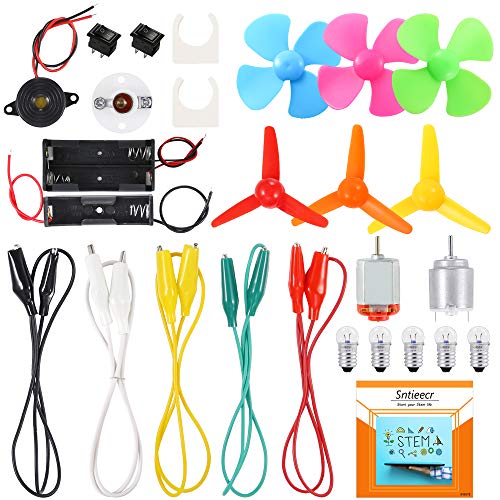
- Includes bulbs, motors, switches, a buzzer, and propellers
- Made for simple STEM experiments and home science learning
- Recommended for ages 8+ with adult supervision
Best For: Homeschool families wanting a hands-on all-in-one starter circuit set
Best Bulk Option
12 Bulk Electric Circuit Kit for Kids

- Twelve separate kits for homeschool groups or siblings
- Basic bulbs, switches, and battery holders for beginners
- Clear instructions and easy setup for ages 8+
Best For: Homeschool co-ops and families needing multiple beginner circuit kits
Most Guided Learning
STEM Electric Circuit Kit with Circuit Book

- Eight experiments across seven packs for structured lessons
- Includes a circuit book with easy-to-follow guidance
- Covers series, parallel, saltwater, and fruit battery projects
Best For: Students who learn best with step-by-step homeschool science activities
Starter Circuit Kit – Snap Circuits Jr. SC-100 Electronics Kit
If you’re shopping for circuit kits for homeschool, Snap Circuits Jr. is an easy way to introduce electrical basics without soldering or special tools. This kit focuses on hands-on learning with color-coded snap parts and a full-color project manual, so kids can start building quickly and work through more than 100 projects at their own pace.
Best For: Homeschool families who want a beginner-friendly, tool-free introduction to circuits for ages 8+.
Pros:
- Over 100 projects provide plenty of variety for repeat use.
- No soldering or tools required; parts snap together on the included grid.
- Color-coded components and a full-color manual make setup straightforward.
- Supports STEM learning with practical circuitry basics.
Cons:
- Batteries are required.
- Designed for ages 8+, so it may be too simple for older students.
This is a strong starter option if you want circuit kits for homeschool that are simple to use and easy to teach from. The project count, award-winning reputation, and no-tool design make it especially appealing for independent exploration or guided lessons.
Physics Lab Set – EUDAX Electricity and Magnetism Kit
For families looking at circuit kits for homeschool with a more academic angle, this EUDAX set leans into electricity and magnetism experiments for high school students. It includes a full-color manual and a wide mix of parts for building classic classroom-style activities like series and parallel circuits, a fruit battery, an electric bell, and a hand-crank generator.
Best For: Older homeschool students who want a guided physics-style circuit and magnetism lab kit.
Pros:
- Covers both electricity and magnetism experiments in one kit.
- Includes a color manual plus a storage bag for organization.
- Supports many hands-on builds, including series and parallel circuits.
- Targets grades 9-11 with a more structured science-lab feel.
Cons:
- Batteries are not included.
- Better suited to older students than younger learners.
This kit is a good fit when you want circuit learning to feel more like lab work than open-ended play. It offers a solid range of experiments for homeschool science, especially if you want to connect textbooks with practical demonstrations.
Advanced Project Kit – Snap Circuits Classic SC-300
If you want circuit kits for homeschool with a bigger project library, Snap Circuits Classic SC-300 is built around more than 300 projects and 60+ pieces. It keeps the same snap-together approach as other Snap Circuits sets, so students can explore electronics without soldering while working through projects like AM radios, burglar alarms, and doorbells.
Best For: Homeschool families who want a larger, longer-lasting electronics kit for ages 8+.
Pros:
- Over 300 projects create a very deep activity library.
- No tools or soldering required for assembly.
- Includes parts for recognizable builds like radios and alarms.
- Color-coded pieces and manuals support self-guided learning.
Cons:
- Batteries are required.
- May overlap with beginner kits if you only need a basic intro.
This is the strongest pick if you want one kit that can carry a homeschool electronics unit for a long time. The larger project count gives it more staying power than smaller starter sets, while still remaining approachable for kids.
Basic Circuit Set – EUDAX Electricity Experiment Kit
For circuit kits for homeschool that focus on the fundamentals, this EUDAX basic electricity kit is aimed at helping students build simple series and parallel circuits. It comes with English instructions and a storage box, making it a practical choice for homeschool science lessons, unit studies, or hands-on review of textbook concepts.
Best For: Homeschool students in grades 7-9 who need a simple, curriculum-friendly circuit kit.
Pros:
- Designed as a safe introductory kit for electricity basics.
- Supports series and parallel circuit builds.
- English instructions make assembly easier to follow.
- Includes a plastic storage box for tidy organization.
Cons:
- Batteries are not included.
- Smaller kit size may limit variety compared with larger sets.
This is a straightforward classroom-style option for families who want clear, guided circuit practice at home. It’s especially useful when your homeschool plan emphasizes core electrical rules and hands-on reinforcement rather than lots of flashy extras.
Hands-On Circuit Learning – 66-Piece Electronics Exploration Kit
If you want circuit kits for homeschool that feel active and beginner-friendly, this 66-piece electronics exploration kit offers a large bank of snap-together projects without soldering or special tools. The color-coded pieces and illustrated manual make it easy to move from one build to the next while covering basic circuitry concepts through play.
Best For: Homeschool families who want a broad, screen-free introduction to electronics with lots of repeatable builds.
Pros:
- Over 1200 project combinations give kids plenty to explore.
- No tools or soldering required, so setup stays simple.
- Color-coded, numbered parts help guide independent building.
- Includes a project manual for structured learning.
Cons:
- The many project options may feel overwhelming at first.
- It is a plastic snap-based kit, not a soldering electronics set.
This is a strong pick for families who want a large, flexible kit that can support weeks of homeschool STEM activity. Its scale and simplicity make it especially useful for hands-on learners who prefer building over reading about circuits.
Simple Circuit Demo – Steve Spangler Energy Stick
The Steve Spangler Energy Stick is one of the simplest circuit kits for homeschool if you want a quick, visual way to demonstrate open and closed circuits. Kids touch both ends of the stick to complete the circuit, and the sound and flashing lights make the concept easy to see in action.
Best For: Quick electricity demos, group science time, and introducing conductivity concepts.
Pros:
- Clear hands-on demonstration of open and closed circuits.
- Safe to hold and touch with bare hands.
- Works well for solo or group learning.
- Includes an activity guide for teaching conductors and insulators.
Cons:
- Only one piece is included, so it is not a full build kit.
- Best for demonstrations rather than extended project work.
This is a compact teaching tool rather than a full electronics set, so it fits best as a supplement to a homeschool science unit. If you want a fast, memorable lesson on electricity, it does the job well.
Project-Rich Circuit Practice – National Geographic 120-Project Kit
For families comparing circuit kits for homeschool, this National Geographic set stands out with more than 120 electrical projects and kid-friendly instructions. It is designed to teach circuitry concepts through varied activities like keyboard mode, a light show, a flying copter, and a voice-amplifying sound system, all without needing extra tools.
Best For: Homeschoolers who want a full-featured circuit kit with lots of guided projects and video help.
Pros:
- More than 120 projects provide extensive practice.
- No tools are needed for setup.
- Illustrated instructions and QR video guides support learning.
- Includes a variety of engaging electrical experiments.
Cons:
- Recommended for ages 8 and up, so it is less suitable for younger children.
- Some projects may require batteries, according to the product details.
This kit is a strong fit for structured homeschool use because it combines quantity, variety, and step-by-step support. It is especially appealing if you want a circuit set that can keep a student busy while still feeling educational and organized.
Most Complete Beginner Kit – Electric Circuit Motor Kit for Kids
If you’re looking for circuit kits for homeschool that cover the basics without overwhelming beginners, this set gives kids a hands-on way to explore simple electrical circuits, motors, switches, bulbs, and sound. It includes a good range of parts for experiments and is designed for science, STEM, and design activities at home.
Best For: Homeschool families with curious kids who want a compact, all-in-one beginner circuit set for guided STEM learning.
Pros:
- Includes multiple circuit parts: bulbs, motors, switches, propellers, buzzer, clips, and battery holders
- Built for simple circuit experiments, STEM projects, and Montessori-style hands-on learning
- Suitable for school science and home learning with enough accessories to get started easily
- Supports practical exploration of basic electrical concepts
Cons:
- Requires adult supervision for safe use
- Works only within the recommended 1.5V-3V range
- Short usage times are advised at 3V to avoid heat buildup
Overall, this is a versatile beginner kit for homeschool science lessons, especially if you want a mix of light, motion, and sound experiments in one package.
Best Bulk Option – 12 Bulk Electric Circuit Kit for Kids
For families or co-op groups shopping circuit kits for homeschool, this 12-pack is a practical option for repeated lessons, sibling use, or classroom-style activities. Each kit is built around basic circuit assembly with bulbs, switches, and battery holders, making it straightforward for beginner learners.
Best For: Homeschool co-ops, classrooms, or multi-child households that need multiple beginner circuit kits.
Pros:
- Includes 12 separate circuit kits for group learning or multiple students
- Designed for ages 8+ with simple assembly and clear instructions
- Uses basic components like bulbs, switches, and battery holders for beginner circuits
- Good fit for home projects, classroom activities, and hands-on STEM practice
Cons:
- AA batteries are not included
- Adult supervision is required
- Focuses on basic circuits rather than more advanced experiment variety
This pack stands out when you need quantity and repeatable lessons more than a single feature-rich kit, especially for homeschool groups or shared instruction.
Most Guided Learning – STEM Electric Circuit Kit with Circuit Book
If your homeschool science time works best with structured lessons, this is one of the more guided circuit kits for homeschool. It includes eight circuit experiments across seven packs, plus a circuit book to help kids work through concepts like series and parallel circuits, conductivity, and energy.
Best For: Homeschool students who benefit from step-by-step circuit experiments and a more lesson-like setup.
Pros:
- Offers 8 circuit experiments, including series, parallel, saltwater power, and fruit battery activities
- Includes a detailed circuit book for guided learning
- Supports STEM and science topics like conductivity, energy, and electrical engineering basics
- Suitable for home or classroom use with easy-to-follow instructions
Cons:
- AA batteries are required but not included
- Adult supervision is recommended
- Some experiments may feel more guided than open-ended for kids who prefer free exploration
For homeschoolers who want a more instructional circuit set, this kit offers a strong balance of hands-on learning and built-in structure.
How We Picked the Best Circuit Kits for Homeschool
We looked for kits that balance learning value, clear instructions, and repeat use. For Circuit Kits for Homeschool, the biggest priorities are safe low-voltage components, enough project variety to stay engaging, and a format that works well without a full lab setup.
We also favored kits with strong manuals, visible results, and age-appropriate complexity. Some families need a simple first electronics kit; others want a larger set that can support a full unit on electricity, magnetism, and basic engineering.
Quick Comparison
Beginner snap kits are usually the easiest starting point for younger students because they reduce wiring mistakes and make success more immediate. Larger project-based kits tend to offer better long-term value for older kids, especially when you want multiple lessons from one purchase. Specialty experiment sets can be useful if your homeschool curriculum includes magnetism, motors, or circuit theory.
Key Buying Factors for Circuit Kits for Homeschool
Age and Skill Level
Match the kit to your child’s current comfort with hands-on building. Younger learners often do best with colorful, snap-together components and simple projects. Middle and high school students may benefit more from kits that use breadboard-style or experimental wiring to teach real circuit concepts.
Project Count Versus Learning Depth
More projects are not always better, but they do help extend a kit’s value. Look for a balance between quantity and quality: enough activities to reinforce concepts, but not so many that they feel repetitive.
Instruction Quality
Clear diagrams and step-by-step manuals matter a lot in homeschool settings. Good instructions reduce frustration and let students work more independently, which is especially helpful if you are teaching multiple ages.
Curriculum Fit
If you want a full science unit, choose a kit that supports lessons in electricity, conductivity, switches, motors, and magnetism. If you only need a supplement or rainy-day STEM activity, a smaller starter kit may be the better buy.
Who Should Buy Which Circuit Kits for Homeschool?
Choose a beginner-friendly snap kit for elementary learners who need quick wins and easy setup. Pick a larger circuit set for students who are ready for more projects and longer-term exploration. If your homeschooler is in middle school or above, consider a more advanced experiment kit that introduces real electrical concepts and problem-solving.
For mixed-age households, the best option is usually a kit with multiple difficulty levels so younger kids can complete basic builds while older students tackle more challenging experiments. That flexibility makes one purchase work harder across your homeschool year.