History becomes easier to remember when students can play with it. The best games turn dates, events, people, and places into active learning instead of passive memorization.
This roundup focuses on history educational games for students that work for classrooms, homeschool lessons, family review, and independent practice.
Best 10 History Educational Games for Students Picks for 2026
PowerQuiz Pick
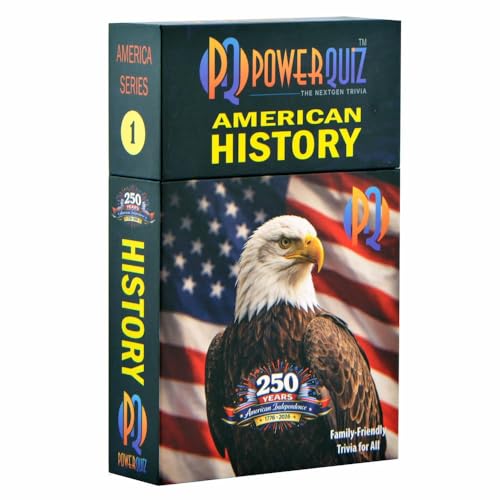
- 200 questions with 5 difficulty levels
- Explanations and fun facts on every card
- Sturdy cards with hard storage box
Best For: Mixed-age trivia practice for American history
Classroom Review Choice

- Word searches and crosswords for review
- Built for middle school social studies
- Handy for warm-ups and test prep
Best For: Middle school world history vocabulary practice
Professor Noggin's Choice
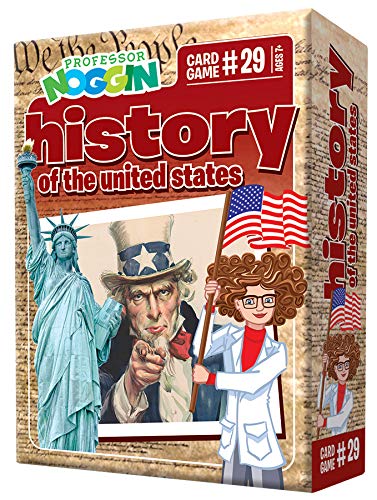
- 30 cards with trivia, true/false, and MCQs
- Two difficulty levels plus special die
- Ages 7+ for 2 to 8 players
Best For: Quick U.S. history trivia for younger students
Hands-On Learning Pick
Ancient Civilizations Activities

- Interactive lessons and simulations
- Covers Mesopotamia through Rome
- Includes rubrics and assessment ideas
Best For: Standards-aligned ancient history classroom activities
Timeline Pick
Timeline Card Game (2025 Refresh)

- 96 illustrated cards on historical order
- Quick 15-minute rounds for 2-6 players
- Simple rules with replayable gameplay
Best For: Students and classrooms wanting a quick chronology game
Map & Meaning Pick
World History & Geography Flashcards Game

- 228 cards on countries, capitals, flags, and culture
- Portable format for solo, team, or classroom use
- No prior knowledge required for play
Best For: Homeschool and classroom learners ages 7+
Channel Trivia Pick
History Channel 2-in-1 Edition

- Two HISTORY Channel games in one box
- 450 cards with years and numeric facts
- Cooperative or competitive gameplay
Best For: Teens and adults who want a longer chronology trivia game
Ancient History Word Search
Ancient World History Word Search Puzzle Book

- 55 ancient-history word search puzzles
- Covers Egypt, Greece, Rome, China, and more
- Large print for easy, relaxing play
Best For: Students and history fans who prefer quiet puzzle-based learning
US History Trivia Cards
Quokka Trivia Game for Families

- 250 double-sided cards with two ways to play
- Chronology and famous-figure guessing modes
- Portable for game nights, classrooms, and homeschool
Best For: Teens and adults who want a flexible U.S. history trivia game
Kids World History Trivia

- 50 question cards plus 50 true-or-false challenges
- Colorful illustrations make history inviting for young kids
- Compact, portable format for travel and family play
Best For: Ages 4-8 learning basic world history through simple card play
PowerQuiz Pick – American History Trivia Game
If you want history educational games for students that work across ages and skill levels, this American history trivia set is built for flexible learning. The 200 questions move from beginner to expert, and every answer includes an explanation plus a bonus fun fact, so the game supports both review and discovery in a simple card format.
Best For: Mixed-age families, classrooms, and homeschool groups that want a screen-free American history trivia game with built-in learning support.
Pros:
- 200 progressive questions across 40 premium cards
- 5 difficulty levels help players learn at the right pace
- Each answer includes a clear explanation and fun fact
- Sturdy matte cards and hard storage box for repeated use
Cons:
- Focuses only on American history, not broader world topics
- Best suited to trivia-style learning rather than hands-on activities
This is a strong pick if you want a simple, reusable game that makes history practice feel competitive without leaving beginners behind. It works well when you need easy-to-run review that still feels fresh round after round.
Classroom Review Choice – World History Puzzle Book
This world history puzzle book is a practical option if you’re looking for history educational games for students that feel more like play than worksheets. With word searches and crosswords built around key social studies vocabulary, it gives middle school learners a low-pressure way to review major world history topics and strengthen recall.
Best For: Middle school teachers, homeschool parents, and tutors who need ready-to-use world history review activities.
Pros:
- Includes word searches and crosswords for vocabulary review
- Covers ancient civilizations, empires, religions, revolutions, and more
- Useful for warm-ups, homework, test prep, and sub plans
- Designed specifically for middle school classrooms
Cons:
- More of a review book than a group game
- Best for world history content rather than U.S. history
For teachers who want flexible classroom activities, this book offers an easy way to keep students engaged while reinforcing essential terms and concepts. It is especially useful when you need independent practice that still supports meaningful history learning.
Professor Noggin's Choice – U.S. History Trivia Cards
For history educational games for students that are easy to learn and quick to play, this U.S. history trivia card game is a solid classroom or family option. It combines trivia, true/false, and multiple-choice questions with a two-level format, making it a friendly way for kids ages 7+ to build history knowledge through short game sessions.
Best For: Younger students, family game nights, and classrooms that want a simple U.S. history trivia game with adjustable difficulty.
Pros:
- Includes 30 trivia cards plus a special three-numbered die
- Two levels of play keep the game accessible and challenging
- Covers famous discoveries, Revolution figures, and African Americans in history
- Supports screen-free social interaction for 2 to 8 players
Cons:
- Smaller card set than larger trivia games
- Only covers U.S. history topics
This set is a good fit when you want a compact trivia game that still feels varied and classroom-friendly. It works especially well for quick practice sessions where students can learn while playing without a lot of setup.
Hands-On Learning Pick – Ancient Civilizations Activities
If you’re shopping for history educational games for students that emphasize active learning, this teacher resource focuses on game-formatted activities and simulations. It covers ancient Mesopotamia, Egypt, India, China, Greece, and Rome, giving students a hands-on way to explore social studies content while practicing teamwork and critical thinking.
Best For: Elementary and middle school classrooms that need standards-aligned, interactive ancient civilizations activities.
Pros:
- Game-formatted lessons support active participation
- Covers major ancient civilizations across multiple regions
- Aligned to state and national standards
- Includes rubrics and assessment ideas for teachers
Cons:
- Teacher resource format, not a standalone student game
- Best suited to ancient history units rather than broader review
This resource stands out for teachers who want more than worksheets and are ready to build interactive history lessons. It is a practical choice when your goal is to make ancient history more engaging through structured activities and simulations.
Timeline Pick – Timeline Card Game (2025 Refresh)
If you want history educational games for students that feel more like a fast-paced challenge than a lesson, Timeline is a strong fit. Players race to place historical events, inventions, and discoveries in chronological order, and the simple rules make it easy to start while still rewarding memory and reasoning.
Best For: Students, families, and classrooms that want a quick history game for ages 8+ with light strategy.
Pros:
- 96 illustrated cards cover events, inventions, and discoveries.
- Easy-to-learn rules support quick setup and repeat play.
- Works for 2-6 players and plays in about 15 minutes.
- Useful for family game nights or classroom review.
Cons:
- Focused on chronological ordering rather than deep historical detail.
- Best suited to short sessions, not longer study periods.
This is a practical pick if you want a compact history game that reinforces sequence and recall without slowing the group down. Its quick rounds and classroom-friendly format make it easy to use often.
Map & Meaning Pick – World History & Geography Flashcards Game
For history educational games for students that blend geography, culture, and trivia, this flashcard set takes a story-driven approach. It covers countries, capitals, flags, and hidden origins, so learners can build knowledge through cards that are designed for study sessions, classroom use, or casual play.
Best For: Homeschool families, educators, and students ages 7+ who want portable geography and world history practice.
Pros:
- Includes 228 cards covering countries, capitals, flags, and culture.
- Works for competitive play, team play, or solo study.
- Portable, travel-sized box makes it easy to use anywhere.
- Built for learners with no prior knowledge required.
Cons:
- More flashcard-style than a traditional board or card game.
- Best suited to geography and world history topics rather than broad history trivia.
This deck is a smart choice if you want a flexible learning tool that feels more engaging than standard flashcards. It is especially handy for students who benefit from short, repeatable study rounds.
Channel Trivia Pick – History Channel 2-in-1 Edition
If you are shopping for history educational games for students who are ready for a tougher trivia challenge, this 2-in-1 set offers a more advanced option. In partnership with The HISTORY Channel, it asks players to arrange years or numeric facts in order relative to an anchor card, which makes it a good fit for players who enjoy trivia, chronology, and team or competitive play.
Best For: Teens, adults, and family groups who want a 14+ history trivia game with a longer playtime.
Pros:
- Includes two games in one box: Through The Years and That’s A Fun Fact.
- 450 fact-filled cards provide lots of replay material.
- Supports cooperative or competitive play.
- Officially licensed by The HISTORY Channel.
Cons:
- Rated 14+, so it is less suitable for younger students.
- Longer 30-45 minute sessions may not fit quick classroom breaks.
This is the best option here for players who want a fuller trivia experience and do not mind a more demanding challenge. It shines when you want a party-style game that still leans into historical ordering and general knowledge.
Ancient History Word Search – Ancient World History Word Search Puzzle Book
If you’re looking for history educational games for students that feel more like a relaxed brain break than a worksheet, this ancient-history word search book is a solid fit. It covers ancient Egypt, Greece, Rome, Mesopotamia, China, and more, giving learners a low-pressure way to review names, places, and events while solving 55 puzzles.
Best For: Students, homeschoolers, and history lovers who want a calm, printable-style puzzle activity focused on ancient civilizations.
Pros:
- 55 unique word search puzzles for extended use
- Topics span several major ancient civilizations and historical events
- Large-print format supports easier reading and relaxed solving
- Useful for homeschooling, classroom activities, or travel
Cons:
- Focuses on word search puzzles only, so it may not suit kids who want active gameplay
- Best aligned with ancient history rather than broader history topics
Overall, this is a practical choice when you want history practice that stays simple, screen-free, and approachable. It works well as a quiet supplement to lessons or as an engaging way to keep history top of mind outside class.
US History Trivia Cards – Quokka Trivia Game for Families
This trivia deck is a strong pick if you want history educational games for students that create discussion instead of rote memorization. With 250 double-sided cards and two game modes—chronology and famous-figure guessing—it turns U.S. history, science, and culture into a flexible group activity for older kids, teens, and adults.
Best For: Families, classrooms, and homeschool groups looking for a portable U.S. history trivia game for ages 15+.
Pros:
- 250 double-sided cards for lots of replay value
- Two play modes keep sessions fresh and varied
- Encourages conversation, teamwork, and friendly competition
- Portable format works well for game night, classrooms, and travel
Cons:
- Designed for ages 15+, so it’s not ideal for younger children
- Centers on U.S. history rather than world history
For learners who enjoy quiz-style competition, this set offers a good mix of structure and variety. It’s especially useful when you want a screen-free history game that can double as a study aid or group activity.
Kids World History Trivia – Quokka Trivia Games for Kids
For younger learners, this card game offers history educational games for students in a format built around simple, colorful, and fast-paced play. It introduces ancient civilizations, famous figures, and key events through 50 question cards and 50 true-or-false challenges, making it a handy option for family time, classrooms, or travel.
Best For: Kids ages 4-8 who need a simple, portable introduction to world history facts.
Pros:
- Kid-friendly illustrations help make history more approachable
- Includes both question cards and true-or-false challenges
- Compact and lightweight for travel or backpack use
- Simple rules make it easy for 2+ players to start quickly
Cons:
- Built for younger children, so older students may outgrow it quickly
- Limited depth compared with more advanced history games
This is a practical pick if you want an easy entry point into history learning through play. It’s best when you need something short, portable, and age-appropriate for early learners.
How We Picked These History Educational Games for Students
We looked for options that support real learning, not just entertainment. Strong picks offer clear educational value, age-appropriate content, replayability, and formats that fit different settings such as classrooms, tutoring, and home study.
We also favored games with flexible difficulty, useful teacher or parent support, and content that reinforces key skills like chronology, recall, vocabulary, map awareness, and historical context.
Quick Comparison
Use trivia games when you want fast recall and discussion, puzzle books when you need quiet independent work, flashcards for short study sessions, and timeline-based games when students need help placing events in order. Hands-on simulation resources are best for active lessons and group instruction.
Key Buying Factors for History Educational Games for Students
Age and Skill Level
Choose products that match reading level and background knowledge. Some History Educational Games for Students are better for elementary learners, while others are more suitable for middle school, older kids, or mixed-age family play.
Learning Goal
Match the format to the outcome you want. Trivia supports review and recall, puzzles reinforce vocabulary and spelling, flashcards help with quick repetition, and timeline games build sequencing skills.
Group Size and Setting
Consider whether the game will be used by one student, a small group, or a full class. Classroom-friendly games should be easy to explain, quick to reset, and durable enough for repeated use.
Content Focus
Some products emphasize U.S. history, while others cover world history, geography, or ancient civilizations. Pick the one that aligns with your curriculum or the topics students are currently studying.
Format and Engagement
Card games and trivia are ideal for lively review sessions. Puzzle books work well for quieter practice. If you want movement, discussion, or collaboration, look for simulation-style or hands-on activities.
Who Should Buy Which History Educational Games for Students?
If you need fast classroom review, choose trivia or timeline games. If you want independent reinforcement, puzzle books and flashcards are a better fit. For family game night, look for broad-appeal trivia titles that can challenge different ages at once. For teachers planning interactive lessons, hands-on resource kits usually deliver the most flexibility.
The best History Educational Games for Students are the ones that fit your goals, your learners, and the amount of time you have. Focus on the learning outcome first, then choose the format that makes history feel active and memorable.