Hands-on anatomy models can make biology lessons easier to understand and more engaging for students. The right model helps learners see how organs, bones, and systems fit together in a way textbooks cannot.
In this roundup, we focus on classroom-friendly options that balance accuracy, durability, ease of use, and age suitability for different grade levels.
Best 10 Human Body Models for Science Class Picks for 2026
Premium 15-Piece Classroom Torso
EVOTECH 11-inch Human Body Model

- 15 detachable organ pieces for anatomy study
- PVC body with hand-painted detail and wood base
- Portable size with brochure included
Best For: Students and teachers wanting a compact, detailed torso model
Hands-On 4-Model Classroom Set
Learning Resources Anatomy Bundle
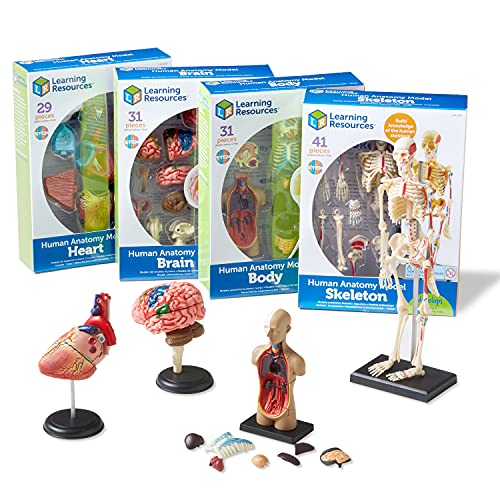
- Includes heart, brain, body, and skeleton models
- Assembly/disassembly supports interactive study
- Durable plastic with display stands
Best For: Homeschool and biology classes needing multiple anatomy models
Portable 15-Part Study Torso
breesky 10.5-inch Anatomy Doll

- 15 removable organs and body parts
- Portable, easy-to-clean classroom size
- Stable base for upright display
Best For: Portable anatomy demonstrations in class or clinic settings
Mini 31-Piece Anatomy Demo
Learning Resources Human Body Model
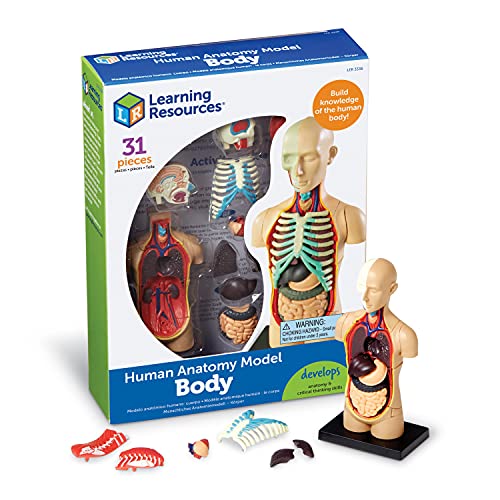
- 31-piece miniature torso with detailed organs
- Includes fact guide and illustrated instructions
- Compact size is easy to store and use
Best For: Compact classroom demos and introductory anatomy lessons
Compact Anatomy Study Pick
11 Inch Human Torso Model with 15 Removable Parts

- 15 removable torso and organ parts
- Lightweight, easy-to-clean PVC build
- Portable size for class or shelf display
Best For: Students, teachers, and beginners needing a compact anatomy model
Interactive Learning Pick
Talking Human Body Model for Kids

- Explanation and quiz learning modes
- 15+ removable parts for hands-on study
- Includes book and knowledge cards
Best For: Kids ages 6+ and guided classroom or homeschool learning
Multi-Model Study Set
Human Body, Skeleton, Heart, and Skull Bundle

- Four-model anatomy bundle for broader study
- Includes guides, chart, and manuals
- Hand-painted pieces with sturdy bases
Best For: Medical students and teachers wanting multiple anatomy models in one set
Interactive Poseable Anatomy Toy
Be Amazing! Toys 14" 60-Piece Body Model
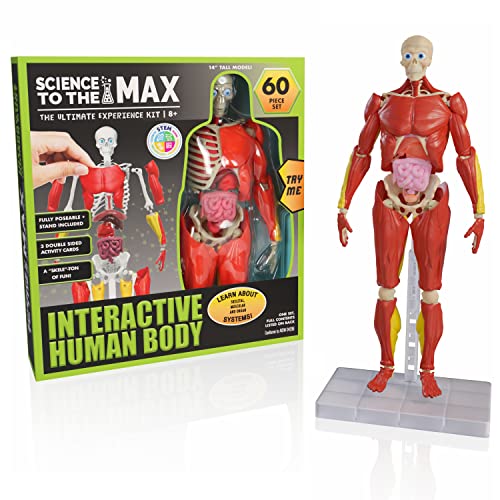
- 60-piece build-and-rebuild anatomy figure
- Poseable body with removable organs and bones
- Instruction cards support anatomy learning
Best For: Kids 8+ who like hands-on anatomy play
Magnetic Layered Learning Set
MyBODY Large Human Body Anatomy Model

- 7-layer magnetic body builds from skeleton upward
- Includes info sheets, labels, and QR-coded facts
- Large pieces and base work for kids through teens
Best For: Layer-by-layer anatomy lessons for ages 5+ to teens
Compact Detachable Torso Model

- 15-piece torso with removable organs and skull
- 11-inch size fits desks and small lab spaces
- Manual and base support classroom display
Best For: Desk-friendly anatomy study and lab demos
Premium 15-Piece Classroom Torso – EVOTECH 11-inch Human Body Model
If you want human body models for science class that show a lot of anatomy in a compact format, this 11-inch torso gives students a clear look at major organs and structures. It includes 15 detachable pieces and is built from PVC with hand-painted detail, making it practical for repeat classroom use and display.
Best For: Students, anatomy beginners, and teachers who want a portable torso model with a broad organ set.
Pros:
- 15 removable parts, including the brain, heart, lungs, liver, stomach, and intestines
- PVC build with hand-painted details and an oak-wooden base
- Portable size for carrying to class or keeping on a shelf
- Includes a colorful educational brochure for teaching support
Cons:
- Some organ pieces are small and need careful handling
- Not intended for young children who still put items in their mouths
This is a strong pick if you want a small but information-rich torso model that covers the basics of organ placement without taking up much space.
Hands-On 4-Model Classroom Set – Learning Resources Anatomy Bundle
For human body models for science class that support multiple lessons at once, this bundle set covers the heart, brain, body, and skeleton in one purchase. The plastic models are designed for assembly and disassembly, giving students a hands-on way to compare body systems and learn from 3D structure.
Best For: Homeschool families, biology teachers, and classrooms that want a multi-model anatomy bundle.
Pros:
- Includes four anatomy models: heart, brain, body, and skeleton
- Assembly and disassembly support interactive learning
- Durable plastic with sturdy display stands
- Useful for homeschool, classroom demos, and medical study aids
Cons:
- Small 11 cm size may be less useful for large-group viewing
- Designed for ages 8 and up, so it is not ideal for younger students
This bundle is a practical choice when you need several compact models instead of a single torso, especially for comparing systems side by side.
Portable 15-Part Study Torso – breesky 10.5-inch Anatomy Doll
If you need human body models for science class that are easy to move and use in different settings, this 10.5-inch torso is built for portability and simple hands-on study. It includes 15 removable parts and is designed to show the relative position of major organs and body systems for anatomy or physiology lessons.
Best For: Students, teachers, and medical or therapy professionals who want a portable torso for demonstrations.
Pros:
- 15 removable pieces covering key organs and systems
- Stable base and sturdy build help keep the model upright
- Easy to carry and wipe clean with water and cloth
- Useful for classrooms, clinics, and patient explanations
Cons:
- Small parts require careful supervision around young children
- Assembly can be a challenge for beginners, which is part of the learning process
This model works well if you want a compact torso that balances classroom usefulness with portability and cleaning convenience.
Mini 31-Piece Anatomy Demo – Learning Resources Human Body Model
When you want human body models for science class in a very small format, this 31-piece torso gives a detailed look at major organs in a miniature design. It is easy to assemble and comes with a fact guide and photo-illustrated instructions, making it a straightforward classroom demonstration tool.
Best For: Teachers, homeschoolers, and younger students who need a compact anatomy display with strong detail.
Pros:
- 31-piece set provides a detailed organ breakdown
- Includes brain, skull, heart, rib cage, lungs, liver, stomach, pancreas, kidneys, intestines, and spine
- Comes with a fact guide and assembly instructions
- Very compact size for easy storage and handling
Cons:
- Miniature 4.5-inch height may be too small for shared viewing in larger groups
- Plastic construction is simple rather than display-focused
This is a good fit if you need a detailed but space-saving anatomy model that can support quick lessons and hands-on assembly.
Compact Anatomy Study Pick – 11 Inch Human Torso Model with 15 Removable Parts
If you want human body models for science class that are easy to handle and still detailed enough for anatomy lessons, this 11-inch torso is a practical choice. It includes 15 removable parts and covers major organs and structures, making it useful for students, teachers, and clinic demonstrations.
Best For: Students, teachers, and beginners who need a small, portable anatomy model for classroom or at-home study.
Pros:
- Includes 15 removable parts, including brain, heart, lungs, stomach, liver, and intestines
- Made from lightweight, easy-to-clean PVC plastic
- Small size is easy to carry to class or display on a shelf
- Designed for use in schools, colleges, clinics, and other learning settings
Cons:
- 11-inch size may feel small for users who want a larger display model
- Focused on torso anatomy rather than a full-body representation
This model makes sense if portability and clear organ identification matter more than size. It is a straightforward educational tool for anatomy, physiology, and patient explanation.
Interactive Learning Pick – Talking Human Body Model for Kids
This is one of the more interactive human body models for science class if you want something that keeps younger learners engaged. The 11-inch model includes 15 removable parts, two learning modes, and study materials that help turn anatomy into a hands-on lesson.
Best For: Kids ages 6+ and homeschool or classroom learning where quizzes and guided explanations help reinforce anatomy basics.
Pros:
- Two modes: explanation mode and quiz mode for interactive learning
- Includes 15+ removable parts for hands-on exploration
- Comes with a 26-page full-color anatomy book and 4 double-sided knowledge cards
- Designed as an all-in-one STEM learning kit for biology and anatomy
Cons:
- Requires 3 AA batteries, which are not included
- Made for kids, so it may be too simplified for older students needing advanced detail
If you want an anatomy model that does more than sit on a desk, this kit stands out for its teaching features. The added booklet and quiz function make it especially useful for reinforcing lessons outside of a textbook.
Multi-Model Study Set – Human Body, Skeleton, Heart, and Skull Bundle
If you need human body models for science class that cover more than one system, this four-piece bundle gives you a broader study setup. It includes a torso, skeleton, heart, and half-size skull with brain, along with guides that support anatomy learning from several angles.
Best For: Medical students, teachers, and anatomy learners who want a multi-model set with separate study tools for different body systems.
Pros:
- Includes four models: human body, skeleton, heart, and skull with brain
- Comes with a carrying case for storage and portability
- Includes brochure, chart, and manuals for guided study
- Hand-painted models with sturdy bases for display and use
Cons:
- More expensive in scope than a single torso model
- Better suited to older learners than young children
This bundle is a strong pick when one model is not enough and you want a more complete anatomy teaching setup. The separate pieces make it easier to focus on skeletal, cardiovascular, and nervous system basics.
Interactive Poseable Anatomy Toy – Be Amazing! Toys 14" 60-Piece Body Model
If you want human body models for science class that feel more like a hands-on activity than a static display, this 14-inch anatomy figure is built for interactive learning. The 60-piece design lets kids assemble, take apart, and rebuild the body while exploring bones, muscles, organs, and movement.
Best For: Kids ages 8+ who learn best through a poseable, build-it-yourself anatomy toy for home, homeschool, or STEM lessons.
Pros:
- 60-piece model includes removable muscles, organs, and bones for repeated assembly.
- Fully articulated and poseable, with an adjustable stand for different positions.
- Comes with illustrated instruction cards to teach body parts and functions.
- Designed for educational use in anatomy, biology, health, and STEM learning.
Cons:
- More toy-like than a traditional classroom torso model.
- Smaller 14-inch size may not suit group demonstration settings.
- Best suited to upper elementary and middle-grade learners, not younger children.
This is a strong pick if you want an engaging, tactile model that keeps students involved while they learn the basics of human anatomy. It’s especially useful when the goal is active exploration rather than a purely reference-style display.
Magnetic Layered Learning Set – MyBODY Large Human Body Anatomy Model
For human body models for science class that make the body’s structure easy to follow, this magnetic set uses a bottom-to-top build. Kids start with the skeleton base and add seven color-coded layers, which helps them connect the skeletal, muscular, digestive, nervous, circulatory, and respiratory systems.
Best For: Kids ages 5+ through teens who need a clear, layered anatomy model for home learning, homeschooling, or classroom use.
Pros:
- Bottom-to-top magnetic assembly makes body structure easier to understand.
- Includes 7 layers plus 4 interchangeable top body options for boys and girls.
- Large, color-coded pieces are easy to handle and can be displayed individually.
- Educational kit includes info sheets, reusable labels, and QR codes with extra facts.
Cons:
- Focuses on layered anatomy rather than removable internal organs.
- Magnetic puzzle format may feel less realistic than a medical-style model.
- Large footprint may be less convenient for very small desks or storage spaces.
This model stands out when you want a structured, visual way to teach anatomy step by step. It’s a practical option for mixed-age learners because the learning materials and modular design can scale with the student.
Compact Detachable Torso Model – 11" Human Body Study Model
If you need human body models for science class that focus on organ identification and study-ready detail, this 11-inch torso model keeps things compact and practical. Its 15 detachable components let students examine key structures like the brain, heart, lungs, esophagus and aorta, and skull.
Best For: Students, labs, and classroom desks that need a compact torso model for anatomy study and demonstrations.
Pros:
- 15-piece detachable design supports closer study of major structures.
- Compact 11-inch size fits desk spaces, home study, and small lab areas.
- Includes a colorful educational manual to explain parts and functions.
- Sturdy base helps the assembled model stay upright for display.
Cons:
- Covers fewer body systems than larger educational anatomy models.
- Best for organ study rather than full-body movement or layered learning.
- Compact size may be less impressive for larger classroom demonstrations.
This is a straightforward study model for learners who want a more traditional anatomy reference. It’s a smart choice when space is limited but you still want enough detail for clear organ and structure identification.
How We Picked Human Body Models for Science Class
We looked for models that support real classroom use: clear anatomy, removable parts, stable construction, and a size that works on desks or demonstration tables. We also considered whether each model is suitable for independent study, teacher-led lessons, or group activities.
For Human Body Models for Science Class, the best choices are usually the ones that combine visual clarity with simple handling. We prioritized models that can be reused often, cleaned easily, and understood without requiring advanced anatomy knowledge.
Quick Comparison
Smaller torso models are often best for introducing organs and basic body systems. Larger or more detailed figures tend to work better for demonstrations and older students who need more anatomical context. Bundled sets can be useful when you want to cover multiple topics like the skeleton, heart, and skull in one purchase.
Key Buying Factors for Human Body Models for Science Class
Age and Grade Level
Choose simpler models for younger students and more detailed models for middle school, high school, or medical prep learning. Younger learners usually benefit from larger pieces and fewer small parts.
Anatomical Detail
Look for models that clearly show major organs, skeletal structure, and key landmarks. If the goal is basic science instruction, clarity matters more than maximum detail.
Durability and Materials
Classroom models should hold up to repeated assembly and disassembly. Sturdy plastic parts, strong connectors, and a solid base are important if the model will be used by multiple students.
Hands-On Learning Features
Removable organs, magnetic assembly, labels, and quiz-style learning features can improve retention. These features are especially helpful for interactive lessons and homework review.
Size and Storage
Make sure the model fits your storage space and classroom setup. Compact models are easier to move between rooms, while larger models often offer better visibility during demonstrations.
Who Should Buy Which Human Body Models for Science Class?
Teachers leading general biology lessons may want a straightforward torso or bundle set that covers the basics. Parents and homeschoolers often do well with models that include interactive or labeled learning support. For older students or more advanced study, choose a model with more precise anatomy and removable internal parts.
If you need one all-purpose option, pick a balanced torso model. If you need broader coverage for lessons, a multi-model bundle may be the smarter choice. The best Human Body Models for Science Class are the ones that match the student’s level and the lesson’s goals.