The best lavalier microphones make spoken audio clearer, more consistent, and easier to manage than a phone or camera’s built-in microphone. This roundup includes wired, wireless, USB, UHF, and camera-ready options for different recording setups.
Whether you create videos with an iPhone, record interviews, teach online, or need hands-free presentation audio, the right mic depends on compatibility, transmission range, sound quality, and how much setup you want to handle.
Best 10 Lavalier Microphones Picks for 2026
Best Wireless Pick

- 9g wireless transmitters with 1,000ft line-of-sight range
- 48kHz/24-bit audio with adjustable noise cancellation
- Up to 30 hours with the charging case
Best For: Mobile video creators, vloggers, and podcasters
Best Wired Upgrade
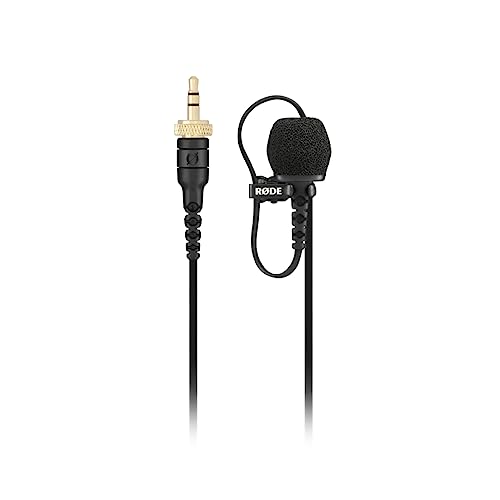
- Low-profile body and flat cable for discreet placement
- Omnidirectional pickup with flat frequency response
- Includes windscreens, clip, ID rings, and case
Best For: Professional filming and compatible wireless systems
Best for Interviews

- Two 10g transmitters for two-person recording
- 400m range, 48kHz audio, and automatic limiting
- Up to 48 hours with the charging case
Best For: Interviews, livestreams, and DJI OsmoAudio users
Best Budget USB Option
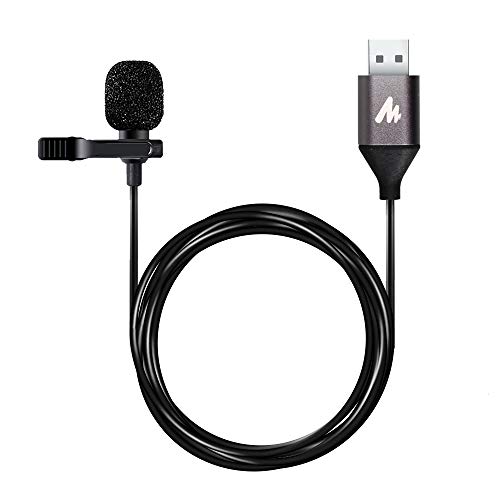
- Plug-and-play USB connection for PCs and Macs
- Supports up to 192kHz/24-bit recording
- Includes metal clip and foam windscreen
Best For: Computer recording, meetings, streaming, and beginners
Best Wireless Range
Hollyland Lark M2 Wireless Lavalier Microphone

- 9g transmitters with 48kHz/24-bit audio
- Up to 300m line-of-sight transmission
- Up to 40 hours with the charging case
Best For: Creators needing long-range wireless audio for cameras, phones, or computers
Best Dedicated Clip-On Mic

- Designed for DJI Mic and DJI Mic 2
- Rotating design supports flexible placement
- Cable routing helps prevent unplugging
Best For: DJI users recording interviews, vlogs, or livestreams
Best for Phone Creators
MAYBESTA Wireless Lavalier Microphone

- USB-C and Lightning support in one receiver
- Automatic pairing with plug-and-play setup
- Two microphones with noise reduction and mute
Best For: iPhone and Android creators making vlogs, calls, or livestreams
Best Wireless PA Pick
TONOR UHF Bodypack Lavalier System

- 200-foot line-of-sight wireless range
- 15 selectable frequencies per bodypack
- Includes lavalier and headset microphones
Best For: Presentations, teaching, church events, and live PA systems
Best Replacement Pair
Sennheiser-Compatible Lavalier Microphones

- Two omnidirectional condenser microphones
- Locking 3.5mm plugs for supported devices
- Includes clips and foam windscreens
Best For: Replacement microphones for compatible Sennheiser, Tascam, and Zoom gear
Best for Mobile Creators
Mini Mic Pro Wireless Lavalier

- USB-C and Lightning adapters included
- Two microphones with wind protection
- Up to six hours per charge
Best For: Phone-based TikTok, YouTube, interview, and voiceover recording
Best Wireless Pick – Hollyland Lark M2
The Hollyland Lark M2 is a strong choice for creators who want compact, wireless lavalier microphones for phones, cameras, and computers. Its 9g transmitters, USB-C compatibility, noise cancellation, and long battery life make it practical for mobile video recording, streaming, and interviews.
Best For: Filmmakers, vloggers, and podcasters who need a lightweight wireless setup with extended runtime.
Pros:
- Very small 9g transmitters with up to 1,000 feet of line-of-sight range.
- 48kHz/24-bit audio, 70dB signal-to-noise ratio, and support for up to 115dB SPL.
- Up to 30 hours of total battery life with the charging case.
- One-click noise cancellation, automatic pairing, and direct plug-in receiver design.
Cons:
- Noise-cancellation settings and firmware controls rely on the HollyAudio app.
- Compatibility varies by phone and recording app, particularly for remote camera controls.
The Lark M2 offers an unusually complete wireless package for mobile creators. Its small design, strong range, and rechargeable case make it more flexible than a basic wired lavalier, while the USB-C receiver keeps setup straightforward on supported devices.
Best Wired Upgrade – RØDE Lavalier II
RØDE Lavalier II Ultra-Low-Profile Lavalier Microphone | Auxiliary Connectivity
Check Price On AmazonThe RØDE Lavalier II is a premium wired option for users who prioritize discreet placement and broadcast-oriented sound. Among lavalier microphones, its flat cable, compact clip, omnidirectional pickup, and locking connector make it especially suitable for professional wireless systems and concealed setups.
Best For: Filmmakers, broadcasters, and content creators using compatible wireless systems or audio interfaces.
Pros:
- Low-profile design with a flat cable for discreet concealment.
- Omnidirectional polar pattern and flat frequency response for broadcast-grade capture.
- Includes a pop filter, furry windshield, clip, ID rings, and zip case.
- Locking connector supports use with professional wireless microphone systems.
Cons:
- May not work directly with phones and cameras without compatible equipment.
- Requires a wired connection rather than a standalone wireless setup.
The Lavalier II is best viewed as a quality component for an existing audio kit. It does not provide the convenience of an all-in-one wireless microphone, but its discreet form and included accessories make it a polished choice for controlled productions.
Best for Interviews – DJI Mic Mini
The DJI Mic Mini is a compact two-transmitter wireless system designed for interviews, livestreams, and content creation. These lavalier microphones combine 10g transmitters with 48kHz audio, automatic limiting, two noise-cancellation levels, and a charging case rated for up to 48 hours.
Best For: Two-person interviews, livestreams, and creators already using compatible DJI OsmoAudio devices.
Pros:
- Two 10g transmitters support two-channel recording for interviews.
- Up to 400m transmission range and 48kHz audio capture.
- Up to 48 hours of battery life with the charging case.
- Automatic limiting helps reduce clipping, while noise cancellation has two levels.
Cons:
- Some ecosystem features are limited to supported DJI OsmoAudio devices.
- The complete system is more equipment than a solo creator may need.
With two transmitters, useful safety features, and a generous battery rating, the Mic Mini is a versatile choice for recording multiple speakers. Its strongest appeal is to creators who want a compact kit that can work with both smartphones and compatible DJI equipment.
Best Budget USB Option – MAONO UL10 USB Lavalier
The MAONO UL10 is a simple USB lavalier microphone for computer-based recording, meetings, streaming, and online content. Its plug-and-play USB connection, omnidirectional pickup, metal clip, and included windscreen make it an accessible alternative to more complex wireless lavalier microphones.
Best For: PC, Mac, laptop, conference-call, dictation, and beginner recording setups.
Pros:
- Plug-and-play USB connection for Windows PCs, laptops, and Macs.
- Supports up to 192kHz/24-bit recording.
- Omnidirectional pickup works for speech, meetings, interviews, and streaming.
- Includes a metal lapel clip and foam windscreen.
Cons:
- USB connectivity limits direct use with many phones and cameras.
- It is a single-channel wired microphone rather than a wireless system.
The UL10 focuses on ease of use instead of advanced wireless features. For computer-based voice recording and meetings, its direct USB connection and included accessories provide a practical starting point without requiring a separate receiver.
Best Wireless Range – Hollyland Lark M2 Wireless Lavalier Microphone
The Hollyland Lark M2 is a strong choice among lavalier microphones for creators who need high-fidelity audio, flexible device support, and long wireless range. Its camera and USB-C receiver setup works with cameras, smartphones, and computers, while built-in noise cancellation helps keep speech clear in busier environments.
Best For: Filmmakers, vloggers, podcasters, and streamers who want a compact wireless system with camera connectivity and extended battery life.
Pros:
- Very lightweight 9g transmitters are easy to wear and conceal.
- 48kHz/24-bit recording, a 70dB signal-to-noise ratio, and support for sound levels up to 115dB provide capable audio performance.
- Offers up to 300m line-of-sight transmission and up to 40 hours with the charging case.
- Includes one-click noise cancellation, automatic pairing, and selectable mono or stereo recording with the camera connection.
Cons:
- Mono/stereo switching is limited to camera use through the 3.5mm audio connection.
- The listed configuration includes a USB-C receiver, but users of other phone connections may need a different setup.
Choose the Lark M2 if wireless freedom, detailed recording, and broad camera or computer compatibility matter more than having the simplest phone-only design.
Best Dedicated Clip-On Mic – DJI Lavalier Microphone
The DJI Lavalier Microphone is a compact wired option for users already working with DJI Mic or DJI Mic 2 equipment. As lavalier microphones go, it focuses on discreet placement and dependable connection details, including a rotating design and cable routing intended to reduce accidental unplugging.
Best For: Interviews, vlogs, livestreams, and other recordings made with a compatible DJI receiver.
Pros:
- Compatible with DJI Mic 2 and DJI Mic systems.
- Rotating design allows flexible microphone positioning.
- Cable routing helps prevent accidental unplugging.
- Compact form factor is easy to conceal while recording.
Cons:
- Its 3.5mm TRS connector is intended for a compatible digital receiver rather than direct broad device use.
- It is a single wired microphone, so it does not provide the standalone wireless range or charging-case features of a complete kit.
This is a sensible add-on for DJI users who want a small, flexible lavalier without replacing their existing wireless receiver system.
Best for Phone Creators – MAYBESTA Wireless Lavalier Microphone
The MAYBESTA wireless lavalier microphone kit is built for quick phone recording, with a receiver that supports both USB-C and Lightning devices. Automatic pairing, case-friendly connectivity, noise reduction, and a mute button make it practical for vlogs, calls, livestreams, and everyday content creation.
Best For: iPhone and Android creators who want a portable plug-and-play kit with two microphones and minimal setup.
Pros:
- One receiver supports both USB-C and Lightning phones without an adapter or app.
- Automatic connection starts when the microphone and receiver are powered on.
- Omnidirectional pickup, noise reduction, and included windscreens help keep voices prominent.
- Includes two microphones, three clips, a charging cable, and a mute function.
Cons:
- The supplied notes do not specify an exact wireless range or runtime.
- Phone-focused connectors may be less convenient for camera-based recording than a dedicated camera receiver.
For mobile-first creators, the MAYBESTA stands out for convenience: it covers common phone ports, works with many cases, and avoids Bluetooth menus or complicated setup.
Best Wireless PA Pick – TONOR UHF Bodypack Lavalier System
For presentations, teaching, church events, and other live applications, this TONOR system is a practical choice among wireless lavalier microphones. It combines a bodypack, lapel mic, headset mic, and receiver, with a stated 200-foot line-of-sight range and 15 selectable frequencies.
Best For: Speakers, instructors, presenters, and performers using a PA system, mixer, amplifier, or compatible powered speaker.
Pros:
- Includes both lavalier and headset microphones for flexible hands-free use.
- Offers up to 200 feet of line-of-sight range and 15 frequency options per bodypack.
- Rechargeable receiver provides approximately 6–8 hours of use after a 2–3 hour charge.
- Bodypack includes an LCD, volume controls, and an ON/MUTE/OFF switch.
Cons:
- Requires a sound system with a 6.35mm microphone input; it cannot operate independently.
- Does not support Bluetooth and cannot connect directly to TVs or soundbars.
- The bodypack requires two AA batteries, which are not included.
This is a strong fit when you need wireless mobility in a live sound setup. Confirm your equipment has a compatible 1/4-inch input, and use the frequency controls if interference occurs.
Best Replacement Pair – Sennheiser-Compatible Lavalier Microphones
This two-pack is designed for users who already own compatible Sennheiser wireless transmitters or select Tascam and Zoom devices. These wired lavalier microphones use omnidirectional condenser capsules, 5-foot cables, clips, windscreens, and locking 3.5mm connections.
Best For: Presenters, lecturers, performers, broadcasters, and creators needing replacement lavalier microphones for compatible 3.5mm locking-jack equipment.
Pros:
- Includes two microphones for backups, multiple users, or replacement needs.
- Compatible with numerous Sennheiser wireless systems and select Tascam and Zoom recorders.
- Omnidirectional pickup is suited to voice applications and hands-free use.
- Locking gold-plated 3.5mm plugs help keep the connection secure.
Cons:
- Compatibility depends on having a supported 3.5mm locking-jack device.
- They are corded microphones rather than complete wireless systems.
- The omnidirectional design can pick up sound from around the microphone.
Choose this pair when connector compatibility is the priority. They offer a straightforward replacement solution, but verify your transmitter or recorder model and plug interface before ordering.
Best for Mobile Creators – Mini Mic Pro Wireless Lavalier
For TikTok videos, YouTube content, interviews, and mobile recording, the Mini Mic Pro offers a compact alternative to larger lavalier microphones. It includes USB-C and Lightning adapters, two clip-on microphones, noise reduction, wind protection, and up to six hours of recording per charge.
Best For: iPhone, Android, tablet, and laptop users recording social videos, interviews, voiceovers, streams, or video conferences.
Pros:
- Includes USB-C and Lightning adapters for broad device compatibility.
- Plug-and-play operation requires no app or Bluetooth connection.
- Comes with two microphones, clips, foam covers, and deadcat wind covers.
- Provides up to six hours of use per charge and supports simultaneous device charging.
Cons:
- Its compatibility and workflow are centered on supported mobile and laptop devices.
- Battery-powered wireless operation requires recharging.
- The product’s compact design is intended for content creation rather than traditional PA systems.
This is the most convenient option here for mobile content creators who want a quick setup. The included connectors and wind protection make it especially practical for phone-based indoor and outdoor recording.
How We Picked These Lavalier Microphones
We selected these 10 models to represent the main ways people record hands-free speech: direct-to-phone wireless kits, camera-compatible systems, wired lapel microphones, USB models, and UHF setups. We considered device compatibility, audio specifications, operating range, battery life, included transmitters and receivers, noise-control features, connector types, and portability. Because recording environments vary, the list includes both simple budget choices and more capable systems for frequent creators or professional work.
Always confirm the exact package before buying. Some kits include a receiver and charging case, while replacement lavaliers or transmitter-specific microphones may require separate equipment.
Quick Comparison
| Type | Best For | Main Advantage | Watch For |
|---|---|---|---|
| Wireless phone kits | Vlogging and mobile video | Fast, cable-free setup | Connector and app compatibility |
| Camera wireless systems | Interviews and production | Flexible placement and range | Charging and gain management |
| Wired lavaliers | Simple recording and backup audio | Low cost and no battery | Cable visibility and connector fit |
| USB lavaliers | Computers and direct digital recording | Plug-and-play computer connection | Limited compatibility with cameras |
| UHF systems | Presentations and larger spaces | Dedicated wireless transmission | More setup and frequency considerations |
Key Buying Factors for Lavalier Microphones
Compatibility and Connectors
Check whether you need USB-C, Lightning, 3.5mm TRS, 3.5mm TRRS, USB, or a camera receiver. A microphone can sound excellent and still be unusable without the correct connector or adapter. For phones, verify compatibility with your operating system and charging port.
Wired Versus Wireless
Wired lavaliers are affordable, lightweight, and dependable when the cable can remain out of frame. Wireless systems are better for walking, demonstrations, interviews, and uncluttered video, but they add batteries, pairing, and possible interference to the workflow.
Audio Quality and Noise Control
Look beyond sample rate and bit depth. A good microphone placement, wind protection, consistent gain, and effective noise handling often matter more than headline specifications. For outdoor work, prioritize a windscreen and a system that lets you monitor or adjust levels.
Range, Battery, and Backup Options
Choose more range than you typically need, particularly for events or outdoor shoots. Check total runtime, charging-case capacity, charging time, and whether the transmitter can record internally or continue working if the wireless signal drops.
Who Should Buy Which Lavalier Microphones?
- Mobile creators: Choose a wireless phone kit with the connector your device uses and a compact charging case.
- Interviewers and video teams: Look for dual-transmitter systems, dependable range, monitoring, and camera or phone flexibility.
- Streamers and remote workers: A USB lavalier is convenient when you record primarily at a computer.
- Presenters and instructors: A UHF bodypack system can be practical for larger rooms and dedicated receivers.
- Budget-conscious or backup users: A wired lavalier offers reliable speech capture without charging or wireless pairing.
For most buyers, the best choice is the model that matches the recording device and workflow first, then provides the audio quality, range, and battery life needed for the environment.