Pneumatics is one of the easiest ways to make engineering feel real. With syringes, tubing, pumps, and air-driven mechanisms, students can see force, motion, and control in action.
This roundup of the best pneumatic engineering kits for students focuses on practical classroom value, age fit, build quality, and how well each kit supports STEM learning.
Best 10 Pneumatic Engineering Kits for Students Picks for 2026
Bulk Classroom Fluid Mechanics Kit
Hydraulic & Pneumatic STEM Supplies
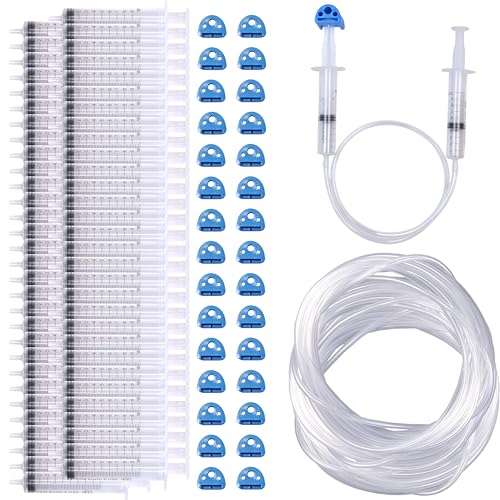
- 60 syringes plus tubing and adapters
- Built for fluid mechanics and force transfer
- Bulk pack keeps classroom costs lower
Best For: Classrooms and group STEM labs
Advanced Technic Pneumatics Set

- Includes pumps, cylinders, tank, gauge, and tubes
- Designed for Technic-style pneumatic builds
- Comes with tools for build and teardown
Best For: Older students and advanced builders
4-in-1 Hydraulic Machine Kit

- Builds four functional hydraulic machines
- Water-powered and battery-free
- Made from FSC wood with ASTM safety compliance
Best For: Ages 8+ learning hydraulics basics
Manual Pneumatic Build Kit

- Manual, battery-free pneumatic kit
- Compact one-set model for assembly
- Ages 14+ with industrial theme
Best For: Teens and adults who like compact builds
Wearable STEM Build
Thames & Kosmos Mega Cyborg Hand

- Wearable mechanical hand operated by fingers
- Uses air pressure, water, and hydraulic pistons
- Adjustable grip with three configuration options
Best For: Students who want a dramatic hands-on fluid power build
Starter Lab Pack
Threlaco Hydraulic and Pneumatic Kit

- 24 syringes and 12 clear vinyl tubes included
- Sized for smaller hands and easy operation
- Built for problem solving and engineering design
Best For: Classrooms and groups needing reusable fluid-power supplies
Technic Pneumatic Parts Set
Habow 69pcs Pneumatic Parts Kit

- Includes cylinders, pumps, hoses, switches, and actuators
- Compatible with all major brands
- Manual, battery-free operation for mechanical builds
Best For: Students expanding Technic models with pneumatic components
Starter Lab Pick
Threlaco 12 Pcs Hydraulic and Pneumatic Kit

- 12 syringes and 6 clear vinyl tubes
- Sized for smaller hands
- Good for basic STEM project exploration
Best For: Classrooms and beginner student projects
Hands-On Build Pick

- Builds a working air-powered excavator
- Includes syringes, hoses, and instructions
- Teaches pressure and energy transfer
Best For: Young learners who want a moving STEM model
Advanced MOC Parts Pick
24-in-1 Pneumatic Technical Parts Kit

- Includes actuators, pumps, rods, and connectors
- Supports robots, vehicles, and crane builds
- Good for advanced mechanics and custom MOCs
Best For: Older students and complex custom engineering projects
Bulk Classroom Fluid Mechanics Kit – Hydraulic & Pneumatic STEM Supplies
If you need pneumatic engineering kits for students that can support repeated classroom use, this bulk syringe-and-tubing set is built for exactly that kind of hands-on learning. It gives students the core parts needed to build hydraulic and pneumatic systems and observe how pressure transfers force in real time.
Best For: Classrooms, group labs, and budget-conscious STEM programs that need lots of shared hydraulic and pneumatic build materials.
Pros:
- Includes 60 syringes, 30 adapters, and 45 feet of tubing for multiple builds
- Designed for hands-on fluid mechanics, pressure transfer, and engineering challenges
- Components connect easily without additional tools
- Bulk quantity helps keep per-student cost low
Cons:
- Parts-focused kit rather than a guided project model
- Requires students or teachers to plan the builds and challenges
- Plastic syringes and tubing are simple rather than advanced components
This is a practical supply kit for educators who want flexibility rather than a fixed project. It works well when the goal is to experiment with robotic arms, lifts, and other pressure-driven mechanisms across a whole class.
Advanced Technic Pneumatics Set – 33-Piece Air System Kit
For students or builders who want pneumatic engineering kits for students with more mechanical detail, this 33-piece set leans into Technic-style air systems and compatible building-block projects. It combines pumps, cylinders, tubing, an air tank, and accessories for more complex pneumatic builds.
Best For: Older students, LEGO Technic-style builders, and hobbyists who want a more advanced pneumatic parts kit for engineering experiments.
Pros:
- Includes pumps, cylinders, air tank, pressure gauge, tubes, and connectors
- Gobricks parts are described as precision-engineered with strong airtightness
- Supports complex builds like cranes, robots, and mechanical arms
- Comes with tools for building, adjusting, and dismantling
Cons:
- More specialized for Technic-style builds than general classroom use
- Requires some familiarity with pneumatic assembly
- Uses battery-powered operation for the system
This kit is a stronger fit when the learning goal is mechanical experimentation rather than simple introductory demos. It should appeal to students who already enjoy building and want a more involved pneumatic setup.
4-in-1 Hydraulic Machine Kit – Wooden STEM Engineering Model
This is one of the more structured pneumatic engineering kits for students if you want water-powered mechanics rather than air systems. The wooden model lets kids build four functional hydraulic machines and learn about levers, force, and motion through guided hands-on play.
Best For: Kids 8+ in classrooms, homeschool settings, or science fair projects who want a hands-on hydraulics introduction.
Pros:
- Builds four working hydraulic machines in one kit
- Uses water-based hydraulics with no batteries or special tools
- Supports lessons in physics, mechanics, levers, force, and motion
- Made from FSC natural untreated wood and meets ASTM toy safety standards
Cons:
- Focuses on hydraulics rather than air-powered pneumatics
- Best suited to ages 8+, so not ideal for very young learners
- Wooden project format may be less flexible than parts-based kits
This kit stands out when you want a safer, cleaner build with clear educational structure. It offers a solid bridge between engineering play and curriculum-friendly science learning.
Manual Pneumatic Build Kit – Industrial Style Model Set
If you want pneumatic engineering kits for students in a simple, hands-on format, this manual building-block set keeps things straightforward. It is a single pneumatic kit aimed at teens and adults, with a manual operation style and an industrial theme.
Best For: Teens, adults, and independent builders who want a compact manual pneumatic model to assemble.
Pros:
- Manual operation keeps the build simple and battery-free
- Compact set size makes it easy to handle and store
- Industrial theme may appeal to older builders
- Suitable for ages 14+ according to the listing
Cons:
- Only includes one set, so it is not a bulk classroom kit
- Product details are minimal compared with other educational kits
- Assembly-focused rather than a broader STEM activity pack
This is the most minimal option in the group, so it makes sense when you want a compact pneumatic project instead of a large instructional set. It fits hobby use or older students who just want to assemble a manual model.
Wearable STEM Build – Thames & Kosmos Mega Cyborg Hand
If you want pneumatic engineering kits for students that feel more like a hands-on build than a worksheet, this wearable hand is a strong pick. It uses air pressure and water-driven hydraulic pistons to open, close, and grip objects, so learners can see force and motion in action without motors or batteries.
Best For: Students who enjoy building a dramatic, wearable STEM project while learning about pneumatic and hydraulic systems.
Pros:
- No batteries or motors needed; powered by air pressure, water, and hand movement.
- Adjustable finger joints support precision movement and different grip angles.
- Three configurations: right hand, left hand, and claw-like.
- Connects hands-on building with real-world industrial robot applications.
Cons:
- More of a build-and-learn project than a broad parts assortment.
- May be better suited to older kids in the big-kid age range.
This kit stands out if you want a memorable demonstration of fluid power that students can wear and operate themselves. It’s a focused STEM build, but the adjustable design and mechanical action give it plenty of learning value.
Starter Lab Pack – Threlaco Hydraulic and Pneumatic Kit
For classroom-ready pneumatic engineering kits for students, this syringe-and-tubing set is a practical starter pack. It gives learners the basic hardware needed to prototype hydraulic and pneumatic mechanisms with everyday materials, making it useful for guided engineering design activities.
Best For: Classroom groups, camps, or home projects that need a simple, shared supply kit for fluid-power experiments.
Pros:
- Includes 24 syringes and 12 clear vinyl tubes for multiple projects.
- Designed to be easy for small hands to grip and operate.
- Supports problem solving, creative skills, and engineering design.
- Works well for classrooms, camps, parties, and family DIY sessions.
Cons:
- More of a parts kit than a complete guided build.
- Requires students to supply other everyday materials for projects.
This is the most flexible option if your goal is to stock a group with reusable fluid-power components. It’s not flashy, but it’s well suited to hands-on experimentation and repeated use in educational settings.
Technic Pneumatic Parts Set – Habow 69pcs Pneumatic Parts Kit
If you’re shopping for pneumatic engineering kits for students who already like building Technic-style models, this parts kit is a strong expansion set. It includes cylinders, pumps, hoses, switches, pistons, and actuators, giving learners the components to build, repair, or upgrade pneumatic projects.
Best For: Kids and teens who want a compatible pneumatic parts assortment for Technic builds and mechanical projects.
Pros:
- Large mix of parts, including cylinders, pumps, hoses, switches, and actuators.
- Compatible with all major brands, according to the listing.
- No battery required; manual operation keeps it simple for mechanical learning.
- Useful for projects like cranes, trains, excavators, and RC-style builds.
Cons:
- Not a complete standalone project kit.
- Best suited to builders who already have Technic-style parts or models.
This kit is ideal when the goal is to add pneumatic function to existing builds rather than start from scratch. It offers a broad parts mix and good compatibility, which makes it useful for more open-ended engineering projects.
Starter Lab Pick – Threlaco 12 Pcs Hydraulic and Pneumatic Kit
If you want pneumatic engineering kits for students that are simple to set up and easy to share, this syringe-and-tubing set is a practical starting point. It gives learners the basic parts needed to explore fluid motion and build small hands-on projects without adding unnecessary complexity.
Best For: Classrooms, small groups, and younger students working on introductory hydraulic and pneumatic builds.
Pros:
- Includes 12 syringes and 6 clear vinyl tubes for multiple students or repeated practice.
- Sized for smaller hands, with syringes about 4 inches long and tubes about 20 inches long.
- Supports problem solving, creativity, and engineering design activities.
- Works for classrooms, camps, parties, and family DIY sessions.
Cons:
- Only provides syringes and tubing, so project materials must come from elsewhere.
- Best suited to basic experiments rather than advanced mechanical builds.
This kit is a straightforward choice when you need a low-barrier introduction to hydraulic and pneumatic concepts. It is best viewed as a starter resource for guided student experimentation rather than a full build kit.
Hands-On Build Pick – STEM Pneumatic Excavator Kit
For students who learn best by building something that moves, this pneumatic excavator kit is a strong option in the world of pneumatic engineering kits for students. It combines a full assembly project with syringe-powered action, making air pressure and energy transfer easier to understand through direct play.
Best For: Ages 6+ learners, homeschool projects, and classroom STEM builds centered on physics and motion.
Pros:
- Builds a working pneumatic excavator with moving arm and bucket.
- Includes illustrated instructions plus key assembly parts like boards, hoses, syringes, connectors, and tools.
- Demonstrates air pressure, gas compressibility, pressure-volume relationships, and energy transfer.
- No batteries or electricity needed, which keeps the build safe and simple.
Cons:
- Single-project format offers less flexibility than a parts-only kit.
- Foam-board construction may be less durable than harder materials for heavy use.
This kit stands out when the goal is to connect theory to motion with a finished model students can operate themselves. It is especially useful for making physics feel concrete and engaging.
Advanced MOC Parts Pick – 24-in-1 Pneumatic Technical Parts Kit
When you need pneumatic engineering kits for students that support more advanced model building, this parts kit offers a flexible foundation for mechanical experiments. It is designed for MOC-style projects, giving builders the pieces needed to add linear motion and pneumatic or hydraulic function to robots, vehicles, cranes, and other custom builds.
Best For: Older students, hobby builders, and educators planning complex interlocking-block engineering projects.
Pros:
- Includes linear actuators, hydraulic pumps, push rods, gears, axles, and connectors.
- Supports a wide range of custom builds, including robots, robot cars, cranes, and vehicles.
- Works with major building block systems and lists compatible part numbers for reference.
- Designed to help users explore advanced mechanics and engineering concepts.
Cons:
- Better suited to experienced builders than absolute beginners.
- Does not include a single finished model, so planning is required.
This is the most versatile choice in the group for students who already enjoy custom engineering builds. It is best for open-ended projects where mechanical function matters as much as the final model.
How We Picked the Best Pneumatic Engineering Kits for Students
We looked for kits that are genuinely useful for learning, not just fun to assemble. Priority went to clear instruction quality, durable parts, repeatable builds, and enough components to support classroom or home use. We also favored kits that help students understand motion transfer, air pressure, and basic mechanical design without requiring advanced tools.
Quick Comparison of Pneumatic Engineering Kits for Students
Some kits are best for simple demonstrations with syringes and tubing, while others are designed for more advanced Technic-style builds with pumps, cylinders, and connectors. Educational model kits with a single finished project are often better for younger learners, while bulk parts kits suit classrooms, makerspaces, and students who want to prototype multiple designs.
Key Buying Factors for Pneumatic Engineering Kits for Students
Age and Skill Level
Choose a kit that matches the student’s experience. Younger students usually do best with guided builds and larger, simpler components. Older students and hobbyists may prefer multi-part technical kits that allow custom assembly and experimentation.
Project Type
Decide whether you want a one-off STEM model, a classroom consumable kit, or a parts-based system for open-ended engineering. If the goal is broad experimentation, kits with extra syringes, tubing, adapters, and cylinders offer more flexibility.
Part Quality and Compatibility
For pneumatic builds, fit matters. Look for secure tubing connections, smooth-moving syringes or cylinders, and parts that are compatible with common building systems when needed. Better sealing and sturdier materials usually mean more reliable motion and fewer leaks.
Educational Value
The best Pneumatic Engineering Kits for Students make it easy to see cause and effect. Clear demonstrations of pressure, push-pull motion, lifting, and articulation help students connect the model to real-world engineering concepts.
Who Should Buy Which Pneumatic Engineering Kits for Students?
Buy a guided STEM build if you want a straightforward classroom lesson or a beginner-friendly introduction to pneumatics. Choose a bulk syringe-and-tubing kit if you need supplies for group projects, labs, or repeated testing. Go with a Technic-style parts kit if the student enjoys robotics, mechanical experimentation, or custom MOC-style builds. If your goal is a standout hands-on project, a themed build like an excavator or cyborg hand can be especially motivating.
In short, the right kit depends on whether you value teaching simplicity, open-ended engineering, or a memorable build that keeps students engaged from start to finish.