Preschoolers learn best by doing, especially when play strengthens the small hand muscles they need for writing, dressing, and self-care. The right toys can turn everyday play into meaningful fine motor practice.
This roundup highlights practical, engaging preschool learning toys for fine motor skills that support grasping, sorting, lacing, cutting, and tool use for ages 18 months and up.
Best 10 Preschool Learning Toys for Fine Motor Skills Picks for 2026
Fine Motor Starter Set
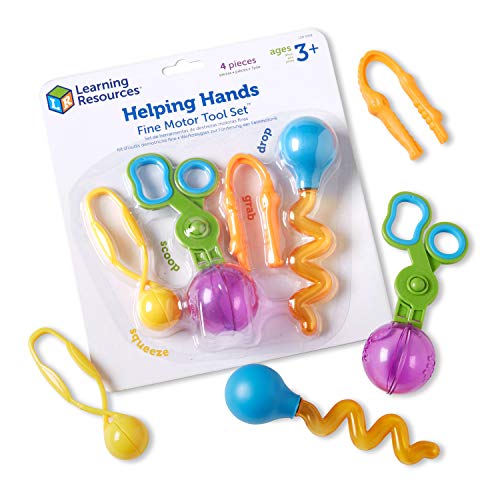
- 4 tools for progressive fine motor practice
- Works with rice, beans, beads, and other sensory items
- Chunky handles fit small hands well
Best For: Preschool and early elementary sensory fine motor play
Classroom Sorting Tweezers
Learning Resources Jumbo Tweezers
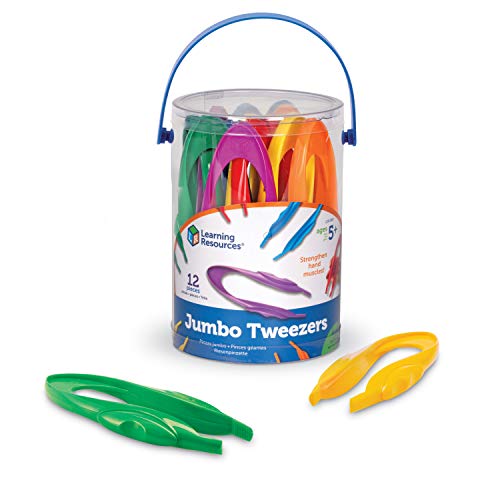
- 12 colorful jumbo tweezers included
- Supports grip strength, sorting, and counting
- Ergonomic design fits little hands
Best For: Classroom sensory bins and preschool grip practice
Bead Threading Practice Set
Melissa & Doug Primary Lacing Beads

- 30 wooden beads and 2 laces included
- Builds hand-eye coordination and fine motor control
- Comes with a storage case for easy cleanup
Best For: Ages 3+ beginner threading and shape practice
Pretend Feeding Fine Motor Set
Learning Resources Feeding Friends

- Tweezers help build grip and coordination
- 39 pieces support counting and sorting
- Animal bowls add imaginative pretend play
Best For: Pretend-play learners practicing tweezing and early math
Monster Grabber Fine Motor Set

- 2 grabbers and 48 mini monsters for sorting play
- Supports grasp, dexterity, and prewriting strength
- Includes 4 games plus spinner cards for variety
Best For: Preschoolers who learn best through playful grabbing and sorting
Silly Science Sorting Set

- Clamp and tweezers build squeezing and precision skills
- Supports counting, sorting, matching, and early science learning
- Colorful germ pieces add a playful STEM theme
Best For: Age 3+ kids who like science-themed sorting and tool practice
Montessori Dress Skills Board

- Teaches zippers, snaps, buttons, laces, and buckles
- Designed for little hands with larger practice areas
- Builds fine motor skills and dressing independence
Best For: Ages 3–5 kids learning to dress themselves and practice daily skills
Color Sorting Starter
Rainbow Sorting Set for Preschool Skills
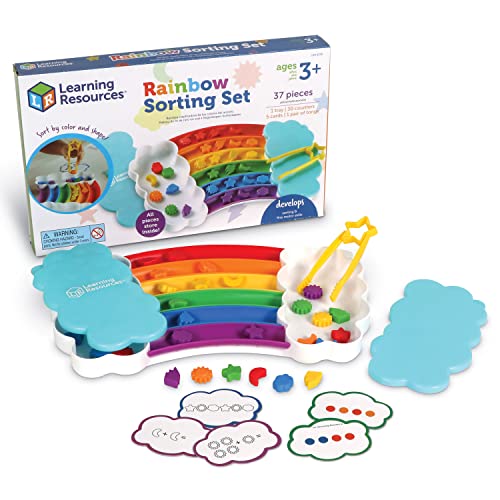
- Includes counters, cards, tongs, and tray
- Builds sorting, counting, and patterning
- Tongs support fine motor coordination
Best For: Preschoolers practicing color matching and pincer grasp
Cut-and-Craft Practice
Toddler Scissor Skills Activity Book

- 22 craft activities with 3 skill levels
- Includes 2 safety scissors and glue stick
- Builds cutting, folding, and coordination
Best For: Children learning safe scissor use and paper craft basics
Dino Grip Builder
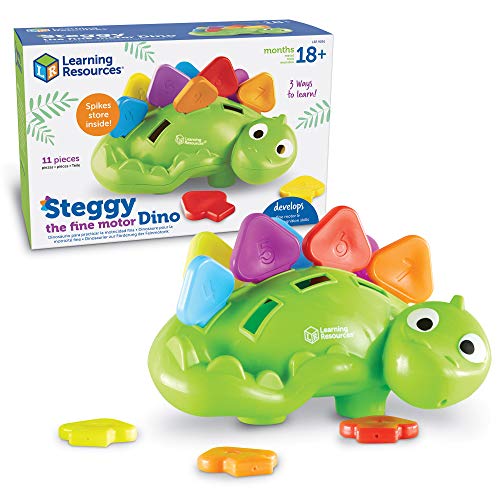
- 10 pinchable scales build hand strength
- Adds color and number recognition
- Scales store inside for easy cleanup
Best For: Tactile dinosaur play that supports pincer grasp and early learning
Fine Motor Starter Set – Helping Hands Tool Set
If you’re comparing preschool learning toys for fine motor skills, this Helping Hands set is a flexible pick for hands-on practice. The four chunky tools are designed to build finger strength, dexterity, and early control through sensory play with rice, beans, pompoms, or water beads.
Best For: Preschoolers and young learners who need varied fine motor practice at home, in therapy, or in the classroom.
Pros:
- Includes 4 differently designed tools for progressive fine motor challenges
- Works well with common sensory materials like water, rice, beans, and pom-poms
- Green scooper helps introduce early scissor grip and motion
- Chunky, easy-grip handles are sized for small hands
Cons:
- Manual play set with no electronic features
- Best suited to supervised activity rather than open-ended solo use for very young children
This is a practical tool set if you want fine motor practice to feel like play. Its strength is versatility: the tools can grow with a child from simple grabbing tasks to more precise coordination work.
Classroom Sorting Tweezers – Learning Resources Jumbo Tweezers
For families and teachers shopping preschool learning toys for fine motor skills, these jumbo tweezers are a simple, repeat-use option. They’re made to strengthen hand muscles, pencil grip, and coordination while supporting sorting, counting, and sensory bin activities.
Best For: Group classroom activities, sensory bins, and preschoolers practicing grip strength and hand control.
Pros:
- 12 tweezers included for small-group or classroom use
- Ergonomic design supports proper grasp and hand positioning
- Useful for sorting, counting, STEM, and sensory play
- Colorful, jumbo size is made for little hands
Cons:
- Minimum age listed as 5+, so it may be better for older preschoolers
- Simple tool set without additional activity pieces
This set works well when you want a basic fine motor tool that can be reused across many activities. It’s especially appealing if you need enough tweezers for multiple children at once.
Bead Threading Practice Set – Melissa & Doug Primary Lacing Beads
If you want preschool learning toys for fine motor skills that also encourage creative play, this lacing bead set is a strong choice. Children thread 30 wooden beads onto two laces, building hand-eye coordination, visual perception, and fine motor control through a simple, screen-free activity.
Best For: Preschoolers ages 3+ who are ready for threading, shape recognition, and beginner craft play.
Pros:
- Includes 30 wooden beads, 2 laces, and a storage case
- Bead shapes are easy for little hands to grasp and thread
- Supports fine motor, cognitive, and visual perception skills
- Durable wooden pieces make it suitable for repeated play
Cons:
- Requires threading skills, so beginners may need help at first
- Fewer activity variations than a larger sensory play set
This is a classic hands-on learning toy that focuses on coordination and precision. It’s a good fit when you want a quiet activity that still gives meaningful fine motor practice.
Pretend Feeding Fine Motor Set – Learning Resources Feeding Friends
Among preschool learning toys for fine motor skills, this Feeding Friends set stands out for combining tweezers practice with pretend play. Kids use the tools to feed animal bowls, which helps develop grip, control, counting, sorting, and coordination in a playful routine.
Best For: Toddlers and preschoolers who enjoy pretend play while practicing tweezing, matching, and early math skills.
Pros:
- Uses tweezers to build hand coordination and grip control
- Includes 39 pieces for repeated sorting and feeding activities
- Supports counting, matching, and shape sorting
- Animal bowls encourage imaginative role-play
Cons:
- Plastic play pattern may not appeal if you want a more open-ended manipulation toy
- Designed as a simple manual activity rather than a multi-step challenge set
This set is a smart pick if you want skill-building wrapped in pretend play. It offers a nice balance of fine motor work and early learning without feeling too structured.
Monster Grabber Fine Motor Set – Grab that Monster
If you want preschool learning toys for fine motor skills that feel playful and structured, this monster-themed activity set gives kids a hands-on way to practice grasping, sorting, and matching. It uses grabbers, mini pieces, and simple games to support prewriting strength, hand-eye coordination, and dexterity.
Best For: Toddlers and preschoolers who need a playful fine motor set for sorting games, classroom activities, or therapy practice.
Pros:
- Monster grabbers open and close with one hand to practice grasp and extension.
- Supports prewriting strength, finger strength, and the tripod grip used for handwriting.
- Includes multiple game options plus spinners for easy teacher-made or self-created play.
- Durable components are suited to repeated group use and easy cleanup.
Cons:
- Focused mainly on grabbing and sorting rather than broader preschool skill areas.
- Uses small pieces, so supervision is important for younger children.
This is a practical choice if you want a compact, classroom-friendly activity that blends fine motor practice with color sorting and simple gameplay. The monster theme helps keep practice engaging without adding extra setup.
Silly Science Sorting Set – 55-Piece Fine Motor Toy
For parents and teachers looking for preschool learning toys for fine motor skills with a STEM angle, this science-themed sorting set combines color, shape, and number practice with hands-on tool use. Kids work with clamps and tweezers to build precision, hand strength, and early matching skills while sorting the colorful pieces.
Best For: Preschoolers who enjoy science themes and need a hands-on set for sorting, counting, and tool-based fine motor practice.
Pros:
- Includes two specialized tools: a clamp for squeezing and tweezers for precision.
- Helps kids count, sort, and match while building color, shape, and number skills.
- Designed for age 3+ with preK manipulatives in mind.
- Science theme adds a fun STEM feel to everyday fine motor practice.
Cons:
- Best suited to sorting and matching activities rather than open-ended pretend play.
- Small pieces and tools make it more appropriate for supervised use.
This set is a strong pick if you want skill-building toys that feel educational without being dry. The tool-based activities give children repeated practice with hand control while still keeping the play simple and approachable.
Montessori Dress Skills Board – Basic Life Skills Set
If you’re shopping for preschool learning toys for fine motor skills that also teach daily independence, this Montessori busy board focuses on dressing practice. Children work through zippers, buckles, snaps, laces, buttons, and hook-and-loop fasteners to build dexterity, hand-eye coordination, and basic life skills.
Best For: Preschoolers ages 3 to 5 who are ready to practice dressing skills and build hands-on independence.
Pros:
- Covers many everyday fasteners, including shoe tying, buttons, snaps, zippers, buckles, and lacing.
- Large skill areas and enlarged button details make practice easier for little hands.
- Supports fine motor development, dressing skills, dexterity, and hand-eye coordination.
- Durable fabric construction is made for repeated classroom or home use.
Cons:
- It is more of a life-skills board than a general-purpose toy set.
- Fabric design may offer less variety than toys with multiple game pieces or themes.
This is a useful screen-free option when you want practice that connects directly to real-world skills. It works especially well for home learning, preschool classrooms, and travel situations where simple repetitive practice is the goal.
Color Sorting Starter – Rainbow Sorting Set for Preschool Skills
If you’re comparing preschool learning toys for fine motor skills, this rainbow sorting set is a simple hands-on option that blends color recognition with sorting, counting, and patterning. The included tongs and activity cards keep play structured while still feeling open-ended enough for everyday learning.
Best For: Preschoolers who need a compact, screen-free toy for early color matching, sorting, and pincer-grasp practice.
Pros:
- Includes 30 counters, 5 activity cards, tongs, and a tray for guided play.
- Supports sorting, counting, patterning, and color matching in one set.
- Fine motor tongs help build coordination and hand control.
- Tray storage keeps pieces organized for quick cleanup.
Cons:
- Best suited to indoor tabletop play rather than active play.
- Designed for ages 3+, so it may be too simple for older kids.
This is a practical choice if you want a preschool toy that combines early learning with fine motor practice in a small, easy-to-store format. It’s especially useful for short daily activities at home or in a classroom setting.
Cut-and-Craft Practice – Toddler Scissor Skills Activity Book
For parents looking at preschool learning toys for fine motor skills, this scissor skills activity book adds a more creative cut-and-paste format. It uses 22 craft activities and three difficulty levels to guide children from straight lines to curved and zigzag cuts, making it a structured way to practice hand control.
Best For: Kids who are ready to practice safe scissor use while building cutting, folding, pasting, and coordination skills.
Pros:
- Comes with 22 craft activities that progress in difficulty.
- Includes 2 safety scissors, a glue stick, and an activity booklet.
- Supports cutting, folding, pasting, and hand-eye coordination.
- Uses kid-friendly themes to keep practice engaging.
Cons:
- Requires more adult supervision than simple manipulation toys.
- Better for kids ready to handle scissors than for very young toddlers.
This set works well if you want a more skill-building craft activity instead of a passive workbook. It gives children a clear progression path and turns scissor practice into a creative project.
Dino Grip Builder – Steggy Fine Motor Dino
If you want preschool learning toys for fine motor skills that feel playful and low-mess, Steggy the Fine Motor Dino is a strong fit. Kids pinch and pull the 10 removable scales, which helps build pincer grasp and hand strength while also introducing color and number recognition.
Best For: Toddlers and preschoolers who enjoy tactile dinosaur play while practicing pinch, pull, and matching skills.
Pros:
- Ten pinchable, pullable scales encourage fine motor practice.
- Supports color and number recognition for extra learning value.
- Scales store inside the dino for easy cleanup.
- Manual, no-battery design keeps play simple and portable.
Cons:
- Focused on one style of tactile play, so variety is limited.
- Best for younger children rather than older preschoolers who want more complexity.
Steggy is a good pick when you want a toy that reinforces grasp strength without adding clutter. The built-in storage and simple play pattern make it easy to use as a daily skill builder.
How We Picked the Best Preschool Learning Toys for Fine Motor Skills
We focused on Preschool Learning Toys for Fine Motor Skills that are age-appropriate, easy to use, and genuinely hands-on. Priority went to toys that build pincer grasp, bilateral coordination, hand-eye coordination, and finger isolation through repeated play. We also looked for durable materials, clear educational value, and formats that work well for home, preschool, and therapy-style practice.
Quick Comparison
For simple grasp-and-release practice, tweezers, sorting sets, and feeding-style manipulatives are ideal. For more advanced preschoolers, lacing beads and scissor skill kits add control and sequence-following. Sensory and dressing toys are useful when you want everyday life skills layered into the play experience.
Key Buying Factors for Preschool Learning Toys for Fine Motor Skills
Skill Level and Age Range
Match the toy to your child’s current ability. Younger toddlers usually need large pieces and easy-grip tools, while older preschoolers benefit from smaller parts, laces, and activities that require more precision.
Type of Movement Practiced
Look for toys that target the movements you want to improve: pinching, scooping, threading, squeezing, rotating, cutting, or fastening. The best Preschool Learning Toys for Fine Motor Skills often combine multiple motions in one activity.
Open-Ended Versus Structured Play
Open-ended toys encourage repetition and creativity, while structured kits can guide a child through specific goals like sorting by color, following patterns, or completing a sequence. Many families do well with a mix of both.
Safety, Durability, and Cleanup
Choose sturdy pieces that can stand up to frequent use and are easy to store. For younger children, avoid tiny parts that create unnecessary choking risk and check that all included accessories are age-appropriate.
Who Should Buy Which Preschool Learning Toys for Fine Motor Skills?
If your child is just starting out, choose larger manipulatives, tweezers, and simple sorting toys. If you want to prepare for preschool classroom tasks, lacing beads, feeding games, and scissor practice are stronger picks. For children who need extra support, sensory-based fine motor sets and dressing practice toys can make skill-building feel more natural and less frustrating.
Overall, the best choice depends on whether you want to build basic hand strength, improve precision, or add life-skill practice to playtime. A well-chosen toy can keep a preschooler engaged while steadily improving coordination and confidence.