Snap circuit kits can turn abstract electricity lessons into something students can see, build, and test for themselves. For classrooms, the best options balance durability, clear instructions, and enough project variety to keep different skill levels engaged.
Below, we focus on kits that support real classroom use, from beginner-friendly introductions to more advanced electronics exploration for older students.
Best 10 Snap Circuit Kits for Classrooms Picks for 2026
Classroom-Friendly Starter Kit
Snap Circuits Classic SC-300 Electronics Exploration Kit
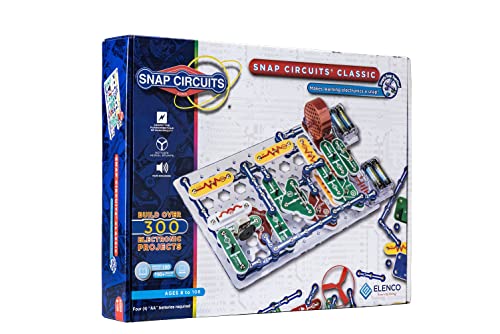
- Over 300 projects for classroom exploration.
- No tools or soldering required.
- Color-coded parts and full-color manuals simplify teaching.
Best For: Classrooms needing a dependable beginner-friendly circuitry kit.
Advanced Lab Upgrade

- 750 experiments with 80 parts for deeper lessons.
- Includes software and PC cable for waveform viewing.
- No soldering or tools needed for hands-on labs.
Best For: Upper-grade classrooms wanting a more advanced electronics kit.
Beginner Classroom Pick
Snap Circuits Jr. SC-100 Electronics Exploration Kit

- Over 100 projects for early learners.
- No tools or soldering needed.
- Color-coded parts and a full-color manual aid instruction.
Best For: Elementary or middle school classes starting with circuitry.
Physics Lab Option
EUDAX School Physics Labs Basic Electricity Discovery Kit
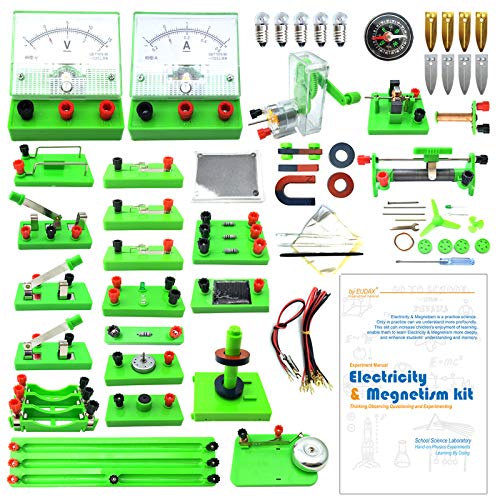
- Hands-on electricity and magnetism experiments.
- Designed for grades 9-11 with 79 items.
- Includes a full-color manual and storage bag.
Best For: High school physics labs focused on electricity and magnetism.
Advanced STEM Pick
Snap Circuits Pro 500 in 1 Electronics Exploration Kit
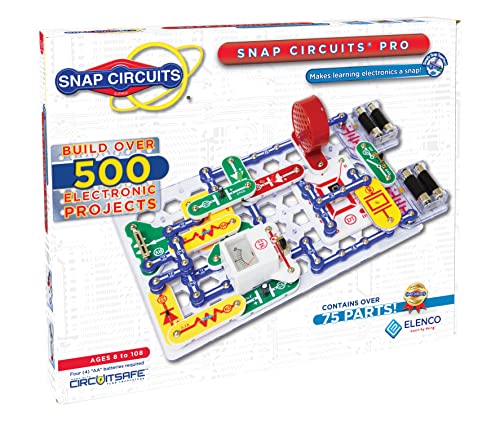
- 500+ projects with 75 parts
- No tools or soldering needed
- Includes radio, voice recorder, and LED display builds
Best For: Upper elementary and middle-grade classrooms
Young Learner Pick
Snap Circuits Beginner Electronics Exploration Kit

- Designed for ages 5-9
- 21 simple projects with childproofing features
- Colorful, age-appropriate instruction manual
Best For: Early elementary classrooms
Classic Value Pick
Snap Circuits 203 Electronics Exploration Kit

- Over 200 projects
- 40+ pieces with color manual
- Easy snap-together build system
Best For: Versatile, mid-size classroom STEM lessons
Arcade Maker Kit
Snap Circuits Arcade Electronics Exploration Kit

- 20+ games with lights and sounds
- Over 200 projects in one kit
- No tools or soldering required
Best For: Older students who learn best through game-style electronics builds
Green Energy Explorer
Snap Circuits Green Energy Kit

- 125+ projects focused on alternative energy
- Includes solar, wind, hydro, and more
- Snap-together build with no extra tools
Best For: Renewable-energy lessons and STEM classrooms
Classroom-Friendly Starter Kit – Snap Circuits Classic SC-300 Electronics Exploration Kit
If you’re comparing snap circuit kits for classrooms, the Classic SC-300 is a strong entry point because it delivers a large project count without requiring soldering or special tools. The color-coded snap pieces and full-color manuals make it easier for students to follow along during guided lessons or station-based activities.
Best For: Classrooms that want a broad, easy-to-use introduction to basic circuitry and STEM concepts.
Pros:
- Over 300 projects for long-term classroom use.
- No soldering or tools needed, so setup stays simple.
- Includes 60+ pieces and colorful instruction materials.
- Covers familiar projects like radios, alarms, and doorbells.
Cons:
- Requires batteries, which are not included.
- Fewer parts than the more advanced Snap Circuits Extreme kit.
This kit works well when you need a balance of variety and simplicity. It is a practical classroom option for introducing electrical engineering basics in a hands-on way.
Advanced Lab Upgrade – Elenco Snap Circuit Extreme
For snap circuit kits for classrooms that need more depth, the Snap Circuit Extreme stands out with 750 experiments and a wider component set. It adds more advanced activities, plus software and a PC-interface cable for viewing waveforms and frequencies, which can support more hands-on demonstrations in STEM labs.
Best For: Upper-level classroom groups that want a more advanced electronics and measurement experience.
Pros:
- Over 750 experiments for extended classroom use.
- Includes software and a PC-interface cable for waveform and frequency viewing.
- Comes with 80 parts, including a photo resistor, analog meter, and solar cell.
- No soldering or tools required.
Cons:
- More complex than beginner kits, so it may be less suited to first-time users.
- Requires batteries, which are not described as included.
This is the most feature-rich option in the group and fits classrooms that want a stronger bridge into electronics engineering. It offers more room for repeat use, especially when students are ready for a challenge.
Beginner Classroom Pick – Snap Circuits Jr. SC-100 Electronics Exploration Kit
The Snap Circuits Jr. SC-100 is a straightforward choice when shopping for snap circuit kits for classrooms and you want an easier starting point. With over 100 projects, color-coded snap parts, and a full-color manual, it gives younger or newer students a clear way to practice basic circuitry.
Best For: Elementary and middle school classrooms that want a simple, low-friction introduction to electronics.
Pros:
- Over 100 projects in a compact beginner kit.
- No extra tools or soldering required.
- Color-coded pieces make assembly easier for students.
- Includes a full-color project manual.
Cons:
- Fewer parts and projects than the Classic and Extreme kits.
- Batteries are required.
For classrooms that need a manageable first step into STEM electronics, this kit keeps the learning curve low. It is best when simplicity, speed, and easy student success matter most.
Physics Lab Option – EUDAX School Physics Labs Basic Electricity Discovery Kit
Unlike the more toy-like snap circuit kits for classrooms, this EUDAX kit is aimed at school physics labs and older students studying electricity and magnetism. The full-color manual and hands-on models support structured classroom exploration of circuits, electromagnetism, and generator basics.
Best For: High school physics classes focused on electricity, magnetism, and lab-style investigation.
Pros:
- Includes experiments for series and parallel circuits, fruit batteries, and Ohm’s law.
- Covers both electricity and magnetism with 79 items total.
- Comes with a color manual and storage bag for classroom organization.
- Designed for grades 9-11.
Cons:
- Batteries are not included.
- More specialized for physics labs than broad general STEM play.
This is a better fit when your class needs topic-specific experiments rather than a broad electronics toy kit. It gives teachers a hands-on way to demonstrate core principles in a more formal lab setting.
Advanced STEM Pick – Snap Circuits Pro 500 in 1 Electronics Exploration Kit
If you’re comparing snap circuit kits for classrooms, this Snap Circuits Pro 500 in 1 kit is a strong option when you want lots of repeatable builds from one box. It includes 75 parts and a full-color instruction book, so students can work through a large library of projects without needing tools or soldering.
Best For: Upper elementary and middle-grade classrooms that want a large project library and a more advanced build experience.
Pros:
- 500+ projects from 75 parts gives teachers plenty of activity choices.
- No tools or soldering required, which simplifies classroom setup.
- Includes a radio, voice recorder, and LED display projects for variety.
- Color-coded, snap-together pieces are easy to demonstrate and manage.
Cons:
- Recommended for ages 8+, so it may be too advanced for younger grades.
- Larger kit size may be more than needed for simple intro lessons.
- Batteries are required and not included in the notes.
This is the most project-rich option in the group, making it useful when you want a classroom kit that can support many lessons instead of a one-off activity.
Young Learner Pick – Snap Circuits Beginner Electronics Exploration Kit
Snap Circuits Beginner, Electronics Exploration Kit, Stem Kit for Ages 5-9 (SCB-20)
Check Price On AmazonFor snap circuit kits for classrooms serving younger students, this Beginner kit is designed to make circuitry feel approachable from the start. It is built for ages 5-9, uses child-friendly snap-together pieces, and pairs simple projects with age-appropriate diagrams and language.
Best For: Early elementary classrooms that need a safer, simpler introduction to circuits and STEM basics.
Pros:
- Made for ages 5+, with extra childproofing features for younger kids.
- Includes 21 projects that introduce switches, circuits, problem-solving, and planning.
- Colorful manual uses age-appropriate diagrams and language.
- Includes a lighted color-changing fan for an engaging classroom demo.
Cons:
- Only 21 projects, so it offers less depth than larger kits.
- May feel too basic for older elementary or mixed-age groups.
- Smaller scope means fewer advanced engineering challenges.
This is the most classroom-friendly starter option if your priority is accessibility over project volume. It gives younger students a hands-on first experience without overwhelming them.
Classic Value Pick – Snap Circuits 203 Electronics Exploration Kit
If you want snap circuit kits for classrooms that balance project count and straightforward setup, this 203-kit version is a practical middle ground. It includes over 200 projects, more than 40 pieces, and a color manual, giving teachers a broad range of builds without moving into the largest kit tier.
Best For: Classroom programs that want a versatile, mid-size Snap Circuits kit for repeated STEM lessons.
Pros:
- Over 200 projects provide plenty of classroom activity options.
- Includes burglar alarms, doorbells, and electronic games for variety.
- No extra tools needed, and pieces snap easily onto the grid.
- Mid-size parts count keeps the kit more manageable than larger sets.
Cons:
- Still aimed at ages 8+, so it is not ideal for early elementary students.
- Fewer parts and projects than the Pro 500 kit.
- May not satisfy classrooms looking for the widest possible project library.
This kit is a solid all-around classroom choice when you want a lot of activities but do not need the biggest, most advanced package. It should fit well for teachers seeking repeat use across multiple lessons.
Starter STEM Circuit Set – 66-Piece Electronics Exploration Kit
If you’re comparing snap circuit kits for classrooms, this 66-piece electronics exploration set is built for fast, hands-on learning. It uses numbered, color-coded pieces that snap onto a plastic grid with no soldering or extra tools, making it easy to introduce circuitry concepts without slowing down the lesson.
Best For: Classrooms, STEM centers, and beginner builders who need a frustration-free circuit kit with lots of project variety.
Pros:
- Over 1,200 projects provide plenty of repeatable classroom activities.
- No tools or soldering required, so setup is quick.
- Color-coded parts make the learning process more approachable for younger students.
- Includes a color project manual to guide students step by step.
Cons:
- Smaller 66-piece count may limit how many students can build at once.
- Best suited for guided use rather than open-ended engineering labs.
This is a practical pick when you want a simple, engaging introduction to electronics that keeps kids building instead of waiting on setup.
Arcade Maker Kit – Snap Circuits Arcade Electronics Exploration Kit
For classrooms looking at snap circuit kits for classrooms, this Arcade set leans into game-based learning with lights, sounds, and project variety. It’s designed for ages 8+ and uses the familiar snap-together format, so students can move from the manual to building without needing soldering or special tools.
Best For: Older elementary and middle school students who will stay engaged with electronics through game-style builds.
Pros:
- Builds 20+ games with lights and sounds for high student interest.
- Over 200 projects offer strong value and lots of classroom reuse.
- No tools or soldering needed, which keeps setup simple.
- Includes a full-color project manual for structured instruction.
Cons:
- Requires batteries, so classroom prep includes power management.
- Game focus may be less versatile than a broader general-purpose kit.
This kit works well when you want electronics practice that feels like building toys and games, not just following a lab worksheet.
Green Energy Explorer – Snap Circuits Green Energy Kit
If your goal is to expand snap circuit kits for classrooms beyond basic circuitry, this Green Energy set adds a focused lesson on alternative power. With 45+ parts and a full-color manual, it lets students build projects powered by solar, wind, hand-crank, hydro, and geothermal concepts while still using the easy snap-together format.
Best For: Classrooms that want an electronics kit centered on renewable energy and STEM discussion.
Pros:
- Over 125 projects create plenty of hands-on classroom activity.
- Teaches multiple energy sources, including solar, wind, and hydro.
- No extra tools or soldering needed for quick setup.
- Includes parts for standout builds like a solar light clock and wind-powered mini car.
Cons:
- Better for energy-themed lessons than broad general electronics coverage.
- Some builds may require more teacher guidance than basic snap sets.
This is a smart choice if you want students to explore circuitry while also connecting the activity to real-world green energy topics.
How We Picked the Best Snap Circuit Kits for Classrooms
To narrow down the best Snap Circuit Kits for Classrooms, we looked for strong instructional value, age fit, project variety, and practical classroom usability. That means readable manuals, modular parts that are easy to share, and kits that can support both guided lessons and independent exploration.
We also considered whether each option could work in a group setting, since classroom STEM kits need to handle repeated use, different student pacing, and varying levels of prior knowledge.
Quick Comparison
For younger learners, beginner and Jr. kits are usually the easiest starting point. For elementary and middle school classrooms, mid-range sets with more projects offer better lesson flexibility. For older students, kits focused on electricity, magnetism, or green energy can support more advanced investigation and discussion.
Key Buying Factors for Snap Circuit Kits for Classrooms
Age Range and Skill Level
Choose a kit that matches the class’s experience. Younger students need simpler builds, larger project steps, and quick success. Older learners can handle more modules and more complex circuit concepts.
Project Count Vs. Real Classroom Use
A high project count sounds impressive, but classroom value depends on how many distinct lessons the kit actually supports. Look for kits that cover core concepts such as switches, lights, sound, motors, sensors, and basic energy flow.
Durability and Sharing
In classroom environments, parts should snap together easily and consistently. Fewer fragile pieces usually means less downtime and fewer missing-part issues during group work.
Instruction Quality
A clear full-color manual matters more than many buyers expect. Step-by-step diagrams help students work independently and reduce the need for constant teacher intervention.
Lesson Flexibility
The best Snap Circuit Kits for Classrooms should support both short warm-up activities and longer STEM lab sessions. Kits with expandable project options make it easier to differentiate instruction.
Who Should Buy Which Snap Circuit Kits for Classrooms?
If you teach early elementary students, choose a beginner-friendly kit with fewer parts and simpler builds. For upper elementary and middle school, a more feature-rich kit gives you better long-term value and more room for experimentation.
If your students are ready for deeper electricity and magnetism concepts, advanced classroom kits are a better fit. For enrichment, science clubs, and STEM centers, pick a kit with enough variety to let students explore at their own pace.
In short, the right choice depends on your students’ age, your lesson goals, and how much hands-on repetition you want from one kit. For most educators, the best Snap Circuit Kits for Classrooms are the ones that are easy to teach, easy to share, and engaging enough to bring students back to the table again and again.