Structural engineering kits for students can turn abstract physics and design concepts into hands-on learning. The best kits help learners test stability, explore load paths, and understand why structures stand or fail.
Whether you’re shopping for a classroom, homeschool, or a curious builder at home, this roundup focuses on kits that balance educational value, build quality, and age-appropriate challenge.
Best 10 Structural Engineering Kits for Students Picks for 2026
Hands-On Structural Basics
Thames & Kosmos Structural Engineering Kit

- 20 model builds teach force, load, compression, and tension
- 285+ interchangeable pieces support repeated experiments
- Includes a 36-page illustrated manual and assembly guide
Best For: students who want guided structural model building
Mechanics-Focused STEM Build
Engino Levers, Linkages & Structures

- Builds 16 working models like seesaws and bridges
- Teaches levers, force multiplication, and motion direction
- Includes theory pages, experiments, quizzes, and a 3D app
Best For: students age 9+ learning mechanical principles
Advanced Structural Modeling
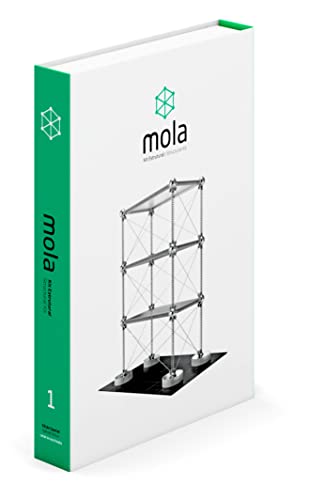
- Magnetic parts model beams, columns, bracing, and connections
- Workbook covers structures up to a three-story building
- Lets students test models by pushing and prodding them
Best For: older students and teens studying structural behavior
Flexible Group Project Kit
STEM Craft Kit 25 Engineering Projects

- Offers 25 project ideas with 400+ components
- Includes a safe-tip glue gun and ready-to-use materials
- Works for classrooms, after-school, or home enrichment
Best For: classrooms and group activities with open-ended builds
Architectural Building Focus
Thames & Kosmos Architectural Engineering

- Over 20 structural and building models
- 44-page full-color manual included
- Flexible pieces work with other Thames & Kosmos kits
Best For: Students ages 8+ learning architecture basics with guided builds
Interactive Structural Analysis

- 145-piece magnetic modular system
- Supports arches, shells, domes, and bracing
- Includes a 42-page illustrated workbook
Best For: Students and aspiring engineers studying structural behavior through experimentation
Engineering Foundations for Beginners
Thames & Kosmos Mechanical Engineering

- 20 building projects and 22 experiments
- Teaches forces, motion, gears, and energy
- 80-page illustrated manual included
Best For: Students ages 8+ learning core engineering concepts through machines and vehicles
Early STEM City Builder
City Engineering & Design Building Set
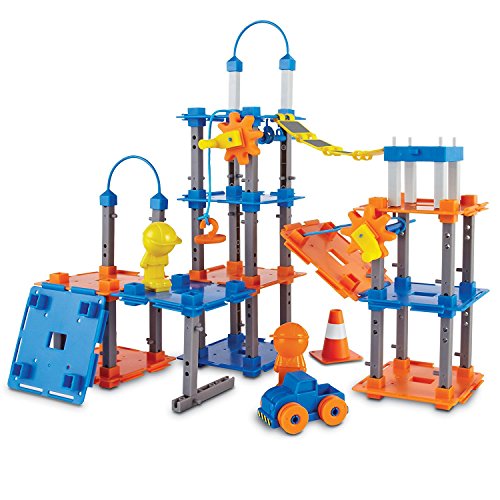
- 89-piece city-themed building kit
- Activity cards teach the design process
- Good for guided or open-ended play
Best For: Preschool and early elementary students
Green Building Lab
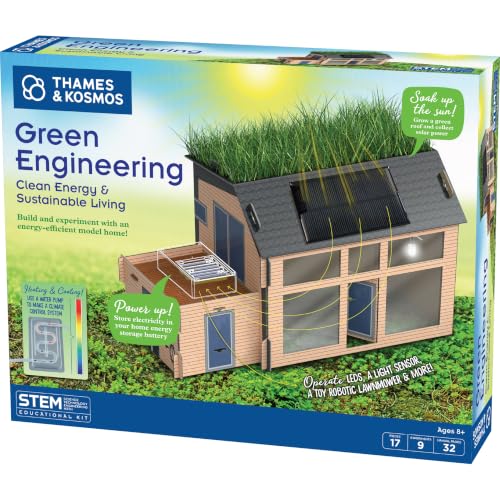
- Builds a model home with green features
- Includes solar, LEDs, sensors, and pump
- Ideal for classroom sustainability lessons
Best For: Classrooms and students ages 8+
Historic Machine Maker
Da Vinci Catapult Wood Building STEM Kit

- Three working machine builds in one kit
- Wooden parts with simple instructions
- Launches projectiles up to 15 feet
Best For: Older students and hands-on engineering projects
Hands-On Structural Basics – Thames & Kosmos Structural Engineering Kit
If you’re comparing structural engineering kits for students, this one is a strong hands-on pick for learning how force, load, compression, and tension affect real builds. It includes 20 model designs and 285+ interchangeable pieces, so students can rebuild, test, and revisit concepts instead of just assembling once.
Best For: Students who want a classic engineering kit with guided model building and core structural concepts.
Pros:
- Builds 20 different models tied to force, load, compression, and tension
- Includes more than 285 interchangeable building pieces
- Comes with a 36-page illustrated experiment manual and assembly guide
- Designed for intermediate skill levels
Cons:
- Geared toward ages 8+ and may be better for students with some building experience
- Focused on structured model building rather than open-ended design
Overall, this kit works well for students who learn best by following experiments and comparing how different structural designs behave. It offers a clear, classroom-friendly introduction to engineering basics.
Mechanics-Focused STEM Build – Engino Levers, Linkages & Structures
Among structural engineering kits for students, this Engino set stands out for connecting building with mechanical thinking. Kids can make 16 working models while learning how levers multiply force and change motion direction, with support from instructions, theory pages, experiments, and a quiz section.
Best For: Students age 9+ who want to explore levers, linkages, and basic structural mechanics.
Pros:
- Lets kids build 16 working models, including seesaws and bridges
- Includes instructions plus theory, experiments, and a quiz section
- Focuses on real physics concepts like leverage, force, and motion direction
- Offers a virtual building experience through the 3D app
Cons:
- More focused on mechanics than broad architecture or large-scale structures
- May be best suited to students age 9 and up
This is a practical choice for students who want engineering activities with a strong physics angle. It pairs building with structured learning materials, making it a solid fit for enrichment or STEM study.
Advanced Structural Modeling – Mola Structural Kit 1
If you’re shopping for structural engineering kits for students with a more advanced feel, Mola Structural Kit 1 is built to help learners visualize how structures behave under pressure. Its magnetic modular parts represent real structural elements like beams, columns, bracing, and connections, and the workbook guides students from core concepts to a three-story building.
Best For: Older students and teens ready for a more advanced structural engineering and architecture tool.
Pros:
- Uses magnetic modular parts to model real structural elements
- Designed to test models by pushing and prodding them for collapse resistance
- Includes a 38-page workbook with illustrated structural concepts
- Built for exploring frames, trusses, columns, beams, and connections
Cons:
- Age range starts at 14+, so it may not suit younger students
- More specialized and less toy-like than many classroom kits
This kit is a strong match for students who want a more realistic look at structural design. It feels closer to an engineering model tool than a simple building toy.
Flexible Group Project Kit – STEM Craft Kit 25 Engineering Projects
For teachers and group leaders looking at structural engineering kits for students, this STEM Craft Kit is built for broad, open-ended project work. It includes materials and ideas for 25 engineering projects, over 400 components, and a safe-tip glue gun, making it a flexible option for classrooms, camps, or at-home enrichment.
Best For: Classrooms, after-school groups, and students who need lots of project variety.
Pros:
- Includes materials and ideas for 25 different engineering projects
- Comes with over 400 components for varied builds
- Supports individual, small-group, or class-wide use
- Designed for open-ended problem solving and experimentation
Cons:
- Less focused on one specific structural topic than a dedicated engineering model kit
- Best suited to guided project work rather than step-by-step model learning
This kit is a good fit when you want flexibility and repeat use across multiple student settings. It emphasizes making, testing, and problem solving over a single narrow curriculum theme.
Architectural Building Focus – Thames & Kosmos Architectural Engineering
If you want structural engineering kits for students that blend hands-on building with real architectural concepts, this Thames & Kosmos set is a strong starting point. It walks kids through trusses, arches, domes, and other structural elements before moving into scaled-down models of real-world buildings, with flexible pieces that mimic steel frames.
Best For: Students ages 8+ who want an introductory, architecture-focused build kit with guided exercises.
Pros:
- Builds over 20 models of structural elements and real-world buildings
- Includes a 44-page full-color manual for step-by-step guidance
- Flexible pieces are compatible with other Thames & Kosmos engineering and physics kits
- Parents’ Choice Gold Award winner
Cons:
- Focused more on architectural structures than open-ended building
- Plastic parts may feel less realistic than metal-based systems
- Best suited for younger learners rather than advanced students
This is a practical pick for beginners who need clear structure and lots of guided model-building. It emphasizes core engineering ideas in a format that is approachable for students and easy to use at home or in a classroom setting.
Interactive Structural Analysis – Mola Structural Kit 4
For students who want structural engineering kits for students with a more analytical feel, Mola Structural Kit 4 is built around testing how arches, shells, domes, and bracing systems behave. Its magnetic modular pieces are designed to let learners quickly assemble, press, and revise models while exploring structural efficiency through experimentation.
Best For: Engineering and architecture students who want to study structural behavior through hands-on trial and error.
Pros:
- 145 modular pieces support many structural combinations
- Magnetic construction makes quick model changes easy
- Includes a 42-page workbook with illustrated engineering concepts
- Designed to simulate real structural behavior in a practical way
Cons:
- More specialized than typical beginner building kits
- Metal construction makes it heavier than plastic sets
- Workbook is in English and Portuguese only
This kit stands out for students who want to see why structures hold or fail, not just build something that looks interesting. It is a compact but serious tool for exploring form, force, and structural systems.
Engineering Foundations for Beginners – Thames & Kosmos Mechanical Engineering
This Thames & Kosmos kit is a good option if you want structural engineering kits for students that also introduce the force and motion concepts behind real machines. While it focuses on mechanical engineering rather than buildings, the 20 models and 22 supplemental experiments give learners a solid foundation in how engineering systems work in everyday settings.
Best For: Students ages 8+ who want an introductory STEM kit covering forces, motion, and simple machines.
Pros:
- Includes 20 hands-on building projects plus 22 supplemental experiments
- Covers forces, gravity, weight, gears, and energy concepts
- Durable, reusable parts can be reconfigured into different models
- 80-page full-color manual provides clear step-by-step instruction
Cons:
- Not a dedicated architecture or structural model kit
- Theme is broader mechanical engineering, not building design
- Less focused on static structures like arches or bridges
As an introductory engineering kit, this one is best when your goal is to build general STEM confidence rather than study structural forms specifically. It gives students a broad, hands-on look at how engineering principles appear in machines, vehicles, and construction-related settings.
Early STEM City Builder – City Engineering & Design Building Set
If you want structural engineering kits for students that start with simple, hands-on building, this city-themed set is a practical entry point. It introduces basic engineering ideas through towers, bridges, and city structures, while the included activity cards walk kids through ask, imagine, plan, create, and improve.
Best For: Preschool and early elementary students who benefit from guided STEM play and open-ended building challenges.
Pros:
- Includes 89 pieces for building city-inspired structures.
- Activity cards support the engineering design process step by step.
- Can be used for guided challenges or free building.
- Works well on tables at home, in classrooms, or in homeschool spaces.
Cons:
- Designed for younger children, so it may feel too basic for older students.
- No batteries or advanced mechanical features are included.
- Plastic construction is simple rather than highly realistic.
For young learners, this set is less about complex mechanics and more about building confidence with early engineering concepts. It is a good fit when you want structured but creative STEM play that keeps the focus on problem solving and design.
Green Building Lab – Green Engineering STEM Kit
For structural engineering kits for students that connect building with sustainability, this Thames & Kosmos kit stands out. Kids ages 8 and up build a model home and then experiment with solar power, LEDs, sensors, a water pump, and other real-world devices that show how green architecture works.
Best For: Classrooms, group presentations, and students who want to explore clean energy and sustainable building systems.
Pros:
- Includes a solar panel, battery, LEDs, sensors, and a water pump.
- Model home demonstrates multiple aspects of green architecture.
- 32-page manual provides step-by-step experiment instructions.
- Designed to be easy to build and classroom-friendly.
Cons:
- Best suited to kids ages 8 and up, not younger students.
- Focuses more on energy systems than on traditional structural building alone.
- Larger model and many components may take more setup than simpler kits.
This is a strong pick if you want a kit that goes beyond construction and teaches how buildings interact with renewable energy and climate-control systems. It offers a more advanced, concept-driven experience than basic building toys.
Historic Machine Maker – Da Vinci Catapult Wood Building STEM Kit
If you need structural engineering kits for students that feel more like a real project, this wooden Da Vinci set is a solid choice. It lets builders assemble three functioning machines—a ballista, a bombard, and a catapult—using laser-cut wooden parts, rubber bands, and straightforward instructions.
Best For: Older students who want a hands-on engineering project with a historical twist.
Pros:
- Includes three separate building activities in one kit.
- Fully functional models can launch projectiles up to 15 feet.
- No special tools are required for assembly.
- Uses wood components for a more traditional construction feel.
Cons:
- Recommended for ages 12 and up, so it is not for younger kids.
- Focus is on mechanical builds rather than modern architectural structures.
- Smaller parts and assembly time may be less suitable for quick classroom use.
This kit is best when you want a challenging, hands-on build that ties engineering skills to classic machines. It works especially well for students who enjoy making something functional and then testing how it performs.
How We Picked These Structural Engineering Kits for Students
We looked for kits that teach core engineering ideas through building, testing, and iteration. Priority went to products with clear learning outcomes, enough components for meaningful experimentation, and age ranges that match the intended user. We also considered versatility, durability, and whether the kit supports open-ended problem-solving instead of only following one fixed build.
Quick Comparison
Some kits lean toward bridges, skyscrapers, and structural analysis, while others emphasize mechanical systems, architecture, or energy-efficient design. For younger learners, simpler construction sets are often better for introducing STEM vocabulary and spatial reasoning. Older students usually benefit more from kits with multiple model types, deeper theory, and more opportunities to test concepts like tension, compression, and stability.
Key Buying Factors for Structural Engineering Kits for Students
Age and Skill Level
Choose a kit that matches the builder’s experience. If the instructions are too advanced, the educational value drops fast. If they are too simple, students may lose interest before they grasp the concepts.
Engineering Concepts Covered
Look for kits that explain real structural ideas such as force distribution, load-bearing design, bracing, balance, and material efficiency. The strongest Structural Engineering Kits for Students connect the build to the science behind it.
Build Variety
Kits with multiple model options usually offer better long-term value than single-build sets. A wider range of structures encourages experimentation and helps students compare different design choices.
Materials and Durability
Magnetic, wooden, plastic, or mixed-material kits all have tradeoffs. The best choice depends on whether you want repeatable classroom use, tactile building, or a more realistic architecture-style experience.
Teacher and Parent Support
Helpful guides, project prompts, and explanations can make a big difference, especially for independent learning. If the kit will be used in a classroom, easy setup and organized storage are also important.
Who Should Buy Which Structural Engineering Kits for Students?
Students who want a direct introduction to structures should look for bridge, skyscraper, and architecture-focused kits. Learners who enjoy mechanics or broader STEM challenges may prefer sets that mix structural ideas with levers, vehicles, or energy systems. For younger kids, simpler engineering toys are best for building confidence and coordination before moving into more advanced structural design.
If you want the most practical path, match the kit to the learner’s goal: concept learning, creative building, classroom instruction, or hands-on experimentation. That approach will help you choose the right set from the many Structural Engineering Kits for Students available in 2026.