Choosing the right telescope for a child is mostly about making stargazing easy, rewarding, and frustration-free. The best tabletop telescopes for kids are simple to set up, stable on a small surface, and clear enough to keep beginners interested.
In this roundup, we focused on portable options that balance magnification, aperture, and ease of use so young astronomers can actually enjoy the Moon, bright planets, and night-sky basics.
Best 10 Tabletop Telescopes for Kids Picks for 2026
NASA Lunar Pick
Beginner moon-viewing tabletop scope
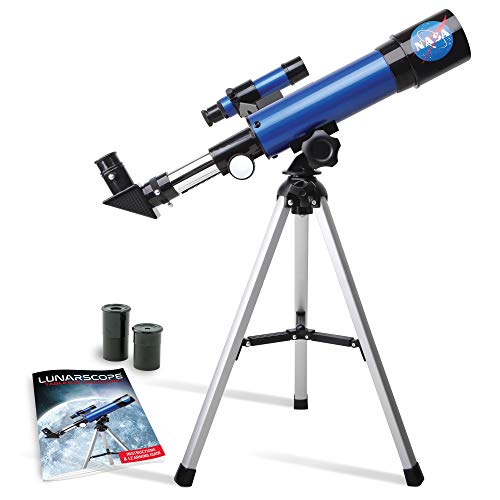
- Finder scope and two eyepieces
- Tabletop tripod with smooth mount
- NASA-branded educational design
Best For: Young beginners focused on the moon
Portable Stargazer
70mm starter telescope with accessories

- 70mm aperture, 400mm focal length
- Smartphone adapter and wireless remote
- Carry bag and adjustable tripod
Best For: Beginners who want portability and photo features
Moon Map Dobsonian
Compact tabletop telescope for beginners

- Manual tabletop Dobsonian mount
- Includes 4mm and 20mm eyepieces
- Moon map wrap and 2-year warranty
Best For: Families wanting a compact moon-viewing scope
STEM Starter Scope
100x beginner telescope with tripod

- 20x-100x magnification range
- Tripod, finder scope, and two eyepieces
- Lightweight STEM-focused beginner kit
Best For: Ages 8-12 starting astronomy and stargazing
Family Stargazing Starter Kit
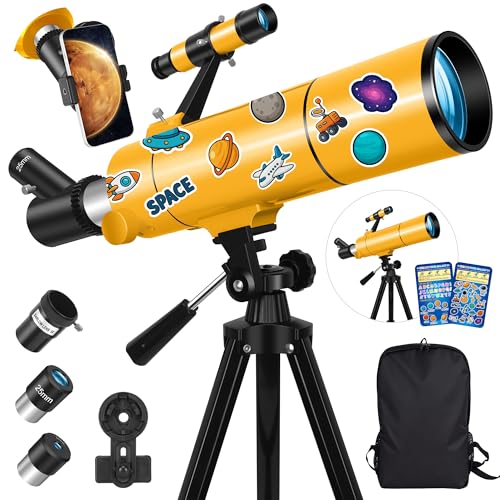
- 80mm aperture with 500mm focal length
- Includes phone adapter, backpack, and stickers
- Adjustable tripod suits kids and adults
Best For: Families wanting a portable beginner telescope kit
Moon-Viewing Beginner Pick

- Made for ages 6 to 12
- Includes tripod, eyepieces, and Barlow lens
- Moon guide supports hands-on learning
Best For: Younger beginners who want a simple first telescope
Decorate-and-Observe Kit
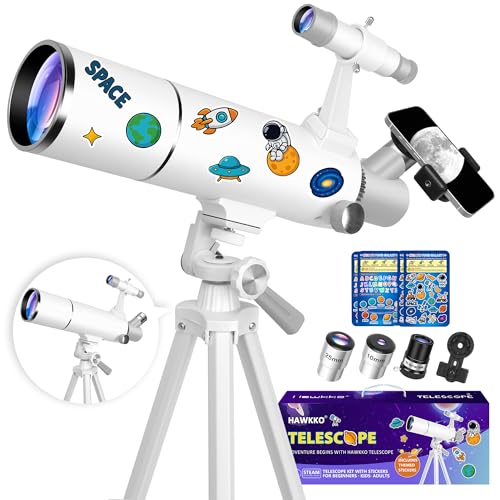
- 80mm multi-coated lens for brighter viewing
- 20X to 150X range for sky and daytime use
- Includes stickers and a phone adapter
Best For: Kids who want a customizable beginner telescope
Moon-Ready Starter Scope
50mm Beginner Telescope for Kids 6-12

- 20x-100x magnification for Moon and beginner viewing
- Includes tripod, finderscope, 2 eyepieces, and Barlow lens
- Lightweight, portable design for backyard and camping use
Best For: Kids ages 6-12 who want a simple first telescope for astronomy and STEM learning
Versatile Family Explorer
70mm Portable Refractor Telescope
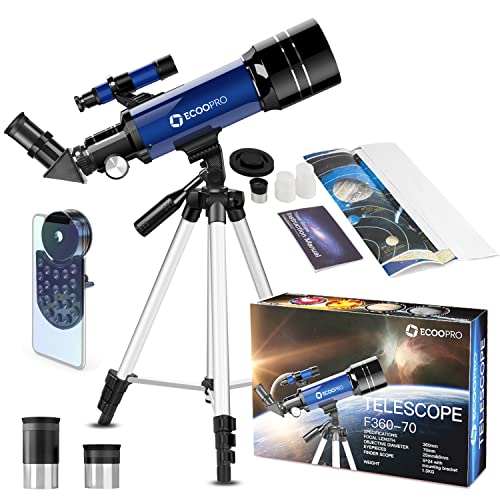
- 70mm aperture with fully multi-coated optics for brighter views
- 51X-128X magnification from two included eyepieces
- Quick-release setup with tripod and phone adapter included
Best For: Families wanting a beginner telescope that works for both stargazing and daytime nature viewing
Personalized Pink Starter Scope
Unicorn Telescope for Girls 6-12

- 20x-100x magnification for Moon and beginner sky viewing
- DIY unicorn stickers add a fun personalization element
- Includes tripod, finderscope, 2 eyepieces, and Barlow lens
Best For: Girls ages 6-12 who want a decorative first telescope for stargazing and STEM play
NASA Lunar Pick – Beginner moon-viewing tabletop scope
If you’re comparing tabletop telescopes for kids, this NASA Lunar Telescope is built around easy moon viewing and simple setup. The included finder scope, low-power and high-power eyepieces, and tabletop tripod make it a practical starter option for young beginners who want a closer look at the lunar surface.
Best For: Kids ages 8-12 who are just starting out and want a simple moon telescope for family stargazing.
Pros:
- Finder scope helps locate the moon before switching to higher magnification.
- Includes a tabletop tripod and smooth mount system for steadier viewing.
- Two eyepieces give beginners an easy way to start low and zoom in.
- NASA branding and learning guide add educational appeal.
Cons:
- Best suited to moon viewing rather than broader deep-sky observing.
- Tabletop design works best on a stable surface, not as a full-size field setup.
Overall, this is a straightforward beginner telescope that focuses on the moon and keeps the learning curve manageable. It makes sense for parents who want a kid-friendly first telescope with a clear educational angle.
Portable Stargazer – 70mm starter telescope with accessories
For families shopping tabletop telescopes for kids, this Gskyer model offers a more travel-ready refractor setup with a 70mm aperture and 400mm focal length. It comes with two eyepieces, a 3x Barlow lens, a finder scope, a smartphone adapter, and a wireless remote, so it covers both observing and casual phone imaging.
Best For: Kids and beginners who want a portable telescope for moon viewing, basic stargazing, and travel.
Pros:
- 70mm aperture and 400mm focal length provide a solid beginner refractor base.
- Includes two eyepieces plus a 3x Barlow lens for more viewing options.
- Smartphone adapter and wireless remote add easy photo-sharing features.
- Adjustable tripod and carry bag make storage and transport easier.
Cons:
- Not a true tabletop model, so it needs more floor or outdoor space than compact tabletop scopes.
- More accessories can mean a slightly busier setup for younger users.
This is a good choice if portability matters as much as first-time use. The included accessories make it more versatile than a basic starter telescope, especially for families who want to take it on trips.
Moon Map Dobsonian – Compact tabletop telescope for beginners
Among tabletop telescopes for kids, the Celestron FirstScope stands out for its simple manual Dobsonian design and compact footprint. It includes 4mm and 20mm eyepieces, a 300mm focal length, and a moon-map wrap, making it a practical pick for beginners who want a hands-on lunar viewing experience.
Best For: Kids and families who want a compact, easy-to-use tabletop telescope focused on the moon.
Pros:
- Manual tabletop Dobsonian mount is easy to understand and use.
- Moon map wrap adds a fun educational element.
- Compact and portable design fits well on a table or other stable surface.
- Includes Celestron support and a 2-year US warranty.
Cons:
- Finderscope is not included.
- Manual focus and tabletop-only design mean it is best for simple observing sessions.
This model is a strong fit if you want a kid-friendly tabletop telescope that keeps things focused and compact. It leans into moon viewing and beginner-friendly handling rather than advanced features.
STEM Starter Scope – 100x beginner telescope with tripod
If you’re shopping tabletop telescopes for kids, this Sobrzy starter scope is built for easy first-time use and hands-on STEM learning. It offers 20x to 100x magnification, a 50mm aperture, two eyepieces, a 1.5x erecting eyepiece, a finder scope, and an adjustable tripod for stable backyard viewing.
Best For: Ages 8-12 who want a simple starter telescope for moon viewing, family nights, and STEM exploration.
Pros:
- 20x-100x magnification gives beginners flexible viewing options.
- Complete starter kit includes tripod, finder scope, and two eyepieces.
- Lightweight, kid-friendly design is aimed at easy setup and use.
- Includes a lunar filter and educational focus for learning activities.
Cons:
- Best results will come from stable, careful setup and use.
- More of a beginner learning tool than a premium optics model.
This is a sensible pick for parents who want a budget-friendly first telescope that still includes the core accessories. It works well as an entry point into astronomy without overwhelming younger users.
Family Stargazing Starter Kit – 80mm Refractor Travel Scope
If you’re comparing tabletop telescopes for kids, this 80mm refractor is a strong pick for families who want more than a basic toy. It combines a larger aperture, beginner-friendly magnification, and a travel-ready kit that makes it easier to start observing the Moon, planets, and daytime scenery.
Best For: Families and beginners who want a portable, all-in-one telescope for backyard stargazing and travel.
Pros:
- 80mm aperture and 500mm focal length help gather more light for brighter, sharper views.
- Includes two eyepieces, a 3X Barlow lens, finder scope, phone adapter, and waterproof backpack.
- Adjustable aluminum tripod works for both kids and adults.
- Fun stickers make setup more engaging for younger users.
Cons:
- Manual focus means kids may need a little help getting the sharpest image.
- Higher magnification can be harder to use without a steady setup.
Overall, this is a well-rounded beginner telescope kit that feels practical for family use rather than a novelty toy. It offers useful accessories and flexible viewing options, which makes it a good choice if you want a tabletop-friendly starter scope that can grow with a child’s interest.
Moon-Viewing Beginner Pick – 50mm Kid Telescope
For shoppers focused on tabletop telescopes for kids, this 50mm beginner model keeps things simple and approachable. It is built for ages 6 to 12, comes with the essentials for first-time use, and is aimed at helping kids see the Moon clearly while learning basic astronomy.
Best For: Younger kids and first-time users who want an easy starter scope for Moon viewing and backyard astronomy.
Pros:
- Designed for kids ages 6 to 12 with a simple beginner setup.
- Includes tripod, finderscope, two eyepieces, and a Barlow lens.
- Multi-coated optics are meant to improve brightness and reduce blur.
- Moon observation guide adds a learning element for kids.
Cons:
- 50mm aperture is smaller than larger beginner scopes.
- Best suited to simple Moon and near-object viewing rather than advanced observing.
This is a practical entry-level option if you want an affordable-feeling first telescope with a kid-friendly learning focus. It keeps the setup and feature set straightforward, which can be ideal for younger beginners who are just getting started.
Decorate-and-Observe Kit – 80mm Beginner Scope
If you want tabletop telescopes for kids that feel fun but still useful, this 80mm beginner refractor stands out. It offers the same larger-aperture style many families look for, plus space-themed stickers and smartphone support to make the experience more interactive for kids and beginners.
Best For: Kids and beginner astronomers who want a larger beginner telescope with a playful, customizable kit.
Pros:
- 80mm fully multi-coated lens gathers more light than 70mm models.
- Magnification range from 20X to 150X offers flexibility for Moon, birds, and wildlife.
- Includes space-themed stickers and a smartphone adapter.
- Adjustable tripod and quick setup make it family-friendly.
Cons:
- Manual focus may take practice for children.
- Higher magnification can be more sensitive to shake.
This model is a good middle ground between fun and functionality. It has enough features to support real observing, while the included stickers and phone adapter make it more appealing for kids who want a telescope they can personalize and share.
Moon-Ready Starter Scope – 50mm Beginner Telescope for Kids 6-12
If you’re shopping for tabletop telescopes for kids, this 50mm beginner model is a practical first step into real stargazing. It’s built for ages 6-12 and includes the essentials—tripod, finderscope, two eyepieces, and a Barlow lens—so families can set it up quickly and start viewing the Moon and other bright objects without a lot of hassle.
Best For: Kids who want an easy first telescope for Moon viewing, backyard observing, and STEM-style exploration.
Pros:
- 20x-100x magnification gives kids a real entry-level range for lunar and beginner astronomy views.
- Multi-coated optics are designed to improve light transmission and reduce blur for brighter images.
- Includes tripod, finderscope, 2 eyepieces, and Barlow lens for a complete starter kit.
- Lightweight and portable for camping trips, backyard use, and family stargazing nights.
Cons:
- Manual focus means kids may need some parent help at first.
- 50mm aperture is best for the Moon and bright targets rather than deep-sky detail.
This is a solid pick if you want a true beginner telescope rather than a toy. Its strength is simplicity: easy setup, kid-friendly accessories, and enough optical capability to make early astronomy feel rewarding.
Versatile Family Explorer – 70mm Portable Refractor Telescope
Among tabletop telescopes for kids, this 70mm refractor stands out for families who want a little more flexibility. It’s designed for beginners and includes a quick-release, no-tools setup, plus a tripod, two eyepieces, a finder scope, and a phone adapter, making it easy to use for moonwatching, daytime viewing, and simple outdoor exploration.
Best For: Kids and families who want a more versatile beginner telescope for astronomy, travel, and daytime nature viewing.
Pros:
- 70mm aperture and fully multi-coated optics are built to deliver brighter, sharper images.
- Two eyepieces provide usable magnification options from 51X to 128X.
- No-tools, quick-release setup makes it easy to start observing fast.
- Includes an adjustable aluminum tripod and phone adapter for added flexibility.
Cons:
- It’s larger and heavier than smaller kid-focused starter scopes.
- Manual focusing means younger children may need guidance to dial in a clear image.
This model makes sense if you want a telescope that can grow with a child and handle more than just the Moon. The bigger aperture and extra accessories make it a practical all-around option for curious beginners.
Personalized Pink Starter Scope – Unicorn Telescope for Girls 6-12
If you’re comparing tabletop telescopes for kids and want something with a more personal, gift-ready feel, this pink-and-purple beginner scope is a fun option. It keeps the same starter-friendly setup as other kids models—tripod, finderscope, two eyepieces, and a Barlow lens—while adding unicorn stickers so children can decorate it themselves.
Best For: Girls ages 6-12 who want a beginner telescope with a creative DIY touch and simple astronomy features.
Pros:
- 20x-100x magnification gives kids a real range for Moon, stars, and distant landscape viewing.
- Includes tripod, finderscope, 2 eyepieces, and Barlow lens for a complete beginner kit.
- DIY unicorn stickers make it feel more personal and engaging for young users.
- Multi-coated optics are designed for bright, sharp images with reduced distortion.
Cons:
- It’s age-targeted toward girls, so the style may not suit every child.
- The focus is on beginner use, not advanced sky detail.
This telescope is a strong gift pick if presentation matters as much as function. It keeps the setup simple while adding a decorative, hands-on element that can make first-time stargazing more exciting.
How We Picked the Best Tabletop Telescopes for Kids
We selected Tabletop Telescopes for Kids based on beginner-friendly setup, portability, stable mounting, useful optics, and overall value for family astronomy. We also favored models with accessories that help kids aim, focus, and learn without needing advanced experience.
Quick Comparison
For most families, the best choice depends on age and patience level. Smaller 50mm models are usually the easiest for younger kids and casual Moon viewing, while 70mm and 80mm options can provide brighter, more satisfying views if a child is ready for a slightly bigger setup. Manual tabletop designs tend to be compact and convenient, while tripods can offer a little more flexibility in placement.
Key Buying Factors for Tabletop Telescopes for Kids
Aperture
Aperture matters more than extreme magnification. A wider aperture gathers more light, which usually means clearer and brighter images. For Tabletop Telescopes for Kids, 50mm is a simple entry point, while 70mm to 80mm often offers a better long-term viewing experience.
Magnification
Big magnification claims can be misleading. Lower, realistic magnification is often easier to use and produces sharper views. For beginners, a telescope that performs well on the Moon and bright objects is usually more valuable than one advertising the highest number.
Stability and Ease of Use
Kids benefit from a stable mount, easy-to-turn controls, and quick assembly. If a telescope shakes too much or takes too long to align, interest can fade fast. Compact tabletop designs work best when the base feels secure and the optics are easy to point.
Included Accessories
Finder scopes, two eyepieces, and simple phone or adapter support can make a real difference. These extras help children find targets faster and stay engaged longer.
Who Should Buy Which Tabletop Telescopes for Kids?
If you want the easiest starter option, choose a smaller, lightweight model with simple controls and a modest aperture. If your child is especially curious about lunar detail or you want a telescope that can grow with them, look for a 70mm or 80mm model with better light gathering and a more capable accessory bundle.
For families, the most practical choice is usually one of the better-balanced Tabletop Telescopes for Kids that combines portability, solid optics, and low frustration. That way, the telescope gets used more often, which is the real goal.