Choosing the right kit can make the difference between memorizing electronics and actually understanding how circuits work. The best analog electronics kits for students give beginners a safe, engaging way to practice wiring, soldering, signal flow, and component identification.
Below, you’ll find ten classroom- and home-friendly options that help students build confidence through guided projects, useful parts, and real hands-on learning.
Best 10 Analog Electronics Kits for Students Picks for 2026
Physics Lab Starter
Electricity and Magnetism Experiment Kit
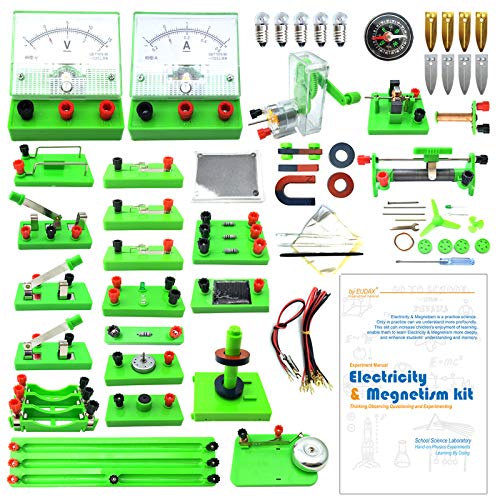
- Color manual included for guided learning
- 56 electricity items plus 21 magnetism items
- Build circuits, electromagnets, and generators
Best For: High school beginners learning core electricity and magnetism
Ultimate Arduino Lab
Mega 2560 Starter Kit with Guided Lessons

- Over 200 components included
- 35+ guided lessons with PDF tutorial
- Compatible with Arduino IDE and Mega 2560 board
Best For: Youth learners starting electronics and Arduino programming
Hands-On Circuit Giant
Snap Circuits Extreme SC-750R with Study Guide

- Over 750 unique projects
- Includes student training program and study guide
- Adds analog meter, solar cell, and interface
Best For: Kids 8+ who want a huge catalog of guided circuit builds
Component Bulk Pack
1818PCS Electronics Assortment Kit
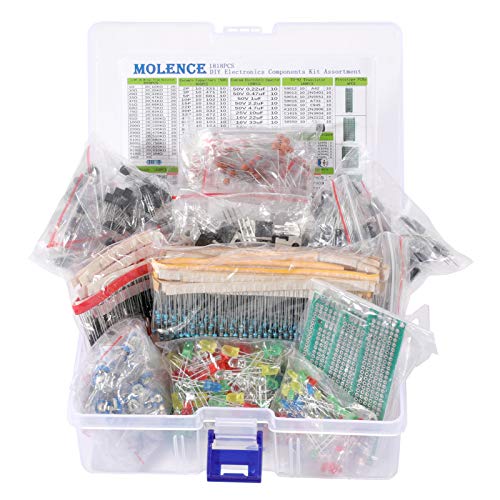
- 1818 total components for prototyping
- Includes resistors, capacitors, transistors, and LEDs
- Reusable storage case included
Best For: Experienced students needing a broad parts assortment
Starter Soldering Clock Kit

- Beginner-friendly soldering practice kit
- Clear marks, big pads, color manual
- Builds into a usable digital clock
Best For: Students, teachers, and beginner soldering practice
Analog IC Starter Set

- 161 pieces across 20 IC models
- Includes op-amps, 555 timers, comparators
- Comes with compartments, pin table, and plier
Best For: Students and hobbyists needing common analog ICs
Music Soldering Project Kit
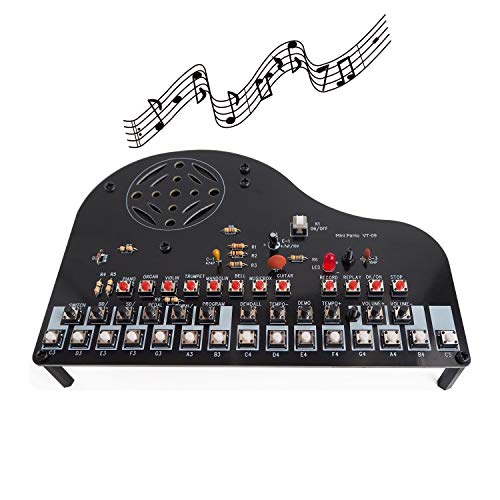
- Multiple sound effects for a fun build
- Clearly marked board and English manual
- Playable finished project with speaker
Best For: Kids and STEM beginners who like interactive soldering projects
Beginner-Friendly Arduino Learning Kit
DFRobot Basic Electronics Starter Kit

- 83 labeled components included
- 12 step-by-step tutorials
- UNO R3 and Arduino IDE compatible
Best For: College STEM students and beginners starting with guided Arduino-style projects
Interactive STEM Classroom Kit

- Covers analog and digital circuits
- Includes interactive curriculum and videos
- Good for classroom or self-paced use
Best For: Students and educators who want a guided, well-rounded Arduino learning kit
Soldering Practice Project Kit

- 81-LED soldering practice board
- Two knobs control pattern speed
- USB or battery power options
Best For: Beginners who want a hands-on soldering project with adjustable light effects
Physics Lab Starter – Electricity and Magnetism Experiment Kit
If you want analog electronics kits for students that emphasize hands-on circuit building, this EUDAX set is a solid classroom-style starting point. It focuses on basic electricity and magnetism experiments, with a color manual and enough parts to work through common STEM activities like series and parallel circuits, a fruit battery, and a hand crank generator.
Best For: High school students in grades 9-11 who are learning basic electricity, magnetism, and simple circuit concepts through guided experiments.
Pros:
- Includes 56 electricity items and 21 magnetism items, plus repair tools and a color manual.
- Supports multiple experiments such as Ohm’s law, electromagnet, and electric bell building.
- Designed as a hands-on STEM kit for exploratory learning.
- Comes stored in a bag for easier organization and transport.
Cons:
- Batteries are not included and 3 AA batteries are required.
- More of a fundamentals kit than a deep electronics lab.
This is a practical pick for students who need a broad introduction to electricity and magnetism rather than a coding-focused platform. It’s best when the goal is to see core concepts in action with simple, guided builds.
Ultimate Arduino Lab – Mega 2560 Starter Kit with Guided Lessons
For students who want analog electronics kits for students with a path into programming, this ELEGOO Mega 2560 starter kit offers a large parts count and a tutorial-driven approach. It includes over 200 components and more than 35 guided lessons, making it a practical choice for learning electronics, logical thinking, and basic Arduino-based projects.
Best For: Youth learners who want a broad starter kit for electronics, coding, and guided project work with Arduino IDE.
Pros:
- Includes over 200 components for a wide range of experiments.
- Comes with a PDF tutorial and more than 35 lessons.
- Compatible with Arduino IDE and includes a Mega 2560 controller board.
- Includes useful parts like LCD1602 and GY-521 modules, plus organized storage.
Cons:
- Better suited to students ready for programming as well as electronics.
- Component count is broad, but some projects will still require careful setup.
This is a strong all-around starter kit if you want more than a basic circuit toy and are comfortable moving into coding. The guided lessons and large assortment make it especially useful for structured learning at home or in class.
Hands-On Circuit Giant – Snap Circuits Extreme SC-750R with Study Guide
This Snap Circuits set is a strong option if you’re comparing analog electronics kits for students and want a safe, fast-moving build experience. It includes 80+ pieces, a student training program with study guide, and more than 750 unique projects, so students can keep experimenting while learning core electrical ideas through hands-on play.
Best For: Kids ages 8+ who want a highly interactive introduction to electronics with a large number of projects.
Pros:
- Builds over 750 unique projects with 80+ pieces.
- Includes a student training program and study guide.
- Features extras like an analog meter, solar cell, and CI-73 computer interface.
- Designed as a safe, fun way to learn basic electrical engineering concepts.
Cons:
- Project style is more snap-together than traditional breadboard electronics.
- May feel toy-like for students seeking deeper component-level assembly.
For younger learners, this kit stands out because it combines volume, variety, and structured instruction. It’s a good fit when the goal is sustained exploration rather than soldering or raw component assembly.
Component Bulk Pack – 1818PCS Electronics Assortment Kit
If you need analog electronics kits for students that focus on raw parts rather than step-by-step projects, this 1818-piece assortment is a practical bench supply. It bundles resistors, capacitors, transistors, LEDs, diodes, prototype PCBs, potentiometers, and voltage regulators, making it useful for building and replacing components across Arduino, Raspberry Pi, and microcontroller projects.
Best For: Students and hobbyists who already know basic electronics and need a large organized parts assortment for experimentation and prototyping.
Pros:
- Large 1818-piece selection covers many common component types.
- Includes resistors, capacitors, transistors, LEDs, diodes, and more.
- Compatible with Arduino UNO, MEGA, Raspberry Pi, PLC, and microcontrollers.
- Comes in a reusable storage case for easier carrying and sorting.
Cons:
- Does not include a structured lesson plan or project guide.
- Best for users who can design or follow their own circuits.
This is the most parts-heavy option in the group, so it makes sense when the student already has a project idea or needs a replenishable component bin. It’s less of a beginner teaching kit and more of a flexible electronics inventory.
Starter Soldering Clock Kit – 4-Digit Digital Clock Project
If you’re comparing analog electronics kits for students, this 4-digit digital clock kit is a straightforward pick for learning soldering basics while ending up with something useful. The board has clear marks, big pads, and a full-color step-by-step manual, which makes it a friendly choice for beginners and classroom practice.
Best For: Students, teachers, and beginners who want a simple soldering project with a practical finished result.
Pros:
- Clear board markings and large pads make soldering easier for starters.
- Includes a full-color instruction manual for step-by-step assembly.
- Can run on 2 AA batteries or a DC 5V power cord.
- Finished project is a working digital clock, not just a practice board.
Cons:
- Focused on basic soldering practice rather than broader circuit exploration.
- Requires assembly before it becomes usable.
This kit is best viewed as a practical beginner project: it teaches hands-on soldering, is suitable for school or home use, and ends with a functional clock that can be displayed or used daily.
Analog IC Starter Set – 161-Piece Assortment
For shoppers building analog electronics kits for students, this IC assortment is a compact way to stock up on common chips used in op-amp, timer, oscillator, and power-control projects. The set includes 161 pieces across 20 models, each stored in its own compartment with a pin assignment table, so it works well as a parts reference for labs or training benches.
Best For: Students and hobbyists who need a broad assortment of common analog ICs for experiments and circuit builds.
Pros:
- Includes 161 pieces across 20 IC models for a wide parts mix.
- Covers common chips like LM358, LM324, UA741, NE555, and LM393.
- Individual compartments and a pin assignment table help keep parts organized.
- IC plier is included for easier handling.
Cons:
- It is a chip assortment, not a full build kit with instructions or finished project.
- Best for users who already know what to do with ICs.
This set is a practical add-on or reference kit for electronics learning, especially if the goal is to experiment with common analog ICs rather than assemble one dedicated project.
Music Soldering Project Kit – DIY Piano Sound Board
This music-themed option stands out among analog electronics kits for students because it combines soldering practice with a playful finished project. The kit includes clearly marked board areas, an English manual, and multiple sound effects, making it a fun way for beginners to practice assembly while building something interactive.
Best For: Kids, beginners, and STEM learners who want a fun soldering project with sound effects.
Pros:
- Offers piano sound plus multiple alternate sounds, including guitar, violin, and bell.
- Clearly marked board helps users place components correctly.
- Comes with an English instruction manual and packed presentation box.
- Finished build is a playable, piano-shaped project with a speaker.
Cons:
- Requires 3 AA batteries, which are not included.
- More of a themed project than a general-purpose electronics learning kit.
If you want a student-friendly project that feels engaging instead of purely technical, this kit adds variety and a fun payoff while still supporting soldering practice and STEM learning.
Beginner-Friendly Arduino Learning Kit – DFRobot Basic Electronics Starter Kit
If you want analog electronics kits for students that make first-time circuit building feel manageable, this DFRobot starter kit is built around learning by doing. It includes 83 labeled components, an UNO R3 compatible board, sensors, LEDs, resistors, and a USB cable, plus 12 guided tutorials that move from simple circuits to more advanced projects.
Best For: College STEM students and beginners who want a complete, frustration-free introduction with step-by-step guidance.
Pros:
- 83 components are included, so you can begin building without extra purchases.
- Black-labeled parts make sorting and identification much easier for beginners.
- 12 progressive tutorials include wiring diagrams, sample code, and principle explanations.
- 22-gauge jumper wires and technical support add durability and learning support.
Cons:
- Focused on beginner learning, so it may feel basic for more advanced users.
- Best suited to Arduino IDE-based projects rather than broader electronics experimentation.
This is a practical pick if you want a structured starter path rather than a loose collection of parts. The combination of labeled components and guided projects makes it especially approachable for students who need clear direction.
Interactive STEM Classroom Kit – Arduino Student Kit
Among analog electronics kits for students, the Arduino Student Kit stands out for combining hands-on building with a structured curriculum. It is designed for beginners and classrooms, with projects that teach digital and analog circuits, sensors, actuators, and microcontroller programming through the Arduino IDE.
Best For: Students, teachers, and self-paced learners who want a broad STEM curriculum with interactive instruction.
Pros:
- Includes a wide range of components such as LEDs, resistors, capacitors, motors, sensors, and a breadboard.
- Projects cover practical builds like a traffic light, light-sensitive lamp, and motion-activated alarm.
- Interactive curriculum includes step-by-step tutorials, video support, and online resources.
- Designed for electronics, programming, and STEM education in classroom or self-study settings.
Cons:
- Requires engagement with the curriculum to get the most value.
- More of a learning system than a single-purpose project kit.
This kit is a strong choice if you want a full learning experience rather than just hardware. Its mix of projects and instruction makes it a good fit for students who need both concept-building and hands-on practice.
Soldering Practice Project Kit – ICSTATION LED Chasing Board
If your goal is to build hands-on soldering confidence, this ICSTATION LED chasing kit is a more focused option than typical analog electronics kits for students. It centers on assembling an LED pattern board with 81 LEDs, knob-controlled speed adjustment, and clear power options for either USB or battery use.
Best For: Students and hobbyists who want a soldering practice project with visible, adjustable light patterns.
Pros:
- Good for beginner soldering practice and skill building.
- Two potentiometers let you adjust pattern movement speed.
- USB power or battery-case power makes it flexible and portable.
- 81 LEDs create a visually engaging finished project.
Cons:
- Requires careful component placement and solid solder joints.
- More of a single build project than a broad electronics learning kit.
- Instructions must be downloaded separately from the product guides section.
This kit is best when you want a practical soldering exercise with a clear result at the end. It is less comprehensive than a full starter system, but it does offer a focused way to practice assembly and control basics.
How We Picked the Best Analog Electronics Kits for Students
We focused on kits that are genuinely useful for student learning, not just novelty projects. Priority went to clear instructions, educational value, component variety, beginner-friendly assembly, and options that support both classroom instruction and self-paced practice. We also considered whether each kit helps students build core skills like reading schematics, handling passive components, understanding timing circuits, and practicing soldering safely.
Quick Comparison: What Different Kits Are Best for
Some Analog Electronics Kits for Students are best for circuit exploration and breadboarding, while others are better for soldering practice or broader STEM curriculum support. Starter kits with microcontroller boards are ideal when you want a bridge between basic electronics and programmable projects. Component assortments are best as lab supplements, and dedicated solder kits work well for skill-building and repetition.
Key Buying Factors for Analog Electronics Kits for Students
Learning Goal
Match the kit to the student’s objective. If the goal is fundamentals, look for resistor, capacitor, diode, transistor, timer, and op-amp practice. If the goal is fabrication, choose soldering kits. If the goal is classroom experimentation, pick kits with guided labs and structured projects.
Age and Skill Level
Beginners usually need labeled parts, simple instructions, and forgiving project design. More advanced students can handle mixed-component kits, sensor-based builds, and kits that require reading documentation or troubleshooting.
Parts Quality and Reusability
Good kits should include durable components and enough quantity for repeated experiments. Reusable boards, organized storage, and replacement-friendly parts matter a lot in student settings where mistakes are part of the process.
Instructional Support
For Analog Electronics Kits for Students, strong guides are just as important as the hardware. Look for PDF manuals, lesson plans, project walkthroughs, or curriculum tie-ins that explain not only what to build but why it works.
Who Should Buy Which Analog Electronics Kits for Students?
If you’re shopping for a complete beginner, choose a structured starter kit with clear tutorials and labeled components. If you need classroom lab materials, a mixed assortment or curriculum-focused exploration kit may be the most flexible option. For hands-on learners who want to practice assembly, soldering project kits are a smart choice. For students moving toward more advanced electronics, kits with ICs, timers, and op-amp components offer a stronger foundation in analog behavior and signal control.
The best choice depends on whether you want broad exposure, repeatable practice, or a more focused skill set. A well-matched kit keeps students engaged while building real confidence with electronics.