A vertical mouse can reduce the wrist twisting associated with a traditional mouse while keeping everyday Windows navigation, office work, and creative tasks comfortable. The best choice depends on hand size, grip angle, connection options, and the controls you need.
We compared 10 vertical mice for Windows across ergonomic design, wireless reliability, button layouts, battery systems, and overall usability. Use the guide below to narrow the list to the model that best matches your workspace and routine.
Best 10 Vertical Mice for Windows Picks for 2026
Premium Wireless Pick

- Bluetooth and USB receiver connectivity
- 4,000 DPI optical tracking
- About four months of battery life
Best For: Windows users wanting premium wireless ergonomics
Quiet Productivity Pick
UGREEN Ergonomic Wireless Mouse

- Bluetooth and 2.4G wireless modes
- Quiet five-button design
- Four DPI settings up to 4,000
Best For: Medium- to large-handed office users
Ergonomist-Tested Choice

- 57-degree vertical angle
- 4,000 DPI sensor with speed switch
- Textured grip and thumb rest
Best For: Right-handed users focused on wrist posture
Budget 2.4G Pick

- 2.4G USB receiver connectivity
- Three DPI settings up to 1,600
- Forward and back browsing buttons
Best For: Budget-conscious Windows office users
Best Overall
Logitech Lift Vertical Ergonomic Wireless Mouse
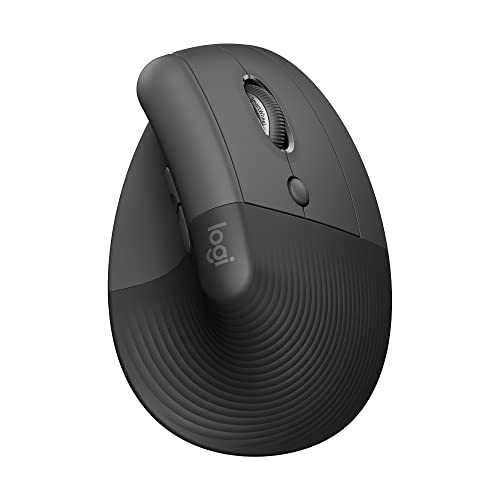
- 57-degree design with textured grip and thumb rest
- Bluetooth and Logi Bolt support for Windows 10/11
- Quiet clicks and up to two years of battery life
Best For: Small to medium right-handed Windows users seeking a refined ergonomic mouse
Best Rechargeable Multi-Device Pick
ProtoArc EM11 NL Vertical Mouse

- Supports two Bluetooth connections plus USB-A 2.4G
- Rechargeable 500mAh battery with Type-C charging
- Designed for hands under 7.5 inches long
Best For: Small to medium right-handed users switching among multiple devices
Best Quiet Budget-Style Option
seenda 52-Degree Vertical Mouse

- 52-degree grip for small to medium right hands
- USB receiver plus two Bluetooth channels
- Quiet clicks tested under 40 dB
Best For: Quiet Windows workspaces needing simple multi-device connectivity
Performance Vertical Pick

- Six-button ergonomic design with wrist-supporting base
- Connects to up to five devices
- Up to six months of battery life
Best For: Windows 11 users wanting advanced controls and high-precision tracking
Left-Handed Comfort Pick
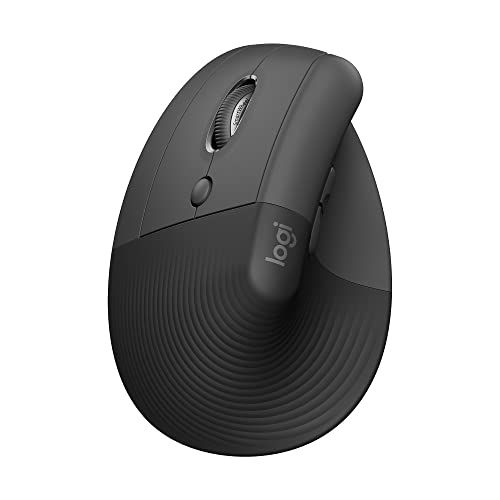
- Sculpted for small to medium left hands
- 57-degree ergonomic vertical design
- Up to two years of battery life
Best For: Left-handed Windows users seeking quiet, comfortable office use
Everyday Right-Handed Pick

- Designed for small to medium right hands
- Quiet clicks and SmartWheel scrolling
- Bluetooth and Logi Bolt connectivity
Best For: Right-handed Windows users seeking comfortable everyday productivity
Premium Wireless Pick – Logitech MX Vertical
The Logitech MX Vertical is a strong option among vertical mice for windows users who want a wireless ergonomic design with precise tracking. Its adjustable angle, 4,000 DPI optical sensor, and Bluetooth or USB connectivity suit everyday office work.
Best For: Windows users seeking a premium wireless ergonomic mouse with flexible connectivity.
Pros:
- Vertical design and adjustable angle help promote a more comfortable wrist position.
- Connects through Bluetooth or a USB receiver.
- 4,000 DPI optical tracking supports precise cursor control.
- Included battery offers an average four-month life.
Cons:
- Only four buttons are listed.
- Requires at least Windows 8 according to the supplied specifications.
The MX Vertical combines a comfortable shape with dependable wireless options and long battery life. It is a practical choice if you want a polished ergonomic mouse for Windows and macOS workstations.
Quiet Productivity Pick – UGREEN Ergonomic Wireless Mouse
The UGREEN Ergonomic Wireless Mouse stands out among vertical mice for windows users who want quiet clicks, multiple connection options, and adjustable sensitivity. Its vertical handshake design is intended for medium to large hands.
Best For: Medium- to large-handed users who need quiet, multi-device wireless productivity.
Pros:
- Supports Bluetooth and 2.4G wireless connections with up to 10 meters of range.
- Can switch between up to three devices.
- Quiet clicks and a five-button layout suit office work.
- Offers four DPI settings from 1,000 to 4,000.
Cons:
- The right-handed design may not suit left-handed users.
- Not recommended for small hands; the hand-size guide should be checked.
- Uses one AA battery, which is not rechargeable according to the supplied details.
With broad operating-system compatibility, quiet operation, and dual wireless modes, this UGREEN model is versatile for Windows workstations. Its fit is the main consideration, particularly for smaller hands.
Ergonomist-Tested Choice – Logitech MX Vertical Graphite
The Logitech MX Vertical Graphite is designed for Windows users who prioritize a pronounced ergonomic shape. Its 57-degree angle, thumb rest, textured grip, and 4,000 DPI sensor target comfortable, precise daily use.
Best For: Right-handed Windows users looking for a carefully shaped ergonomic mouse with cursor-speed control.
Pros:
- 57-degree vertical angle is intended to reduce wrist pressure.
- Natural handshake position and thumb rest support a relaxed grip.
- 4,000 DPI sensor and cursor-speed switch provide adjustable control.
- Wireless operation includes a receiver and USB-C cable.
Cons:
- The mouse is designed for right-handed use.
- It has four buttons.
- Its listed battery life is about four months.
This model offers a focused ergonomic design backed by user testing and ergonomist-oriented criteria. It makes sense for Windows users who value posture-focused shaping and precise cursor adjustment over a larger button count.
Budget 2.4G Pick – Anker Wireless Vertical Mouse
The Anker 2.4G Wireless Ergonomic Mouse is a straightforward choice among vertical mice for windows users who want a right-handed design and USB receiver connectivity. It uses optical tracking, browsing buttons, and replaceable AAA batteries.
Best For: Windows users seeking an affordable, simple wireless vertical mouse for everyday browsing and office work.
Pros:
- Neutral handshake shape is designed to reduce wrist and arm strain.
- Includes next and previous buttons for convenient webpage navigation.
- Three DPI settings—800, 1,200, and 1,600—offer basic sensitivity control.
- Power-saving mode activates after eight minutes of inactivity.
Cons:
- Uses a 2.4G USB receiver rather than Bluetooth.
- Requires two AAA batteries, which are not included.
- Click sounds are unavoidable according to the supplied notes.
The Anker keeps things simple with familiar USB wireless connectivity and useful browser controls. It is a practical entry-level option if you do not need Bluetooth or high-DPI tracking.
Best Overall – Logitech Lift Vertical Ergonomic Wireless Mouse
The Logitech Lift is a polished choice among vertical mice for windows, especially for right-handed users with small to medium hands. Its 57-degree design, textured grip, thumb rest, quiet clicks, and flexible Bluetooth or Logi Bolt connectivity make it well suited to long work sessions.
Best For: Windows users wanting a comfortable, established ergonomic mouse with long battery life and versatile wireless connections.
Pros:
- 57-degree vertical shape encourages a more natural forearm and wrist posture.
- Bluetooth and Logi Bolt connectivity support Windows 10 and Windows 11 devices.
- Whisper-quiet clicks, SmartWheel scrolling, and customizable buttons support focused work.
- Included AA battery provides up to two years of battery life.
Cons:
- Right-handed design is not suitable for left-handed users.
- Designed for small to medium hands, so larger hands may need another fit.
- Only four buttons are listed.
The Lift stands out for its combination of comfort features, quiet operation, broad compatibility, and exceptionally long stated battery life. It is a strong all-around pick if you prefer a refined wireless experience over rechargeable power.
Best Rechargeable Multi-Device Pick – ProtoArc EM11 NL Vertical Mouse
The ProtoArc EM11 NL is a practical option among vertical mice for windows if you want a rechargeable design and connections for several devices. It supports Bluetooth and a USB-A receiver, with adjustable DPI, navigation buttons, and a vertical grip intended for hands under 7.5 inches long.
Best For: Small to medium right-handed users who regularly switch among up to three Windows, Mac, or Android devices.
Pros:
- Connects with dual Bluetooth channels and a 2.4G USB-A receiver.
- Built-in 500mAh battery recharges through the included Type-C cable.
- Three DPI settings—1000, 1600, and 2400—allow sensitivity adjustments.
- Quiet left and right clicks and forward/back buttons support office navigation.
Cons:
- The USB receiver is USB-A; no USB-C receiver is included.
- Forward and back buttons are not compatible with Mac OS systems.
- The vertical shape may require one to two weeks of adjustment.
Choose the EM11 NL when rechargeable power and three-device connectivity matter more than a compact design. Measure your hand first, and plan for an adjustment period before judging the vertical shape.
Best Quiet Budget-Style Option – seenda 52-Degree Vertical Mouse
The seenda ergonomic mouse offers a straightforward choice among vertical mice for windows, with a 52-degree grip, quiet left and right buttons, and three-device wireless switching. Its purple matte finish and silicone thumb rest add a distinctive look while keeping the focus on everyday office, study, and home use.
Best For: Small to medium right-handed Windows users who want quiet operation, adjustable DPI, and simple multi-device switching.
Pros:
- 52-degree vertical design helps place the hand in a more natural handshake position.
- Switches among a USB receiver and two Bluetooth channels.
- Left and right buttons are tested under 40 dB for quieter shared spaces.
- Offers 1000, 1600, and 2400 DPI settings plus forward and back buttons.
Cons:
- Requires one AA battery, which is not included.
- Forward and back buttons are not supported on macOS.
- Right-handed design limits use for left-handed users.
The seenda is a sensible fit for quieter workspaces and users who value easy switching between a computer, laptop, and tablet. Its replaceable battery keeps setup simple, though you will need to supply the AA battery.
Performance Vertical Pick – Razer Pro Click V2 Vertical
For shoppers comparing vertical mice for windows, the Razer Pro Click V2 Vertical stands out as a feature-rich right-handed option. Its handshake-style shape, wrist-supporting base, six buttons, and Windows 11 compatibility suit demanding desktop workflows.
Best For: Windows 11 users who want advanced controls, multi-device connectivity, and high-precision tracking.
Pros:
- Angled six-button design and base support encourage a more natural hand position.
- Connects with up to five devices through HyperSpeed Wireless, Bluetooth, or wired mode.
- Offers up to six months of battery life and quick USB-C charging.
- 30,000 DPI optical sensor is rated for tracking on glass, with 60-million-click mechanical switches.
Cons:
- Designed for right-handed use only.
- Requires Windows 11 according to the supplied compatibility details.
- Its extensive RGB and performance features may be more than basic office users need.
The Razer is the strongest choice here for buyers who prioritize customization, connectivity, and sensor performance alongside a vertical shape. It is less appealing if you want a simple, compact office mouse.
Left-Handed Comfort Pick – Logitech Lift Left-Handed
Among vertical mice for windows, the left-handed Logitech Lift is a practical choice for small to medium left hands. Its 57-degree upright shape, soft grip, thumb rest, and quiet clicks are designed for comfortable day-long computer use.
Best For: Left-handed Windows users with small to medium hands who want quiet, ergonomic wireless control.
Pros:
- Left-handed sculpting includes a contoured grip and snug thumb rest.
- Ergo-certified design promotes a more natural forearm posture.
- Supports Bluetooth Low Energy and Logi Bolt USB connectivity.
- Battery life is rated for up to two years.
Cons:
- Limited to four buttons.
- Its 4,000 DPI maximum sensitivity is lower than the Razer model in this roundup.
- The supplied compatibility details list Windows 10 and Windows 11, rather than older Windows versions.
The Lift is a particularly compelling option when handedness is the deciding factor. Its simple control layout and long battery life make it well suited to office work, while Bluetooth and Logi Bolt provide flexible connection options.
Everyday Right-Handed Pick – Logitech Lift Rose
The rose Logitech Lift is an approachable option for shoppers seeking vertical mice for windows and everyday productivity. Built for small to medium right hands, it combines a 57-degree upright profile with a textured grip, thumb rest, quiet clicks, and smooth SmartWheel scrolling.
Best For: Right-handed Windows users who want a comfortable wireless mouse for routine work and laptop use.
Pros:
- Right-handed ergonomic shape supports a more natural forearm posture.
- Soft textured grip, thumb rest, and whisper-quiet clicks suit extended use.
- Works through Bluetooth Low Energy or the included Logi Bolt USB receiver.
- Provides up to two years of battery life.
Cons:
- Designed for small to medium right hands.
- Has four buttons and a 4,000 DPI maximum sensitivity.
- The rose finish may not suit buyers seeking a neutral color.
This Lift model keeps the focus on comfort and uncomplicated productivity rather than gaming-oriented specifications. It is a sensible Windows choice for users who prefer a right-handed vertical design and flexible wireless connectivity.
How We Picked the Best Vertical Mice for Windows
We focused on features that matter during extended Windows use rather than judging appearance alone. Our comparison considers the shape and angle of each mouse, hand orientation, tracking performance, connection methods, programmable or shortcut buttons, charging or battery requirements, and the practical value of each model.
Compatibility is also important. Bluetooth can keep a laptop setup tidy, while a 2.4GHz receiver may provide straightforward plug-and-play use on desktops. Models that support both connection types offer more flexibility, particularly for users who switch between computers.
Quick Comparison
| What to compare | Best for | Why it matters |
|---|---|---|
| Steep vertical shape | Users prioritizing wrist neutrality | Encourages a handshake-style grip, though it may require an adjustment period |
| Moderate 52°-style angle | Balanced comfort and familiarity | Offers ergonomic support without feeling as dramatically different |
| Bluetooth and 2.4GHz | Multi-device users | Provides flexible connection options for laptops and desktops |
| Rechargeable battery | Frequent daily use | Reduces disposable battery replacements |
| Extra buttons | Productivity and shortcuts | Can speed up browser navigation, editing, and application commands |
Key Buying Factors for Vertical Mice for Windows
Shape, Angle, and Hand Size
Vertical Mice for Windows vary from moderately tilted designs to highly upright models. A steeper angle may feel more natural if wrist rotation is your main concern, but a less extreme shape can be easier to learn. Check the product dimensions and consider whether your fingers can reach the scroll wheel and side buttons without stretching.
Right- or Left-Handed Design
Most ergonomic vertical mice are sculpted for the right hand. Left-handed users should choose a specifically left-handed model rather than relying on a symmetrical design. Confirm the orientation before ordering, especially when product names are otherwise similar.
Connectivity and Windows Features
Bluetooth is convenient for modern laptops and tablets, while a USB receiver is useful for PCs without dependable Bluetooth. If you use multiple devices, look for easy switching or support for both wireless standards. Extra buttons may be configurable through manufacturer software, but basic pointer and scroll functions should work without it.
Power, Noise, and Desk Space
Rechargeable models are convenient for regular use, while replaceable batteries can be helpful when you need an immediate swap. Quiet clicks are preferable in shared offices or bedrooms. Also allow enough room for the taller body and wider palm rest typical of a vertical mouse.
Who Should Buy Which Vertical Mice for Windows?
Choose a steep, full-size vertical design if reducing forearm rotation is your highest priority and you have enough desk space. Pick a moderately angled model if you want an easier transition from a conventional mouse. Travelers and laptop users should prioritize Bluetooth and a compact footprint, while desk-based power users may prefer extra buttons and software customization.
Right-handed shoppers have the widest selection, but left-handed users should begin with the dedicated left-hand option. If comfort is uncertain, buy from a retailer with a clear return policy and allow several work sessions for your grip to adapt.