Educational games can turn everyday play into real early-learning progress. For five-year-olds, the right game should feel fun first while quietly building skills like letter recognition, counting, matching, and early reading.
In this roundup, we focused on age-appropriate, hands-on options that support preschool and kindergarten readiness without overwhelming young players.
Best 10 Educational Games for 5 Year Olds Picks for 2026
Hands-On Learning Pick
Wooden Magnetic Alphabet Fishing Game
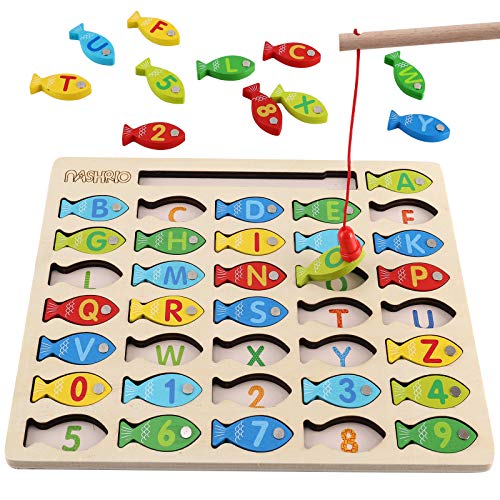
- Catches letters, numbers, and colors in one game
- Builds fine motor skills and hand-eye coordination
- Wood construction with smooth edges and non-toxic dye
Best For: One-on-one preschool learning through active play
Fast Reading Practice
ThinkFun Zingo Bingo Preschool Game

- Builds language and matching skills for early readers
- Fast-paced bingo-style play keeps kids engaged
- Easy to learn and works for up to 7 players
Best For: Families and classrooms wanting quick pre-reading practice
Alphabet Card Practice
School Zone Go Fish Alphabet Cards

- Covers uppercase and lowercase letters
- Adds phonics and word-picture recognition
- Portable cards work for home, classroom, or travel
Best For: Letter learning and simple matching play
Sight Word Builder
ThinkFun Zingo Sight Words Game
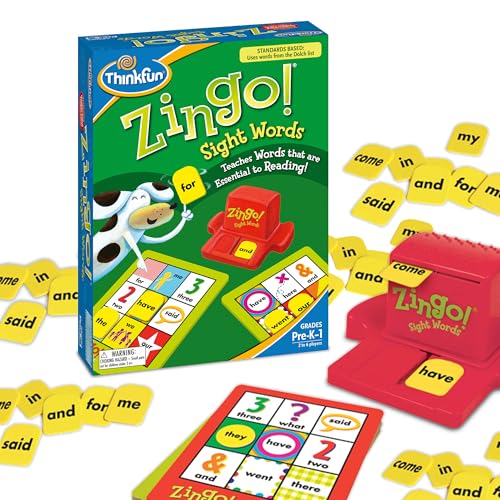
- Focuses on sight words and early reading
- Includes two levels of play plus learning guide
- Bingo-style format works for 2 to 6 players
Best For: Pre-K to early grade readers building sight-word recognition
Classic Word Builder
Scrabble Junior Board Game for Ages 5+

- Two-sided board for matching and word building
- Teaches spelling and vocabulary
- Plays with 2-4 players
Best For: Kids who are ready for a word game that grows with them
Letter Matching Starter
Wooden ABC Learning Puzzle Cards
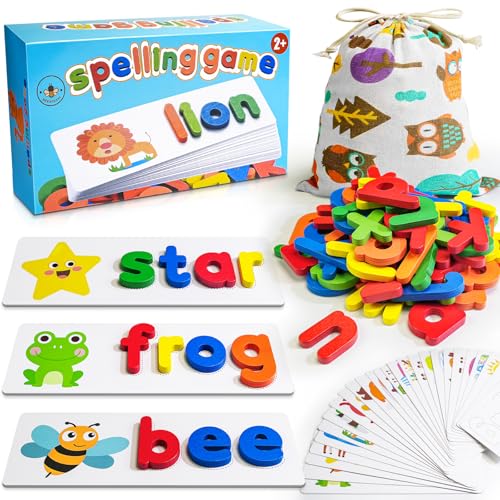
- Hands-on letter matching with wooden pieces
- Includes 28 flash cards and 52 letters
- Comes with storage bag and gift box
Best For: Young children practicing letters and simple word recognition
Math Adventure Pick
Number Hunter Board Game for Ages 5+

- Teaches addition, subtraction, and even/odd numbers
- Plays with 2-5 players
- Includes dice, challenge cards, and game rules
Best For: Kids who need playful early math practice at home or in class
Farmyard Memory Match
School Zone Farm Memory Card Game

- 27 matching pairs for adjustable difficulty
- Builds visual memory, concentration, and vocabulary
- Portable cards with parent tips and variations
Best For: Kids who enjoy quick matching games and travel-friendly learning
Alphabet Bingo Learning
Peaceable Kingdom Alphabet Bingo

- 6 boards, 26 letter tokens, and 72 chips included
- Multiple play variations for letters, sounds, and pictures
- Teaches letter recognition and object association
Best For: Small groups learning letters through bingo-style play
Matching Letter Builder
Learning Games for Kids Ages 3-8
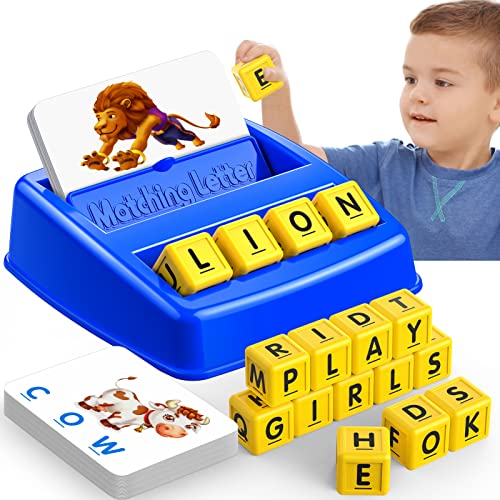
- Tray, 12 letter cubes, and 30 picture cards included
- Builds letter recognition, spelling, and word skills
- Good for parent-child turn-taking and interaction
Best For: Guided practice with early word building and vocabulary
Hands-On Learning Pick – Wooden Magnetic Alphabet Fishing Game
If you want educational games for 5 year olds that feel more like play than practice, this magnetic wooden fishing set is a simple pick. Kids use the pole to catch colorful fish marked with letters and numbers, which keeps the activity hands-on while reinforcing early recognition skills.
Best For: Preschoolers who learn best through active matching, fishing, and sorting play.
Pros:
- Helps build hand-eye coordination and fine motor skills.
- Supports color, letter, and number recognition.
- Made from polished wood with smooth edges and eco-friendly, non-toxic water-based dye.
- Works as a simple indoor activity with no batteries required.
Cons:
- Designed for one player, so it is not a group game.
- Learning focus is broad rather than centered on one specific skill.
This is a practical choice if you want a tactile preschool learning toy that blends catching, matching, and early academics in one compact set.
Fast Reading Practice – ThinkFun Zingo Bingo Preschool Game
For families looking at educational games for 5 year olds, Zingo is a strong match because it keeps early reading practice quick and engaging. The game is built for pre-readers and early readers, with fast-paced matching that supports language and memory skills in a classroom-friendly format.
Best For: Kids who enjoy quick bingo-style play while building early language and matching skills.
Pros:
- Develops language and matching skills for pre-readers and early readers.
- Easy to learn with clear instructions.
- Includes a unique Zinger device that adds excitement.
- Supports up to 7 players with the extra card included.
Cons:
- Best suited to reading readiness rather than broader academic play.
- Requires the physical tile-drawing setup, so it is less portable than card-only games.
If you want a lively preschool board game that can work at home or in a classroom, Zingo offers a proven mix of speed, repetition, and simple rules.
Alphabet Card Practice – School Zone Go Fish Alphabet Cards
This card set is a practical option if you want educational games for 5 year olds that focus on letters and phonics. The Go Fish-style format uses uppercase and lowercase matching, plus parent-and-baby animal pairs, to make early literacy practice feel familiar and interactive.
Best For: Kids learning alphabet recognition, phonics, and word-picture matching.
Pros:
- Teaches uppercase and lowercase letter recognition.
- Supports phonics, early reading, and word-picture recognition.
- Encourages turn-taking, cooperation, and patience.
- Large cards are easy for small hands to hold and sort.
Cons:
- Best for letter-based learning rather than broader math or logic skills.
- Card game format may be less engaging for children who prefer physical toys.
Because it can be played with others or practiced independently, this is a flexible learning tool for home, classroom, or travel use.
Sight Word Builder – ThinkFun Zingo Sight Words Game
If you are comparing educational games for 5 year olds, this sight-words version of Zingo is built for early reading practice with a bingo-style format. It includes two levels of play and a learning guide, making it a straightforward way to support pre-readers and early readers.
Best For: Children who are starting sight-word recognition and early reading.
Pros:
- Focused on sight words and reading skills.
- Includes 2 levels of play for different skill stages.
- Bingo-style format is developed by educators.
- Supports 2-6 players for small-group play.
Cons:
- Targets reading specifically, so it is not a broad all-in-one learning game.
- Uses tiles and a game device, so it takes more setup than simple flash cards.
This is a solid choice if your goal is to make sight-word practice feel like a game instead of a lesson, especially for kids who already like Zingo-style play.
Classic Word Builder – Scrabble Junior Board Game for Ages 5+
If you want educational games for 5 year olds that feel familiar but still teach real skills, Scrabble Junior is a strong pick. This 2-sided board starts with letter matching for younger players and grows into word building on the advanced side, so it can stay useful as your child gets more confident with reading and spelling.
Best For: Families who want a simple word game that supports spelling and vocabulary growth.
Pros:
- Two-sided board with an easier matching level and a more advanced word-building side
- Supports spelling and vocabulary as an educational objective
- Includes 105 letter tiles, 4 tokens, and a game guide
- Plays with 2-4 players for family or small-group use
Cons:
- Uses small parts, so supervision is important for younger kids
- Best suited to indoor play only
- More advanced side may be better once your child is ready for word creation
Overall, this is a practical choice if you want one of the educational games for 5 year olds that can scale with your child’s reading ability. The mix of matching and word building gives it a longer useful life than a one-level kids’ game.
Letter Matching Starter – Wooden ABC Learning Puzzle Cards
For educational games for 5 year olds that keep things simple and hands-on, this wooden alphabet matching set is a straightforward option. Kids place the correct wooden letters on top of the flash cards, which makes early letter recognition and word learning easy to practice without a complicated setup.
Best For: Toddlers and preschoolers who learn best through hands-on letter matching.
Pros:
- Easy matching format makes it simple for young children to get started
- Includes 28 flash cards and 52 wooden letters
- Wood pieces are polished with no sharp corners, according to the notes
- Storage bag and gift box are included for easier organization and gifting
Cons:
- Designed more as a learning toy than a traditional board game
- Best suited to younger kids working on letters and basic words
- Small wooden pieces mean adult supervision is a good idea
This set is a good fit if you want a low-pressure alphabet activity instead of a competitive game. It focuses on direct letter matching, which can be helpful for children who are just building confidence with letters and simple words.
Math Adventure Pick – Number Hunter Board Game for Ages 5+
If you are shopping for educational games for 5 year olds and want math practice built into play, Number Hunter is an easy option to consider. This board game turns addition and subtraction into a dice-rolling race, and it also works in even-and-odd number practice through challenge cards and star-tile actions.
Best For: Families, homeschoolers, and teachers looking for a playful way to reinforce early math skills.
Pros:
- Focuses on addition, subtraction, and even/odd numbers
- Designed for 2-5 players, so it works for family or classroom-style play
- Includes game board, pieces, dice, challenge cards, and rules
- Built around learning through play instead of worksheets
Cons:
- Uses small parts, so younger children may need supervision
- Math-based gameplay may be less appealing to kids who prefer action or story themes
- Paper construction may not feel as durable as heavier game materials
As an early math game, this one is practical rather than flashy, which can be a plus for parents who want skill-building value. It gives kids repeated number practice in a format that still feels like a game night activity.
Farmyard Memory Match – School Zone Farm Memory Card Game
If you’re looking for educational games for 5 year olds that build memory and matching skills without feeling like schoolwork, this farm-themed card game is a simple pick. Kids flip through colorful barnyard images while practicing concentration, visual memory, vocabulary, and counting through repeated play.
Best For: Families, classrooms, and travel-ready play for kids who enjoy quick matching games.
Pros:
- 27 matching pairs let you scale difficulty by using some or all of the cards.
- Large rounded-corner cards are easy to sort and handle.
- Supports concentration, visual memory, and farm-related vocabulary.
- Portable set comes with parent cards for rules, tips, and variations.
Cons:
- Gameplay is focused on matching, so it may feel repetitive for kids who want more variety.
- Best suited to players who enjoy memory-card style activities.
This is a strong low-fuss learning game for ages 3 and up, especially if you want something compact that can keep one to four kids engaged. It works well as a take-anywhere option for home, class, or travel.
Alphabet Bingo Learning – Peaceable Kingdom Alphabet Bingo
Peaceable Kingdom Alphabet Bingo! Letter Learning Educational Board Game for 2 to 6 Kids Ages 4+
Check Price On AmazonFor educational games for 5 year olds that reinforce letter learning in a group setting, this alphabet bingo set keeps the format familiar and easy to follow. Kids draw letter tokens, mark matching boards, and practice letter recognition, letter sounds, and object association as they play.
Best For: Small groups, classrooms, and families teaching early letter recognition through bingo-style play.
Pros:
- Includes 6 double-sided boards, 26 letter tokens, 72 chips, and a drawstring bag.
- Multiple variations include Letter Sound Bingo, Cooperative Bingo, and Picture Bingo.
- Supports letter recognition, uppercase letters, and letter/object association.
- Designed for 2 to 6 players ages 4 and up.
Cons:
- It is centered on alphabet practice, so it may be too narrow if you want broader skill coverage.
- Requires multiple players for the full bingo experience.
This is a practical pick if you want a structured but playful way to reinforce early reading basics at home or in a classroom. The variations add flexibility, while the award-winning format keeps the learning accessible for preschool and kindergarten ages.
Matching Letter Builder – Learning Games for Kids Ages 3-8
If you want educational games for 5 year olds that mix letter matching with early word building, this set gives kids a hands-on way to practice. Players use picture cards and letter cubes to work on letter recognition, spelling, word recognition, and vocabulary through simple manual play.
Best For: Parent-child practice and beginner word-building activities for preschool and early elementary kids.
Pros:
- Includes a tray, 12 letter cubes, and 30 picture cards for 60 words.
- Supports memory skills, spelling, word building, and early vocabulary.
- Encourages parent-child interaction, turn-taking, and sharing.
- Manual, battery-free design keeps setup simple.
Cons:
- Letter cubes do not include Q, V, or X.
- It is built around matching and word building, so it may not suit kids who want fast-paced gameplay.
This is a useful learning toy if your goal is to move beyond letter recognition into basic spelling and word formation. It works best as a guided activity with an adult or as a focused independent practice tool for young learners.
How We Picked These Educational Games for 5 Year Olds
We looked for games that are developmentally appropriate, easy to set up, and genuinely engaging for young children. Strong picks needed to support core early-learning skills, hold attention in short play sessions, and offer enough replay value for home, classroom, or homeschool use.
We also favored games with clear educational goals, simple instructions, and formats that work well for five-year-olds, including matching, bingo, flash cards, board games, and hands-on manipulation.
Quick Comparison: Which Type of Game Fits Best?
If your child is working on letters and sounds, alphabet bingo and letter-matching games are usually the best fit. For early math and counting, look for number-based games with sorting or basic addition practice. If reading readiness is the goal, sight-word and word-picture games are often the most useful.
For families wanting broader skill-building, memory games and mixed-skill Educational Games for 5 Year Olds can reinforce attention, vocabulary, and turn-taking all at once.
Key Buying Factors for Educational Games for 5 Year Olds
Skill Focus
Choose one primary learning goal at a time. A child who is still learning letters may benefit more from alphabet games than from advanced word-building.
Ease of Play
Five-year-olds do best with clear rules, short turns, and minimal reading required from adults. Games should be easy to explain in a few minutes.
Replay Value
Look for games that can be played in different ways or scaled up as skills improve. That helps keep the toy useful beyond the first few sessions.
Durability and Format
Thicker cards, sturdy wooden pieces, and well-made boards tend to last longer through frequent use. Portable card games can be great for travel, while board games are better for group play.
Who Should Buy Which Educational Games for 5 Year Olds?
Parents of pre-readers should prioritize alphabet, phonics, and matching games. Families with children already recognizing letters may want sight-word or simple spelling games. If your child enjoys counting, choose math-focused options instead.
For classrooms and homeschool settings, flexible games that support multiple players and repeated practice are usually the most practical. The best Educational Games for 5 Year Olds match the child’s current skill level while leaving room to grow.