Building a strong science shelf for homeschoolers does not have to be complicated. The best homeschool science supplies are versatile, durable, and easy to use across different ages and subjects.
From microscopy and optics to basic electricity, measurement, and engineering, this roundup focuses on tools that help kids learn by doing rather than just reading.
Best 10 Homeschool Science Supplies Picks for 2026
Electricity Starter Pick

- Shows open and closed circuits with lights and sound
- Safe to touch and handle with bare hands
- Includes an activity guide for conductivity basics
Best For: Solo or small-group circuit lessons in homeschool
Microscope Slide Pick
48 Prepared Microscope Slides Set
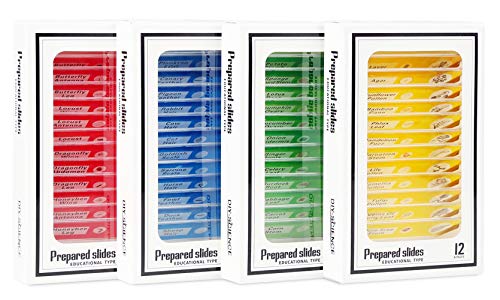
- 48 labeled prepared slides for biology study
- Smooth, non-toxic plastic design with easy storage
- Built for clear viewing of plants, insects, and tissue
Best For: Beginner microscope lessons and biology observation
Experiment Lab Pick

- Includes 6 test tubes, rack, stoppers, and brush
- Flat-bottom tubes stand on their own
- Activity guide includes 4 kid-friendly experiments
Best For: Simple homeschool lab experiments and cleanup
Math STEM Builder
Learning Resources MathLink Cubes

- Supports counting, patterns, graphing, and more
- Cubes snap together on all sides
- Good for homeschool, classroom, or Montessori use
Best For: Hands-on math and early STEM skill building
Measurement Starter Set
Plastic Graduated Cylinders & Beakers Kit

- 4 cylinder sizes and 5 beaker sizes
- Clear metric scales for liquid measuring
- Includes 5 pipettes for precise transfers
Best For: Homeschool families wanting a beginner measuring kit for hands-on science
Observation Station
Up-Close Science Magnifiers & Tweezers

- 4 magnifying glasses and 4 tweezers included
- 5 double-sided activity cards guide exploration
- Storage stand keeps the tools organized
Best For: Younger homeschoolers who want guided observation activities
Microscope Discovery Kit

- 100X-1200X microscope with LED light
- Includes prepared and blank slides plus tools
- Learning guide supports beginner STEM use
Best For: Families wanting a complete starter microscope kit for home science
Color Exploration Pick
Transparent Color Paddles for Hands-On Learning

- Teaches color mixing through direct play
- Introduces simple optics concepts visually
- Works well for Montessori-style learning
Best For: young kids learning color theory and basic optics
Microscope Lab Pick
60 Prepared Slides for Biology Study

- Covers plants, animals, microbes, and tissues
- Includes labeled slides and an ID guide
- Works with multiple microscope types
Best For: structured biology and microscope lessons
Circuit Builder Pick
66-Piece Electronics Exploration Kit

- Builds 1200+ snap-together projects
- No soldering or extra tools required
- Teaches core circuitry through play
Best For: beginner engineering and hands-on STEM projects
Electricity Starter Pick – Steve Spangler Energy Stick
If you want homeschool science supplies that make electricity easy to see and talk about, the Steve Spangler Science Energy Stick is a simple hands-on choice. Kids complete the circuit with their own hands, which turns open and closed circuits, conductors, and insulators into an interactive demo instead of just a lesson page.
Best For: Solo science exploration or small-group homeschool activities focused on basic electricity and circuits.
Pros:
- Makes open and closed circuits visible with sound and flashing lights
- Safe to touch and handle with bare hands
- Works well for independent learning or group demonstrations
- Includes an activity guide for circuit concepts and conductivity
Cons:
- It is a single-piece tool, not a full multi-part lab kit
- Focused on electricity concepts rather than broad science coverage
For families building a practical homeschool science supplies set, this is a focused tool that helps younger learners connect the idea of circuits to something immediate and memorable. It is best when you want a quick, safe, and engaging way to introduce electricity basics.
Microscope Slide Pick – 48 Prepared Microscope Slides Set
For homeschool science supplies that support biology and microscopy, this 48-piece prepared slide set gives kids ready-to-view specimens without the prep work. The slides are labeled for easy sorting and are designed for clear observation, making them useful for beginners learning to identify plants, insects, flowers, and animal tissue.
Best For: Beginner biology lessons and microscope practice with pre-made specimens.
Pros:
- Includes 48 prepared slides for a wide range of specimens
- Slides are labeled for easier classification and storage
- Smooth edges and non-toxic materials add peace of mind
- Designed for clear observation under stereo microscopy
Cons:
- Best suited to a microscope-based setup
- Not a hands-on specimen prep kit
This set is a practical way to add ready-made biology content to a homeschool science supplies collection. If you want your learner to spend more time observing and less time preparing slides, it is a straightforward option with strong classroom-style utility.
Experiment Lab Pick – Starter Science Test Tube Set
If you are assembling homeschool science supplies for simple experiments, this starter test tube set covers the basics in one compact kit. The included rack, stoppers, cleaning brush, and activity guide make it easy to mix, store, and clean up kid-friendly experiments without needing extra accessories.
Best For: Simple at-home science experiments that need test tubes, storage, and cleanup tools.
Pros:
- Includes 6 flat-bottomed test tubes and 6 colored stoppers
- Comes with a rack so tubes can stand securely
- Reusable cleaning brush helps simplify cleanup
- Activity guide includes 4 kid-friendly experiments
Cons:
- Limited to a small set of test tubes
- Experiment variety depends on the included guide
This is a useful starter piece for families who want homeschool science supplies that feel organized and ready to use. It is especially handy if you want a neat, low-mess setup for basic hands-on lab work.
Math STEM Builder – Learning Resources MathLink Cubes
Not every homeschool science supplies buy has to be a lab item, and these MathLink Cubes are a good example of a STEM foundational tool. They support counting, addition, subtraction, patterns, graphing, and other early math skills that help build the number sense kids use later in science and engineering tasks.
Best For: Early STEM learning, math practice, and hands-on homeschool manipulatives.
Pros:
- Supports a wide range of math and STEM skills
- Snaps together on all sides for easy building
- Useful for homeschool, classroom, and Montessori-style activities
- Includes geometric cutouts for patterning and visual learning
Cons:
- Primarily a math manipulative, not a science experiment kit
- Best value comes when used regularly across multiple lessons
For families looking to round out homeschool science supplies with a strong STEM base, this is a versatile learning tool. It is less about one experiment and more about building the math and spatial skills that support broader science learning.
Measurement Starter Set – Plastic Graduated Cylinders & Beakers Kit
If you want homeschool science supplies that make basic measuring feel approachable, this moveland set gives you a wide range of plastic cylinders, beakers, and pipettes in one classroom-style bundle. The clear metric markings, stable hexagonal bases, and food-grade shatterproof build make it practical for repeat use in kid-led experiments, kitchen science, and simple liquid transfers.
Best For: Homeschool families that want an all-in-one beginner measuring set for hands-on science activities.
Pros:
- Includes 4 graduated cylinder sizes and 5 beaker sizes for flexible measuring tasks.
- Clear scale lines help support more accurate liquid measurement.
- 5 flexible pipettes add precision for small transfers and mixing.
- Plastic, shatterproof construction is easier to use around kids than glass.
Cons:
- Plastic won’t feel as laboratory-authentic as glassware.
- Pipettes are sized for small amounts, so they are not a substitute for larger transfer tools.
This is a strong pick if your homeschool science supplies need a simple measurement set that can handle frequent, everyday use. It works best as a starter lab kit for basic observation, pouring, and volume practice rather than advanced experiments.
Observation Station – Up-Close Science Magnifiers & Tweezers
Teacher Created Resources Up-Close Science: Magnifying Glasses & Tweezers Activity Set (TCR20368)
Check Price On AmazonFor homeschool science supplies that build observation skills without a complicated setup, this activity set gives kids four magnifying glasses, four tweezers, and guided cards to explore with common household materials. The included stand keeps everything organized, while the 3X magnification and kid-friendly tools make it easy to use for simple stations or independent discovery.
Best For: Younger homeschool students who need a simple observation kit with guided activities.
Pros:
- Includes 4 magnifiers and 4 tweezers, which is useful for small groups or family learning.
- Five double-sided activity cards add structure with observation questions and basic science ideas.
- Storage stand helps keep the tools together between lessons.
- Kid-friendly design is suited to early hands-on exploration.
Cons:
- 3X magnification is basic and not meant for advanced close-up study.
- Works best with simple materials, so it is less versatile than a full science lab kit.
This set is a practical choice if you want homeschool science supplies that encourage noticing, comparing, and discussing instead of just reading about science. It is especially useful when you want quick activities that are easy to set up and easy to repeat.
Microscope Discovery Kit – 58-Piece Beginner Science Lab
If your homeschool science supplies need a true beginner microscope setup, this 58-piece kit gives kids a metal-body optical microscope plus prepared and blank slides, tools, and a learning guide. With 100X to 1200X magnification, LED lighting, and included lab accessories, it supports hands-on exploration of plants, insects, and everyday objects right out of the box.
Best For: Homeschool families looking for a complete starter microscope kit for elementary science study.
Pros:
- Comes with 58 pieces, including prepared slides, blank slides, and essential tools.
- 100X-1200X magnification gives kids room to explore detail at different levels.
- LED light and metal body make it feel more like a real microscope setup.
- Guided learning materials help beginners understand microscope parts and use.
Cons:
- Requires 2 AA batteries, which are not included.
- Designed for beginners, so it is not intended for advanced microscopy work.
This kit stands out when you want homeschool science supplies that support real microscope use instead of just simple visual play. It is a solid pick for parent-led lessons, classroom-style STEM activities, and early science curiosity that can grow with practice.
Color Exploration Pick – Transparent Color Paddles for Hands-On Learning
If you want homeschool science supplies that make early color lessons more interactive, these transparent color paddles are a simple hands-on choice. Kids can layer them over drawings or objects to explore how colors mix, change, and interact while also introducing basic optics ideas in a visual, low-pressure way.
Best For: Montessori-style color learning, early science observation, and sensory exploration.
Pros:
- Supports color theory lessons through hands-on experimentation.
- Introduces basic optical concepts like absorption and reflection in a kid-friendly way.
- Fits Montessori learning with self-directed, sensory-based use.
- Includes six vibrant colors: red, yellow, blue, green, purple, and orange.
Cons:
- Focused on color and optics rather than broader science topics.
- Best suited for younger learners and simple demonstrations.
Overall, this is a practical add-on for families building a visual science kit around color recognition and early STEM concepts. It is compact, easy to use, and designed for exploratory learning rather than complex experiments.
Microscope Lab Pick – 60 Prepared Slides for Biology Study
For homeschool science supplies that support real biology study, this prepared microscope slide set gives kids a wide range of specimens to examine. The 60-slide collection covers plants, animals, microbes, tissues, and more, making it a useful resource for structured observation with compound, stereo, digital, or pocket microscopes.
Best For: Biology lessons, microscope practice, and guided specimen study for ages 8-12.
Pros:
- Includes 60 lab-grade prepared slides with varied specimen types.
- Slides are clearly labeled and come with an identification chart guide.
- Sturdy storage case helps protect the glass slides from dust and damage.
- Compatible with several microscope types, including compound and USB microscopes.
Cons:
- Designed for observation rather than open-ended experimentation.
- Glass slides require careful handling and storage.
This set works well when you want a ready-to-use biology resource instead of assembling specimens yourself. It offers variety, organization, and classroom-style structure in a format that fits home learning.
Circuit Builder Pick – 66-Piece Electronics Exploration Kit
When homeschool science supplies need to cover engineering as well as science, this electronics exploration kit adds a strong hands-on option. The 66 color-coded pieces snap together without soldering or extra tools, letting kids build from a manual with over 1200 possible projects while learning basic circuitry through play.
Best For: Beginner electronics lessons, screen-free STEM play, and project-based learning.
Pros:
- Offers 1200+ project possibilities for extended use.
- No tools or soldering needed, making setup simple for kids.
- Color-coded, numbered parts help keep building frustration-free.
- Supports creativity, problem-solving, and core circuitry concepts.
Cons:
- More electronics-focused than general science exploration.
- Requires adult guidance for younger children despite the broad age range.
This kit is a solid fit for families who want a reusable STEM activity that grows with a child’s curiosity. It is especially practical if you want a science toy that feels active and structured rather than purely observational.
How We Picked These Homeschool Science Supplies
We looked for items that support repeat use, clear learning outcomes, and a wide range of activities. The best options work for demonstrations, independent exploration, and multi-age lessons without requiring a full lab setup.
We also favored supplies that are easy to store, simple to explain, and flexible enough to fit biology, physics, chemistry basics, and STEM challenges.
Quick Comparison
Microscope kits and prepared slides are best for observation and biology. Electricity and circuit sets fit hands-on physics and engineering. Measuring tools, test tubes, beakers, cubes, and color filters work well for open-ended experiments, structured lessons, and math-science crossover activities.
Key Buying Factors for Homeschool Science Supplies
Age Range and Independence
Choose tools that match your child’s reading level, fine-motor skills, and ability to follow directions. Younger learners usually need larger manipulatives and simple observation tools, while older students can handle more precise equipment and multi-step kits.
Durability and Safety
Look for sturdy materials, stable parts, and kid-friendly designs. If you plan to reuse items often, make sure they can handle cleaning, storage, and regular handling. For sharper tools, glass components, or electrical parts, adult supervision matters.
Lesson Flexibility
Strong Homeschool Science Supplies should support more than one topic. For example, a microscope or measuring set can be used across many units, while a circuit kit can grow with your student over time.
Storage and Setup
Small pieces are easy to lose, so organized kits and compact containers can save time. If you teach in a small space, prioritize items that pack away neatly and do not require special furniture or equipment.
Who Should Buy Which Homeschool Science Supplies?
If you are teaching early elementary students, choose hands-on tools that build curiosity: cubes, color paddles, magnifiers, and simple science kits. Middle-grade learners often benefit from microscopes, prepared slides, test tubes, and measurement tools that support more structured experiments.
For older students or mixed-age homeschool families, the most practical Homeschool Science Supplies are the ones that can be reused across multiple subjects. A balanced collection of observation tools, basic labware, and STEM kits gives you the most value and the most lesson options throughout the year.