Choosing the right anatomy teaching aid can make muscle structure easier to understand, whether you are studying, teaching, or displaying reference material in a clinic.
This roundup of human body muscle models focuses on size, labeling clarity, realism, durability, and overall value so you can pick the most useful model for your setting.
Best 10 Human Body Muscle Models Picks for 2026
Portable teaching model
20" Miniature Muscular System Model

- Hand-painted PVC figure with oak-wood base
- Numbered muscles and tendons aid teaching
- Portable 20-inch size for desk or class use
Best For: portable classroom or shelf anatomy study
Color-coded anatomy aid
20-Inch Human Muscle Anatomy Model
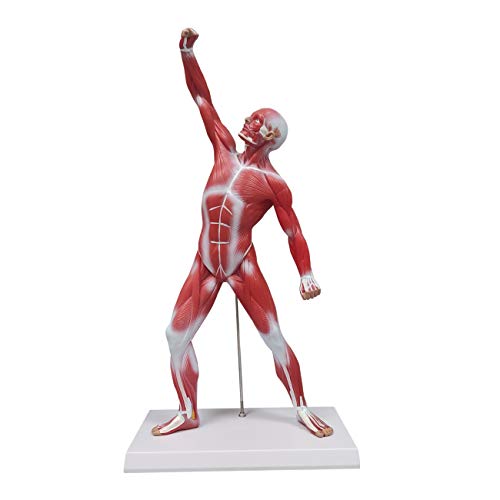
- Brightly marked muscle groups for quick identification
- Durable, easy-to-clean PVC construction
- Desktop size fits classrooms and clinics
Best For: color-coded teaching and clinical demonstrations
Compact study model
Miniature Human Musculoskeletal Model

- Multicolor PVC figure with clear muscle structure
- Shows muscles and tendons for easy viewing
- Compact design suits teaching and display
Best For: basic anatomy learning and visual reference
Desk-friendly reference
20" Miniature Human Muscular Figure

- Hand-painted surface muscles with key labels
- Compact 20-inch figure for desk or clinic use
- Includes manual, stable base, and warranty
Best For: desk display, patient education, and quick reference
Compact Superficial Muscle Pick
Mini Superficial Muscle Model - 1/4 Life-Size Anatomical Reference

- 1/4 natural size for desktop use
- Shows flexed and relaxed muscle states
- PVC build with sturdy white base
Best For: Clinics, classrooms, and compact anatomy study
Body Composition Teaching Set
Fitness Motivation Anatomy Set - Fat and Muscle Replicas

- Compares fat and muscle side by side
- Realistic textures for hands-on learning
- Reusable TPE construction
Best For: Fitness education, nutrition cues, and motivation
Portable Full-Color Teaching Model
Full-Color 20-Inch Muscle Model - Portable Teaching Figure

- Shows chest, abdominal, back, and limb muscles
- 20-inch tabletop size with fixed base
- Hand-painted PVC with bright color coding
Best For: Portable classroom teaching and study
Half-Size Dual Anatomy Pick
27-Piece Human Muscular System Model

- 27 detachable parts for muscle and organ study
- Includes a labeled poster for quick reference
- Half-size build with a stable display base
Best For: Students and teachers who want muscles plus key organs in one model
Compact Classroom Pick
20-Inch Miniature Human Muscle Model

- 20-inch size fits smaller desks and shelves
- Numbered anatomy with a colorful manual
- Oak-wood base adds display appeal
Best For: Compact teaching displays and study spaces
Detailed 27-Part Study Pick
33-Inch Human Muscle and Organ Model

- 27 removable parts with muscles and organs
- 347+ numeral markings for structure ID
- Includes a colorful educational brochure
Best For: Medical training and highly labeled anatomy study
Portable teaching model – 20" Miniature Muscular System Model
If you’re comparing human body muscle models for classroom use, this 20-inch figure is a practical pick that makes the major muscles and tendons easy to see. Its numbered anatomy and hand-painted detail are designed to support teaching, study, and quick visual reference without taking up much space.
Best For: Students, teachers, and anyone who wants a portable muscle anatomy model for study or display.
Pros:
- Shows muscles, tendons, overlap, and insertion points with numbered detail.
- Made from non-toxic PVC and hand painted for a more polished look.
- Compact enough to carry to class and display on a shelf or desk.
- Includes a colorful educational brochure for added teaching support.
Cons:
- At 1/4 life size, it is meant for overview learning rather than full-scale study.
- Focuses on visible muscle structure, so it is not as detailed as larger anatomical systems.
This model is a strong fit if you want a compact, easy-to-use teaching aid with a clean presentation. It balances portability, detail, and display value well for anatomy and physiology basics.
Color-coded anatomy aid – 20-Inch Human Muscle Anatomy Model
Among human body muscle models, this 20-inch desktop figure stands out for its color-marked muscle groups and clear visual layout. It is built for classroom demonstration, patient communication, and personal study when you want a compact model that is easy to carry and simple to interpret.
Best For: Classroom demonstrations, clinical explanations, and learners who want a color-coded anatomy reference.
Pros:
- Bright color marking helps distinguish major muscle groups quickly.
- Uses high-quality PVC that is durable, smooth, and easy to clean.
- Desktop-friendly 20-inch size is easy to store and transport.
- Suitable for teaching, doctor-patient communication, and clinical or lab settings.
Cons:
- Sold as an adult professional-use model, not intended as a toy.
- Minor differences in color, texture, and molded detail may occur.
This is a straightforward, practical option if your priority is fast identification of muscle groups during teaching or review. The clear color coding makes it especially useful when you need a visual aid that communicates anatomy at a glance.
Compact study model – Miniature Human Musculoskeletal Model
If you need a straightforward reference from human body muscle models, this miniature musculoskeletal figure focuses on clearly showing the muscle and tendon structure. Its multicolor design and compact build make it useful for teaching, study, and visual explanation in a small workspace.
Best For: Basic anatomy learning, art teaching, and display-focused reference use.
Pros:
- Clearly shows the structure of human muscles and tendons.
- Multicolor body design helps distinguish superficial muscle areas.
- Made from high-quality PVC for better durability.
- Compact miniature format works well for display and teaching.
Cons:
- No base, manual, or accessory details are provided in the notes.
- Primarily aimed at general visualization rather than advanced anatomical study.
This model is a good choice if you want a simple, visually clear muscular system figure without extra complexity. It is especially appealing for quick lessons, general reference, and display use.
Desk-friendly reference – 20" Miniature Human Muscular Figure
For buyers comparing human body muscle models for a desk, clinic, or teaching setup, this 20-inch figure is designed to give a clean overview of the major surface muscles. The hand-painted musculature and labeled key groups make it a practical visual reference for explaining anatomy in a small space.
Best For: Clinics, classrooms, and anyone who wants a compact labeled muscle reference.
Pros:
- Clearly shows major surface muscles in a compact 20-inch size.
- Hand-painted details help distinguish key muscle groups.
- Useful for teaching, patient education, and quick reference.
- Includes a removable base for stable display and a full-color manual.
Cons:
- Designed as a surface-muscle overview, not a full anatomical system model.
- Best suited to users who want a compact reference rather than a larger display piece.
This model works well when you need an approachable anatomy aid that stays stable on a desk and is easy to understand. The included warranty and support are a helpful bonus for buyers who want extra peace of mind.
Compact Superficial Muscle Pick – Mini Superficial Muscle Model – 1/4 Life-Size Anatomical Reference
If you want human body muscle models for a desk, classroom, or clinic, this 1/4 life-size version focuses on the superficial muscular system with a realistic pose. It’s built to show flexed and relaxed muscles clearly, making it a practical reference for anatomy study and professional demonstrations.
Best For: Medical offices, academic institutions, and learners who need a compact superficial muscle reference.
Pros:
- 1/4 natural size makes it easier to place on a desk or shelf.
- Shows the muscle state of the body during movement, including flexed and relaxed positions.
- Made from high-quality PVC for durability and long-term use.
- Mounted on a sturdy white base for stable display.
Cons:
- Focuses on superficial muscles rather than a full internal anatomy system.
- Miniature size may be less useful for large-group visibility.
Overall, this model is a solid pick if you need a compact, realistic-looking muscle reference that works well for study and everyday display. Its strength is straightforward presentation rather than complex layered anatomy.
Body Composition Teaching Set – Fitness Motivation Anatomy Set – Fat and Muscle Replicas
For buyers comparing human body muscle models with a practical fitness angle, this 2-piece set stands out because it contrasts fat and muscle in a very visual way. The lifelike textures and 1 lb replicas are designed to support classroom learning, nutrition discussions, and everyday motivation.
Best For: Fitness coaching, nutrition education, and anyone who wants a visual reminder of body composition goals.
Pros:
- Includes both fat and muscle replicas for clear side-by-side comparison.
- Realistic textures and anatomical details support hands-on learning.
- Each piece is designed as a visual cue for portion control and healthy eating.
- Made from safe, reusable TPE material.
Cons:
- Not a full anatomical muscle system model.
- Primarily focused on body composition, not detailed anatomy study.
This set is best viewed as a motivation and teaching tool rather than a clinical anatomy display. If the goal is to make body composition easy to understand at a glance, it offers a clear and memorable approach.
Portable Full-Color Teaching Model – Full-Color 20-Inch Muscle Model – Portable Teaching Figure
If you need human body muscle models for teaching or self-study, this 20-inch PVC figure offers a clear look at the main muscle groups in a portable desktop size. It uses bright hand-painted colors to help users quickly identify chest, abdominal, back, and limb muscles during lessons or demonstrations.
Best For: Medical teaching, student study, and patient communication demonstrations.
Pros:
- Displays the main muscle groups, including chest, abdomen, back, and limbs.
- 20-inch size is practical for desktop display and storage.
- Hand-painted and assembled with bright color separation for easier identification.
- Durable PVC construction with a smooth, easy-to-clean surface.
Cons:
- Mini size may not suit users who want a larger classroom display.
- Focuses on major muscle groups rather than highly detailed anatomy layers.
In use, this model is a balanced choice for buyers who want portability without losing the basics of muscle identification. It’s especially useful when clarity, storage convenience, and quick visual reference matter most.
Half-Size Dual Anatomy Pick – 27-Piece Human Muscular System Model
If you’re comparing human body muscle models for both muscular anatomy and major organ placement, this half-size 27-piece model gives you a broad, classroom-friendly overview. It combines detachable muscles with key internal organs, making it useful for practical study sessions, demonstrations, and basic physiology teaching.
Best For: Students, teachers, and study spaces that need one model to cover muscles plus core organs.
Pros:
- 27 detachable pieces support detailed study of muscles and organs.
- Includes a poster for quick reference during lessons or review.
- Half-size format with a stable base works well for display and teaching.
- Anatomically detailed parts support study of muscular, respiratory, and circulatory systems.
Cons:
- Larger and heavier than miniature tabletop models.
- More complex assembly may take extra time for first setup.
This is a strong choice if you want a human body muscle model that goes beyond surface anatomy and also shows the placement of core organs. The included poster and sturdy base add practical value for repeated classroom use.
Compact Classroom Pick – 20-Inch Miniature Human Muscle Model
For buyers who want human body muscle models in a smaller, easier-to-place format, this 20-inch muscular system model keeps the focus on visual learning without taking up much space. The numbered anatomy, colorful manual, and oak-wood base make it a practical option for physiology teaching and study rooms.
Best For: Adults, students, and classrooms that need a compact muscle anatomy display.
Pros:
- Compact 20-inch size is easier to fit on desks or shelves.
- Numbered anatomy and a colorful manual support guided learning.
- Non-toxic PVC construction is described as easy to clean.
- Oak-wood base gives it a finished display look.
Cons:
- Smaller scale means less room for highly detailed parts than larger models.
- Designed for adult use, not children under 18.
This model is a good fit if you want a smaller anatomy tool that still presents the muscular system clearly. It balances portability, teaching value, and display appeal in a straightforward package.
Detailed 27-Part Study Pick – 33-Inch Human Muscle and Organ Model
If you want human body muscle models with a strong emphasis on labeled study and removable anatomy, this 33-inch 27-part model offers a very detailed setup. It combines muscles, organs, and extensive numeric marking, making it useful for medical education, communication, and structured biological science lessons.
Best For: Detailed anatomy study, medical training, and users who want heavily numbered components.
Pros:
- 27 removable parts cover muscles, organs, and limbs in detail.
- More than 347 numeral markings help identify structures precisely.
- Includes a colorful educational brochure for learning support.
- Sturdy base and reassembly hardware support repeated use.
Cons:
- More complex than a basic muscle-only model.
- Larger 33-inch format may be less convenient for very small spaces.
This is the most study-focused option in the group, especially if you value labeling and removable components. Its detailed markings and educational materials make it well suited to classroom or medical-training settings.
How We Picked the Best Human Body Muscle Models
We looked for Human Body Muscle Models that balance anatomical clarity with practical use. That means readable muscle labeling, accurate surface detail, stable construction, and sizes that work on a desk, in a classroom, or in a treatment room. We also favored models that are easy to clean, durable enough for repeated handling, and useful for both visual learning and patient education.
Quick Comparison
Compact 20-inch models are usually the easiest choice for desks and small study spaces, while half-life-size options offer better visibility for group instruction and more detailed demonstration. Models with color-coded muscle groups are generally easier for beginners, while larger multi-part models are better when you need to explain deeper anatomy or adjacent structures.
Key Buying Factors for Human Body Muscle Models
Size and Viewing Distance
Choose a smaller model if you need portability or limited-space display. If the model will be used in a classroom or demo setting, a larger format improves visibility from across the room and makes muscle relationships easier to point out.
Level of Detail
Some Human Body Muscle Models emphasize superficial muscle groups, while others include removable organs or multiple parts for broader anatomy lessons. Pick the level of detail that matches your audience. For basic muscle identification, simpler labeled models are often better. For physiology or medical training, more complex models are usually worth the extra cost.
Material and Durability
PVC and similar molded materials are common because they are lightweight and easy to wipe down. Hand-painted finishes and clear labels can improve learning, but they should still hold up to frequent handling. If the model will be moved often, prioritize sturdy bases and secure attachments.
Labeling and Color Coding
Clear labels can reduce confusion, especially for self-study or introductory classes. Color-marked muscle groups help learners distinguish major structures quickly, but make sure the labeling remains readable and does not overwhelm the model’s overall anatomy.
Who Should Buy Which Human Body Muscle Models?
Students and home learners usually benefit most from compact, clearly labeled models that are easy to keep on a desk. Teachers and trainers may prefer larger Human Body Muscle Models with stronger visual contrast for group instruction. Clinics, physiotherapy offices, and medical offices often need a balance of realism and presentation value, so a mid-size or half-life-size model can be the most versatile choice. If your goal is fitness education or nutrition demos, a simplified fat-and-muscle replica may be more appropriate than a full anatomy figure.
In short, the best choice depends on how much detail you need, how much space you have, and whether the model is for study, display, or patient communication.