Physics becomes easier to understand when kids can test force, motion, friction, and simple machines for themselves. The right kit turns abstract concepts into hands-on experiments that actually stick.
Below, we’ve rounded up 10 strong options for different ages, learning goals, and budgets, so you can choose a kit that fits your classroom, homeschool, or family STEM setup.
Best 10 Physics Force and Motion Kits Picks for 2026
Classroom Physics Starter

- Hands-on force, motion, gravity, and friction activities
- Reusable materials with activity cards for guided learning
- Designed for ages 5+ in classroom or homeschool use
Best For: Young beginners who need a structured, visual introduction to physics
Mechanical Physics Builder
Simple Machines Science Experiment Kit

- Builds 26 models covering six classic simple machines
- Includes a spring scale to measure force changes
- Step-by-step manual supports hands-on learning
Best For: Kids 8+ learning how simple machines affect force
Ramp and Friction Lab
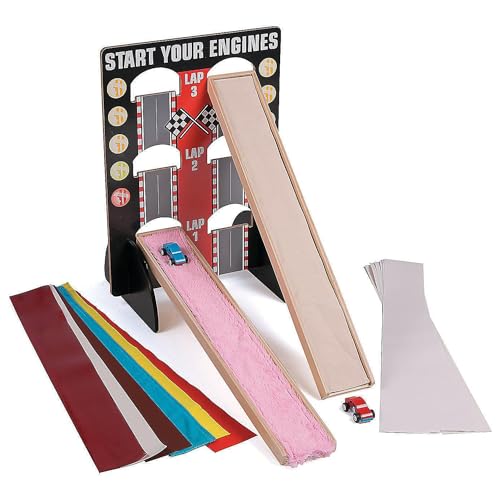
- 21-piece kit for motion and friction experiments
- Adjustable wooden ramp with three testing heights
- Reusable strips support classroom or homeschool use
Best For: Ages 5-12 exploring speed, friction, and acceleration
Structural Forces Builder
Bridges & Skyscrapers Engineering Kit

- 20 models teach force, load, compression, and tension
- Over 285 interchangeable building pieces included
- Intermediate kit with a 36-page illustrated manual
Best For: Older kids who want structural engineering with physics concepts
Hands-On Motion Builder
Inertia, Friction & Circular Motion Kit

- 6 model options with motion-focused experiments
- Includes theory pages, quizzes, and a free 3D app
- Ages 9+ with a clear STEM learning focus
Best For: Kids 9+ who want a guided physics build kit
Simple Machines Demo Kit
Inclined Plane Physics Kit with Cart

- Adjustable ramp with built-in angle scale
- Cart and block support force and motion tests
- Good for classroom or science station use
Best For: Classroom demos and inclined plane experiments
Engineering Challenge Pick
Roller Coaster Engineering STEM Kit
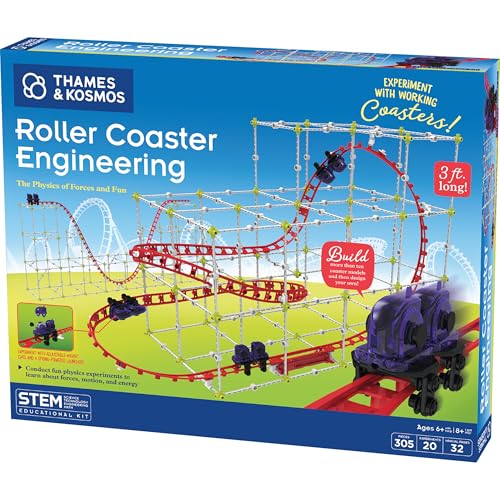
- Build working roller coaster models
- Covers force, motion, energy, and velocity
- Includes challenge builds and a full-color manual
Best For: Kids who like engineering-style physics projects
Energy & Circuits Starter

- Solar, hand-crank, and windmill power modes
- Explains energy conversion and simple circuits
- Good for family and school STEM activities
Best For: kids and teens starting with energy, circuits, and hands-on physics
Game-Based Physics Builder
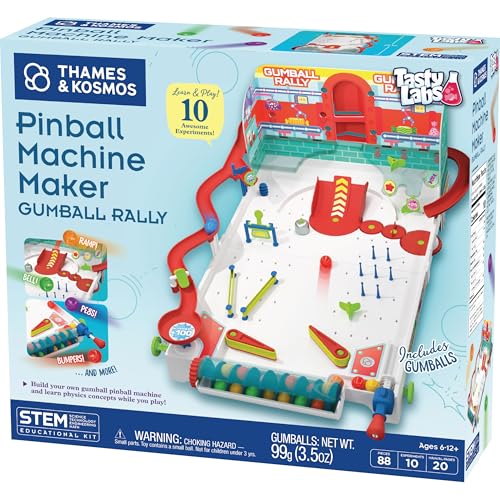
- Customizable pinball machine with ramps and bumpers
- Explores force, motion, gravity, and simple machines
- Includes about 45 gumballs for instant play
Best For: kids who learn physics best through playful, hands-on experimentation
Mechanical Engineering Explorer

- Builds 20 models plus 22 experiments
- Covers forces, gravity, momentum, and gears
- Includes an 80-page illustrated manual
Best For: ages 8+ learning mechanical engineering and motion basics
Classroom Physics Starter – Force and Motion Activity Set
If you want physics force and motion kits for younger learners, this activity set makes the basics easy to see and test. Kids can explore force, motion, gravity, and friction through guided hands-on experiments, making it a practical pick for classrooms, learning centers, or homeschool science time.
Best For: Kids ages 5+ who are just starting with hands-on physics and guided STEM activities.
Pros:
- Supports experiments on force, motion, gravity, and friction.
- Includes activity cards and reusable materials for structured science time.
- Designed for ages 5+ and works well in classroom or homeschool settings.
- Encourages prediction, testing, and early problem-solving.
Cons:
- Best suited to guided use rather than open-ended building.
- No batteries or electronic features for kids who prefer powered toys.
- Focused on introductory concepts, not advanced physics.
This is a solid starter kit for making motion concepts tangible, especially when you want simple experiments that help young kids connect actions with outcomes.
Mechanical Physics Builder – Simple Machines Science Experiment Kit
Among physics force and motion kits, this Thames & Kosmos set stands out for teaching how simple machines change force and make tasks easier. With 26 model builds, a spring scale, and a detailed manual, it is a strong choice for kids who are ready to move beyond basic observation and start comparing how different machines work.
Best For: Kids 8+ who want a hands-on introduction to mechanical physics and simple machines.
Pros:
- Includes 26 model-building exercises covering all six classic simple machines.
- Spring scale lets kids measure changes in force and direction.
- Compatible with other Thames & Kosmos construction systems.
- 32-page full-color manual gives clear, step-by-step guidance.
Cons:
- Better for children ready for more reading and building.
- Focuses on simple machines rather than broad physics topics.
- Not a no-frills activity kit if you want quick experiments.
This kit offers a well-rounded introduction to mechanical physics, and the included measurement tool adds real science value beyond just model building.
Ramp and Friction Lab – Motion & Friction Science Kit
This is a practical choice if you want physics force and motion kits that make speed and friction easy to test. The adjustable wooden ramp, test car, and multiple material strips let kids compare results at different heights, turning abstract motion concepts into straightforward experiments.
Best For: Kids ages 5-12 who learn best through repeatable ramp-and-friction experiments.
Pros:
- Includes 21 pieces for hands-on motion and friction experiments.
- Three ramp heights make speed and acceleration easy to compare.
- Wooden construction is built for classroom or homeschool reuse.
- Material strips encourage testing, observation, and recording results.
Cons:
- More focused on ramp testing than broad physics coverage.
- Requires active setup and supervision for best results.
- Not as open-ended as a general STEM building set.
For families or teachers who want a simple, repeatable way to demonstrate motion and friction, this kit delivers clear cause-and-effect learning.
Structural Forces Builder – Bridges & Skyscrapers Engineering Kit
If you are comparing physics force and motion kits for older kids, this structural engineering set adds a more advanced focus on load, compression, and tension. The 20-model build system and detailed manual make it a strong fit for learners who want to see how forces affect real structures like bridges and skyscrapers.
Best For: Kids 8-14 who are ready for an intermediate engineering kit focused on structural forces.
Pros:
- Teaches force, load, compression, and tension through 20 models.
- Includes over 285 interchangeable building pieces.
- 36-page illustrated manual and assembly guide support step-by-step learning.
- Intermediate skill level offers a deeper challenge than beginner kits.
Cons:
- More engineering-focused than general motion-based physics.
- Likely better for kids who already enjoy building projects.
- Requires more patience than a quick experiment kit.
This kit is a smart pick when you want physics lessons tied to real-world structures, with enough complexity to keep older students engaged.
Hands-On Motion Builder – Inertia, Friction & Circular Motion Kit
If you’re comparing physics force and motion kits for a child who likes building and experimenting, this Engino set turns core motion concepts into hands-on projects. It focuses on inertia, friction, and circular motion with working models, guided theory, and simple experiments that help make abstract ideas easier to see.
Best For: Kids ages 9+ who want a structured STEM kit with builds, theory, and quizzes.
Pros:
- Includes 6 working model options, such as a rocket launcher and crash test rig
- Comes with 12 pages of theory, fun experiments, and a 4-page quiz section
- Includes a free interactive 3D app for virtual building support
- Designed to make motion concepts clearer through award-winning components
Cons:
- Best suited to older kids, starting at age 9+
- Focused on specific motion topics rather than broad physics coverage
Overall, this is a strong pick if you want an educational build-and-learn kit that goes beyond simple assembly. It offers a balanced mix of construction, explanation, and experimentation for kids who like to test how motion works in real life.
Simple Machines Demo Kit – Inclined Plane Physics Kit with Cart
For shoppers looking at physics force and motion kits that are simple, visual, and lab-friendly, this inclined plane set makes ramp experiments easy to set up. The adjustable angle scale, cart, and wooden block let kids or students explore how incline angle, mass, gravity, and motion work together.
Best For: Science stations, classroom demonstrations, and hands-on incline plane experiments.
Pros:
- Includes an adjustable ramp, cart, and wooden block for direct experimentation
- Built-in scale helps measure how angle changes the force needed to move an object
- Cart design supports weight loading to study mass, motion, and momentum
- Useful for demonstrating real-world applications like ramps and transportation
Cons:
- More of a demonstration tool than a full multi-model kit
- Limited to inclined plane concepts rather than broad physics topics
This kit works best when you want a focused, practical way to show simple machines in action. It is especially useful for visual learners who benefit from measuring angle changes and connecting the experiment to everyday applications.
Engineering Challenge Pick – Roller Coaster Engineering STEM Kit
If you want physics force and motion kits that feel more like an engineering challenge, this Thames & Kosmos roller coaster set delivers a hands-on way to explore motion. Kids can design working coaster models, complete build challenges, and learn about force, energy, velocity, and related physics ideas through the included manual.
Best For: Kids who enjoy engineering builds and experimenting with motion and energy.
Pros:
- Lets kids design and build working roller coaster models
- Includes challenges that vary the coaster shapes and sizes
- Uses a reusable plastic building system
- Comes with a 32-page color manual with instructions and explanations
Cons:
- Requires more building and problem-solving than simpler beginner kits
- Focused mainly on roller coaster physics rather than general motion topics
This is a good fit if you want a kit that mixes creativity with real physics learning. The challenge-based format makes it appealing for kids who like to build, test, and rebuild until the design works.
Energy & Circuits Starter – Physics & Circuit Starter Kit
If you’re comparing physics force and motion kits with an early electricity angle, this Delinx set is a practical pick. It combines solar, hand-crank, and windmill power generation so kids can see energy conversion in action while building basic circuits and lighting an LED or running a fan.
Best For: Youth, students, and families who want a hands-on intro to physics, circuitry, and renewable energy projects.
Pros:
- Three power-generation modes: solar, hand-crank, and windmill
- Teaches energy conversion and basic circuit concepts
- Supports hands-on STEM, problem solving, and critical thinking
- Useful for family activities and school projects
Cons:
- More focused on energy and circuits than on motion mechanics
- Paper instructions are downloaded separately from the item page
- Plastic build may feel lightweight for some users
Overall, this kit works well as a starter experiment set for kids who learn best by building and observing simple cause-and-effect. It is strongest when you want an approachable, multi-topic STEM kit rather than a deep dive into mechanical force and motion.
Game-Based Physics Builder – Gumball Pinball Physics Kit
This pinball-style pick is one of the more engaging physics force and motion kits because it turns the lesson into a game. Kids build a customizable machine with ramps, bumpers, slingshots, and bells, then experiment with how changes affect motion, collisions, and gravity using the included gumballs.
Best For: Kids who enjoy game-based learning and want a playful way to explore force, motion, gravity, and simple machines.
Pros:
- Customizable, reusable build with many moving obstacles
- Teaches force, motion, gravity, collisions, and simple machines
- Includes about 45 gumballs for immediate play
- Encourages trial-and-error problem solving
Cons:
- More game-oriented than traditional lab-style science
- Best suited to kids who like open-ended building and tinkering
- Uses edible gumballs, which may not suit every household preference
As a learning toy, this kit stands out for making physics feel interactive and replayable. It is a smart choice when you want a memorable hands-on experience that keeps kids experimenting with how motion changes as the layout changes.
Mechanical Engineering Explorer – Machines & Vehicles Kit
For families shopping physics force and motion kits with a broader engineering focus, this Thames & Kosmos set offers a strong intro to mechanical systems. It includes 20 build projects and 22 experiments covering forces, gravity, weight, momentum, gears, and energy conversion, all supported by a detailed 80-page manual.
Best For: Ages 8+ who want a structured, model-building kit focused on mechanical engineering and everyday physics.
Pros:
- Builds 20 mechanical models plus 22 supplemental experiments
- Covers forces, gravity, weight, momentum, gears, and simple machines
- Reusable components support multiple builds and reconfiguration
- Detailed 80-page, full-color instruction manual
Cons:
- More structured than freeform building kits
- Primarily mechanical engineering, so it is less about electronics or power generation
- Assembly may take more time than simpler starter sets
This is the most well-rounded pick here if you want a true mechanics-based learning kit. It ties the science to real-world examples like construction, rollercoasters, and vehicles, which makes it a solid choice for sustained STEM learning.
How We Picked These Physics Force and Motion Kits
We focused on kits that make core physics concepts easy to explore through building, testing, and observation. Priority went to sets with clear learning value, durable parts, age-appropriate challenges, and enough variety to keep kids engaged beyond a single activity.
We also looked for kits that support real STEM learning, not just one-off novelty play. That means models or experiments that help kids compare cause and effect, measure changes, and see how force, friction, load, and motion work in real life.
Quick Comparison
Some Physics Force and Motion Kits are best for simple classroom demonstrations, while others are better for multi-step builds and deeper engineering play. Ramp and motion sets are usually the most accessible for younger children, while model-building kits and engineering sets tend to suit older kids who are ready for more structured problem-solving.
If you want broad introductory learning, choose a kit with multiple experiments and straightforward instructions. If you want more challenge, look for kits that let kids design, rebuild, and test different outcomes.
Key Buying Factors for Physics Force and Motion Kits
Age Range and Skill Level
Match the kit to the child’s reading level, fine-motor skills, and patience for assembly. Younger kids usually do best with larger parts and guided experiments, while older children can handle more detailed builds and open-ended testing.
Concept Coverage
The best kits cover more than one idea. Look for combinations of force, motion, friction, simple machines, gravity, load, and energy transfer so the learning feels connected rather than repetitive.
Build Time and Reusability
Reusable kits offer better long-term value, especially when they support multiple builds or experiment variations. Quick-set options are helpful for classrooms or younger learners with shorter attention spans.
Materials and Stability
For physics experiments, solid construction matters. Stable ramps, sturdy connectors, and dependable moving parts make results easier to repeat and explain. That’s especially important in Physics Force and Motion Kits used for demonstrations.
Who Should Buy Which Physics Force and Motion Kits?
Choose a simpler motion or ramp-based kit for younger learners, first-time STEM users, or group activities. Pick a simple machines or mechanical engineering set if you want broader physics concepts with more building. For older kids who enjoy challenge-based learning, engineering kits with more complex models are usually the best fit.
If you’re buying for a classroom, flexibility and repeat use matter most. For home learning, look for a kit that balances fun with a clear educational payoff, so kids will want to return to it after the first build.
In short, the best Physics Force and Motion Kits are the ones that match the learner’s age, curiosity, and time commitment while making physics visible, hands-on, and easy to understand.