Preschool counting toys can do more than help children recite numbers. The best options turn early math into hands-on play, supporting number recognition, one-to-one correspondence, sorting, and fine motor practice.
In this roundup, we focus on toys that are age-appropriate, durable, and genuinely useful for preschool learners at different stages of counting readiness.
Best 10 Preschool Learning Toys for Counting Picks for 2026
Self-Correcting Counting Puzzles

- 30 self-correcting puzzle pairs
- Helps practice counting and matching
- Thick cardboard supports easy handling
Best For: Preschoolers starting number matching and early math
Hands-On Bear Counters

- 102 colorful bear counters
- Good for counting, sorting, and colors
- Includes storage bucket and activity guide
Best For: Hands-on early math practice for ages 3+
Wooden Number Matching Puzzles
Self-Correcting Number Puzzles
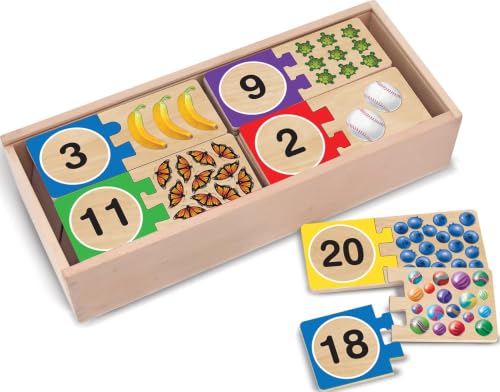
- 40-piece wooden matching set
- Self-correcting number and counting play
- Includes storage box with slide-in lid
Best For: Ages 4 to 7 learning number matching and counting
Ice Cream Counting Play Set

- 10 numbered cones for counting
- 20 scoops for sorting and stacking
- Soft plastic set with storage tub
Best For: Toddlers and preschoolers who like pretend-play math toys
Montessori Math Pick
Wooden Counting Peg Board for Early Number Play

- Teaches counting, sorting, and patterns
- Helps build fine motor skills
- Wooden, non-toxic, no-battery design
Best For: Ages 3-5 kids learning basic number skills
Sorting Safari
Dinosaur Counting Set with Bowls and Tweezers

- 48 dinosaur counters with bowls and tweezers
- Builds counting, sorting, and color matching
- Portable bucket makes storage easy
Best For: Kids who like dinosaur-themed preschool math games
Catch & Count Play
Magnetic Wooden Fishing Game with Numbers
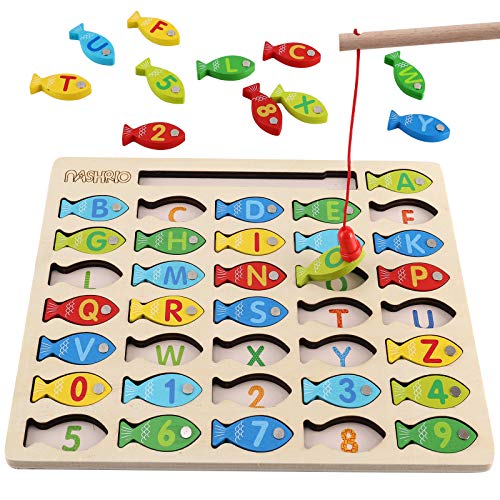
- Fishing game teaches numbers and letters
- Builds fine motor skills and coordination
- Wooden, smooth-edged, battery-free design
Best For: Kids who learn best through active matching games
Wooden Montessori Starter

- Wooden finger board plus 13 blocks and 8 flash cards
- Helps visualize counting, addition, and subtraction within 10
- Basswood build with non-toxic water-based paint
Best For: early counting practice at home or in preschool
Frog Balance Explorer

- 63-piece balance math set with cards, statues, and scale parts
- Teaches counting, comparison, and balance through play
- Suitable for home, kindergarten, and school use
Best For: game-style counting and early STEM learning
Hands-On Math Box

- Includes 14 blocks, 20 flash cards, and a storage box
- Built for visual addition and subtraction within 10
- Child-safe wooden pieces with rounded edges
Best For: all-in-one early math practice for ages 3 to 6
Self-Correcting Counting Puzzles – Match It! Counting
If you want preschool learning toys for counting that feel like a game, this self-correcting puzzle set is a simple place to start. The two-piece matches pair numbers with colorful illustrations, helping children practice counting while also building focus, concentration, and early math readiness.
Best For: Ages 3+ children who are just starting to match numbers, count objects, and work on independent puzzle play.
Pros:
- 30 two-piece puzzle pairs introduce counting in a hands-on way.
- Self-correcting design helps kids find the right match on their own.
- Thick cardboard pieces are easy to grasp and support motor skill development.
- Portable format works well for tabletop play and quiet learning time.
Cons:
- Only covers beginner counting and matching skills.
- Requires puzzle-style play, so it may not suit every child’s preferred activity.
Overall, this is a straightforward preschool counting toy for families who want structured, screen-free practice. It blends early math with confidence-building success, making it a practical option for home learning or school prep.
Hands-On Bear Counters – Baby Bear Counters
For preschool learning toys for counting that support hands-on practice, this 102-piece bear set gives children a lot to work with. The colorful counters are made for counting, sorting, and color recognition, and the included activity guide adds a simple starting point for early math play.
Best For: Kids ages 3+ who learn best by touching, sorting, and moving objects during early math activities.
Pros:
- 102 bear counters provide plenty of pieces for counting and sorting games.
- Six vivid colors support color recognition and classification practice.
- Includes a storage bucket and activity guide for easy organization and use.
- Manual, battery-free design is ready for homeschool or classroom use.
Cons:
- Small plastic counters may be too basic for children who want more varied play.
- Best suited to guided math activities rather than open-ended pretend play.
This set is a strong choice if you want a durable, no-fuss manipulative for early math. It is especially useful for repeated practice with counting, sorting, and color recognition at home or in a learning center.
Wooden Number Matching Puzzles – Self-Correcting Number Puzzles
This wooden puzzle set is a classic pick among preschool learning toys for counting because it combines matching and number practice in one screen-free activity. The self-correcting pieces, familiar object pictures, and wooden storage box make it a tidy option for children building early math skills.
Best For: Preschoolers ages 4 to 7 who need a hands-on way to practice matching, counting, and number recognition.
Pros:
- 40 wooden pieces offer enough variety for repeated matching practice.
- Self-correcting format helps children check their own work.
- Color pictures with familiar objects make counting more concrete.
- Wooden storage box with slide-in lid keeps pieces organized.
Cons:
- Fewer pieces than larger manipulative sets.
- More focused on puzzle matching than freeform counting play.
If you want a sturdier, structured learning toy, this set delivers simple early math practice with a neat storage solution. It is a practical choice for quiet play, home learning, or a preschool gift.
Ice Cream Counting Play Set – JoyCat Math Manipulatives
If you want preschool learning toys for counting that also invite pretend play, this ice cream set is an easy fit. The cones are printed with numbers 1-10, while the scoops can be sorted and stacked, giving toddlers and preschoolers a playful way to work on counting, colors, and fine motor skills.
Best For: Toddlers and preschoolers ages 1-5 who enjoy sorting, stacking, and imaginative math play.
Pros:
- 10 numbered cones support early counting practice.
- 20 scoops encourage color sorting, stacking, and matching.
- Soft, food-safe plastic is designed for durability and child-safe play.
- Storage tub with handle makes cleanup and transport easier.
Cons:
- Best for guided play rather than independent advanced math work.
- More of a manipulatives set than a traditional counting game.
This set stands out when you want counting toys that feel playful and open-ended. It combines early math with pretend ice cream fun, making it a flexible option for home, daycare, or classroom use.
Montessori Math Pick – Wooden Counting Peg Board for Early Number Play
If you want preschool learning toys for counting that keep math tactile and simple, this wooden Montessori peg board is a solid pick. Children can practice counting, sorting, and pattern-making with bright pegs on a sturdy wooden board, making it a practical choice for home learning, classrooms, and homeschool settings.
Best For: Parents, teachers, and homeschoolers looking for a hands-on counting and fine-motor toy for ages 3-5.
Pros:
- Supports counting, sorting, and pattern recognition in one activity.
- Bright pegs and wooden board create a clear, hands-on learning experience.
- Helps develop fine motor skills and hand-eye coordination.
- Made from high-quality, non-toxic wooden materials and requires no batteries.
Cons:
- Best suited to manual, board-based play rather than active or role-play use.
- Designed for one player, so it is less ideal for group competition.
- Smaller size may limit the variety of activities compared with larger learning sets.
Overall, this peg board is a straightforward preschool math tool that focuses on core early-learning skills without extra complexity. It is a good fit if you want a durable, low-tech counting toy that can support independent practice or guided teaching.
Sorting Safari – Dinosaur Counting Set with Bowls and Tweezers
For preschool learning toys for counting that also add sorting and color work, this dinosaur set is built for hands-on play. It includes 48 colorful dinosaur pieces, rainbow bowls, and tweezers, so toddlers can practice counting, matching, and grouping while staying engaged with a dinosaur theme.
Best For: Toddlers and preschoolers ages 3-5 who enjoy sorting games, color matching, and dinosaur-themed play.
Pros:
- Includes 48 dinosaur pieces plus 6 sorting bowls and 2 tweezers for varied play.
- Encourages counting, color matching, sorting, and grouping activities.
- Supports fine motor control and hand coordination through tweezers play.
- Comes in a transparent bucket for easy storage and portability.
Cons:
- Plastic construction may feel less premium than wooden learning toys.
- Small pieces require close supervision for younger children.
- Works best as a guided activity rather than an open-ended toy.
This set stands out if you want a screen-free counting activity that mixes early math with sensory sorting. The dinosaur theme and included tools make it a flexible pick for home use, classrooms, or gifts.
Catch & Count Play – Magnetic Wooden Fishing Game with Numbers
If you are comparing preschool learning toys for counting, this magnetic wooden fishing game adds a playful twist to number practice. Kids use a fishing pole to catch colorful fish marked with letters and numbers, which makes it a useful option for early learning, hand-eye coordination, and fine motor practice.
Best For: Preschoolers ages 3-5 who benefit from active, hands-on number and letter recognition games.
Pros:
- Combines number and letter recognition with a fishing-style activity.
- Supports hand-eye coordination, fine motor skills, and color recognition.
- Made from polished wood with smooth edges and eco-friendly, non-toxic water-based dye.
- Manual, battery-free play keeps it simple and classroom-friendly.
Cons:
- Educational focus is broader than counting alone, so it is less specialized for math only.
- Designed for one player, which may limit shared play.
- Thin board style may feel less versatile than multi-piece sorting sets.
This is a good choice if you want a counting toy that feels more like a game than a worksheet. It balances early math practice with movement and matching, making it easy to use for casual learning sessions or gift giving.
Wooden Montessori Starter – Preschool Number Blocks
If you want preschool learning toys for counting that feel hands-on and simple to use, this wooden math set is built around basic number recognition, counting, and early addition/subtraction. The included finger board, colorful number blocks, and flash cards give toddlers a concrete way to see numbers and practice within 10.
Best For: Families, homeschool setups, and preschool classrooms that want a compact wooden counting toy for early math practice.
Pros:
- Includes 1 wooden finger board, 13 number blocks, 8 flash cards, and a holder.
- Designed to help children visualize addition and subtraction within 10.
- Made from natural basswood with a smooth surface and non-toxic water-based paint.
- Manual play with no batteries required.
Cons:
- Focused on early counting and basic operations rather than broader math topics.
- Smaller 13-block set may feel limited for some learning activities.
This is a straightforward choice if you want a durable, wooden counting tool that supports early numeracy through tactile play. It is especially useful when you want children to connect numbers with hands-on matching and simple math practice.
Frog Balance Explorer – STEM Counting Scale Set
For preschool learning toys for counting that add a puzzle-like challenge, this frog balance set turns number matching into a balance game. Kids use the cards, scales, and small figures to compare quantities and find balance points, which adds a more interactive STEM angle to early number practice.
Best For: Kids who like active, game-style math practice and families or classrooms looking for a balance-based STEM counting toy.
Pros:
- Large 63-piece set with 30 double-sided cards, 19 small statues, and balancing parts.
- Uses number patterns and balance concepts to reinforce counting and comparison.
- Designed for home, kindergarten, and school use.
- Manual, indoor-friendly toy with no batteries required.
Cons:
- More complex than a basic counting toy, so it may suit kids ready for guided play.
- Plastic construction may not appeal if you prefer wooden manipulatives.
This set stands out when you want math play that feels like a game instead of a worksheet. It combines counting, comparison, and problem-solving in one activity, making it a good fit for early STEM learning.
Hands-On Math Box – Montessori Counting Set
This Montessori-style set is a practical pick if you want preschool learning toys for counting that combine tactile play with visual number practice. The wooden finger board, number blocks, flash cards, holders, and storage box give children multiple ways to work on number recognition and addition/subtraction within 10.
Best For: Toddlers and preschoolers ages 3 to 6 who need a sturdy, all-in-one counting and early math kit.
Pros:
- Includes 1 wooden board, 14 number blocks, 20 flash cards, 2 holders, a base, and a storage box.
- Supports addition and subtraction within 10 with hands-on learning.
- Made with child-safe materials, rounded edges, and non-toxic painted blocks.
- Comes with a storage box for easier cleanup and organization.
Cons:
- Best suited to early math fundamentals rather than advanced counting activities.
- Manual format means it works best with adult-guided or self-directed tabletop play.
Compared with simpler counting toys, this one offers a fuller learning setup with more cards and a storage box included. It is a strong option when you want a reusable preschool math kit that supports both play and skill-building.
How We Picked These Preschool Learning Toys for Counting
We looked for Preschool Learning Toys for Counting that encourage active learning, not just memorization. Strong picks offer clear number cues, repeated practice, self-correction, and engaging play patterns such as matching, stacking, sorting, or movement-based counting.
We also considered age fit, safety, storage, durability, and whether the toy can grow with a child as skills improve.
Quick Comparison
Some toys are best for simple number recognition and matching, while others add sorting, stacking, balancing, or game-style play. Puzzle-based options are ideal for focused tabletop learning, while manipulatives and themed counters work well for open-ended counting practice.
If you want the easiest entry point, choose self-correcting puzzles or large counters. If you want broader skill-building, look for sets that combine counting with color sorting, patterning, or fine motor challenges.
Key Buying Factors for Preschool Learning Toys for Counting
Skill Level
Choose toys that match the child’s current stage. Beginners often need numbers, quantities, and matching in simple formats, while more advanced preschoolers can handle sequencing, comparison, and basic math play.
Hands-On Design
The best Preschool Learning Toys for Counting let children touch, move, stack, or place pieces. This helps build one-to-one correspondence and makes abstract number concepts easier to understand.
Self-Correction
Puzzles and matching sets with built-in self-checking features can help children learn independently and reduce frustration. These are especially useful for home learning.
Durability and Storage
Look for sturdy materials and a way to keep pieces organized. Small parts should be appropriate for the child’s age, and storage matters if you plan to use the toy regularly.
More Than Counting
Many good sets also support color sorting, patterning, motor skills, and early problem-solving. That added value often makes a toy more useful over time.
Who Should Buy Which Preschool Learning Toys for Counting?
For younger preschoolers, choose larger pieces, simple counters, and toys with clear visual matching. For children who enjoy puzzles, self-correcting number sets can make practice feel structured and rewarding. If your child learns best through movement and sensory play, themed manipulatives like animals, food pieces, or balance games may be a better fit.
For classroom use or sibling play, bigger multi-piece sets are often the most flexible. For targeted skill building at home, simpler options with fewer pieces and obvious counting steps can be easier to use consistently.