Choosing the right anatomy model can make biology more concrete, more memorable, and easier to study. The best options help students see structures clearly, practice labeling, and build confidence before exams.
From simple classroom models to more detailed multi-part kits, this roundup focuses on hands-on learning value, durability, and the level of detail students actually need.
Best 10 Anatomy Models for Students Picks for 2026
Classroom Starter
Learning Resources 4-Pack Anatomy Models Bundle
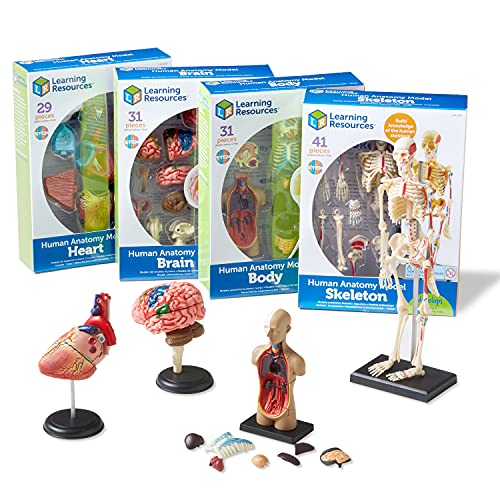
- Four-model bundle: heart, brain, body, and skeleton
- Assemble/disassemble design supports hands-on learning
- Durable plastic pieces with display stands
Best For: Homeschool and classroom beginners studying basic human anatomy
Posable Body Builder
Be Amazing! Toys Interactive Human Body
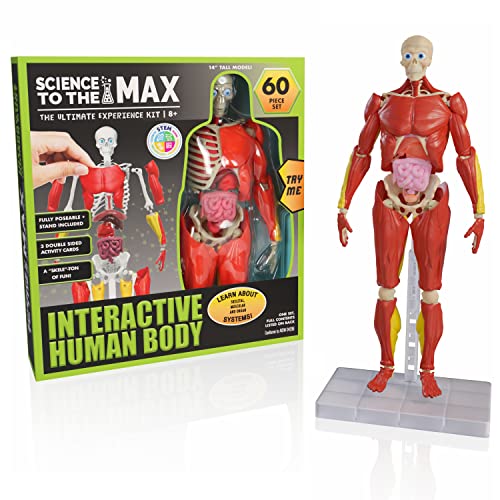
- Fully articulated 14-inch human body model
- 60-piece build with muscles, organs, and bones
- Includes illustrated instruction cards and stand
Best For: Ages 8+ learners who want a hands-on, poseable anatomy toy
Life-Size Study Display
breesky Life-Size Human Skeleton with Stand

- 70.8-inch skeleton with 206 articulated bones
- Detachable design includes skull cap and movable joints
- Comes with 3 posters and a rolling stand
Best For: Medical study and classroom display with life-size skeleton detail
Compact Organ Explorer
EVOTECH Scientific 16-Piece Human Torso Model
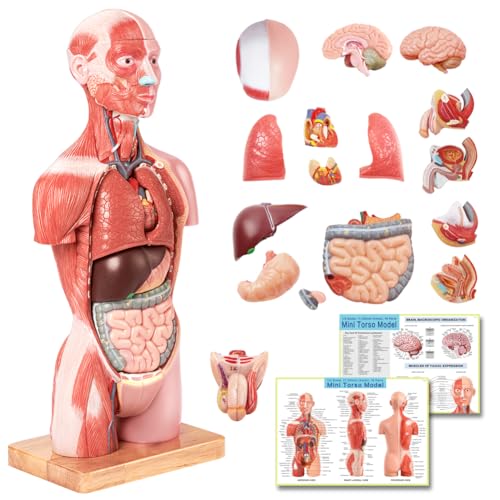
- 16 detachable parts include major organs and body sections
- Portable half-size model with oak-wood base
- Includes educational brochure for guided study
Best For: Students and nursing learners who want a portable torso anatomy model
2X Life-Size Brain Model
2X Life-Size Detachable Brain for Study

- 2X enlarged brain with 4 detachable magnetic sections
- Laser-engraved labels help keep structures easy to read
- Washable PVC build includes stand and guide
Best For: Students and neuroscience learners needing a larger brain-only teaching model
9-Part Anatomy Cube
Foldable Anatomy Revision Cube

- Folds through 9 body parts and systems for revision
- Compact 7x7x7cm size is easy to carry
- Interactive design makes anatomy study more engaging
Best For: Medical and anatomy students who want a compact, hands-on review tool
15-Piece Human Torso Model
Portable 11-Inch Torso for Class

- 15 detachable pieces show major organs and structures
- Portable 11-inch size works well for class use
- Includes oak base and colorful brochure
Best For: Students and teachers needing a compact torso model for demonstrations
Color-Coded Mini Skull
15-Part Palm-Sized Anatomy Model
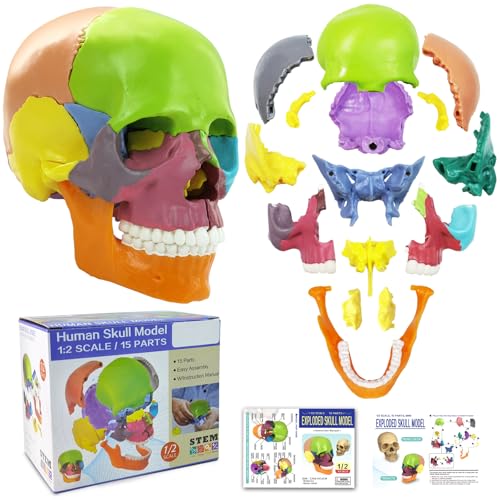
- 15 detachable skull parts
- Color-coded bones for easier study
- Includes illustrated guide and questions
Best For: Students and dental learners who want a portable skull study aid
Compact Torso Study Model

- 15 detachable pieces for organ study
- 11-inch size fits desks and small labs
- Includes colorful educational manual
Best For: Students needing a compact torso model for organ-focused learning
All-in-One Anatomy Bundle

- Includes body, skeleton, heart, and skull models
- Covers skeletal, cardiovascular, and nervous systems
- Comes with manuals and a carrying case
Best For: Teachers and students who want broad anatomy coverage in one portable set
Classroom Starter – Learning Resources 4-Pack Anatomy Models Bundle
If you’re comparing anatomy models for students, this bundle is a practical all-in-one option that lets learners study the heart, brain, body, and skeleton in 3D. The pieces can be assembled and disassembled, which makes it easier to turn abstract biology lessons into hands-on review.
Best For: Homeschool families, classroom science teachers, and young students who need a broad introductory anatomy set.
Pros:
- Includes four separate models: heart, brain, body, and skeleton.
- Designed for interactive assembly and disassembly.
- Durable plastic construction with display stands.
- Movable joints and hinged sections add learning detail.
Cons:
- Best suited for introductory study rather than advanced anatomical detail.
- Small parts may be less ideal for very young children.
This set works well as a flexible teaching aid because it covers multiple body systems in one package. For students who learn best by touching and building, it offers a solid balance of durability, detail, and classroom usefulness.
Posable Body Builder – Be Amazing! Toys Interactive Human Body
This option stands out among anatomy models for students who like interactive play with clear educational value. The 14-inch body is fully articulated, and the 60-piece build includes removable muscles, bones, and organs so kids can study how the body fits together.
Best For: Kids ages 8+ who want a poseable anatomy model with lots of removable parts and guided learning cards.
Pros:
- Fully poseable 14-inch human body model.
- 60 pieces include bones, muscles, and removable organs.
- Comes with illustrated instruction cards for learning.
- Includes an adjustable stand for different poses.
Cons:
- More of a kid-friendly STEM toy than a classroom display model.
- Smaller scale may not suit buyers looking for life-size anatomy.
For learners who enjoy building and posing a model, this is a strong hands-on choice. It combines movement, color, and guided instruction in a format that keeps anatomy lessons approachable.
Life-Size Study Display – breesky Life-Size Human Skeleton with Stand
If you need anatomy models for students that feel closer to a real clinical display, this life-size skeleton is a strong fit. It features 206 articulated bones, a detachable design, three posters, and a rolling stand for easier movement between rooms.
Best For: Medical study, school labs, and educators who want a full-size skeleton display with reference posters.
Pros:
- Life-size 70.8-inch skeleton with 206 articulated bones.
- Detachable joints and skull cap support hands-on study.
- Includes three posters for visual reference.
- Rolling stand makes it easier to move and display.
Cons:
- Large size may be too much for smaller spaces.
- More specialized for skeleton study than full-body organ anatomy.
This model is well suited to serious anatomy instruction where size and realism matter. The included posters and movable stand add convenience, while the articulated design keeps it useful for demonstrations and study.
Compact Organ Explorer – EVOTECH Scientific 16-Piece Human Torso Model
Among anatomy models for students, this torso set is a compact way to study organs and body structure without taking up much space. The 16 detachable parts include the brain, heart, lungs, stomach, liver, intestines, and male/female parts, with a wooden base for display.
Best For: Medical students, nursing learners, and classroom use where a portable torso model is more useful than a full-size figure.
Pros:
- 16 detachable parts cover major organs and body sections.
- Includes a colorful educational brochure.
- Portable size makes it easy to carry to class.
- Non-toxic PVC construction with an oak-wood base.
Cons:
- Some organ pieces are small and need careful handling.
- Half-size design is less detailed than larger clinical models.
This torso model is a sensible choice when portability matters as much as content. It gives students a hands-on way to learn organ positions and relationships, while still looking polished enough for display.
2X Life-Size Brain Model – 2X Life-Size Detachable Brain for Study
If you’re comparing anatomy models for students, this 2X life-size brain model stands out for its enlarged format and clearly color-coded sections. It is designed to help learners identify major brain structures, including the cerebral hemispheres, brain stem, cerebellum, and areas tied to emotion, memory, and learning.
Best For: Students, teachers, and neuroscience learners who want a larger, easy-to-see brain anatomy model for classroom or study use.
Pros:
- 2X life-size format makes key structures easier to study.
- 4 magnetic detachable sections support hands-on learning and reassembly.
- Laser-engraved labels are designed to resist fading or smudging.
- PVC construction is washable and built for frequent handling.
Cons:
- Brain-only design, so it does not cover the rest of the human body.
- Some users may notice an odor at first after shipping.
This is a strong pick if you want a focused neuroscience teaching tool rather than a general anatomy set. The included stand and guide add value, while the detachable magnetic design makes it practical for demonstrations and independent study.
9-Part Anatomy Cube – Foldable Anatomy Revision Cube
For students who prefer an interactive study aid, this anatomy cube turns revision into a hands-on activity. It fits 9 different body systems and parts into a compact 7x7x7cm plastic cube, making it a different kind of choice among anatomy models for students.
Best For: Medical, nursing, dental, and anatomy students who want a compact, tactile revision tool.
Pros:
- Includes 9 body parts and systems, from the brain to circulatory system.
- Foldable design adds an engaging, hands-on study experience.
- Very compact size makes it easy to carry or keep on a desk.
- Plastic construction keeps the cube lightweight and simple to handle.
Cons:
- Not a detailed 3D anatomical replica like a torso or organ model.
- Small size limits the amount of visual detail compared with larger models.
This is best viewed as a revision accessory rather than a traditional anatomy teaching model. If your goal is quick recall and a fun study format, it offers a memorable way to review multiple body systems in a tiny footprint.
15-Piece Human Torso Model – Portable 11-Inch Torso for Class
This torso model is a practical option for anatomy models for students who need to study organ placement and body structure together. It includes 15 detachable pieces, a colorful brochure, and a portable 11-inch format that is easy to bring to class or display on a shelf.
Best For: Students and educators who want a compact torso model with multiple removable organs for classroom demonstrations.
Pros:
- 15 removable pieces cover major organs and body structures.
- Portable 11-inch size is easy to carry to classes.
- Non-toxic PVC construction is easy to clean.
- Oak-wooden base and brochure add display and teaching value.
Cons:
- Some organ pieces are small and need careful handling.
- Smaller size may be less detailed than full-size anatomy models.
If you want a classroom-friendly torso that balances portability and organ detail, this model is a solid fit. It works well for learning anatomical relationships and is especially useful when you need a model that can travel easily between home and school.
Color-Coded Mini Skull – 15-Part Palm-Sized Anatomy Model
If you want anatomy models for students that make skull landmarks easier to study, this 15-part mini model is a strong pick. The color-coded bones, detachable pieces, and illustrated guide help make the orbit, nasal cavity, sutures, and tooth structure easier to identify in a compact format.
Best For: Students, dental learners, and anatomy study sessions that need a portable skull model with clear part identification.
Pros:
- 15 detachable parts show detailed skull anatomy, including maxilla, cheekbones, nasal bones, and mandible.
- Color-coded bone pairs make reassembly and visual identification simpler for learners.
- Includes an illustrated guide with general knowledge and questions for study support.
- Palm-sized design is easy to transport for classroom demos or personal use.
Cons:
- Miniature size may be less useful for group instruction at a distance.
- Focused mainly on skull anatomy rather than the full body.
This model works well as a hands-on skull study aid when portability and easy part recognition matter more than large display size.
Compact Torso Study Model – 15-Part 11-Inch Anatomy Torso
For students comparing anatomy models for students, this 11-inch torso offers a practical way to study core organs without taking up much desk space. The 15-piece detachable design breaks out the brain, heart, lungs, esophagus, aorta, and skull so learners can examine major structures in detail.
Best For: Classroom desks, home study, and small lab spaces where a compact torso model is needed for organ-focused learning.
Pros:
- 15-piece design supports hands-on exploration of major organs and body structures.
- 11-inch size balances portability with enough detail for clear study.
- Includes a colorful educational manual to help identify parts and functions.
- Sturdy base helps keep the assembled model upright for display or demonstrations.
Cons:
- Covers core structures only, not the full range of body systems.
- Smaller size may not suit learners who prefer a larger display model.
This is a solid choice if you want a compact teaching aid that makes the main organs easy to study and display in a limited space.
All-in-One Anatomy Bundle – 4-Model Hands-On Study Set
If you want anatomy models for students that cover multiple systems in one package, this four-model bundle is an efficient option. It includes a human body, skeleton, heart, and half-size skull with brain, along with brochures and manuals that support hands-on study of the skeletal, cardiovascular, and nervous systems.
Best For: Students, teachers, and anyone who wants a multi-model anatomy set with a carrying case for broader study coverage.
Pros:
- Includes four different anatomy models for broader study coverage.
- Comes with a carrying case for storage and portability.
- Includes brochures, charts, and manuals to guide learning.
- Hand-painted models with sturdy bases add durability and display value.
Cons:
- Not a single focused model, so each piece is smaller than a dedicated stand-alone version.
- Better suited to general study than deep specialization in one structure.
This bundle is a practical pick when you need several anatomy references at once and want a portable set that supports mixed classroom or home study use.
How We Picked the Best Anatomy Models for Students
We prioritized models that support visual learning, clear identification of major structures, and practical use in classrooms or at home. For Anatomy Models for Students, the most useful picks balance accuracy, sturdy construction, and a size that is easy to study without becoming cumbersome.
We also favored models with removable parts, labeled anatomy, and formats that match common school needs, from basic human body overviews to more focused brain, skull, and skeleton study tools.
Quick Comparison
If you want broad coverage, torso and bundle sets usually offer the best value. If you need targeted study, brain and skull models are better for detail work. Skeleton models are ideal for studying body structure and spatial relationships, while interactive figures work well for younger learners who benefit from tactile exploration.
Key Buying Factors for Anatomy Models for Students
Level of Detail
Choose a model that matches the course level. Younger students often need simplified parts and large labels, while older students and pre-med learners benefit from more anatomy layers, detachable sections, and finer surface detail.
Size and Visibility
Bigger models are easier to see in a classroom, but smaller models can be better for desk study and storage. Consider whether the model needs to be portable, display-ready, or suitable for repeated handling.
Removable Parts and Labels
Detachable organs, segmented skulls, and labeled structures can improve retention by turning study into an active exercise. For self-study, clear part identification matters more than decorative realism.
Durability and Stability
Students will handle these models often, so look for solid bases, secure fittings, and materials that can stand up to repeated assembly and disassembly. A stable stand is especially important for skeleton and torso models.
Subject Focus
Match the model to the lesson. A full torso is best for general anatomy, a skeleton supports structural learning, a brain model is useful for neuroscience, and a skull model is ideal for dental or cranial study.
Who Should Buy Which Anatomy Models for Students?
Elementary and middle school students usually do best with interactive or simplified models that make anatomy approachable. High school students often need torso or skeleton models with more removable parts and clearer labeling. College, nursing, and pre-med students should look for detailed models that support revision, comparison, and repeated hands-on study.
If you are buying for a classroom, bundles can be the smartest choice because they cover more topics in one purchase. If you are buying for one specific course, a focused model usually gives better value and less clutter.